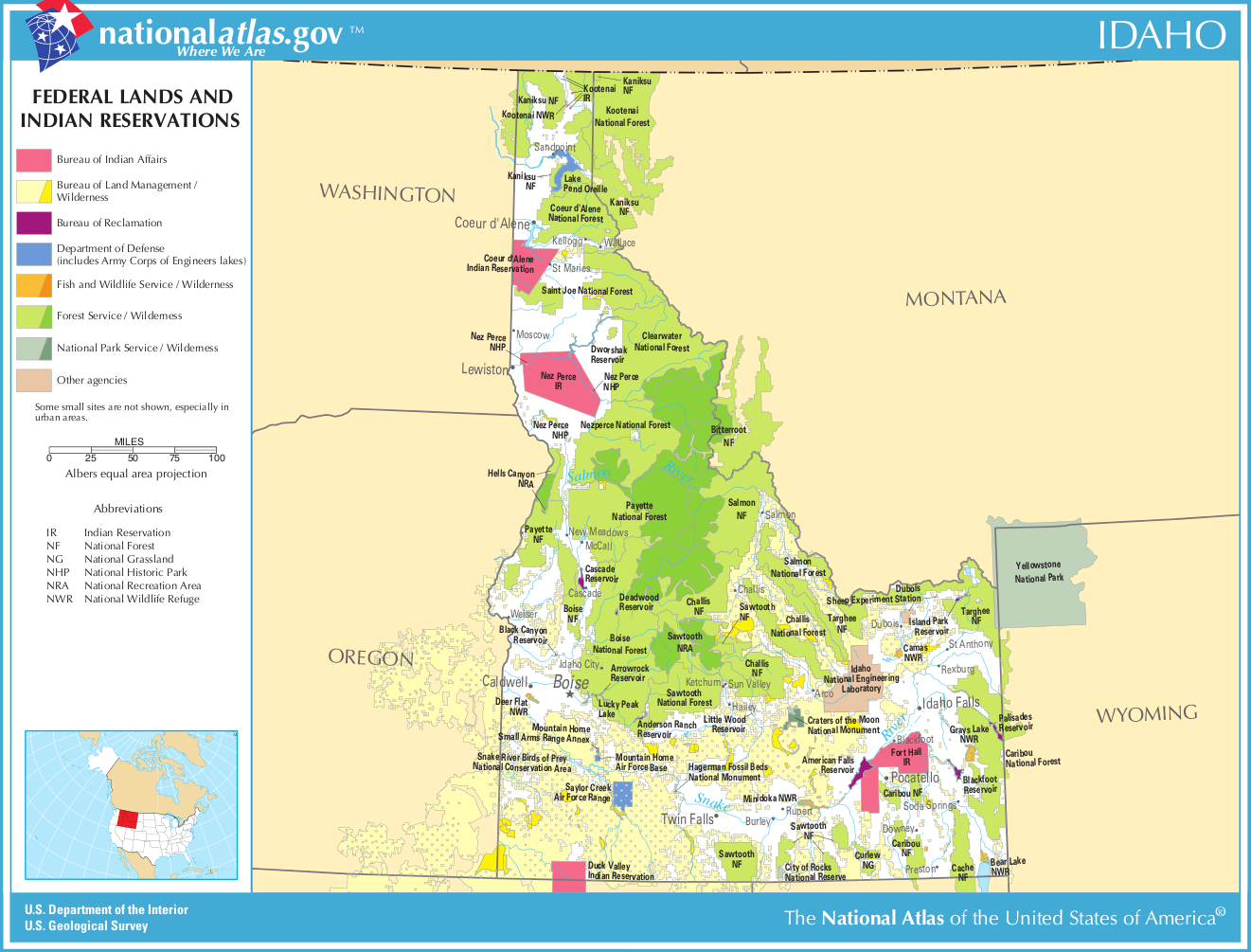

The Shoshone-Bannock Tribes Reservation, nestled in the scenic landscapes of southeastern Idaho, represents far more than just a geographical location; it is a living testament to centuries of rich cultural heritage, profound spiritual connection to the land, and the unwavering resilience of its people. This comprehensive guide aims to shed light on the diverse facets of the Shoshone-Bannock Nation, from its historical roots to its contemporary endeavors.
Spanning approximately 544,000 acres, the Fort Hall Reservation, as it is commonly known, is a vibrant hub of activity, governance, and traditional life. It encompasses parts of four Idaho counties—Bannock, Bingham, Caribou, and Power—and serves as the ancestral and modern home for the Shoshone and Bannock people.
For generations, the Shoshone and Bannock people have navigated immense changes, from the arrival of European settlers and the signing of treaties to the challenges of modern economic development and cultural preservation. Their story is one of adaptation, strength, and a deep commitment to their identity.
The Shoshone-Bannock Tribes are a federally recognized sovereign nation, comprised of two distinct but historically allied groups: the Shoshone and the Bannock. While they share common territory and many cultural practices, each tribe possesses its unique language, traditions, and historical narratives that contribute to the rich tapestry of the reservation.
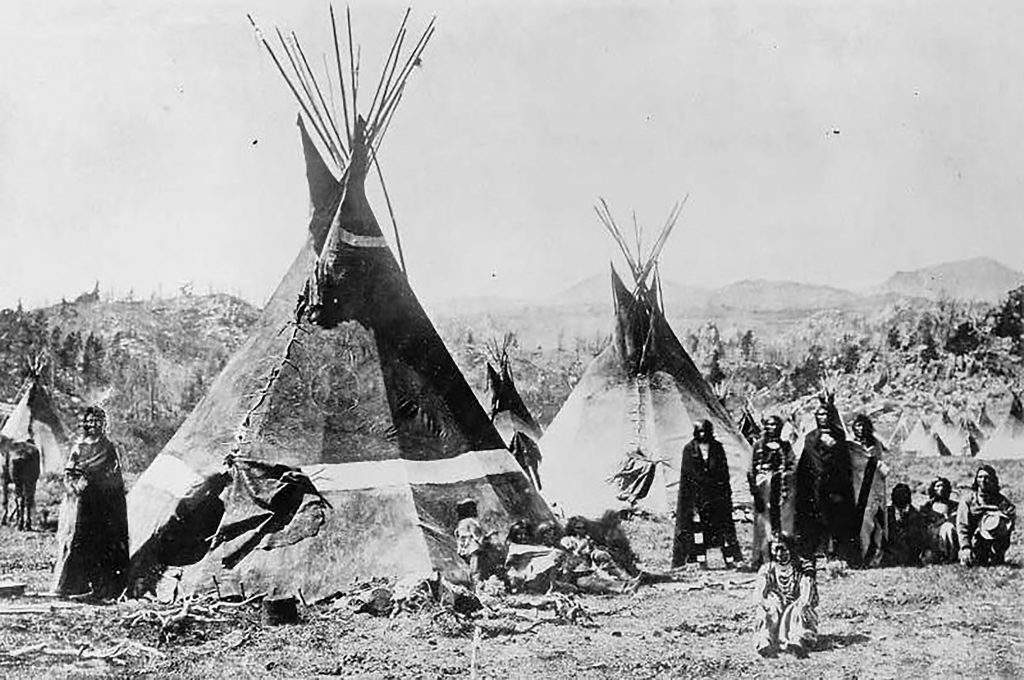
Long before the arrival of Europeans, the ancestors of the Shoshone and Bannock peoples thrived across vast territories of the Great Basin, Snake River Plain, and northern Rocky Mountains. They were nomadic hunter-gatherers, skillfully utilizing the land’s resources, following buffalo herds, and harvesting camas roots, a staple food.
The Shoshone, often referred to as ‘The People of the Sagebrush and Mountains,’ were known for their adaptability and extensive knowledge of their environment. They spoke a Numic language, a branch of the Uto-Aztecan language family, and their traditional territories stretched across present-day Idaho, Wyoming, Utah, and Nevada.


The Bannock, closely related to the Northern Paiute, were renowned for their equestrian skills and prowess as hunters and warriors. Their language, also Numic, shares similarities with Northern Paiute, reflecting their historical connections and migrations. The Bannock often allied with the Shoshone for hunting and defense.
The 19th century brought dramatic changes with the influx of fur trappers, explorers, and pioneers along the Oregon Trail. The establishment of Fort Hall as a major trading post and later a military outpost in 1834 profoundly impacted the tribes, bringing new diseases, trade goods, and increased pressure on their traditional lands and resources.
The Fort Hall Treaty of 1868, signed by various Shoshone and Bannock bands and the U.S. government, formally established the Fort Hall Reservation. While intended to protect tribal lands, it also significantly reduced their ancestral territories, confining them to a fraction of their original domain.
Despite the promises of the treaty, the tribes faced ongoing encroachment, land loss through subsequent agreements, and policies aimed at assimilation. The late 19th and early 20th centuries were periods of immense hardship, yet the Shoshone-Bannock people persevered, holding steadfast to their cultural identity.
Today, cultural preservation is a cornerstone of life on the Fort Hall Reservation. Efforts are vigorously underway to revitalize the Shoshone and Bannock languages, which are critical to maintaining traditional knowledge, stories, and ceremonies. Language immersion programs and educational initiatives are vital for younger generations.
Traditional arts and crafts continue to flourish, reflecting the tribes’ deep aesthetic and spiritual values. Intricate beadwork, quillwork, hide tanning, and basket weaving are passed down through generations, each piece telling a story of heritage and skill. These art forms are not merely decorative but embody cultural narratives and spiritual connections.
Ceremonies and spiritual practices remain central to Shoshone-Bannock life. Powwows, Sun Dances, and other traditional gatherings are important events for community bonding, spiritual renewal, and the celebration of identity. These vibrant events showcase traditional dances, drumming, and singing, inviting tribal members and respectful visitors to experience their rich culture.
The Shoshone-Bannock Tribes operate as a sovereign nation with a democratically elected Tribal Council. This governing body is responsible for managing tribal affairs, protecting treaty rights, overseeing economic development, and providing essential services to its members. The principle of self-determination is paramount.
The Tribal Council works tirelessly to ensure the well-being and future prosperity of the Shoshone-Bannock people, engaging in complex legal, political, and economic endeavors. Their commitment to self-governance allows the tribes to chart their own course, guided by their values and traditions.

Economic development is a key priority for the Shoshone-Bannock Tribes, aimed at creating jobs, generating revenue, and fostering self-sufficiency. Diversification of enterprises is crucial, moving beyond traditional economic bases to embrace modern opportunities.
A significant economic driver on the reservation is the gaming industry. The Fort Hall Casino, along with hotel and entertainment facilities, provides substantial employment opportunities for tribal members and surrounding communities, and its revenues support tribal government services, education, and infrastructure projects.
Agriculture and ranching also play a vital role, continuing a long-standing tradition of working the land. Tribal enterprises include farming operations, cattle ranching, and related businesses, contributing to both the local economy and food security.
Beyond gaming and agriculture, the tribes are actively involved in various other ventures, including retail, hospitality, construction, and resource management. These diverse enterprises reflect a strategic vision for a robust and sustainable tribal economy.
Investing in education is fundamental to the future of the Shoshone-Bannock Tribes. The reservation hosts tribal schools that integrate cultural teachings with standard curricula, ensuring that children grow up with a strong sense of identity and access to quality education. Scholarships and support for higher education are also critical tribal initiatives.
Healthcare services are provided through tribal clinics and partnerships, aiming to meet the health needs of the community, often addressing unique challenges faced by Native American populations. Access to comprehensive and culturally sensitive healthcare is a priority.
Like many Native American communities, the Shoshone-Bannock Tribes have faced and continue to address significant challenges, including the lingering effects of historical trauma, economic disparities, and social issues. However, their story is overwhelmingly one of strength and resilience.
The tribes are actively involved in protecting their land and water rights, which are essential for cultural survival and economic stability. These efforts often involve complex legal battles and advocacy to ensure the preservation of natural resources and ancestral territories.
Environmental stewardship is deeply ingrained in Shoshone-Bannock culture. The tribes are committed to responsible land management, conservation, and protecting the delicate ecosystems of the Snake River Plain, ensuring a healthy environment for future generations.
The ability of the Shoshone-Bannock people to adapt, innovate, and maintain their cultural integrity in the face of adversity is a powerful testament to their enduring spirit. Their journey is a continuous reaffirmation of their identity and their place in the world.
For those interested in learning more or visiting, the Shoshone-Bannock Tribes welcome respectful engagement. Understanding and appreciating their culture requires an open mind and a willingness to learn about their history and contemporary life. Always seek permission and respect tribal customs and privacy.
If you plan to visit the Fort Hall Reservation, it’s advisable to check the official Shoshone-Bannock Tribes website for information on public events, cultural centers, and any specific guidelines for visitors. Supporting tribal businesses, such as the Fort Hall Casino, hotels, or local craft shops, directly contributes to the community’s well-being.
People Also Ask: What is the primary economic driver on the reservation?
While the Shoshone-Bannock Tribes engage in various economic activities, the gaming industry, primarily through the Fort Hall Casino, is a significant employer and revenue generator, alongside agriculture and other tribal enterprises.
People Also Ask: How do the Shoshone-Bannock Tribes maintain their cultural heritage?
The tribes maintain their cultural heritage through active language revitalization programs, traditional arts and crafts, community ceremonies like powwows and Sun Dances, and culturally relevant education in tribal schools.
People Also Ask: Is the Fort Hall Reservation open to the public?
Certain tribal enterprises, like the Fort Hall Casino and some cultural events, are open to the public. However, visitors are encouraged to be respectful, understand tribal sovereignty, and check official tribal resources for specific visitor guidelines and event schedules.
People Also Ask: What is the significance of the Fort Hall Treaty?
The Fort Hall Treaty of 1868 formally established the Fort Hall Reservation, setting aside lands for the Shoshone and Bannock peoples. While it dramatically reduced their ancestral territories, it also recognized their sovereignty and laid the foundation for their continued presence and self-governance.
In conclusion, the Shoshone-Bannock Tribes Reservation in Idaho is a profound example of a vibrant Native American nation that has maintained its cultural identity, sovereignty, and resilience through centuries of change. From their deep historical roots and rich traditions to their modern economic ventures and commitment to future generations, the Shoshone-Bannock people offer a powerful narrative of survival, adaptation, and enduring spirit.
Understanding and respecting the Shoshone-Bannock Tribes means recognizing their sovereign status, appreciating their contributions to the cultural landscape of Idaho and the nation, and acknowledging their ongoing efforts to preserve a unique and invaluable heritage. Their story is an integral part of the American narrative, deserving of recognition and respect.
By exploring the facets of the Shoshone-Bannock Tribes’ reservation, we gain not only knowledge but also a deeper appreciation for the diversity and strength of Native American cultures. It is a journey into a living legacy, rich with history, culture, and the unwavering spirit of a people deeply connected to their ancestral lands.


