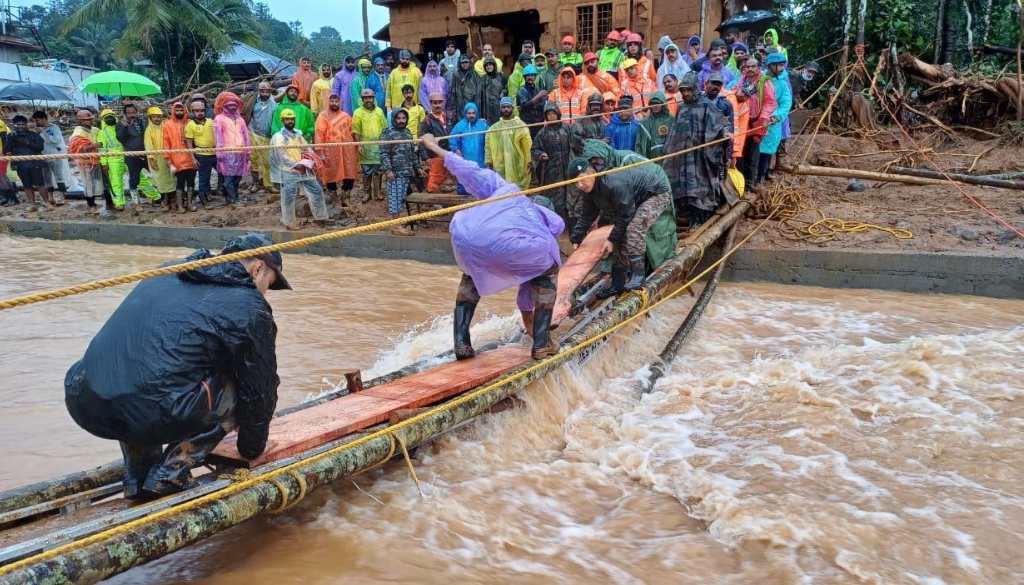

Indian Reservations, the sovereign lands of federally recognized Native American tribes, face a disproportionate burden when natural disasters strike. These communities often contend with a unique confluence of geographical isolation, historical underinvestment, and complex jurisdictional issues that complicate disaster preparedness, response, and long-term recovery efforts.
Understanding the intricacies of disaster relief for these sovereign nations is crucial for fostering equitable resilience across the United States. This comprehensive guide delves into the specific challenges, available resources, and the path forward for strengthening emergency management within Native American communities.
The Unique Vulnerabilities of Tribal Nations
Many tribal lands are situated in remote, rural areas, often susceptible to extreme weather events such as wildfires, floods, droughts, and severe storms. This geographical reality inherently makes access for external relief agencies more challenging and can delay critical aid when every minute counts.
Beyond geography, historical factors play a significant role. Centuries of colonialism and governmental policies have led to chronic underfunding and systemic neglect, resulting in inadequate infrastructure, limited resources, and higher rates of poverty within many tribal communities. These pre-existing conditions exacerbate the impact of any disaster.
Infrastructure on reservations frequently lags behind national standards. This includes dilapidated housing, unreliable utility grids, and insufficient transportation networks, all of which are highly vulnerable to damage and difficult to restore post-disaster. The lack of robust infrastructure creates significant hurdles for effective disaster response and long-term recovery.

Furthermore, many tribal communities possess deep cultural and spiritual connections to their lands and traditional practices. Disasters not only threaten lives and property but can also endanger sacred sites, cultural artifacts, and traditional ways of life, adding another layer of complexity to recovery efforts that must be culturally sensitive.
Understanding the Federal Framework: FEMA and Tribal Nations
The Federal Emergency Management Agency (FEMA) is the primary federal agency responsible for coordinating disaster relief. For tribal nations, the relationship with FEMA has evolved significantly over time, particularly with the passage of the Sandy Recovery Improvement Act (SRIA) of 2013.
SRIA amended the Robert T. Stafford Disaster Relief and Emergency Assistance Act, granting federally recognized tribal governments the option to directly request a presidential disaster declaration, bypassing state governments. This was a monumental step towards recognizing tribal sovereignty in disaster management.
Prior to SRIA, tribes largely had to apply for federal assistance through their respective states, which often led to delays, miscommunications, and a lack of culturally appropriate responses. The direct declaration option empowers tribes to manage their own disaster response and recovery more effectively.
When a tribal nation declares a disaster, they can access various FEMA programs, including Public Assistance (PA), which provides grants for emergency work and restoring damaged public facilities, and Individual Assistance (IA), which helps individuals and households with needs like temporary housing, essential home repairs, and other serious disaster-related expenses.
The Role of the Bureau of Indian Affairs (BIA)
The Bureau of Indian Affairs (BIA), part of the Department of the Interior, also plays a critical role in supporting tribal governments before, during, and after disasters. The BIA often serves as a liaison between tribes and other federal agencies, helping navigate complex bureaucratic processes.
BIA programs can provide funding and technical assistance for emergency management planning, infrastructure repair, and response coordination. They are often crucial for smaller tribes or those with less developed emergency management capabilities.

Beyond FEMA and BIA: A Multi-Agency Approach
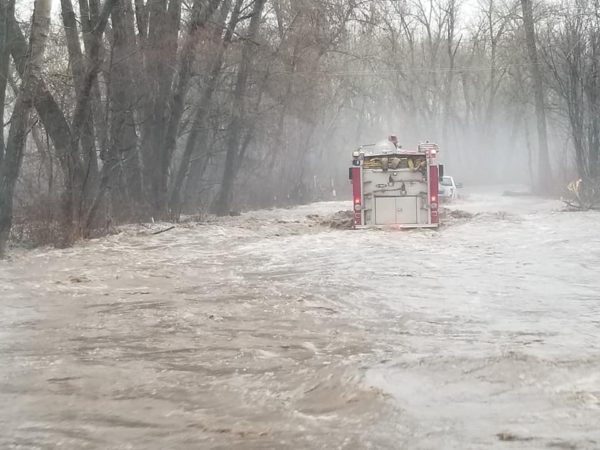
Disaster relief for Indian Reservations often requires a coordinated effort from numerous federal agencies. The Department of Housing and Urban Development (HUD) may offer grants for housing recovery, while the Department of Agriculture (USDA) provides assistance for agricultural losses and rural development.
The Department of Health and Human Services (HHS) is vital for addressing public health emergencies and providing mental health services post-disaster, which are especially critical given the compounded trauma many tribal communities experience.
Pre-Disaster Mitigation and Preparedness: Building Resilience
Proactive measures are the cornerstone of effective disaster management. Many tribal nations are developing comprehensive Tribal Emergency Management Plans (TEMPs), which outline protocols for preparedness, response, and recovery tailored to their specific needs and cultural values.
Investment in infrastructure resilience is paramount. This includes upgrading critical facilities, improving housing standards, and developing sustainable energy and water systems that can withstand extreme weather events. Grant programs like FEMA’s Hazard Mitigation Grant Program (HMGP) are vital for these initiatives.
Capacity building, through training tribal emergency managers and establishing robust communication networks, is also a key component. Empowering tribal members with the skills and resources to manage their own emergencies fosters self-determination and more effective local response.
Addressing Common Questions (People Also Ask)
How do tribes declare a disaster? A federally recognized tribal government’s Chief Executive (or equivalent) can directly request a presidential disaster declaration from FEMA, following a process similar to states. The request is submitted to the President through the FEMA Regional Administrator.
What are the specific challenges faced by tribes in disaster relief? Challenges include remote locations, inadequate infrastructure, limited local resources, historical trauma, jurisdictional complexities, and the need for culturally sensitive recovery approaches.
Are tribal nations eligible for the same federal assistance as states? Yes, with the SRIA 2013 amendment, federally recognized tribes can directly access the same categories of Public and Individual Assistance as states, provided they meet the declaration criteria.
How can individuals support disaster relief efforts for Native American communities? Supporting reputable non-profit organizations focused on Native American aid, donating directly to tribal relief funds, or volunteering with organizations that partner with tribes are effective ways to help. Always ensure cultural sensitivity and respect for tribal sovereignty.
What role does tribal sovereignty play in disaster response? Tribal sovereignty is fundamental. It means tribal governments have the inherent right to self-govern and make decisions for their people and lands, including how they manage emergencies. Direct declarations affirm this sovereignty and allow for culturally appropriate, tribe-led responses.
The Path Forward: Enhancing Tribal Emergency Management
The future of disaster relief for Indian Reservations hinges on continued recognition of tribal sovereignty, sustained federal investment, and robust intergovernmental cooperation. Supporting tribal self-determination in emergency management leads to more effective, equitable, and culturally appropriate outcomes.
Increased funding for pre-disaster mitigation, infrastructure improvements, and emergency management training is critical. This enables tribes to build their own capacity and reduce reliance on external aid, fostering long-term resilience.
Furthermore, fostering respectful partnerships between federal, state, and tribal governments is essential. These partnerships should prioritize tribal leadership and traditional knowledge, integrating them into broader disaster planning and response frameworks.
Conclusion: Building a Resilient Future Together
Disaster relief for Indian Reservations is a complex but vital aspect of national emergency management. By understanding the unique vulnerabilities, respecting tribal sovereignty, and investing in proactive mitigation and culturally sensitive recovery, we can help Native American communities build stronger, more resilient futures.
The journey towards equitable resilience requires ongoing commitment, collaboration, and a deep appreciation for the distinct needs and strengths of tribal nations. It’s a commitment not just to recovery, but to justice and self-determination for all.
Supporting these efforts ensures that all communities, regardless of their historical context or geographical location, have the resources and autonomy needed to face and overcome the challenges posed by natural disasters.


