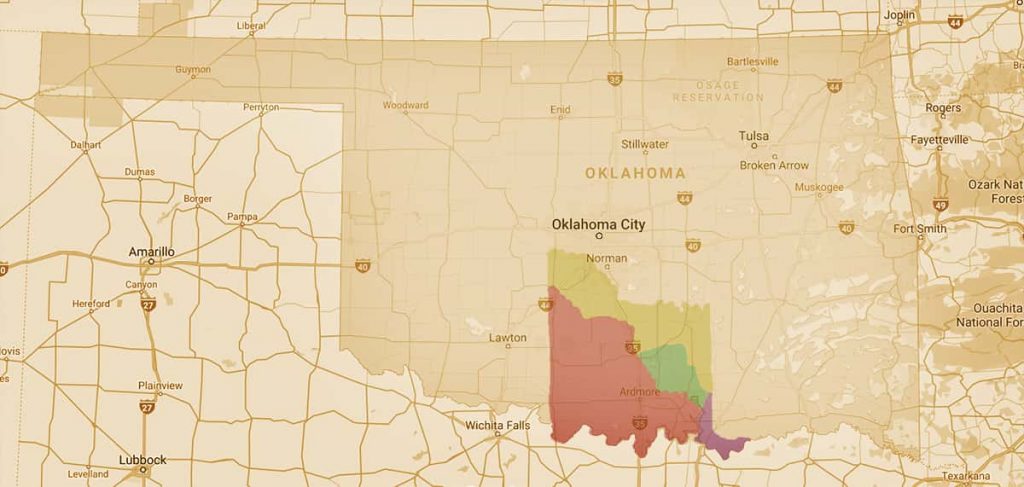

The Chickasaw Nation Reservation in Oklahoma represents a vibrant and historically significant area within the state. Understanding its boundaries, governance, and cultural impact is crucial for anyone interested in Oklahoma’s Native American heritage. This comprehensive guide delves into the intricacies of the Chickasaw Nation Reservation, offering insights into its past, present, and future.
What is the Chickasaw Nation?
The Chickasaw Nation is a federally recognized Native American tribe with a rich history and a strong presence in Oklahoma. Originally residing in the Southeastern United States, the Chickasaw people were forcibly removed to Indian Territory (now Oklahoma) in the 1830s during the Trail of Tears. Today, the Chickasaw Nation is a self-governed nation with its own constitution, government, and judicial system.
Defining the Chickasaw Nation Reservation
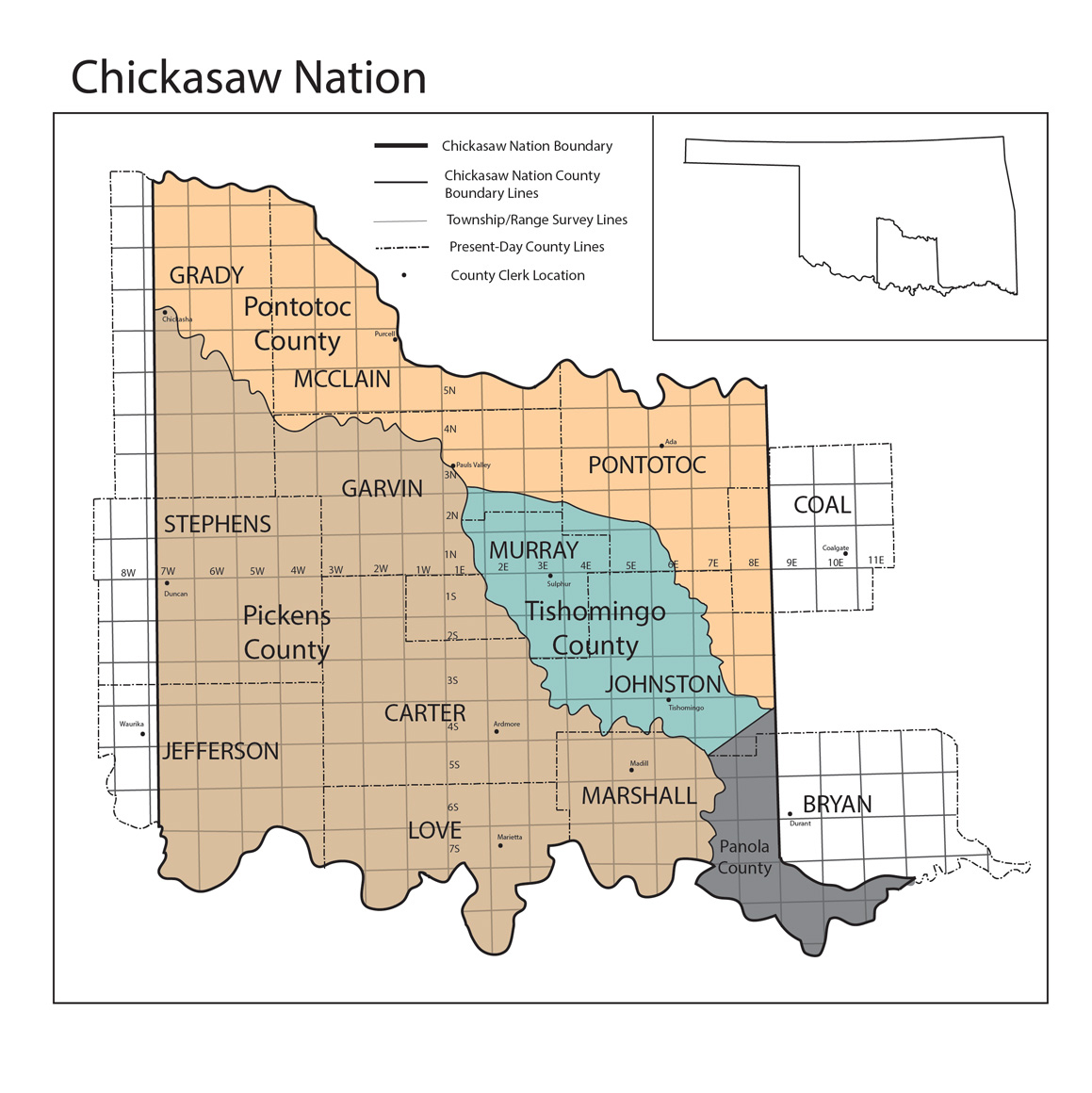
Unlike some reservations that are clearly defined by specific boundaries of land held in trust by the federal government for a tribe, the Chickasaw Nation Reservation’s boundaries are defined somewhat differently due to its historical context and legal agreements. The Chickasaw Nation’s territory encompasses a large area in south-central Oklahoma, comprising several counties. It is important to note that this area isn’t exclusively Chickasaw-owned land; rather, it represents the Nation’s jurisdictional territory.
- Bryan
- Carter
- Coal
- Garvin
- Grady
- Johnston
- Love
- McClain
- Marshall
- Murray
- Pontotoc
- Stephens
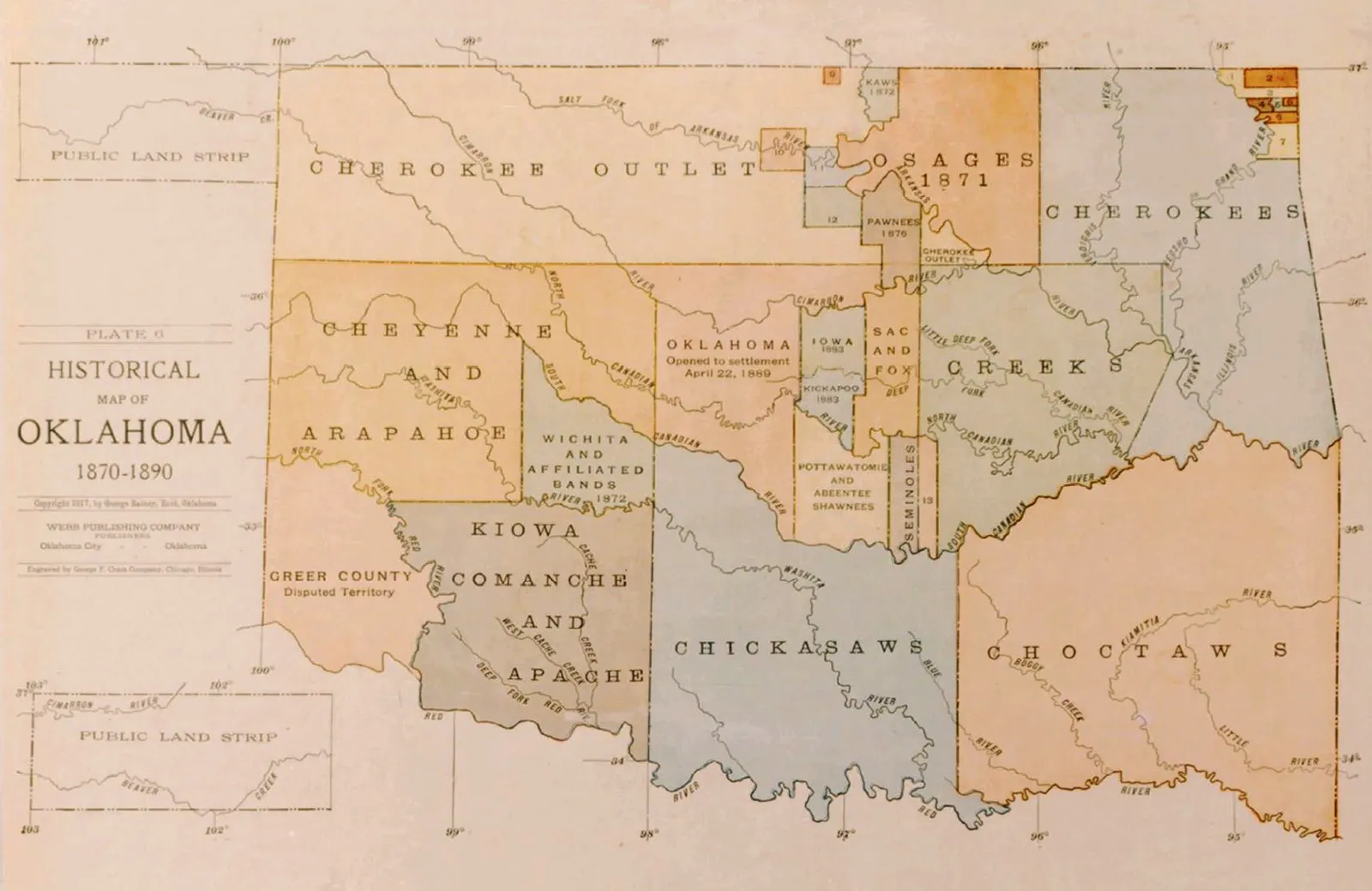

It’s crucial to understand that within these counties, both tribal and non-tribal members reside, and land ownership is a mix of tribal, individual, and federal holdings. The Chickasaw Nation exercises governmental authority within this territory, providing services and programs to its citizens and contributing to the overall well-being of the region.
Historical Context: From Removal to Resilience
The history of the Chickasaw Nation is marked by both tragedy and resilience. The forced removal from their ancestral lands in the Southeast was a devastating experience. However, the Chickasaw people demonstrated remarkable strength in rebuilding their nation in Indian Territory.
Upon arrival in Oklahoma, the Chickasaw Nation established a new government, schools, and economic systems. They adapted to new challenges while preserving their cultural heritage. This period was crucial in shaping the modern-day Chickasaw Nation.
Government and Governance
- Healthcare
- Education
- Housing
- Social Services
- Economic Development
The Chickasaw Nation government is headquartered in Ada, Oklahoma, and operates numerous facilities and programs throughout its territory. The Nation’s commitment to self-governance and self-determination is evident in its proactive approach to addressing the needs of its citizens.
Economic Development and Impact
The Chickasaw Nation has become a significant economic force in Oklahoma. Through strategic investments and business ventures, the Nation has created jobs, generated revenue, and improved the quality of life for its citizens and the surrounding communities.

- Gaming and Hospitality
- Healthcare
- Manufacturing
- Real Estate
- Financial Services
The Chickasaw Nation’s economic success is a testament to its leadership and its commitment to long-term sustainability. The Nation reinvests its earnings into programs and services that benefit its citizens and contribute to the overall economic growth of the region.
Cultural Preservation and Education
The Chickasaw Nation places a high priority on preserving its cultural heritage and promoting education. The Nation operates cultural centers, museums, and language programs to ensure that Chickasaw traditions are passed down to future generations.
The Chickasaw Nation actively supports education through scholarships, grants, and educational programs. The Nation believes that education is essential for empowering its citizens and ensuring their future success.
Tourism and Attractions within the Chickasaw Nation
- Chickasaw Cultural Center: A world-class museum and cultural center that showcases the history and culture of the Chickasaw Nation.
- Chickasaw National Recreation Area: A beautiful park with natural springs, waterfalls, and hiking trails.
- Arbuckle Wilderness: A drive-through animal park that offers a unique wildlife experience.
- WinStar World Casino and Resort: One of the largest casinos in the world, offering gaming, entertainment, and dining options.
These attractions provide opportunities to learn about Chickasaw history, enjoy the natural beauty of Oklahoma, and experience the hospitality of the Chickasaw Nation.
Healthcare Initiatives
The Chickasaw Nation operates an extensive healthcare system that provides comprehensive medical services to its citizens. This includes hospitals, clinics, and specialized healthcare programs. The Nation is committed to improving the health and well-being of its citizens through preventative care, disease management, and access to quality healthcare services.
Community Development Programs
The Chickasaw Nation invests heavily in community development programs that address the needs of its citizens and improve the quality of life in its communities. These programs include housing assistance, infrastructure development, and support for community organizations.
Legal and Jurisdictional Considerations
Understanding the legal and jurisdictional aspects of the Chickasaw Nation Reservation is essential. The Nation has its own court system and laws that govern certain activities within its territory. Federal law also plays a role in defining the relationship between the Chickasaw Nation and the United States government.
The Supreme Court’s McGirt v. Oklahoma decision has had implications for tribal jurisdiction in Oklahoma, including within the Chickasaw Nation’s territory. This decision affirmed that a large portion of eastern Oklahoma remains Indian Country for certain purposes. It’s essential to stay informed about ongoing legal developments related to tribal jurisdiction.
Addressing Common Questions (People Also Ask)
What are the boundaries of the Chickasaw Nation Reservation in Oklahoma? The Chickasaw Nation Reservation spans across 13 counties in south-central Oklahoma, including Bryan, Carter, Coal, Garvin, Grady, Johnston, Love, McClain, Marshall, Murray, Pontotoc, and Stephens counties. However, it’s not a single contiguous block of land, but rather a jurisdictional area with a mix of tribal, individual, and federal land ownership.
Who governs the Chickasaw Nation Reservation? The Chickasaw Nation is a self-governed nation with its own constitution, government, and judicial system. The government is headed by an elected Governor, Lieutenant Governor, and Legislature.
What services does the Chickasaw Nation provide to its citizens? The Chickasaw Nation provides a wide range of services to its citizens, including healthcare, education, housing, social services, and economic development programs.
What are some things to do and see within the Chickasaw Nation? Popular attractions include the Chickasaw Cultural Center, Chickasaw National Recreation Area, and WinStar World Casino and Resort.
How has the McGirt v. Oklahoma decision affected the Chickasaw Nation? The McGirt decision affirmed that a significant portion of eastern Oklahoma remains Indian Country, which has implications for tribal jurisdiction and sovereignty within the Chickasaw Nation’s territory.
The Future of the Chickasaw Nation
The Chickasaw Nation is committed to building a strong and prosperous future for its citizens. The Nation continues to invest in education, healthcare, economic development, and cultural preservation. By embracing its heritage and pursuing innovative solutions, the Chickasaw Nation is poised to thrive in the years to come.
Conclusion
The Chickasaw Nation Reservation in Oklahoma is a dynamic and culturally rich area with a fascinating history. From its origins in the Southeastern United States to its present-day presence in Oklahoma, the Chickasaw Nation has demonstrated remarkable resilience and self-determination. By understanding the boundaries, governance, economy, and cultural significance of the Chickasaw Nation Reservation, we can gain a deeper appreciation for the contributions of the Chickasaw people to the state of Oklahoma and the nation as a whole. The Chickasaw Nation stands as a testament to the enduring strength and cultural vitality of Native American tribes in the United States.
Exploring the Chickasaw Nation offers a unique opportunity to learn about Native American history, culture, and contemporary life. Whether you are interested in history, culture, outdoor recreation, or economic development, the Chickasaw Nation has something to offer. It is an area that deserves recognition and respect for its contributions to Oklahoma and the United States.


