

Sacred Threads, Enduring Spirit: A Deep Dive into Native American Tribal Regalia
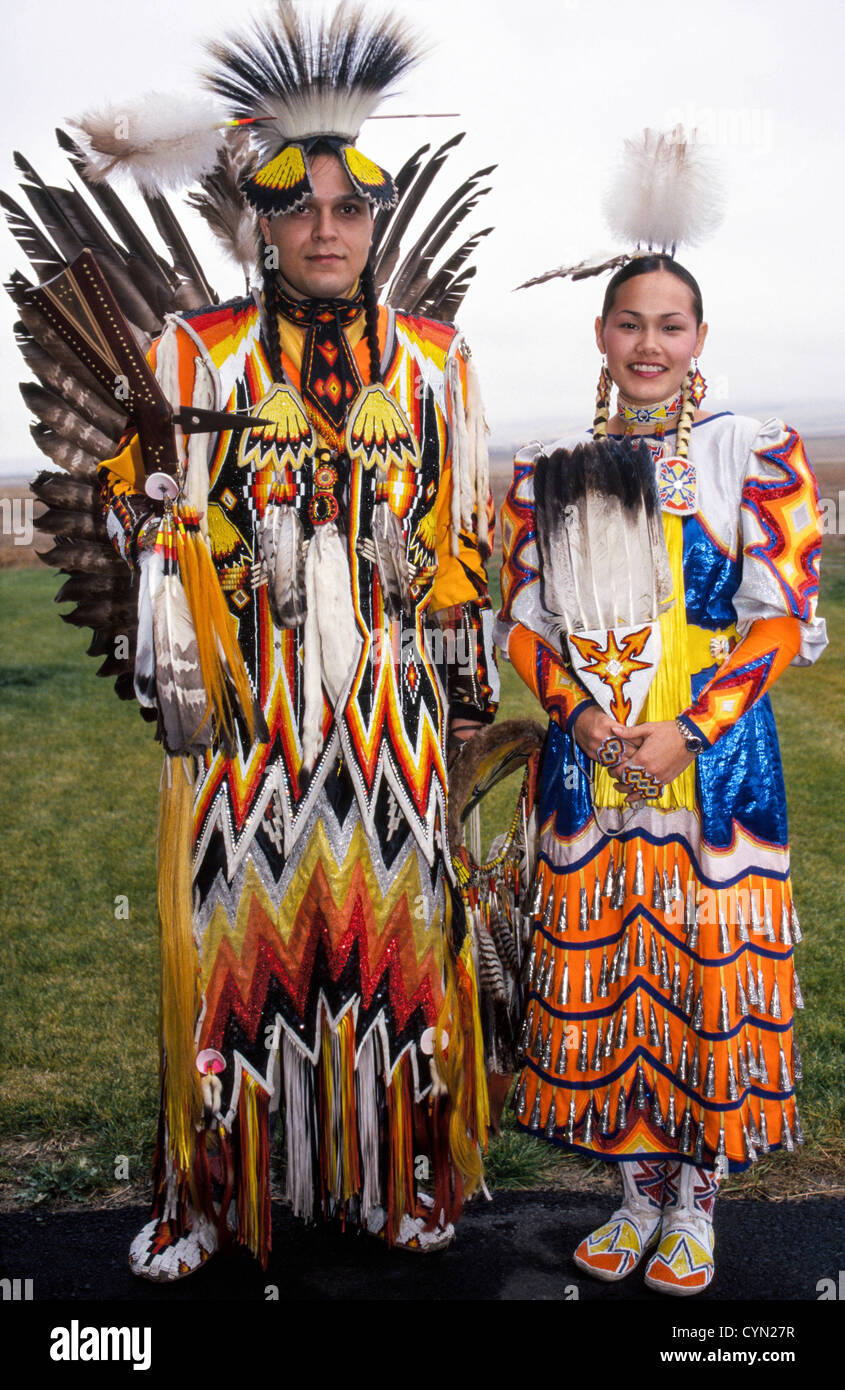
More than mere attire, Native American tribal regalia stands as a vibrant, living testament to history, spirituality, and cultural identity. Each feather, bead, quill, and stitch is a word in a profound narrative, weaving together generations of knowledge, artistic expression, and connection to the sacred. Far from being costumes, these elaborate ensembles are ceremonial clothing and dance outfits imbued with deep meaning, worn with immense pride, and revered as extensions of the wearer’s spirit and community. Understanding regalia requires moving beyond superficial aesthetics to grasp the intricate layers of symbolism, craftsmanship, and cultural protocols that define its creation and use.
A Legacy Woven Through Time: Historical Context and Evolution
The tradition of creating and wearing distinct ceremonial and dance clothing predates European contact by millennia. Early regalia was crafted entirely from natural materials readily available in specific tribal territories: brain-tanned deerskin, elk hide, buffalo hides, plant fibers, porcupine quills, shells, animal teeth and claws, and the revered feathers of various birds, particularly the eagle. These materials were not just utilitarian; they carried spiritual significance, connecting the wearer to the land, the animals, and the ancestral realm.
With the arrival of European traders, new materials like glass beads, trade cloth (wool, cotton), and metal became integrated into regalia. This wasn’t a displacement of tradition but an adaptation and expansion of artistic expression. Indigenous artists quickly mastered these new mediums, incorporating them into existing designs or developing entirely new styles, always maintaining the underlying cultural meanings and aesthetic principles. The vibrant colors of trade beads, for instance, offered new palettes for intricate storytelling through beadwork, a practice that became highly sophisticated across many nations.
However, the late 19th and early 20th centuries brought immense challenges. Policies of assimilation, including the banning of traditional ceremonies and the forced enrollment of children in boarding schools, directly threatened the continuity of regalia-making and its associated cultural practices. Despite these oppressive measures, Indigenous communities resiliently preserved their traditions, often in secret, passing down knowledge from elders to youth. The resurgence of cultural pride and the revitalization of traditions in the mid-20th century, particularly through the growth of the powwow circuit, brought regalia back into public view, stronger and more vibrant than ever.

The Language of Materials and Symbolism
Every element of regalia is chosen with intention, reflecting a sophisticated symbolic language.
- Feathers: Among the most sacred components, feathers symbolize connection to the Creator, the sky world, and the spirit of the bird from which they came. Eagle feathers, in particular, are highly revered, representing honor, courage, strength, and a direct link to the divine. Their use is often restricted to those who have earned them through acts of bravery, service, or spiritual achievement. "Each feather tells a story," explains Joe Podlasek (Ojibwe), CEO of the Trickster Cultural Center. "It’s about honor, it’s about achievement, it’s about your family and your community."
- Beadwork and Quillwork: These intricate art forms transform raw materials into vibrant narratives. Geometric patterns often represent natural elements like mountains, rivers, or stars, while floral designs, prominent in Woodlands traditions, symbolize growth and interconnectedness. Colors also carry specific meanings: red for strength or war, blue for sky or water, yellow for the sun, green for earth or healing. The painstaking process of beading or quilling can take hundreds, even thousands, of hours, a testament to the dedication and patience of the artist.
- Animal Hides and Furs: Leather, often brain-tanned deerskin or elk hide, forms the base for many pieces, symbolizing the animal’s spirit and its sacrifice. Furs, such as otter or ermine, are used for their beauty and symbolic power, often representing status or specific spiritual connections.
- Shells and Metals: Abalone, dentalium, and other shells, especially from coastal regions, represent wealth, water, and life. Silver and copper, particularly in the Southwest and Pacific Northwest, are crafted into intricate jewelry and adornments, reflecting mineral wealth and artistic mastery. Turquoise, a staple in Southwestern regalia, is believed to offer protection and bring good fortune.
- Bells and Jingles: Small metal cones (jingles) sewn onto dresses, or bells attached to dancers’ ankles or knees, create rhythmic sounds that are integral to the dance. The sound of a Jingle Dress, for example, is believed to have healing properties, connecting the dancer to the spiritual realm through sound.


Diversity in Design: A Kaleidoscope of Nations
It is crucial to recognize that there is no single "Native American regalia." With over 574 federally recognized tribes in the United States alone, and hundreds more across North America, regalia styles are incredibly diverse, reflecting distinct tribal histories, geographies, spiritual beliefs, and artistic traditions. Generalizations can be misleading, but we can highlight broad regional characteristics:
- Plains Nations (Lakota, Cheyenne, Blackfeet): Known for elaborate feather headdresses (war bonnets worn by respected male leaders), intricate beadwork on buckskin clothing, porcupine quillwork, and breastplates made of bone or shell. Their dance outfits often feature dramatic movement and bold colors.
- Southwestern Nations (Navajo, Hopi, Zuni): Characterized by fine weaving (Navajo rugs and blankets), turquoise and silver jewelry, and distinctive ceremonial masks and Kachina dolls (Hopi, Zuni). Cotton and wool are prominent materials.
- Woodlands Nations (Anishinaabe, Haudenosaunee, Cherokee): Feature intricate floral beadwork, ribbon appliqué, and finger weaving. Regalia often incorporates natural elements like sweetgrass and porcupine quills, with an emphasis on nature-inspired patterns.
- Pacific Northwest Nations (Haida, Tlingit, Kwakwakaʼwakw): Distinguished by "button blankets" (wool blankets adorned with mother-of-pearl buttons in clan crest designs), cedar bark weaving, carved wooden masks, and chilkat weaving (highly intricate ceremonial robes).
The Powwow: A Stage for Living Culture
The modern powwow circuit plays a vital role in the preservation, evolution, and celebration of Native American regalia. These intertribal gatherings are not just social events; they are profound expressions of cultural identity, community, and spiritual connection. Dancers, from toddlers to elders, wear their meticulously crafted regalia, not as costumes for performance, but as sacred extensions of themselves, carrying family histories and tribal stories into the dance arena.
Different dance categories at a powwow showcase distinct styles of regalia:
- Men’s Traditional: Often features war bonnets, bustle feathers, bone breastplates, and a more restrained, storytelling dance style.
- Men’s Fancy Dance: Characterized by vibrant colors, two large feather bustles, and intricate beadwork. The dance is fast, energetic, and highly athletic.
- Men’s Grass Dance: Regalia features long strands of yarn or ribbon that mimic grass swaying in the wind, symbolizing the flattening of the grass for ceremonies.
- Women’s Traditional: Typically includes buckskin dresses or cloth dresses with intricate beadwork, often carrying shawls and sometimes eagle feathers. The dance is graceful and grounded.
- Women’s Jingle Dress: Adorned with hundreds of metal cones (jingles) that create a distinct sound. The dance is often associated with healing and prayer.
- Women’s Fancy Shawl: Features brightly colored, elaborately embroidered or beaded shawls that are fanned out during the fast, energetic dance.
Each piece of regalia worn in the powwow arena represents countless hours of labor, deep personal investment, and a profound connection to family and tribal heritage. It is a source of immense pride and a visual declaration of resilience.
Modernity, Appropriation, and Respect
Contemporary regalia makers continue to innovate, incorporating modern fabrics and techniques while always adhering to traditional principles and spiritual guidelines. The art form is alive, evolving, and constantly reflecting the ingenuity of Indigenous artists. Young people are actively learning from elders, ensuring the knowledge and skills are passed to future generations.
However, the beauty and power of Native American regalia have also made it a target for cultural appropriation. Non-Native individuals wearing feathered headdresses, "Indian" costumes, or other elements of regalia at festivals, Halloween, or fashion shows is deeply offensive. This act trivializes sacred items, erases the profound cultural and spiritual context, and perpetuates harmful stereotypes. It ignores the historical trauma and ongoing struggles faced by Indigenous peoples, reducing their identity to a mere aesthetic trend.
As a foundational principle, Native American regalia is not a costume; it is an identity. It is earned, it is sacred, and its meaning is deeply rooted in specific tribal cultures. For non-Natives, the appropriate response is admiration and respect, coupled with a commitment to learning and supporting Indigenous communities, rather than imitation. This respect extends to understanding that items like eagle feathers are protected by federal law (the Eagle Protection Act and Migratory Bird Treaty Act), and their possession by non-Natives without a specific permit is illegal.
Conclusion: A Living Legacy
Native American tribal regalia is far more than clothing; it is a profound expression of identity, spirituality, and resilience. Each piece is a meticulously crafted artifact that tells a story of survival, cultural continuity, and deep connection to the land and ancestors. From the rustle of a Jingle Dress to the proud sway of an eagle feather war bonnet, regalia embodies the enduring spirit of Indigenous peoples. It is a living, breathing art form, a sacred tapestry woven with threads of history, honor, and an unwavering commitment to cultural preservation for generations to come. To truly appreciate regalia is to honor the cultures it represents and to recognize the profound dignity and sovereignty of Native American nations.


