

Michigan, a state celebrated for its stunning natural beauty and rich history, is also home to a vibrant tapestry of Native American cultures. Often referred to as ‘Indian Reservations,’ the lands associated with these communities are more accurately known as tribal lands or reservations belonging to federally recognized sovereign tribal nations. Understanding these distinct entities is crucial for appreciating Michigan’s full cultural and historical landscape.
This comprehensive guide aims to shed light on the 12 federally recognized tribes within Michigan, exploring their historical roots, cultural significance, economic contributions, and the concept of tribal sovereignty. Our goal is to provide an informative and respectful overview, encouraging a deeper understanding and appreciation of these enduring communities.
To truly grasp the present, one must look to the past. The Indigenous peoples of Michigan, primarily the Anishinaabe (Ojibwe/Chippewa, Odawa/Ottawa, and Potawatomi), have inhabited these lands for thousands of years. Their history is one of deep connection to the Great Lakes, intricate social structures, and profound spiritual traditions.
The arrival of European settlers brought dramatic changes, leading to a complex history of treaties, land cessions, and, at times, forced removal. Despite immense pressures, these tribes have demonstrated remarkable resilience, preserving their cultures, languages, and identities against formidable odds.
A fundamental concept when discussing Native American communities is tribal sovereignty. This refers to the inherent authority of tribes to govern themselves, manage their lands, and determine their own membership. Federally recognized tribes operate as distinct nations within the United States, possessing governmental powers similar to states, though with a unique trust relationship with the federal government.
In Michigan, this sovereignty is exercised through tribal governments, courts, and institutions that work to protect their people, lands, and cultural heritage. It’s a recognition of their original nationhood, not a grant from any other government.
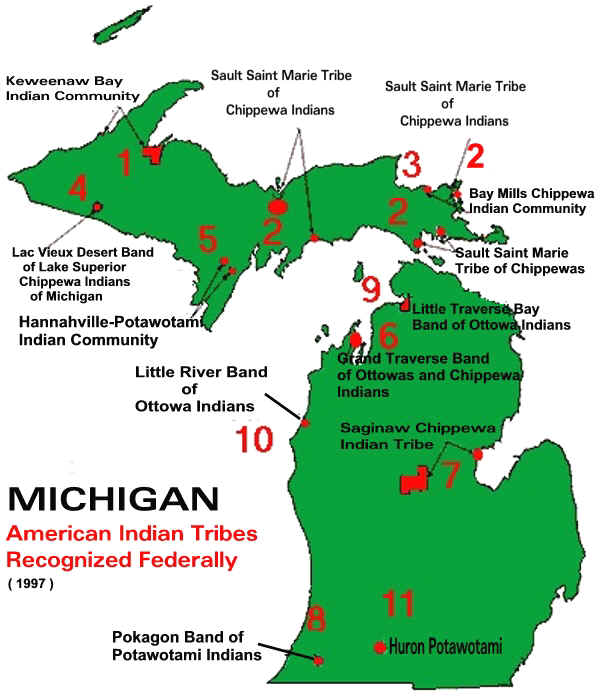

Michigan is unique in being home to 12 distinct federally recognized Native American tribes. Each possesses its own unique history, traditions, and governmental structure, yet all share a common thread of resilience and commitment to their heritage. These tribes collectively contribute significantly to the state’s cultural, social, and economic fabric.
The Bay Mills Indian Community, located in Michigan’s Upper Peninsula along Lake Superior, is one of the oldest continuous communities in the region. They are known for their strong cultural ties, particularly to fishing and traditional ways of life, and operate the Bay Mills Resort & Casino.
The Grand Traverse Band of Ottawa and Chippewa Indians, situated near Traverse City, is a thriving community with a significant presence in the region. They are dedicated to preserving their Anishinaabemowin language and culture, while also engaging in diverse economic development initiatives, including the Turtle Creek Casino & Hotel.
The Hannahville Indian Community, located in the Upper Peninsula near Escanaba, is primarily comprised of Potawatomi people. They are well-known for their successful gaming enterprise, Island Resort & Casino, and their commitment to community development and cultural programs.
The Keweenaw Bay Indian Community, nestled on the beautiful Keweenaw Bay of Lake Superior in the Upper Peninsula, consists of both Lake Superior Chippewa (Ojibwe) and L’Anse Band of Ojibwe. They are deeply connected to their ancestral lands and waters, focusing on natural resource management and cultural preservation.
The Lac Vieux Desert Band of Lake Superior Chippewa Indians is located in the western Upper Peninsula, near the Wisconsin border. This community emphasizes cultural revitalization and economic independence, operating the Lac Vieux Desert Resort Casino and actively managing their natural resources.
The Little River Band of Ottawa Indians, based in Manistee, represents a vibrant Odawa community. They are actively engaged in language preservation, cultural education, and economic diversification, including the Little River Casino Resort, to support their tribal members and the wider community.
The Little Traverse Bay Bands of Odawa Indians, headquartered in Petoskey, are descendants of the historic Odawa people of the Great Lakes. They are committed to cultural preservation, self-governance, and economic development, which includes the Odawa Casino Resort.
The Match-E-Be-Nash-She-Wish Band of Pottawatomi Indians, often known as the Gun Lake Tribe, is located in Allegan County. They have experienced significant growth and success, particularly through their Gun Lake Casino, which supports numerous tribal programs and services.
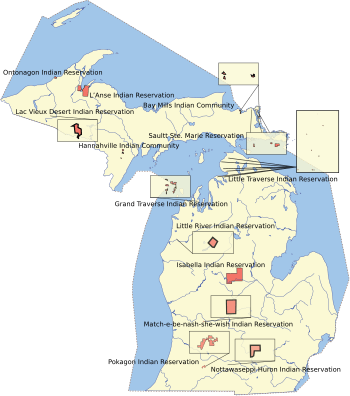

The Nottawaseppi Huron Band of Potawatomi, located near Battle Creek, is a thriving community focused on cultural resurgence and economic self-sufficiency. Their FireKeepers Casino Hotel is a major regional employer and contributor to the local economy.
The Pokagon Band of Potawatomi Indians, with lands spanning both Michigan and Indiana, is a significant presence in the southwestern part of the state. They are known for their strong cultural identity, historic treaties, and successful Four Winds Casinos.
The Saginaw Chippewa Indian Tribe of Michigan, headquartered in Mt. Pleasant, is one of the largest tribes in the state. They are dedicated to education, healthcare, and cultural preservation, operating the Soaring Eagle Casino & Resort, a cornerstone of their economic development.
Finally, the Sault Ste. Marie Tribe of Chippewa Indians is the largest federally recognized tribe in Michigan and one of the largest in the United States. With a broad service area across seven counties in the Upper Peninsula, they operate numerous enterprises, including the Kewadin Casinos, and provide extensive services to their members.
The economic impact of Michigan’s tribal nations extends far beyond gaming, though casinos are often the most visible aspect. Tribal enterprises generate billions of dollars annually, creating tens of thousands of jobs for both tribal members and non-Natives. These revenues are reinvested into tribal communities, funding essential services.
These services include healthcare facilities, educational institutions, elder care programs, housing initiatives, and infrastructure improvements. This self-generated funding significantly reduces reliance on federal and state assistance, demonstrating the power of self-determination and economic sovereignty.
Beyond gaming, tribes are diversifying their economies into sectors like hospitality, manufacturing, telecommunications, retail, and natural resource management. This diversification strengthens their economic resilience and creates more opportunities for future generations.
Cultural preservation is a paramount focus for all Michigan tribes. Efforts include revitalizing the Anishinaabemowin language (Ojibwe, Odawa, Potawatomi dialects) through immersion schools and language programs. Traditional arts, storytelling, music, and dance are also integral to maintaining cultural identity.
Many tribes host annual powwows, open to the public, which are vibrant celebrations of Native American culture, featuring traditional dancing, drumming, and singing. These events offer invaluable opportunities for cultural exchange and education.
As stewards of their ancestral lands, Michigan’s tribal nations play a critical role in environmental protection and natural resource management. Their traditional ecological knowledge, passed down through generations, informs sustainable practices for forestry, fisheries, and water quality.
Tribes often work in collaboration with state and federal agencies on conservation efforts, advocating for the protection of sacred sites and vital ecosystems. Their commitment to the environment is deeply rooted in their cultural values and respect for Mother Earth.
The legal framework governing tribal nations is complex, rooted in federal Indian law, treaties, and tribal constitutions. Tribal courts operate within their sovereign jurisdictions, addressing civil and, in some cases, criminal matters involving tribal members and non-members on tribal lands.
Understanding the jurisdictional nuances is important. While tribal lands are within the geographical boundaries of Michigan, they are not subject to the full extent of state law. Instead, a unique interplay of tribal, federal, and sometimes state law applies.
A common question often arises: What is the difference between a reservation and tribal land? Historically, ‘reservations’ were lands set aside by treaty or executive order for Native American tribes. Today, while many tribes still have reservations, the term ‘tribal lands’ is often used more broadly to encompass all lands owned by a tribe, whether held in trust by the federal government or owned in fee simple by the tribe.
All federally recognized tribes in Michigan have some form of tribal land base, which may include trust lands (held by the federal government for the benefit of the tribe) and fee lands (owned directly by the tribe). The core concept remains the same: these are sovereign lands governed by tribal nations.
How many federally recognized tribes are in Michigan? As detailed, there are 12 federally recognized Native American tribes in Michigan. Each has a unique governmental structure, history, and cultural identity.
What economic contributions do Michigan’s tribes make? Beyond the direct revenue from gaming and other enterprises, tribes contribute significantly through job creation, charitable giving, infrastructure development, and local tax revenues (e.g., property taxes on fee lands, sales taxes collected by tribal businesses). Their economic activities create a substantial ripple effect throughout the state.
Can non-Natives visit tribal lands or casinos? Absolutely. Tribal casinos, resorts, and many cultural events (like public powwows) are open to the general public. When visiting tribal lands, it is essential to show respect for tribal laws, customs, and property. Treat tribal communities with the same respect you would any other community.
What are treaty rights? Treaty rights are specific rights, such as hunting, fishing, and gathering, reserved by Native American tribes in treaties with the U.S. government. These rights are legally binding and are often upheld by federal courts, reflecting the enduring sovereignty of tribal nations.
Many tribes offer cultural centers, museums, and educational programs designed to share their history and traditions with the wider public. Engaging with these resources is an excellent way to learn more and foster respectful relationships.
Michigan’s federally recognized tribal nations are not relics of the past but dynamic, self-governing entities shaping the present and future of the state. Their resilience, cultural richness, and economic contributions are invaluable assets.
Understanding and respecting their sovereignty, history, and ongoing contributions is not just about historical accuracy; it’s about fostering a more inclusive and informed Michigan. By recognizing the enduring presence and significance of these tribal nations, we enrich our collective understanding of this diverse state.
We encourage everyone to learn more about the specific tribes within Michigan, support their endeavors, and respectfully engage with their vibrant cultures. Their stories are an integral part of the Great Lakes story.
In summary, Michigan is home to 12 distinct federally recognized Native American tribes, each a sovereign nation with a rich history and culture. These tribes contribute significantly to Michigan’s economy and cultural landscape, operating under the principle of tribal sovereignty. Respectful engagement and understanding of their unique status and heritage are paramount for all residents and visitors to the state.


