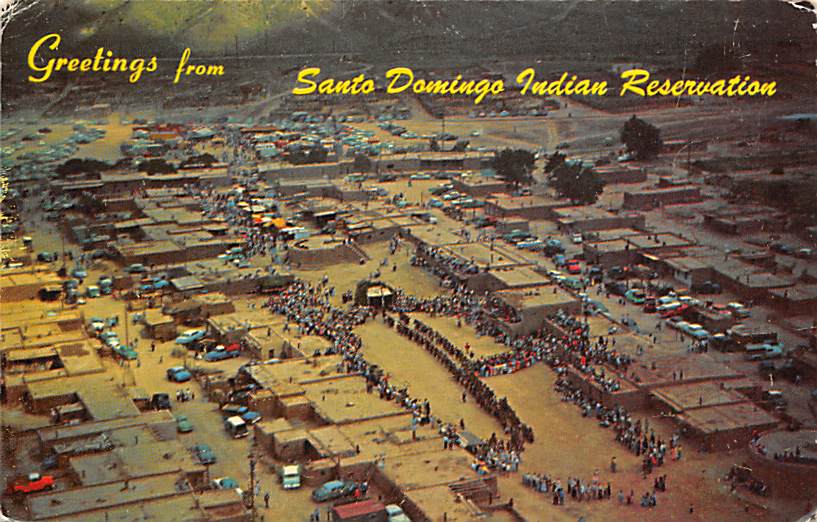

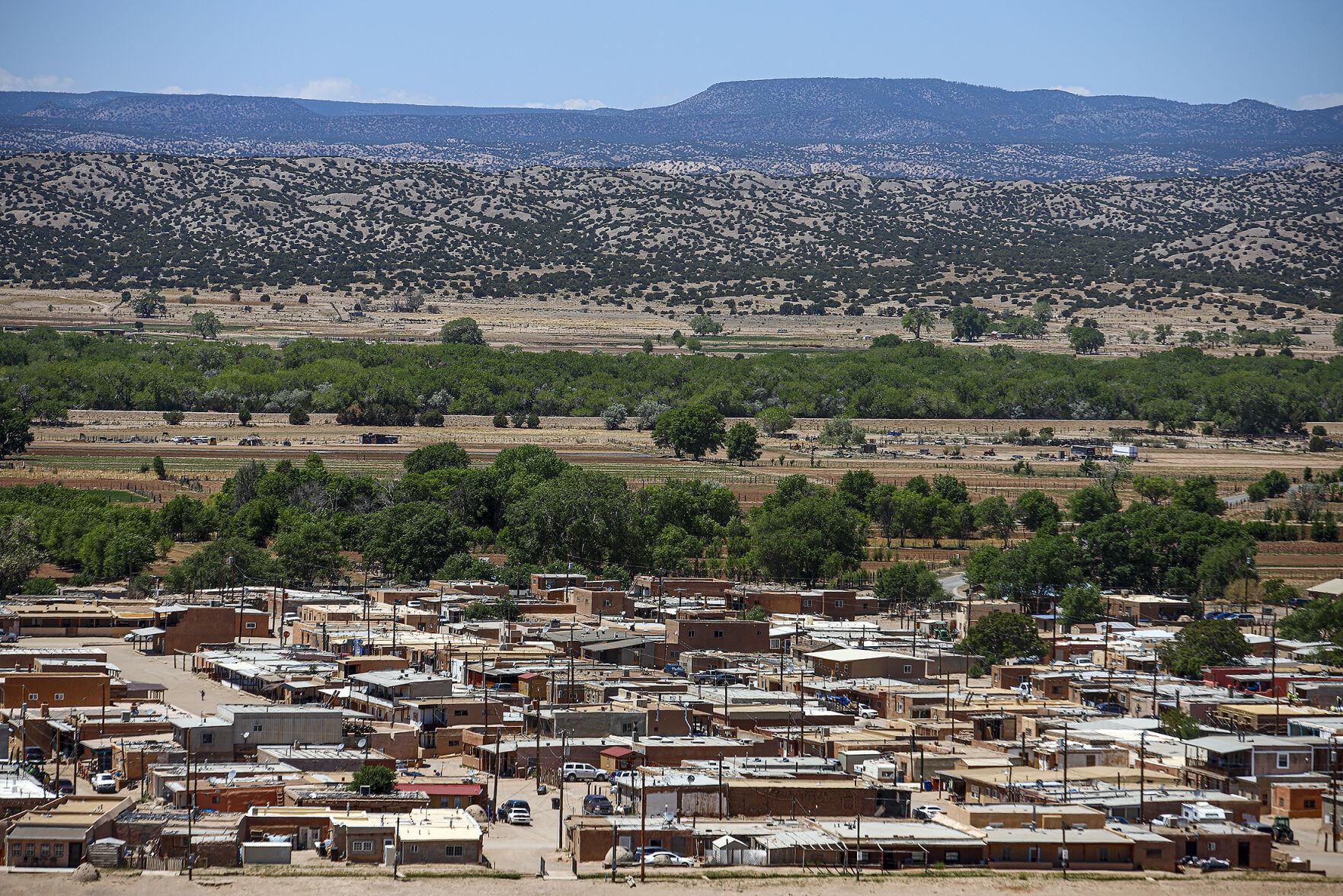
Nestled along the banks of the Rio Grande in central New Mexico, Santo Domingo Pueblo, officially known as Kewa Pueblo, stands as a vibrant testament to centuries of indigenous heritage and resilience. This ancient community, one of the nineteen Pueblos of New Mexico, offers a profound glimpse into a living culture that has meticulously preserved its traditions, language, and spiritual practices despite the tides of time and external influences.
For visitors and scholars alike, Santo Domingo Pueblo represents a unique opportunity to connect with a powerful legacy. Its people, the Kewa, are renowned for their profound connection to the land, their intricate artistic expressions, and their unwavering commitment to cultural continuity. This comprehensive guide will delve into the heart of Kewa Pueblo, exploring its storied past, its rich cultural tapestry, and what makes it such a significant beacon of Native American life.
The Ancient Roots of the Kewa People
The Kewa people have inhabited their ancestral lands for over a thousand years, with archaeological evidence pointing to continuous occupation long before European contact. Their lineage is deeply intertwined with the ancient Pueblo cultures that flourished across the American Southwest. The Kewa language, part of the Keresan language family, is a testament to their distinct identity among the various Pueblo tribes.
Their history is one of adaptation and perseverance. Situated in a fertile valley, the Kewa developed sophisticated agricultural techniques, cultivating corn, beans, and squash, which formed the bedrock of their sustenance and cultural practices. Their traditional dwellings, built from adobe, reflect an architectural wisdom perfectly suited to the desert environment, providing cool interiors in summer and warmth in winter.
Encounter with the Spanish and Beyond
The arrival of the Spanish in the late 16th century marked a significant turning point for all Pueblo peoples, including the Kewa. While introducing new technologies, crops, and religious practices, Spanish colonization also brought oppression and conflict. The Pueblos, including Santo Domingo, played a pivotal role in the Pueblo Revolt of 1680, a unified uprising that temporarily expelled the Spanish from New Mexico, demonstrating their fierce independence and collective strength.
Following the Spanish reconquest, Santo Domingo Pueblo maintained a delicate balance, selectively integrating new influences while steadfastly safeguarding its core spiritual and social structures. This period forged a resilient character within the community, one that continues to define its approach to cultural preservation in the modern era.
A Culture Woven in Tradition: Art, Language, and Governance
Kewa culture is a vibrant tapestry, rich with unique expressions. The Keresan language remains central to daily life and ceremonial practices, passed down through generations. Traditional governance, led by spiritual leaders and a tribal council, ensures that decisions are made in harmony with ancestral values and community well-being.
Artistic Expressions: World-Renowned Crafts
- Pottery: Santo Domingo Pueblo is internationally acclaimed for its distinctive pottery. Characterized by striking black-on-cream designs, often featuring geometric patterns, birds, and floral motifs, Kewa pottery is hand-coiled, stone-polished, and traditionally fired outdoors. Each piece tells a story, reflecting the artist’s connection to their heritage and the natural world.
- Heishi Jewelry: Perhaps the most iconic craft of Santo Domingo Pueblo is heishi (pronounced ‘hee-shee’), which means ‘shell’ in Keresan. This ancient art form involves meticulously cutting, grinding, and polishing tiny shell or stone beads, then stringing them into intricate necklaces. Authentic Kewa heishi is renowned for its smooth, uniform texture and timeless elegance, often featuring turquoise, jet, and various shells.
- Silversmithing: While pottery and heishi are primary, many Kewa artisans also create beautiful silverwork, often incorporating turquoise and other natural stones, further enriching the Pueblo’s artistic legacy.
The Heartbeat of the Pueblo: Ceremonies and Dances
Ceremonial life is the spiritual anchor of Santo Domingo Pueblo. These sacred events, often closed to the public, are vital for maintaining the community’s spiritual connection to the earth, their ancestors, and the cycles of life. However, certain public dances and feast days offer respectful visitors a rare opportunity to witness aspects of this profound cultural expression.
The Corn Dance: A Celebration of Life and Harvest

The most famous and widely attended public event is the annual Corn Dance (also known as the Feast of Santo Domingo), held on August 4th. This spectacular, all-day event features hundreds of dancers, drummers, and singers adorned in traditional attire. The Corn Dance is a powerful prayer for rain, good harvests, and the well-being of the community. It is a mesmerizing display of spiritual devotion, communal unity, and artistic beauty, drawing thousands of visitors from around the world.
Life in the Community: Economy and Modernity
Today, the Kewa people balance traditional ways of life with modern necessities. Agriculture continues to play a role, alongside a growing emphasis on arts and crafts as economic drivers. Many families rely on the sale of their pottery, heishi jewelry, and other crafts to support themselves, continuing a tradition of entrepreneurship that dates back centuries.
The Pueblo government actively works to provide essential services to its members, including education, healthcare, and infrastructure development, while striving to create economic opportunities that align with Kewa values and promote self-sufficiency. Educational initiatives often focus on preserving the Keresan language and cultural knowledge among younger generations.
Visiting Santo Domingo Pueblo: Guidelines for Respectful Engagement
Santo Domingo Pueblo welcomes respectful visitors who are genuinely interested in learning about and appreciating Kewa culture. However, it is crucial to remember that this is a living community, not a tourist attraction. Adherence to Pueblo etiquette and rules is paramount to ensure a positive experience for both visitors and residents.
- Photography and Recording: Photography, sketching, and recording are strictly prohibited unless explicit permission is granted by the tribal government. This rule is particularly important during ceremonies and dances.
- Respect Private Homes: Do not enter private homes or restricted areas.
- Dress Modestly: When attending public events, dress modestly and respectfully.
- Ask Permission: If you wish to interact with an artisan or ask questions, always do so politely and be prepared for them to decline.
- Support Local Artisans: Purchase crafts directly from the artists; this directly supports the Kewa economy and ensures authenticity.
The annual Corn Dance on August 4th is the primary public event. Other smaller feast days and events may occur throughout the year, but visitors should always check with the Pueblo’s official channels for public access information.
People Also Ask: Common Questions About Santo Domingo Pueblo
What is Santo Domingo Pueblo known for?
Santo Domingo Pueblo is most famous for its exquisite heishi jewelry, intricate pottery with distinctive black-on-cream designs, and the spectacular annual Corn Dance (Feast of Santo Domingo) held on August 4th, which is one of the largest and most vibrant public Pueblo dances.
Can you visit Santo Domingo Pueblo?
Yes, visitors are generally welcome, especially during public events like the Corn Dance. However, it is essential to visit with respect, adhere to all posted rules and regulations, and understand that many areas and ceremonies are private and not accessible to the public. Always inquire about photography policies, as they are often very strict.
What language is spoken at Santo Domingo Pueblo?
The primary indigenous language spoken at Santo Domingo Pueblo is Keres, often referred to as Keresan. English is also widely spoken, especially in interactions with visitors and for official business.
What tribe is Santo Domingo Pueblo?
Santo Domingo Pueblo is home to the Kewa people, a federally recognized Native American tribe. They are one of the nineteen Pueblo tribes located in New Mexico, sharing cultural and historical ties with other Keresan-speaking Pueblos.
Santo Domingo Pueblo is located in north-central New Mexico, approximately 30 miles southwest of Santa Fe and 35 miles northeast of Albuquerque, situated along the Rio Grande within the Rio Grande Valley.
What is the population of Santo Domingo Pueblo?
The population of Santo Domingo Pueblo fluctuates, but it is one of the larger Pueblos in New Mexico, with several thousand enrolled members, a significant portion of whom reside on the reservation.
Challenges and the Future: Preserving Kewa Heritage
Like many indigenous communities, Santo Domingo Pueblo faces the ongoing challenge of balancing cultural preservation with the pressures of the modern world. Issues such as economic development, resource management, and maintaining ancestral lands are critical. The Pueblo actively works to ensure that its youth are educated in both traditional Kewa ways and contemporary skills, preparing them to lead the community into the future while honoring their rich past.
Efforts to revitalize the Keresan language, promote traditional arts, and protect sacred sites are central to the Pueblo’s vision. By fostering self-determination and cultural pride, Santo Domingo Pueblo continues to be a powerful example of indigenous resilience and the enduring strength of community.
Conclusion: A Living Legacy of Culture and Spirit
Santo Domingo Pueblo, or Kewa Pueblo, is far more than just a historical site; it is a vibrant, living culture that continues to thrive and evolve. Its people, the Kewa, embody a profound connection to their ancestral lands, their language, and their spiritual heritage. From the exquisite craftsmanship of their pottery and heishi jewelry to the awe-inspiring spectacle of the Corn Dance, every facet of Kewa life speaks to a deep-rooted identity and an unwavering commitment to tradition.
A visit to Santo Domingo Pueblo offers a rare and valuable opportunity to witness the strength of indigenous culture in action. By approaching with respect, an open mind, and a willingness to learn, visitors can gain a deeper appreciation for the enduring legacy of the Kewa people and their vital contribution to the cultural mosaic of New Mexico and the world.


