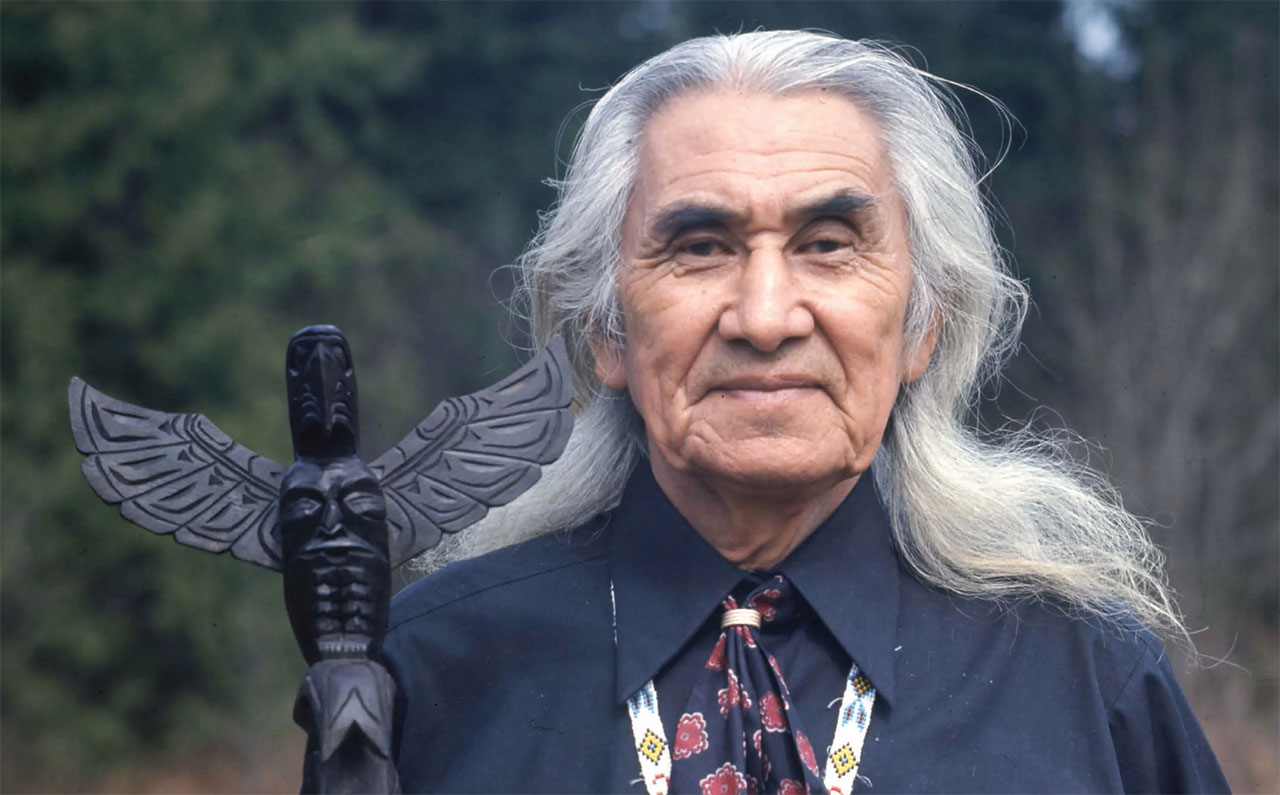

Echoes of the Sacred: The Enduring Legacy of Native American Spiritual Leaders
In the rich tapestry of Native American history, interwoven with tales of resilience, profound connection to the land, and unwavering cultural identity, stand figures whose influence transcended the mundane: the spiritual leaders. These were not merely religious figures in the Western sense, but rather the heartbeats of their communities, guiding lights in times of peace, powerful protectors in conflict, and repositories of ancestral wisdom. Their stories, often etched in the oral traditions of their people, speak of a profound sacred relationship with the natural world, a responsibility to the unseen, and an unyielding commitment to the well-being of their nations.
From the ancient medicine men and women who healed bodies and souls, to the visionaries who inspired resistance against overwhelming colonial forces, Native American spiritual leaders historically held positions of immense respect and authority. Their roles were multifaceted, encompassing healing, prophecy, ceremony, storytelling, and often, political counsel. Unlike the often-compartmentalized structure of Western religion, Native spirituality was, and for many still is, an integral thread woven through every aspect of daily life, governance, and interaction with the environment.
Before European contact, spiritual leaders were the keepers of the sacred hoop – the interconnectedness of all life. They interpreted dreams and visions, led communal ceremonies like the Sun Dance or the Potlatch, and guided individuals through rites of passage. Their knowledge of medicinal plants, astronomy, and the cycles of nature was unparalleled, making them indispensable to the survival and flourishing of their communities. The arrival of European settlers, however, brought not only disease and land theft but also a concerted effort to dismantle these spiritual traditions, viewed as "pagan" or "savage." Yet, it was precisely in the face of this existential threat that the power and resilience of these spiritual leaders shone brightest.
One of the most poignant examples of a spiritual leader guiding his people through an epochal shift is Smohalla (c. 1815–1907) of the Wanapum people. Living in the Pacific Northwest during the intense pressure of American expansion, Smohalla preached the "Dreamer Religion," urging his followers to reject the ways of the white man – farming, education, and Christianity – and return to traditional ways of life, particularly hunting and gathering. His message was one of profound reverence for the Earth: "My young men shall never work. Men who work cannot dream; and wisdom comes to us in dreams." He believed the land was sacred and should not be disturbed by the plow, declaring, "You ask me to plow the ground! Shall I take a knife and tear my mother’s bosom? Then, when I die, she will not take me to her bosom to rest. You ask me to dig for stone! Shall I dig under her skin for her bones? Then, when I die, I cannot enter her body to be at rest. You ask me to cut grass and make hay and sell it, and be rich like white men! But how dare I cut off my mother’s hair?" Smohalla’s teachings offered a spiritual bulwark against assimilation, emphasizing the sanctity of the land and the integrity of ancestral practices.
Further east, in the Great Plains, spiritual leadership often intertwined with military strategy and political resistance. Sitting Bull (c. 1831–1890), the Hunkpapa Lakota holy man and chief, is perhaps one of the most iconic figures. Revered for his profound spiritual insights, Sitting Bull’s visions often guided his people’s actions. Before the Battle of Little Bighorn in 1876, he performed a Sun Dance, receiving a vision of U.S. soldiers falling upside down into the Lakota camp, a prophecy interpreted as a victory for his people. This vision inspired the Lakota and Cheyenne warriors, contributing to one of the most significant Native American victories against the U.S. military. Sitting Bull was not merely a warrior; he was a steadfast spiritual guardian of his people’s ways. His words, "Let us put our minds together and see what life we can make for our children," reflect his holistic vision for the future, rooted in collective wisdom and spiritual guidance. Even in exile and on the reservation, he remained a powerful spiritual figure, resisting attempts to convert him and maintaining the sacred ceremonies.

The late 19th century saw another powerful spiritual movement emerge, born from desperation and hope: the Ghost Dance. Its prophet was Wovoka (c. 1856–1932), a Paiute spiritual leader from Nevada. In 1889, during a solar eclipse, Wovoka experienced a vision where he claimed to have visited the spirit world and spoken with God. He brought back a message of peace, love, and the imminent return of the ancestors, the disappearance of the white man, and the restoration of the buffalo and traditional lands. To hasten this spiritual renewal, followers were to perform a specific dance – the Ghost Dance – and live lives free of alcohol, violence, and theft. The Ghost Dance quickly spread across numerous tribes, offering a spiritual balm and a hope for deliverance amidst crushing poverty and cultural loss.
However, the U.S. government viewed the Ghost Dance as a dangerous, seditious movement. The fear and misunderstanding culminated tragically in the Wounded Knee Massacre in December 1890, where hundreds of unarmed Lakota, many of whom were Ghost Dancers, were killed by the U.S. Army. Wounded Knee stands as a grim testament to the destructive power of colonial fear and the profound spiritual yearning of a people facing annihilation. Despite the massacre, Wovoka’s message of spiritual renewal, peace, and cultural preservation continued to resonate, albeit in more subdued forms.
The policy of forced assimilation, epitomized by boarding schools designed to "kill the Indian to save the man," and the outright banning of traditional ceremonies like the Sun Dance and Potlatch, pushed spiritual practices underground. Yet, the spiritual flame was never extinguished. Elders continued to pass down knowledge in secret, often at great personal risk. The profound spiritual connection to land, ceremony, and community remained a core aspect of Native identity, even when it could not be openly practiced.
In the 20th century, as Native peoples began to assert their rights and cultural identity more forcefully, spiritual leaders again stepped forward, not only to revive dormant traditions but also to advocate for religious freedom. Black Elk (1863–1950), an Oglala Lakota holy man, became a pivotal figure in conveying the depth of Native American spirituality to the outside world through the book Black Elk Speaks. His profound visions, experienced from childhood, spoke of the sacred hoop of the world, the four directions, and the responsibility to heal his nation. Though he later converted to Catholicism, he continued to practice and advocate for his traditional Lakota spirituality, seeing connections between the two paths. His powerful words, "I was standing on the highest mountain of them all, and round about beneath me was the whole hoop of the world," offered a glimpse into a spiritual worldview that deeply resonated with many, both Native and non-Native.
The American Indian Religious Freedom Act (AIRFA) of 1978, while imperfect, marked a significant turning point, affirming the right of Native Americans to practice their traditional religions. This legislation was a direct result of decades of activism and the persistent efforts of spiritual leaders and their allies who fought to reclaim their sacred sites, ceremonial objects, and the freedom to perform their rites without fear of persecution.
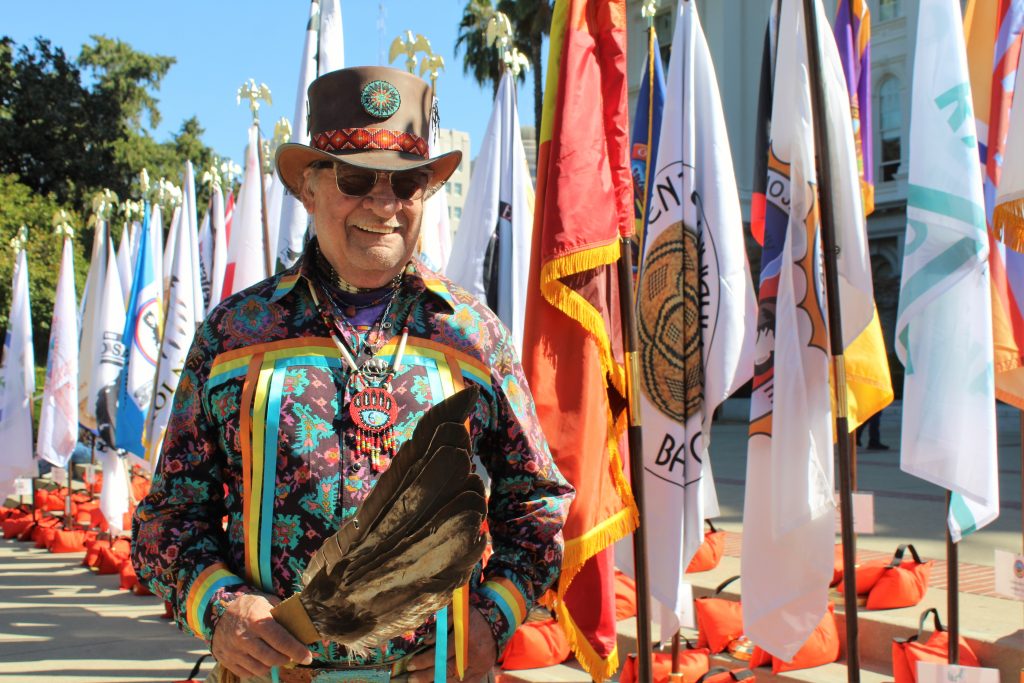
Today, the legacy of these historical spiritual leaders continues to inspire. Their teachings on interconnectedness, stewardship of the Earth, community responsibility, and the power of vision are more relevant than ever. Modern Native American spiritual leaders, often descendants of those who faced down assimilation, carry forward the sacred pipes, lead the ceremonies, teach the languages, and tell the stories that ensure the continuity of their cultures. They are at the forefront of movements for environmental justice, land back initiatives, and the healing of historical trauma, drawing strength from the wisdom passed down through generations.
The historical Native American spiritual leaders were not just figures of the past; they laid the groundwork for the enduring resilience and cultural vibrancy of Indigenous peoples. Their lives were testaments to the power of faith, the strength of tradition, and the unyielding human spirit in the face of profound adversity. Their echoes resonate in every drumbeat, every prayer offered to the four directions, and every story told, reminding us of the sacred thread that binds humanity to the Earth and to each other. Their legacy is a living testament to the truth that true spiritual power can never be fully suppressed, only transformed and reborn.