
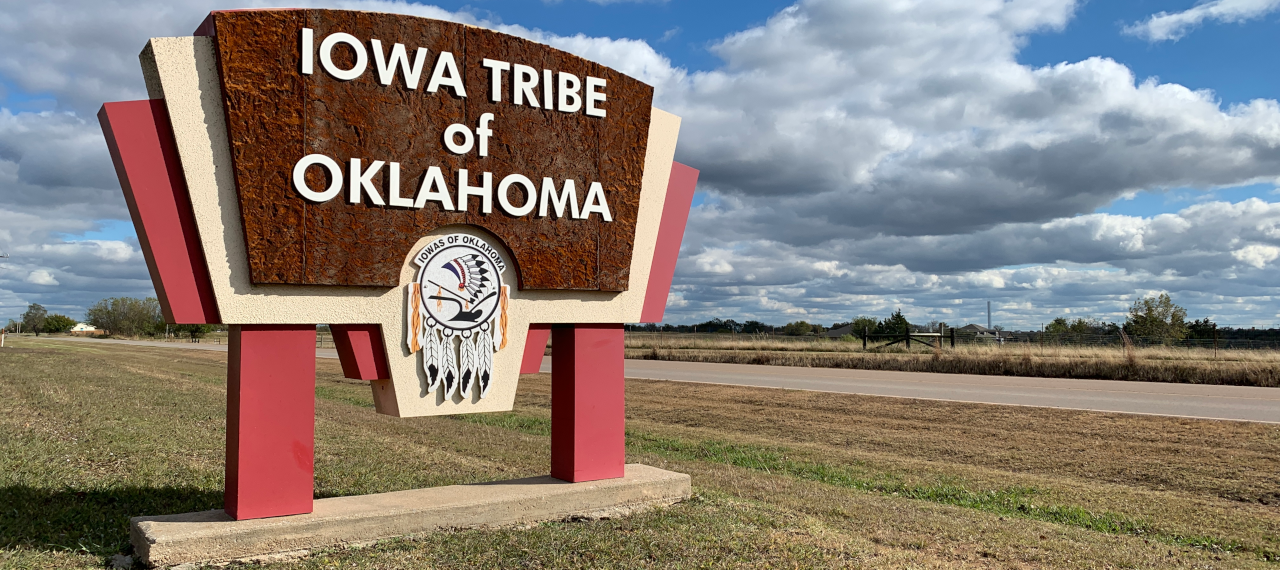
The Iowa Tribe of Oklahoma, also known as the Báxoje, carries a legacy that stretches back centuries. Understanding their reservation is crucial to appreciating their vibrant culture and ongoing journey. This article offers an in-depth exploration of the Iowa Tribe of Oklahoma Reservation, covering its history, governance, cultural practices, and contemporary challenges and opportunities.
Historical Overview of the Iowa Tribe
The Iowa people originated in the Great Lakes region, eventually migrating to the Mississippi Valley. Their name, believed to be derived from the Dakota word “Ayuxwa,” meaning “sleepy ones,” hints at a complex history of interactions with other tribes. Before European contact, the Iowa were primarily an agricultural society, cultivating crops like corn, beans, and squash. They also relied on hunting and gathering to sustain their communities.
Early Interactions and Treaties
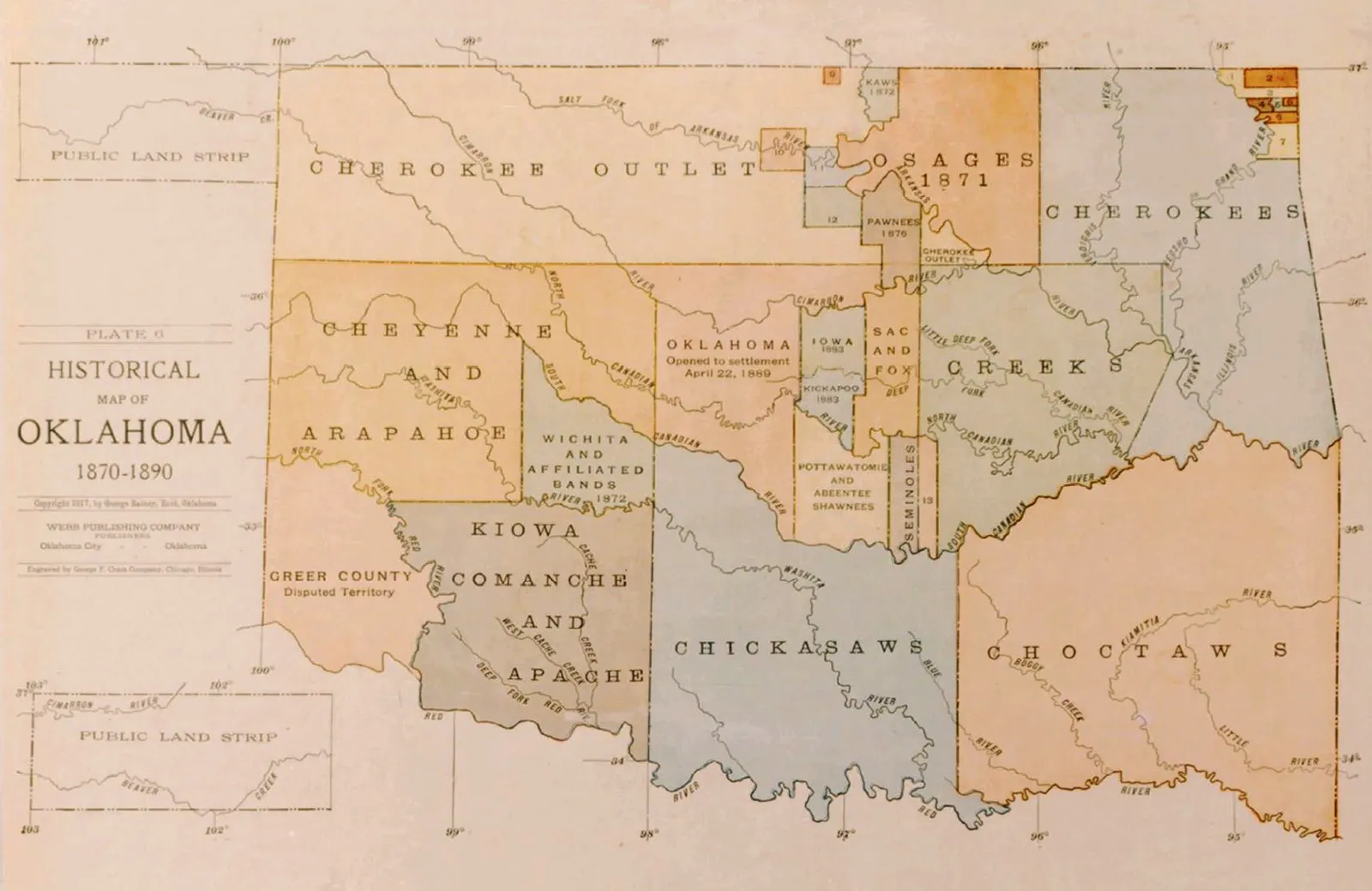
European contact brought significant changes to the Iowa way of life. Treaties with the U.S. government in the 19th century led to the cession of their ancestral lands and forced relocation. The tribe was initially moved to a reservation in Kansas and Nebraska before eventually settling in Oklahoma.
The Move to Oklahoma

In the late 19th century, the Iowa Tribe was relocated to Indian Territory, now Oklahoma. This relocation was part of the U.S. government’s policy of consolidating tribes onto smaller parcels of land. The Dawes Act of 1887 further impacted the tribe by allotting communal lands to individual members, leading to the loss of tribal land and the erosion of traditional social structures.
The Iowa Tribe of Oklahoma Reservation: A Closer Look
Today, the Iowa Tribe of Oklahoma Reservation serves as a vital center for tribal members. It is not merely a geographical location but a symbol of resilience and cultural preservation. The reservation encompasses land held in trust by the U.S. government for the benefit of the tribe.
Location and Geography
The Iowa Tribe of Oklahoma Reservation is located in portions of Payne, Lincoln and Logan Counties in central Oklahoma. The landscape is characterized by rolling plains, woodlands, and waterways, providing a diverse environment that has historically supported the tribe’s way of life.
Governance and Tribal Government
The Iowa Tribe of Oklahoma operates under a constitution that establishes its governing structure. The tribal government consists of an elected Tribal Council, which is responsible for making decisions on behalf of the tribe. The Principal Chief serves as the executive leader, overseeing the day-to-day operations of the tribal government.
Key Departments and Services
- Health Services: Operating clinics and health programs to ensure access to medical care.
- Education Department: Providing scholarships, educational resources, and cultural programs for youth.
- Housing Authority: Managing housing programs and assisting tribal members with homeownership.
- Social Services: Offering support and assistance to families and individuals in need.

Culture and Traditions of the Iowa Tribe
Despite the challenges of displacement and assimilation, the Iowa Tribe has maintained a strong connection to its cultural heritage. Traditional practices, language, and ceremonies continue to play a vital role in tribal life.
Language Preservation
The Iowa language, part of the Siouan language family, is an essential aspect of tribal identity. Language revitalization efforts are underway to preserve and promote the language among younger generations. These efforts include language classes, immersion programs, and the documentation of traditional stories and songs.
Ceremonies and Celebrations
Ceremonies and celebrations are integral to Iowa culture, marking important events and honoring tribal traditions. Annual powwows bring tribal members together to celebrate their heritage through dance, music, and traditional regalia. These gatherings provide opportunities for cultural transmission and community bonding.
Arts and Crafts
Traditional arts and crafts are also important expressions of Iowa culture. Beadwork, pottery, and traditional clothing reflect the tribe’s artistic skills and cultural values. These crafts are often passed down through generations, ensuring the continuity of traditional knowledge.
Economic Development and Opportunities
Tribal Enterprises
The tribe operates various enterprises, such as casinos, hotels, and convenience stores, which generate revenue for tribal programs and services. These businesses provide employment opportunities for tribal members and contribute to the local economy.
Natural Resources Management
The Iowa Tribe manages its natural resources, including land, water, and minerals, in a sustainable manner. Resource management practices are guided by traditional ecological knowledge and a commitment to environmental stewardship.
Partnerships and Collaborations
The tribe collaborates with other tribes, government agencies, and private organizations to pursue economic development opportunities. These partnerships can lead to new businesses, infrastructure improvements, and access to resources.
Contemporary Challenges and Issues
Like many Native American tribes, the Iowa Tribe of Oklahoma faces ongoing challenges related to poverty, healthcare, education, and cultural preservation. Addressing these challenges requires a multifaceted approach that combines tribal resources, government support, and community involvement.
Healthcare Disparities
Access to quality healthcare remains a significant concern for many tribal members. Factors such as poverty, geographic isolation, and historical trauma contribute to health disparities. The tribe works to improve healthcare access through its health clinics and partnerships with healthcare providers.
Educational Attainment
Improving educational outcomes is a priority for the Iowa Tribe. The tribe provides scholarships, tutoring programs, and cultural enrichment activities to support students at all levels of education. Efforts are also focused on increasing high school graduation rates and college enrollment.
Cultural Preservation
Preserving the Iowa language and culture is an ongoing challenge. The tribe supports language revitalization programs, cultural events, and educational initiatives to ensure that future generations have the opportunity to learn about their heritage.
Tourism and Cultural Engagement
Tribal Museums and Cultural Centers
Visiting tribal museums and cultural centers can provide insights into the history, culture, and traditions of the Iowa Tribe. These institutions often feature exhibits, artifacts, and educational programs that showcase the tribe’s rich heritage.
Powwows and Cultural Events
Attending powwows and cultural events offers a chance to experience Iowa culture firsthand. Visitors can witness traditional dances, music, and regalia and learn about the significance of these cultural expressions.
Supporting Tribal Businesses
Supporting tribal businesses, such as casinos, hotels, and craft shops, contributes to the economic well-being of the Iowa Tribe. By patronizing these businesses, visitors can help support tribal programs and services.
Conclusion: Honoring the Legacy of the Iowa Tribe
The Iowa Tribe of Oklahoma Reservation is more than just a geographical location; it is a symbol of resilience, cultural preservation, and self-determination. By understanding the tribe’s history, culture, and contemporary challenges, we can better appreciate its contributions to Oklahoma and the nation. The Iowa Tribe’s ongoing efforts to preserve its language, culture, and traditions serve as an inspiration to all who seek to honor and celebrate the diversity of Native American heritage. Continued support and collaboration are essential to ensuring a bright future for the Iowa Tribe of Oklahoma and its members.
The Iowa Tribe of Oklahoma’s journey reflects a broader narrative of Native American resilience and cultural preservation. Their story is a testament to the enduring strength of their community and their commitment to safeguarding their heritage for future generations.
This exploration provides a comprehensive overview of the Iowa Tribe of Oklahoma Reservation, covering its history, governance, cultural practices, and contemporary issues. By understanding these aspects, we can gain a deeper appreciation for the tribe’s contributions and challenges.
Further Research
For those interested in delving deeper into the history and culture of the Iowa Tribe, numerous resources are available. Academic journals, tribal websites, and historical archives offer a wealth of information. Engaging with tribal members and attending cultural events can also provide valuable insights.
Understanding Tribal Sovereignty
A key aspect of understanding the Iowa Tribe of Oklahoma is recognizing their sovereign status. As a federally recognized tribe, they possess inherent rights to self-governance and the management of their affairs. Respecting tribal sovereignty is crucial for fostering positive relationships and supporting the tribe’s efforts to thrive.
The Importance of Collaboration
Addressing the challenges faced by the Iowa Tribe requires collaboration between tribal, federal, state, and local entities. By working together, these entities can leverage resources and expertise to support the tribe’s goals and improve the well-being of its members. Such collaboration is essential for creating a more equitable and prosperous future for all.
Iowa Tribe: People Also Ask
What is the Iowa Tribe of Oklahoma known for?
The Iowa Tribe of Oklahoma is known for its rich cultural heritage, including its traditional language, ceremonies, and artistic traditions. They are also recognized for their economic development initiatives and their commitment to self-governance.
How is the Iowa Tribe of Oklahoma governed?
The Iowa Tribe of Oklahoma is governed by an elected Tribal Council, which is responsible for making decisions on behalf of the tribe. The Principal Chief serves as the executive leader, overseeing the day-to-day operations of the tribal government.
What services does the Iowa Tribe of Oklahoma provide to its members?
The Iowa Tribe of Oklahoma provides a wide range of services to its members, including healthcare, education, housing, and social services. These services are designed to address the needs of the community and promote its well-being.
How can I learn more about the Iowa Tribe of Oklahoma?
You can learn more about the Iowa Tribe of Oklahoma by visiting tribal museums and cultural centers, attending powwows and cultural events, and supporting tribal businesses. Online resources, such as the tribe’s website and academic journals, also offer valuable information.


