

The Enduring Current: A Journey Through the History of Arizona’s Maricopa Tribe
In the sun-baked landscapes of Arizona, where the Gila and Salt Rivers carve ancient paths through the desert, lies a story of resilience, adaptation, and enduring cultural spirit. This is the history of the Maricopa Tribe, known to themselves as the Pee-Posh – "the people." Often linked in modern consciousness with their Akimel O’odham (Pima) neighbors, the Maricopa possess a distinct and vibrant heritage, a testament to their strength in the face of centuries of change, conflict, and colonial pressures. Their journey, marked by significant migrations, strategic alliances, and unwavering determination, paints a vivid picture of survival against the odds.
The roots of the Pee-Posh stretch back into the deep past, long before European contact reshaped the Americas. Unlike their Uto-Aztecan speaking O’odham neighbors, the Maricopa belong to the Yuman language family, placing their linguistic origins firmly in the lower Colorado River region, alongside tribes like the Quechan (Yuma) and Mohave. This linguistic distinction is a critical marker of their unique identity and early migratory patterns. Their traditional lifeways were deeply intertwined with the life-giving rivers. They were master agriculturalists, cultivating corn, beans, squash, and the iconic desert cotton through sophisticated irrigation systems, a practice that echoes the ancient Hohokam people who once flourished in the same river valleys.
"Our ancestors were river people," explains Sarah Antone, a cultural preservationist with Maricopa lineage. "The rivers were our roads, our grocery stores, our homes. Everything we needed came from the water and the land it nourished." Beyond farming, the Maricopa were renowned for their distinctive red-on-buff pottery, a craft that speaks to their artistic sensibilities and deep connection to the earth’s resources. Their vessels, often adorned with geometric patterns, were not merely utilitarian but carried the stories and spirits of their makers.
A pivotal chapter in Maricopa history, and one that profoundly shaped their destiny, was their gradual migration eastward from the lower Colorado River to the Gila and Salt River valleys. This movement, beginning perhaps as early as the 16th century and continuing into the 18th, was largely driven by escalating conflicts with aggressive neighboring Yuman tribes, particularly the Quechan and Mohave, who sought to dominate the lucrative trade routes along the Colorado. Faced with relentless pressure, the Pee-Posh made a strategic and ultimately life-saving decision: they sought refuge and forged an enduring alliance with the Akimel O’odham, who already occupied the Gila and Salt River territories.
This alliance, a remarkable example of inter-tribal cooperation, was not born of convenience but of shared values and mutual defense. The O’odham provided sanctuary and shared their extensive knowledge of the central Arizona desert, while the Maricopa brought their fierce warrior spirit and unique cultural contributions. Together, they formed a formidable bulwark against common enemies, defending their lands and way of life. This alliance cemented a bond that continues to this day, leading to the formation of the modern Salt River Pima-Maricopa Indian Community (SRPMIC) and the Gila River Indian Community (GRIC), where Maricopa people live alongside their O’odham relatives.
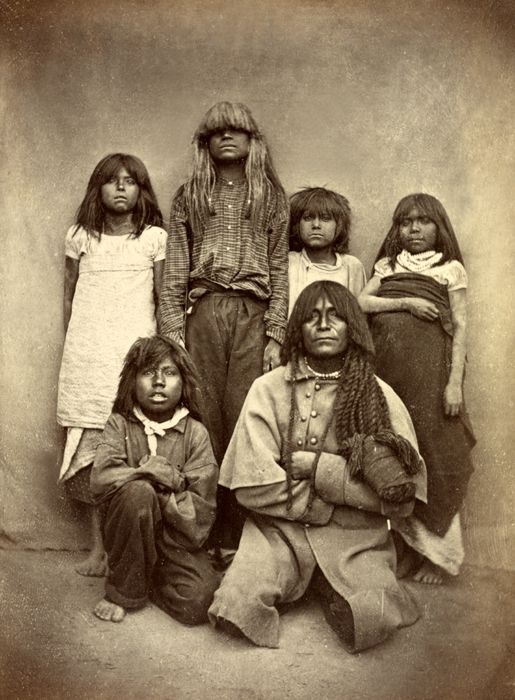

The arrival of European powers brought a new wave of challenges and transformations. Spanish explorers and missionaries, such as Padre Eusebio Kino in the late 17th century, were among the first non-Natives to encounter the Maricopa. While the Spanish had a more direct impact on other Arizona tribes, the Maricopa’s relatively remote location and strong alliance with the O’odham afforded them some degree of protection from immediate conquest. However, diseases introduced by Europeans, against which the Pee-Posh had no immunity, still took a devastating toll, significantly reducing their population.
The Mexican period (1821-1848) saw increasing encroachment on tribal lands, but it was the American annexation of the Southwest following the Mexican-American War that ushered in the most dramatic and disruptive era. The California Gold Rush of 1849 transformed the Gila River into a major overland trail for thousands of fortune-seekers. This influx of non-Native settlers brought unprecedented pressure on resources, particularly water, and introduced new forms of conflict and disease. The Maricopa, along with the O’odham, often served as guides and provided provisions to the American travelers, earning a reputation for hospitality and peace, even as their lands were steadily encroached upon.
The mid-19th century also saw the formalization of U.S. Indian policy, leading to the creation of reservations. The Gila River Indian Community was established in 1859, and the Salt River Pima-Maricopa Indian Community later in 1879. These reservations, while intended to protect tribal lands, often confined the Maricopa to a fraction of their ancestral territories, severing their connection to vital resources and traditional hunting and gathering grounds. The most devastating impact came from the diversion of the Gila River’s waters by non-Native settlers upstream, effectively turning the once-fertile riverbeds into parched desert.
"The loss of water was a wound that cut deep," reflects Robert Miguel, a Maricopa elder. "For generations, our lives revolved around the Gila. To see it dry up, to watch our fields wither – it was an attack on our very existence. Water is not just for drinking; it is the blood of our land, the spirit of our people." This period of acute hardship, marked by poverty, disease, and the systematic suppression of Native cultures through federal policies like forced assimilation and boarding schools, tested the Maricopa’s spirit to its limits. Children were taken from their homes, forbidden to speak their language or practice their traditions, in a brutal attempt to "kill the Indian to save the man."
Yet, through it all, the Maricopa endured. Their culture, though challenged, was never extinguished. Oral traditions continued, quietly passed down from elder to child. The Maricopa language, a unique Yuman tongue, survived, though its speakers dwindled to a precious few. Traditional crafts, particularly pottery, saw a quiet resurgence, with artisans meticulously recreating the ancient designs and techniques. The alliance with the O’odham remained strong, a shared history of struggle forging an unbreakable bond.
The mid-20th century marked a turning point, as the Maricopa, alongside other Native nations, began to assert their sovereignty and fight for self-determination. The Indian Reorganization Act of 1934 provided some tools for self-governance, but the true gains came through decades of legal battles for water rights, land claims, and the right to manage their own affairs.
Today, the Maricopa people thrive within the Salt River Pima-Maricopa Indian Community and the Gila River Indian Community, both of which are federally recognized sovereign nations. These communities are vibrant examples of self-governance, economic development, and cultural revitalization. The SRPMIC, located adjacent to Scottsdale, has become an economic powerhouse, strategically developing its land for resorts (like the iconic Talking Stick Resort), retail, and industrial enterprises, providing jobs and revenue that are reinvested into the community. The GRIC, one of the largest land-based communities in Arizona, has also pursued diverse economic ventures, while prioritizing the restoration of the Gila River’s flow and agricultural traditions.
Crucially, both communities are dedicated to preserving and promoting Maricopa culture and language. Language immersion programs, cultural centers, and tribal schools are working tirelessly to teach the Maricopa language to younger generations, ensuring its survival against the backdrop of historical suppression. Artisan guilds promote traditional pottery, basketry, and other crafts, connecting contemporary Maricopa people to their ancestral skills and aesthetic heritage.
The history of the Maricopa Tribe is a powerful narrative of survival, adaptability, and unwavering spirit. From their ancient riverine origins and strategic migration, through the tumult of colonial contact and the hardships of the reservation era, to their present-day status as thriving sovereign nations, the Pee-Posh have navigated immense challenges with grace and determination. Their story is not just a chapter in Arizona’s past; it is a living testament to the strength of Indigenous identity, a beacon of resilience that continues to illuminate the path forward for future generations. The current of their history, like the rivers that sustained them, flows onward, deep and strong.


