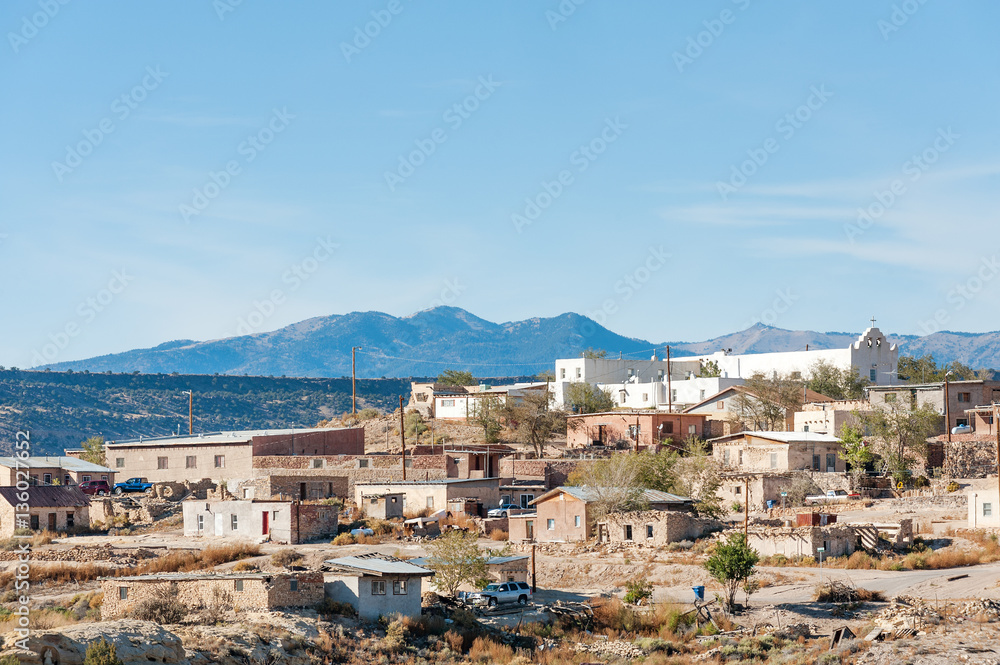

Nestled amidst the high desert landscapes of New Mexico, the Laguna Pueblo Reservation stands as a testament to enduring cultural heritage and profound historical depth. Home to the federally recognized Native American tribe, the Pueblo of Laguna, this vibrant community offers a rich tapestry woven from ancient traditions, significant historical events, and a forward-looking spirit.
For those seeking to understand the intricate story of indigenous peoples in the American Southwest, Laguna Pueblo presents a compelling narrative. It is a place where the past is honored, the present thrives, and the future is actively shaped by its people, maintaining a strong connection to their ancestral lands.
The Ancestral Roots of Laguna Pueblo
The origins of Laguna Pueblo are deeply rooted in the pre-Columbian era, with archaeological evidence suggesting human habitation in the region for thousands of years. The ancestors of the Laguna people, like many Pueblo groups, were skilled farmers, architects, and artisans, establishing complex communities long before European contact.
The Pueblo of Laguna itself was officially established in 1699, making it the youngest of the Keresan pueblos. Its formation was unique, drawing together various Keresan-speaking people, as well as some Tanoan and Zuni speakers, seeking refuge and new beginnings after the tumultuous period following the Spanish reconquest of New Mexico after the Pueblo Revolt.
This diverse ancestry contributed to a rich cultural synthesis, allowing the Laguna people to adapt and thrive in their new home. Their strategic location, near the San Jose River, provided crucial resources for agriculture and sustenance.
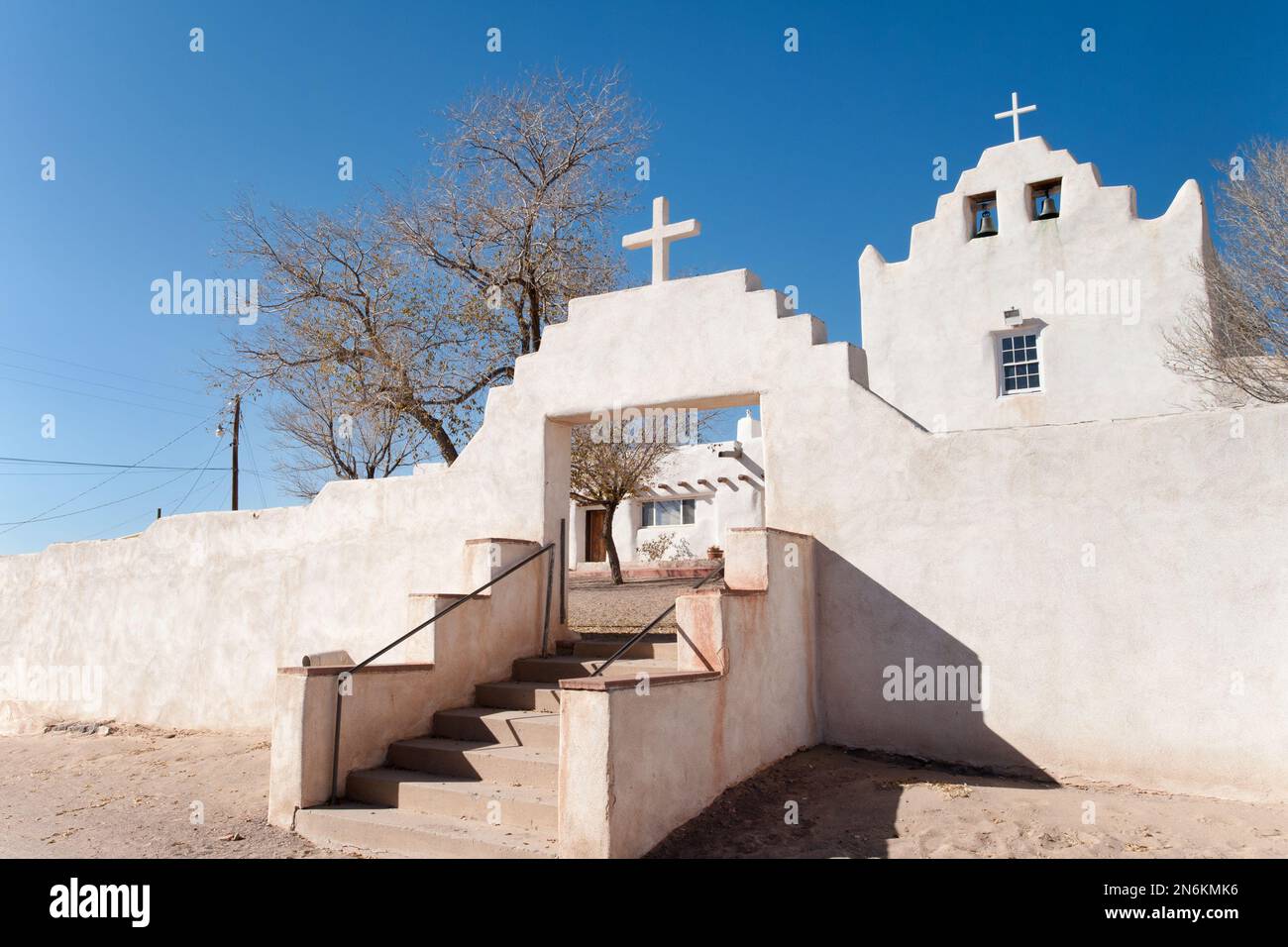

Geography and the Land: A Sacred Connection
The Laguna Pueblo Reservation spans a vast area in west-central New Mexico, primarily within Cibola County. Its landscape is characterized by mesas, arroyos, and the picturesque San Jose River, which has been a lifeline for generations.
The reservation’s proximity to historic Route 66 has also played a role in its modern history, bringing both opportunities and challenges. The land itself is not merely a physical space but is deeply interwoven with the spiritual and cultural identity of the Laguna people, revered as a living entity that sustains and teaches.
The reservation’s terrain also includes significant geological features, including portions of the Mount Taylor volcanic field, which holds sacred importance for the Laguna people and other surrounding tribes.
Cultural Vibrancy: Language, Arts, and Ceremonies
The Laguna people primarily speak Keres, a distinct language spoken by several other pueblos in New Mexico. Maintaining and revitalizing the Keres language is a vital aspect of cultural preservation efforts within the community, ensuring the transmission of traditional knowledge and identity to younger generations.
Laguna Pueblo is also renowned for its artistic traditions, particularly pottery. Laguna pottery is distinctive, often featuring intricate geometric designs, naturalistic motifs, and a unique blend of white, black, and orange colors. These artistic expressions are not just decorative but often carry deep cultural and spiritual meanings.
Beyond pottery, other traditional arts such as jewelry making, weaving, and basketry continue to be practiced, reflecting the creativity and skill passed down through generations. These crafts are often showcased at tribal events and cultural centers.
Ceremonial dances and traditional practices remain central to Laguna Pueblo life. These ceremonies, often tied to agricultural cycles, seasonal changes, and spiritual beliefs, are vital for community cohesion, spiritual well-being, and the continuation of ancient customs. While many are private, their importance resonates throughout the community.

Governance and Modern Life: Balancing Tradition and Progress
As a federally recognized sovereign nation, the Pueblo of Laguna operates under its own tribal government. This government, typically led by a Governor and a Tribal Council, is responsible for managing tribal lands, resources, and providing essential services to its members.
The pueblo has made significant strides in economic development, establishing various tribal enterprises to create jobs and generate revenue for community programs. These enterprises often include gaming operations, retail businesses, and agricultural ventures, contributing to the self-sufficiency and economic stability of the tribe.
Education is highly valued within Laguna Pueblo. The tribe actively supports educational initiatives, from early childhood programs to higher education, empowering its youth to pursue academic and professional goals while remaining connected to their cultural roots. The pueblo maintains its own school system, often integrating Keres language and cultural teachings.
Historical Challenges and Enduring Resilience
The history of Laguna Pueblo, like many Native American tribes, is marked by periods of immense challenge. From the pressures of Spanish colonization and missionization to the policies of the United States government aimed at assimilation, the Laguna people have faced numerous threats to their land, language, and way of life.
A significant chapter in Laguna’s modern history involved uranium mining. Beginning in the mid-20th century, vast uranium deposits on the reservation were mined, bringing economic opportunities but also long-term environmental and health consequences for the community. The legacy of uranium mining continues to be addressed through remediation efforts and advocacy.
Despite these hardships, the Laguna people have demonstrated remarkable resilience and adaptability. Their ability to maintain cultural integrity, tribal sovereignty, and a strong sense of community in the face of adversity is a testament to their enduring spirit.
Visiting Laguna Pueblo: Respecting Culture and Traditions
For those interested in experiencing the unique heritage of Laguna Pueblo, understanding and respecting tribal customs are paramount. Can you visit Laguna Pueblo? Yes, but visitors must adhere to specific guidelines, as much of the reservation is private land and sacred space.
Generally, visitors are welcome to certain public areas and events, such as the annual St. Joseph Feast Day (September 19th), which features traditional dances and a vibrant marketplace. However, it is crucial to inquire about rules regarding photography, videography, and access to specific areas, as these are often restricted to protect privacy and sacred practices.
- Always ask permission before taking photographs of people or specific structures.
- Respect private property and do not trespass.
- Observe ceremonial events with reverence; refrain from talking loudly or disrupting performances.
- Support local artisans by purchasing authentic crafts directly from the makers.
- Follow all posted signs and tribal ordinances.
The Laguna Pueblo Cultural Center and Museum, when open, provides an excellent opportunity to learn about Laguna history, art, and traditions in a respectful setting. It’s advisable to check their official tribal website for the most current visitor information and guidelines before planning a trip.
Laguna Pueblo Today: A Community of Strength and Vision
Today, the Pueblo of Laguna continues to thrive, balancing the preservation of its ancestral customs with the demands of modern society. It is a community actively engaged in protecting its environment, promoting its language, and ensuring the well-being and prosperity of its members.
The strength of Laguna Pueblo lies in its people – their unwavering commitment to their heritage, their collective vision for the future, and their deep connection to the land that has sustained them for centuries. It is a living, breathing cultural landscape, rich with stories waiting to be understood and respected.
From its ancient origins to its contemporary achievements in self-governance and economic development, Laguna Pueblo stands as a powerful symbol of Native American perseverance and cultural richness in the heart of the American Southwest.


