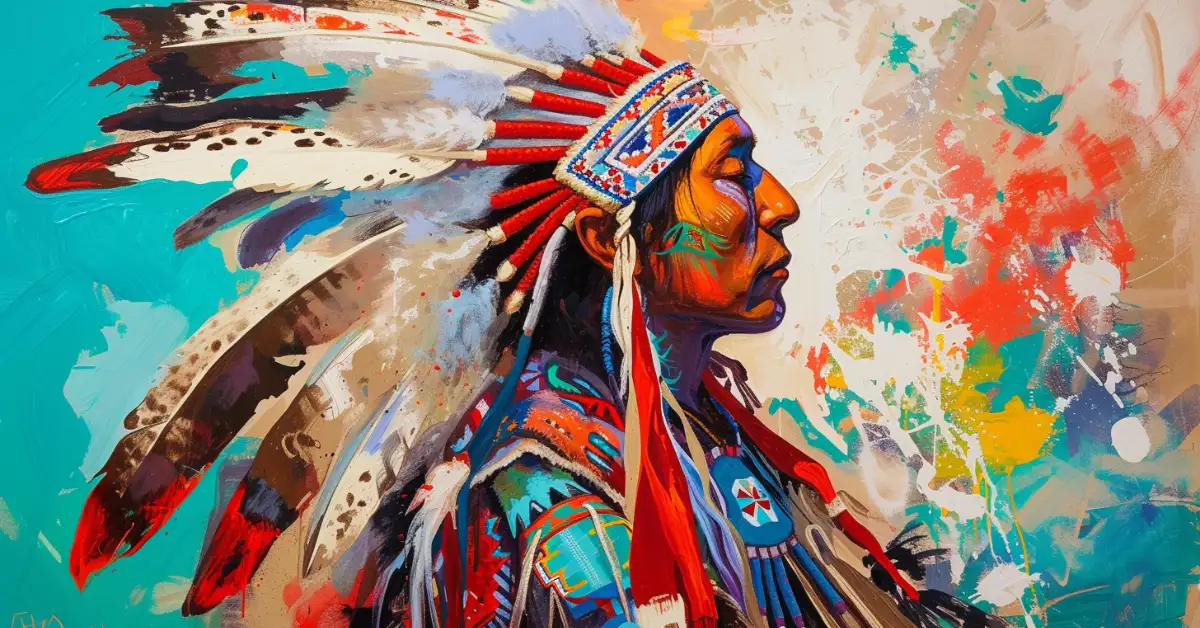

Introduction: The Vibrant Canvas of Contemporary Art on Indian Reservations
The landscape of art on Indian Reservations is far more complex and dynamic than often perceived. While traditional Indigenous art forms are deeply revered and continue to thrive, a powerful and evolving movement of contemporary art is gaining significant traction, challenging preconceived notions and offering fresh, vital perspectives on Indigenous experiences.
This movement represents a profound shift, moving beyond historical classifications to embrace modern aesthetics, diverse mediums, and global dialogues. It’s a space where artists on tribal lands articulate their identities, histories, and futures with unparalleled creativity and resilience.
Defining Contemporary Indigenous Art: A New Narrative
What exactly constitutes contemporary art in the context of Indian Reservations? It is not merely art created by Indigenous people in the present day. Rather, it is characterized by its engagement with modern issues, often employing a blend of traditional motifs, techniques, and philosophies with cutting-edge artistic practices and global art trends.
Unlike art created solely for cultural or ceremonial purposes, contemporary Indigenous art frequently delves into political, social, and personal narratives. It often serves as a powerful commentary on land rights, sovereignty, cultural identity, environmental concerns, and the ongoing impacts of colonialism, all while celebrating Indigenous resilience and self-determination.
Historical Context and Artistic Evolution
The rich history of Native American art is rooted in millennia of cultural expression, spanning intricate beadwork, pottery, weaving, carving, and ceremonial regalia. These traditional forms served crucial functions, preserving histories, spiritual beliefs, and community values across generations.
However, the historical trauma of colonization, forced assimilation, and the suppression of Indigenous cultures profoundly impacted artistic practices. For decades, Indigenous art was often relegated to ethnographic displays or viewed solely as craft. The emergence of contemporary Indigenous art marks a powerful reclamation of artistic agency and a bold assertion of cultural vitality.
Key Themes and Powerful Messages
Contemporary art from Indian Reservations is a rich tapestry woven with diverse and compelling themes. These artists are not just creating aesthetically pleasing works; they are engaging in profound acts of visual storytelling and cultural advocacy.
Reclaiming Narratives: Many artists use their work to challenge dominant historical narratives, correct misrepresentations, and present Indigenous perspectives on history and current events. This often involves decolonizing visual language and confronting stereotypes.
Cultural Preservation and Revitalization: While contemporary, much of this art is deeply rooted in ancestral knowledge. Artists frequently incorporate traditional symbols, languages, and ceremonies, breathing new life into cultural practices and ensuring their continuity for future generations.
Environmental Stewardship: Given the deep spiritual and practical connection Indigenous peoples have to their lands, environmental themes are paramount. Art often highlights the impact of climate change, resource extraction, and advocates for land protection and sustainable practices.
Identity and Belonging: The complexities of contemporary Indigenous identity – navigating tribal affiliations, urban experiences, and globalized cultures – are central. Artists explore what it means to be Indigenous in the 21st century, celebrating diversity within Indigenous nations while affirming shared experiences.
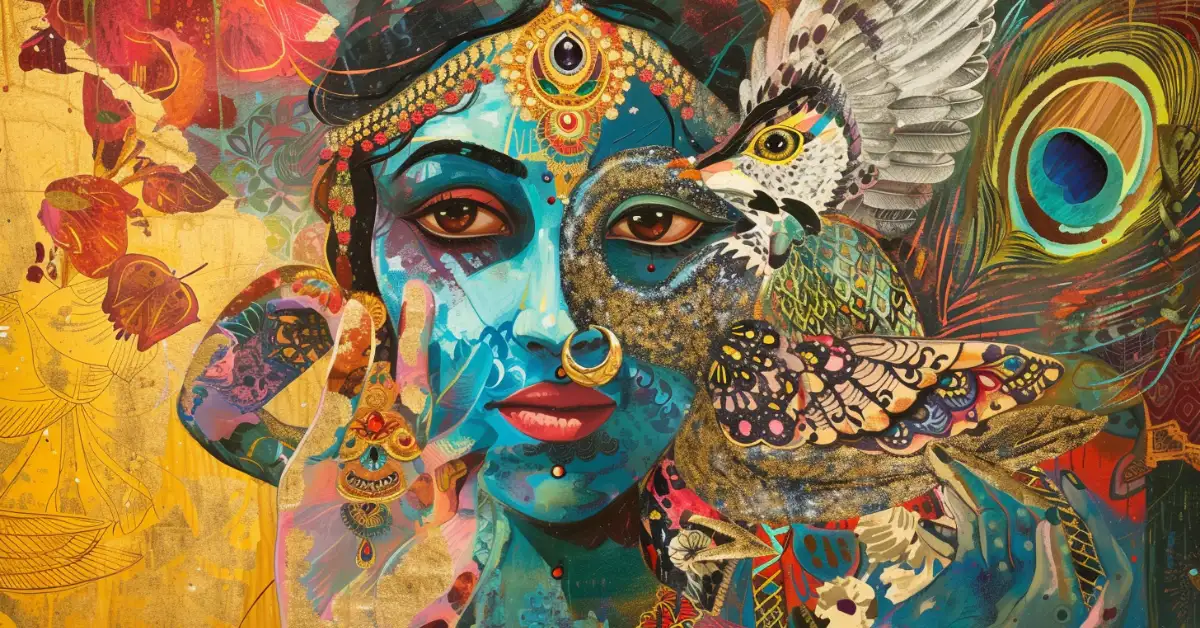
Modernity and Indigenous Futurism: A growing number of artists explore Indigenous Futurism, envisioning future worlds through an Indigenous lens. This genre often blends science fiction, technology, and ancestral wisdom to imagine resilient, thriving Indigenous societies.
Diverse Mediums and Innovative Expressions
The scope of mediums employed by contemporary Indigenous artists is vast and continually expanding, moving far beyond what might be traditionally expected. This embrace of varied forms allows for greater expressive freedom and broader reach.
Artists utilize traditional painting techniques alongside acrylics, oils, and mixed media. Sculpture can range from traditional carving in wood or stone to large-scale installations incorporating found objects, metalwork, and even digital components.
Photography and digital art are increasingly prevalent, allowing artists to document their communities, experiment with visual effects, and create compelling narratives. Performance art, often deeply connected to ceremony and storytelling, provides a dynamic platform for exploring identity and social commentary.
Furthermore, public art, including murals and street art, has become a significant avenue for Indigenous artists to engage with their communities directly. These large-scale works often beautify spaces while conveying powerful messages of cultural pride, resilience, and resistance.
The Role of Artists and Artistic Communities
Indigenous artists often serve as cultural ambassadors, educators, and activists within their communities and beyond. Their work not only expresses personal vision but also frequently reflects collective experiences and aspirations.
The importance of community support and intergenerational mentorship cannot be overstated. Many artists learn from elders, participate in tribal art programs, and contribute to the education of younger generations, ensuring the continuity of artistic traditions while fostering innovation.
Challenges and Triumphs in the Art World
Despite the growing recognition, contemporary Indigenous artists still face unique challenges within the broader art world.
Market Access and Representation: Gaining access to mainstream galleries, museums, and collectors can be difficult. There’s an ongoing struggle to be seen not just as ‘Native American artists’ but as artists whose work stands on its own merits in the global art market.
Cultural Appropriation: The issue of cultural appropriation remains a significant concern. Indigenous artists often contend with their designs, symbols, and stories being misused or exploited by non-Indigenous creators without proper credit or understanding.
Funding and Resources: Many artists and tribal art programs on reservations operate with limited funding. Sustainable support for artistic development, exhibition opportunities, and educational initiatives is crucial for the continued growth of this vibrant sector.
Breaking Stereotypes: There’s a persistent need to educate the public and art institutions to move beyond romanticized or outdated stereotypes of Indigenous art, recognizing its contemporary relevance and intellectual depth.
However, these challenges are often met with immense triumph. Indigenous artists are actively building their own platforms, collaborating internationally, and influencing the global art dialogue, asserting their rightful place in the contemporary art canon.
The Impact and Significance of Indigenous Contemporary Art
The impact of contemporary art emanating from Indian Reservations is multifaceted and profound, extending far beyond the aesthetic.
It contributes significantly to economic empowerment, providing sustainable livelihoods for artists and fostering cultural tourism in tribal communities. This art also plays a vital role in cultural revitalization, helping to strengthen tribal identities and preserve endangered languages and traditions.
Furthermore, this art serves as a powerful educational tool. For Indigenous youth, it offers a source of pride and a pathway for self-expression. For non-Indigenous audiences, it provides invaluable insights into diverse cultures, fostering empathy and understanding across societal divides.
Ultimately, contemporary Indigenous art is a vital force for social change, sparking dialogue about difficult histories, promoting environmental justice, and advocating for Indigenous rights and sovereignty on a national and international stage.
Where to Experience This Art: Galleries, Museums, and Digital Spaces
To truly appreciate the breadth and depth of contemporary art on Indian Reservations, one must explore various venues. Many tribal museums and cultural centers, such as the Heard Museum in Phoenix or the Smithsonian’s National Museum of the American Indian, are dedicated to showcasing both traditional and contemporary Indigenous art.
Mainstream art galleries and museums worldwide are increasingly featuring solo and group exhibitions of Indigenous contemporary artists, recognizing their artistic merit and cultural significance. Major art fairs and biennials also serve as important platforms.
Beyond physical spaces, online platforms, artist websites, and social media have become indispensable for discovering and supporting Indigenous artists. Virtual exhibitions and online marketplaces make this art accessible to a global audience, breaking down geographical barriers.
Additionally, local art markets, cultural festivals, and artist collectives on or near reservations offer direct opportunities to connect with artists and acquire authentic pieces, often supporting local economies directly.
Supporting Indigenous Artists and Art Initiatives
For collectors, patrons, and art enthusiasts, supporting Indigenous artists means engaging ethically and respectfully. This includes purchasing directly from artists or reputable galleries, understanding the cultural context of the work, and advocating for fair representation.
Investing in tribal art programs and educational initiatives on reservations is another crucial way to ensure the future of this art form. These programs nurture young talent and provide resources for artists to develop their skills and visions.
By promoting Indigenous voices and perspectives, we contribute to a more inclusive and diverse art world, one that accurately reflects the rich tapestry of human creativity.
Looking Ahead: The Future of Contemporary Indigenous Art
The trajectory for contemporary art on Indian Reservations is one of continued growth, innovation, and increasing influence. As Indigenous artists gain further global recognition, their unique perspectives will continue to enrich the broader art world.
Expect to see ongoing experimentation with new technologies and mediums, coupled with a deepening exploration of complex themes related to identity, tradition, and the future. The art will continue to evolve, reflecting the ever-changing realities of Indigenous communities.
The enduring power of art as a tool for self-determination, healing, and cultural expression ensures that the vibrant narratives emanating from Indian Reservations will continue to captivate, challenge, and inspire audiences for generations to come.
Conclusion: A Resilient and Evolving Legacy
Contemporary art on Indian Reservations stands as a powerful testament to the resilience, creativity, and enduring spirit of Indigenous peoples. It is a vital and evolving field that defies easy categorization, offering profound insights into diverse cultures and universal human experiences.
By engaging with this art, we not only witness extraordinary talent but also participate in an ongoing dialogue about history, identity, and the future. It is an art form that demands attention, respect, and celebration for its unique contributions to the global cultural landscape.


