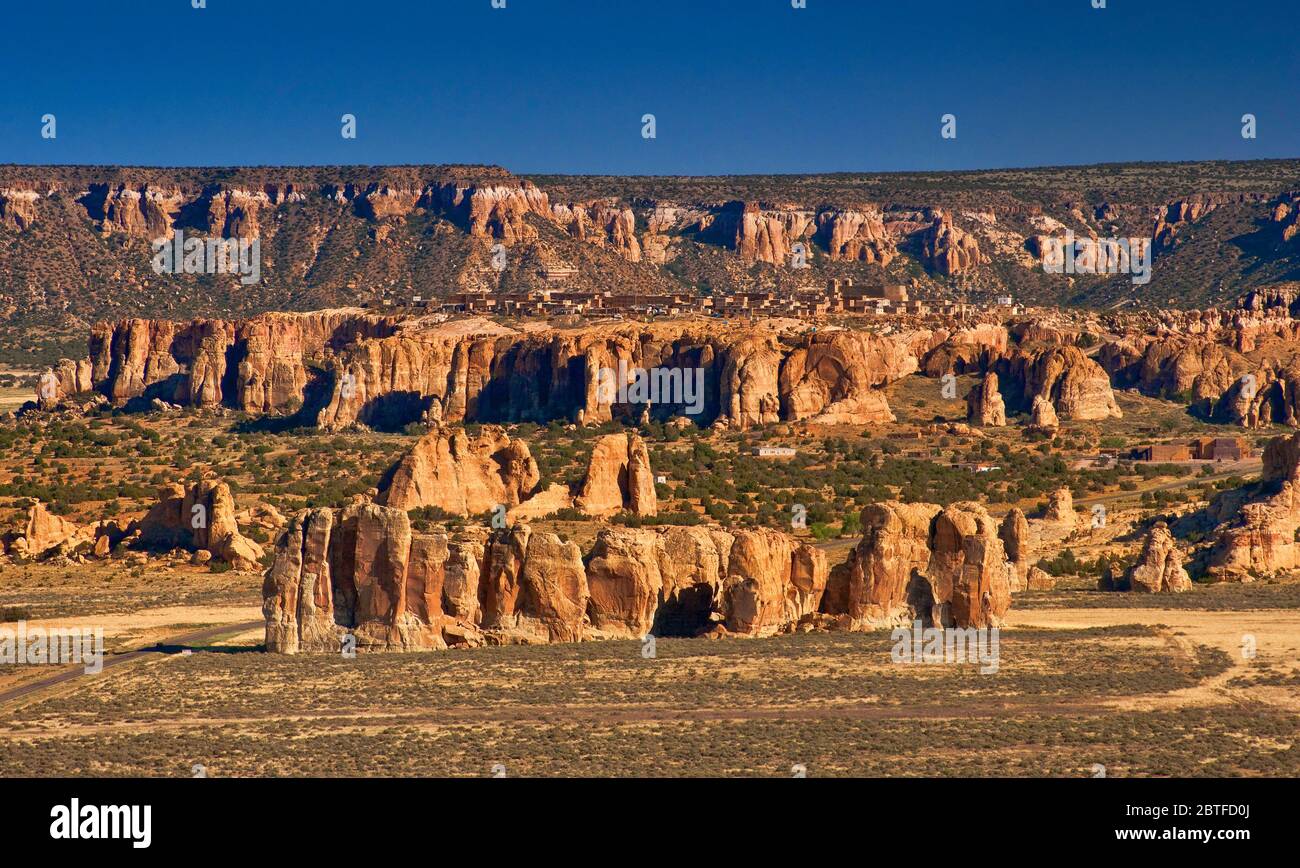

Perched atop a 367-foot sandstone mesa, Acoma Pueblo, often referred to as ‘Sky City’ (Haak’u in the Keresan language), stands as a testament to human resilience and an enduring cultural legacy. Located approximately 60 miles west of Albuquerque, New Mexico, this remarkable community holds the distinction of being one of the oldest continuously inhabited settlements in North America.
For over 800 years, and potentially much longer, the Acoma people have called this breathtaking mesa home, cultivating a rich history, unique traditions, and a profound connection to their ancestral lands. Visiting Acoma Pueblo offers an unparalleled opportunity to step back in time and witness a living culture that has thrived against all odds.
The Ancient Origins of Sky City
The history of Acoma Pueblo is deeply rooted in the geological formations of the region. Archaeological evidence suggests that the Acoma people have inhabited the area since at least 1100 AD, though oral traditions point to an even earlier presence. The strategic elevation of the mesa provided natural defenses, making it an ideal location for a permanent settlement.
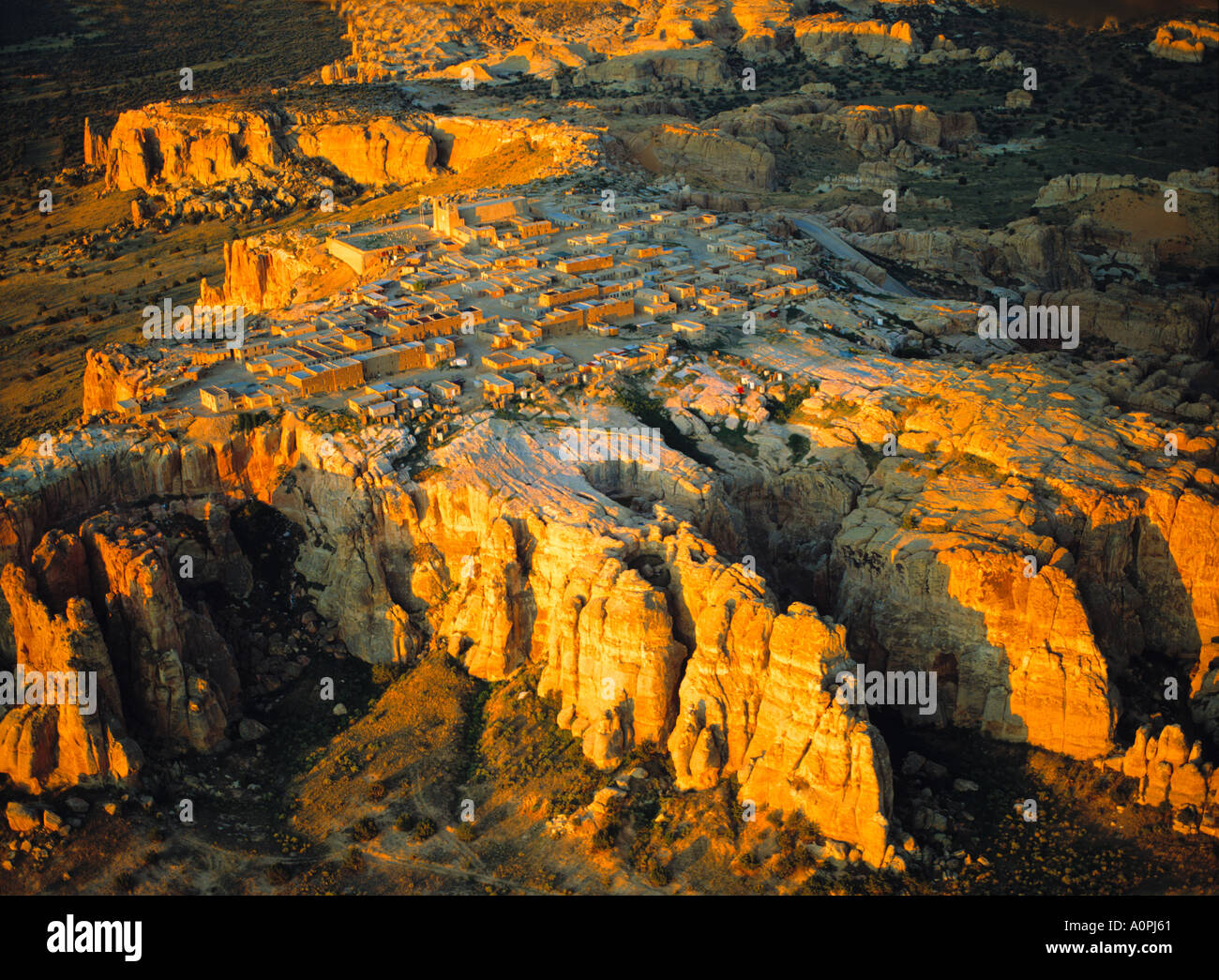
Life on the mesa was challenging, requiring ingenuity and communal effort. Water was collected in natural cisterns and transported from the ground below. Homes were constructed from adobe and stone, often built into the mesa rock itself, creating a harmonious blend with the natural environment.
The Acoma people developed sophisticated agricultural techniques, cultivating crops like corn, beans, and squash on the fertile lands surrounding the mesa, a practice that continues to this day. Their ability to sustain a community in such an isolated yet commanding location speaks volumes about their engineering skills and deep understanding of their surroundings.

Acoma Pueblo and the Arrival of Europeans
The tranquility of Acoma Pueblo was irrevocably altered with the arrival of Spanish conquistadors in the late 16th century. Don Juan de Oñate’s expedition encountered Acoma in 1598, leading to a brutal conflict that resulted in significant loss of life and the imposition of Spanish rule.
Despite the immense hardships and cultural pressures, the Acoma people resisted complete assimilation, preserving many of their core traditions and beliefs. The most visible legacy of the Spanish presence is the imposing San Esteban del Rey Mission Church, built between 1629 and 1640. This massive adobe structure, a National Historic Landmark, stands as a symbol of both colonial imposition and indigenous labor and resilience.
The construction of the mission church was a monumental undertaking, with all materials, including massive pine beams, carried by hand or on backs from distant mountains to the top of the mesa. It remains an active place of worship and a powerful reminder of the complex interplay between different cultures.
A Tapestry of Culture and Tradition
Acoma culture is vibrant and deeply spiritual, centered around a reverence for the land, ancestors, and the cycles of nature. The Keresan language, spoken by the Acoma people, is an integral part of their identity, passed down through generations and vital for preserving oral histories and ceremonies.
Traditional ceremonies, dances, and feast days are central to Acoma life, often involving intricate costumes, drumming, and singing. While many of these sacred events are not open to the public, they underscore the community’s commitment to maintaining their ancestral practices and spiritual well-being.
Acoma pottery is world-renowned for its distinctive style, characterized by thin walls, intricate geometric designs, and often a black-on-white or polychrome finish. Passed down from mother to daughter for centuries, this art form is more than just craft; it is a living expression of Acoma identity and connection to the earth.
Each piece of pottery tells a story, often incorporating symbols derived from nature, such as rain, clouds, birds, and mountains. The clay is traditionally sourced from within the reservation, processed by hand, and fired using age-old techniques. Collectors and enthusiasts highly value authentic Acoma pottery for its beauty, craftsmanship, and cultural significance.


Visiting Acoma Pueblo: An Unforgettable Journey
For those wondering, ‘Can you visit Acoma Sky City without a tour?’ The answer is unequivocally no. Access to Sky City is restricted and requires participation in a guided tour, which begins at the modern Sky City Cultural Center and Haak’u Museum located at the base of the mesa.
These tours are essential for understanding the history and culture of Acoma Pueblo while ensuring respect for its residents and sacred sites. Knowledgeable Acoma guides share insights into their history, architecture, and way of life, providing a truly immersive experience.
Visitors should be prepared for a moderate amount of walking on uneven surfaces. Photography is generally restricted on the mesa, particularly inside homes and the mission church, to respect the privacy of residents and the sacred nature of certain areas. Specific rules will be outlined at the Cultural Center.
Key Landmarks and Experiences on the Mesa
During the guided tour, you will explore the ancient village, walking along narrow pathways between the historic adobe homes. Many of these homes are still owned by Acoma families, some of whom reside there during specific feast days and ceremonies.
The San Esteban del Rey Mission Church is a highlight of the tour. Its massive scale and austere beauty are awe-inspiring. Inside, the church is remarkably preserved, with original adobe walls and a painted altar screen. The adjacent cemetery, where generations of Acoma people are buried, adds to the profound sense of history.
You’ll also have the opportunity to visit several homes where Acoma artists display and sell their exquisite pottery and other crafts. This is a chance to purchase authentic, handcrafted items directly from the artists and support the local economy.
Modern Acoma: Bridging Past and Present
While Sky City preserves the ancient way of life, the majority of the Acoma people now reside in the surrounding communities at the base of the mesa, such as Acomita and McCarty’s. ‘How many people live in Acoma Pueblo?’ The Acoma Nation today has a tribal enrollment of approximately 5,000 members, with many living on the reservation.
The Acoma tribal government works diligently to balance economic development with cultural preservation. Initiatives include managing tribal enterprises, promoting tourism, and investing in education and healthcare for their members. They actively participate in regional and national dialogues concerning Native American rights and sovereignty.
Education plays a crucial role in ensuring the continuity of Acoma culture, with programs focused on language revitalization, traditional arts, and history. Young Acoma people are encouraged to embrace their heritage while also pursuing modern opportunities.
People Also Ask: Common Questions About Acoma Pueblo
‘How old is Acoma Pueblo?’ As mentioned, archaeological evidence suggests continuous habitation since at least 1100 AD, making it over 900 years old, though oral traditions suggest even deeper roots.
‘What is Acoma Pueblo known for?’ Acoma is primarily known for being ‘Sky City,’ the oldest continuously inhabited settlement in North America, its incredible history, the San Esteban del Rey Mission Church, and its distinctive, highly prized pottery.
Conclusion: The Enduring Spirit of Sky City
Acoma Pueblo is more than just an ancient ruin; it is a vibrant, living community that has withstood centuries of change while steadfastly preserving its unique identity. Its towering mesa, ancient homes, and the majestic San Esteban del Rey Mission Church bear witness to an incredible journey of survival, adaptation, and cultural richness.
A visit to Sky City offers a profound connection to Native American history and culture, reminding us of the strength of human spirit and the importance of respecting diverse heritage. It is a place where the past is not just remembered but actively lived, breathed, and celebrated every day.
The enduring legacy of the Acoma people, their artistry, and their deep spiritual connection to their land make Acoma Pueblo an essential destination for anyone seeking to understand the true heart of New Mexico and the resilience of indigenous cultures.


