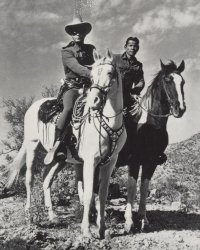
The term ‘Kemosabe’ holds a unique place in the lexicon of American pop culture, instantly conjuring images of classic Westerns and the iconic duo of The Lone Ranger and Tonto. For decades, it was a commonplace term of endearment or camaraderie, especially among those familiar with its cinematic origins. However, in an era of heightened cultural awareness and linguistic scrutiny, its usage has become increasingly complex.
This comprehensive article aims to dissect the historical context, etymology, and evolving social perception of ‘Kemosabe’ to answer a pivotal question: is it still used today, and if so, in what capacity and with what implications?
The Genesis of Kemosabe: More Than Just a Catchphrase
To understand the current status of ‘Kemosabe’, we must first journey back to its roots. The term gained widespread prominence through the immensely popular radio and television series, The Lone Ranger. Debuting on radio in 1933, the show introduced audiences to the masked hero and his faithful Native American companion, Tonto.
It was Tonto who famously addressed the Lone Ranger as ‘Kemosabe,’ often translated within the show as ‘faithful friend’ or ‘trusty scout.’ This endearing moniker quickly became synonymous with their unique bond and was adopted by fans across generations.
Unraveling the Etymology: What Does Kemosabe Truly Mean?
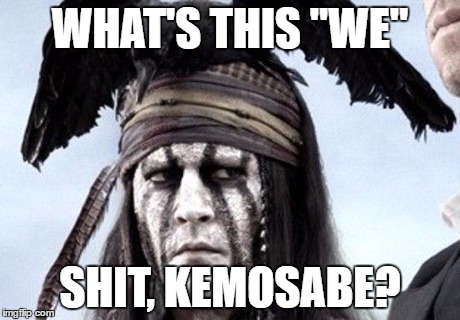
The precise origin and meaning of ‘Kemosabe’ have been subjects of considerable debate and academic inquiry. The most widely accepted theory attributes its etymology to the Anishinaabemowin (Ojibwe) language, specifically the word ‘Gimoozaabi’ or ‘Gimozabi.’
Scholars suggest that ‘Gimoozaabi’ can be interpreted as ‘he who looks out in front’ or ‘one who looks furtively.’ This translation aligns with the Lone Ranger’s role as a scout and protector, constantly vigilant against danger. Other interpretations include ‘one who looks with a spyglass’ or ‘one who is observant.’
It is also important to note that the creators of The Lone Ranger, George W. Trendle and Fran Striker, claimed they derived the term from a boys’ camp in Michigan called ‘Kamp Kee-Mo Sah-Bee,’ which itself was said to have Native American linguistic roots. This connection further solidifies its association with the Great Lakes region’s indigenous languages, such as Ojibwe or Potawatomi.
Kemosabe in Popular Culture: A Symbol of Friendship
For decades, ‘Kemosabe’ enjoyed a largely uncritical reception in popular culture. Its use in The Lone Ranger cemented it as a benign, even affectionate, term. Children would often use it in play, mimicking the characters, and adults might employ it playfully among close friends.
The term transcended the show itself, becoming a cultural shorthand for a loyal companion or a trusted confidant. It appeared in various forms of media, from casual references in films and television shows to commercial branding, always carrying the connotation of steadfast loyalty.
The Shifting Sands of Cultural Sensitivity
The perception of ‘Kemosabe’ began to shift significantly in the late 20th and early 21st centuries. As awareness of cultural appropriation and the historical misrepresentation of Indigenous peoples grew, many terms once considered harmless came under scrutiny.
Critics argue that while the intent behind ‘Kemosabe’ might have been benign, its origin in a fictionalized portrayal of a Native American character, often played by non-Native actors and steeped in stereotypes, renders its usage problematic. The broader context of The Lone Ranger, with Tonto often depicted as a subservient sidekick, contributes to this re-evaluation.
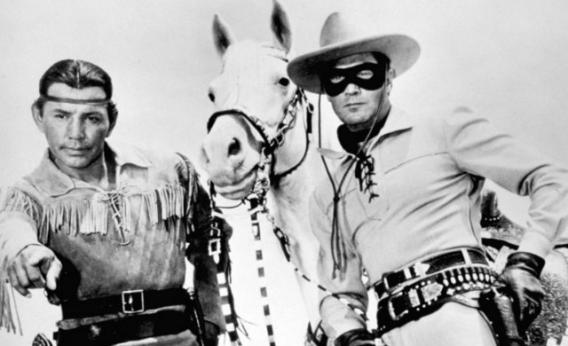
The issue isn’t merely the word itself, but the historical power dynamics and the way Indigenous cultures have been commodified and simplified for mainstream entertainment. Using ‘Kemosabe’ without understanding its complex background or the potential for offense can be seen as insensitive.
Is Kemosabe Offensive? A Modern Perspective
The question of whether ‘Kemosabe’ is offensive is not straightforward. For many, particularly those who grew up with The Lone Ranger, it remains an innocent term associated with childhood nostalgia and positive notions of friendship. They may not associate it with any derogatory intent or historical harm.
However, for others, especially members of Indigenous communities, the term can be perceived as offensive. This is not necessarily because of its literal meaning, but because of its association with stereotypical portrayals and the broader history of cultural appropriation. It can serve as a reminder of how Native American cultures have been simplified and exploited in media.
The sensitivity surrounding such terms highlights the importance of context and intent. While an individual might use ‘Kemosabe’ innocently, the impact on the listener, particularly those from marginalized communities, can differ significantly.
Current Usage: A Decline in Mainstream Acceptance
In contemporary discourse, the mainstream usage of ‘Kemosabe’ has largely declined. You are unlikely to hear it used regularly in professional settings, formal communication, or even among younger generations who lack a direct connection to The Lone Ranger.
- Nostalgic References: Older generations might use it ironically or nostalgically when discussing classic television or childhood memories.
- Ironic or Humorous Contexts: Sometimes, it’s used with a degree of self-awareness or irony, acknowledging its dated nature.
- Historical Discussions: Academic or cultural discussions about The Lone Ranger, pop culture history, or linguistic evolution will naturally reference it.
- Niche Communities: Certain fan communities or subcultures might still employ it, often within a shared understanding of its origins.
However, its broad, uncritical acceptance as a general term for ‘friend’ has largely faded. The prevailing sentiment leans towards avoiding terms that could potentially cause offense or perpetuate stereotypes, even if unintentionally.
The Importance of Linguistic Awareness and Respect
The evolution of ‘Kemosabe’ serves as a powerful example of how language is not static. Words and phrases acquire new layers of meaning and connotation over time, influenced by societal changes, cultural understanding, and historical reflection.
For content creators, communicators, and everyday individuals, this case underscores the importance of linguistic awareness. It encourages us to question the origins of terms, consider their historical baggage, and be mindful of how they might be received by diverse audiences.
Prioritizing respectful communication means choosing words that foster inclusion rather than inadvertently perpetuate outdated or harmful stereotypes. When in doubt, opting for universally accepted terms of friendship and camaraderie is always the safer and more considerate approach.
Conclusion: A Legacy Re-examined
In conclusion, while ‘Kemosabe’ once enjoyed widespread use as an affectionate term of friendship, its presence in modern vernacular has significantly diminished. Its rich historical and linguistic background, rooted in Indigenous languages and popularized by The Lone Ranger, is now viewed through a more critical lens.
Today, its usage is largely confined to nostalgic references or specific historical contexts, rather than general conversation. The cultural sensitivity surrounding its origins and association with stereotypical representations has led to a collective shift away from its casual adoption.
Understanding the journey of ‘Kemosabe’ offers valuable insights into the dynamic nature of language, the impact of media representation, and the ongoing importance of fostering respectful and inclusive communication in our increasingly interconnected world. While the sentiment of ‘faithful friend’ remains timeless, the words we choose to express it continue to evolve.
Ultimately, while ‘Kemosabe’ may still echo in the annals of pop culture history, its active and uncritical usage in contemporary society has largely become a relic of the past, replaced by a greater emphasis on cultural understanding and mindful expression.


