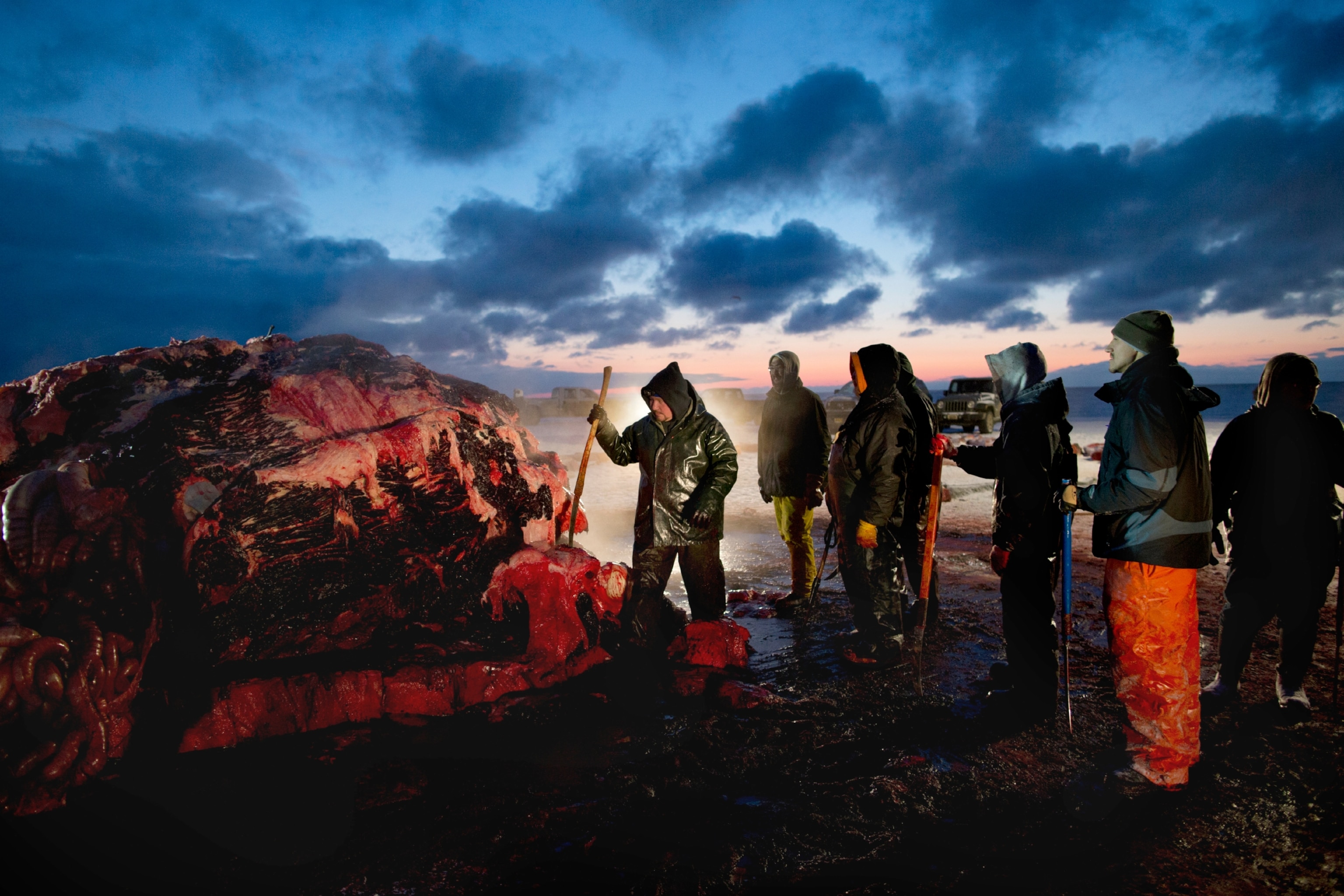

In the vast, unforgiving expanse of the Arctic, survival has always hinged on an intimate understanding of the environment and the sustainable utilization of its resources. For the Inupiat people of Alaska, seal oil production is not merely an economic activity; it is a cornerstone of their cultural identity, a vital source of nutrition, and a testament to millennia of resilience and traditional ecological knowledge.
This comprehensive guide aims to shed light on the intricate world of Inupiat seal oil, from its historical roots and traditional production methods to its profound nutritional benefits and the contemporary challenges faced by these Arctic communities. We will explore how this ancient practice continues to sustain a unique way of life, bridging the past with the present.
A Timeless Tradition: The Cultural Significance of Seal Hunting
For the Inupiat, seal hunting is far more than a means to an end. It is a spiritual practice, a rite of passage, and a foundational element of their social structure. Every hunt is imbued with respect for the animal, gratitude for its sacrifice, and an understanding of its essential role in maintaining the health and well-being of the community. The seal provides food, clothing, tools, and, critically, oil.
The sharing of seal meat and oil within the community is a deeply ingrained custom, reinforcing social bonds and ensuring that everyone, especially elders and those unable to hunt, has access to these vital resources. This communal sharing exemplifies the Inupiat philosophy of interdependence and collective responsibility.
What is Seal Oil? A Primer


Seal oil is rendered fat from various species of seals harvested by Inupiat hunters, primarily ringed seals, bearded seals, and spotted seals. It is a rich, energy-dense substance, historically crucial for survival in the extreme Arctic climate. Unlike many commercial oils, traditional seal oil is often consumed raw or used in traditional dishes, preserving its unique nutritional profile.
The fat, or blubber, from seals is remarkably different from terrestrial animal fats. It is uniquely adapted for cold environments, containing a specific balance of fatty acids that are highly beneficial for human health, particularly for those living in the Arctic.
Historical Roots of Seal Oil Production
For thousands of years, Inupiat ancestors perfected the art of seal hunting and oil production. Archaeological evidence reveals sophisticated tools and techniques used for harvesting seals, demonstrating a long-standing relationship between the people and these marine mammals. Seal oil was the primary source of energy, light, and warmth in traditional Inupiat homes.
Before the advent of modern fuels, seal oil lamps, known as qulliq, illuminated igloos and skin tents, providing essential light during the long Arctic winters. It was also used to heat dwellings and cook food, making it an indispensable resource for daily life.
Traditional Harvesting Methods: A Legacy of Skill and Respect
Inupiat hunting practices are characterized by skill, patience, and profound respect for the environment. Hunters often use traditional methods, such as waiting patiently at breathing holes in the ice or stalking seals on the floe edge. Modern tools like snow machines and rifles are sometimes integrated, but the core principles of ethical hunting remain.
The harvest is carefully managed by communities, relying on generations of traditional ecological knowledge (TEK) to understand seal populations, migration patterns, and sustainable quotas. This ensures that hunting does not deplete the resource, upholding the balance of the ecosystem.
From Harvest to Home: The Traditional Rendering Process


Once a seal is harvested, the blubber is carefully separated from the meat and skin. The rendering process for seal oil is relatively simple but requires skill. Traditionally, blubber would be cut into pieces and allowed to slowly melt, or ‘render,’ either naturally at room temperature or with very gentle heat. This slow process helps to preserve the oil’s nutritional integrity.
The rendered oil is then stored in containers, historically made from seal bladders or stomachs, and more recently in glass jars or plastic containers. This oil is a staple food, consumed directly, used as a dipping sauce for dried meat and fish, or incorporated into various traditional dishes.
The Nutritional Powerhouse: Why Seal Oil is Vital
Seal oil is celebrated for its exceptional nutritional benefits, making it an essential component of the traditional Arctic diet. Its unique composition addresses many dietary needs specific to life in the polar regions.
- Rich in Omega-3 Fatty Acids: Seal oil is an outstanding source of Omega-3s, particularly EPA (eicosapentaenoic acid), DHA (docosahexaenoic acid), and uniquely, DPA (docosapentaenoic acid). DPA is found in higher concentrations in seal oil than in fish oils and is thought to enhance the benefits of EPA and DHA, supporting cardiovascular health, cognitive function, and reducing inflammation.
- A Natural Source of Vitamin D: With limited sunlight exposure during long Arctic winters, Vitamin D deficiency is a concern. Seal oil provides a natural and potent source of Vitamin D, crucial for bone health, immune function, and overall well-being.
- Other Essential Nutrients: Beyond Omega-3s and Vitamin D, seal oil contains other fat-soluble vitamins and essential nutrients that contribute to the robust health of Inupiat individuals.
Beyond Nutrition: Diverse Uses of Seal Oil in Inupiat Culture
- Fuel and Light: Historically, seal oil was the primary fuel for qulliqs, providing light and warmth in homes.
- Food Preservation: It was used to preserve meats and fish, extending their shelf life.
- Medicine and Healing: Traditionally, seal oil was used as a topical treatment for skin conditions, wounds, and as an internal remedy for various ailments, believed to promote healing and provide strength.
- Waterproofing: Applied to animal skins and traditional clothing, it provided a natural waterproofing agent, essential for survival in a wet, cold environment.
Modern Adaptations in Seal Oil Production
While traditional methods remain paramount, some Inupiat communities are exploring modern adaptations for seal oil production. This might include using more efficient rendering equipment or packaging the oil in ways that allow for wider distribution within Alaska, still adhering to strict quality and ethical standards. These adaptations often aim to support local economies and ensure continued access to traditional foods.
However, commercialization is typically limited and carefully controlled, prioritizing community needs and cultural integrity over large-scale market expansion. The focus remains on subsistence and local sustenance.
Ensuring Sustainability: Inupiat Principles and Practices
The Inupiat approach to seal hunting is inherently sustainable. It is driven by subsistence needs, not commercial greed. Hunters take only what is needed, and every part of the animal is utilized, embodying a deep respect for the resource and a commitment to waste nothing.
Community-led management, guided by generations of traditional ecological knowledge, ensures that hunting levels are sustainable and do not jeopardize seal populations. This contrasts sharply with historical commercial sealing practices that led to overexploitation.
Addressing Common Misconceptions: Subsistence vs. Commercial Hunting
It’s crucial to differentiate between Inupiat subsistence hunting and large-scale commercial sealing operations. Inupiat hunting is a cultural necessity, legally protected under the Marine Mammal Protection Act (MMPA) in the United States, which allows Alaskan Natives to harvest marine mammals for subsistence purposes, traditional handicrafts, and cultural exchanges.
Anti-sealing campaigns often conflate these distinct practices, leading to misunderstandings and unfairly targeting indigenous communities whose practices are sustainable and vital for their survival and cultural continuity.
Challenges Facing Inupiat Seal Oil Production
The Economic Lifeline: Seal Oil in the Subsistence Economy
In communities where cash-based economies are limited and imported foods are prohibitively expensive, seal oil represents a vital, free, and locally-sourced food and energy product. It contributes significantly to food security and reduces reliance on external supply chains, fostering independence and self-sufficiency.
The sharing and bartering of seal products also strengthen the internal economy of communities, ensuring that resources circulate locally and support the well-being of all members.
Supporting Inupiat Sovereignty and Food Security
Understanding and respecting Inupiat seal oil production is crucial for supporting indigenous sovereignty and food security. It acknowledges their inherent right to practice their culture and sustain themselves using traditional methods that have proven sustainable over millennia.
Advocacy for indigenous rights and education about sustainable subsistence practices can help counter misinformation and foster greater appreciation for the Inupiat way of life.
The Future of Inupiat Seal Oil
The future of Inupiat seal oil production is tied to the resilience of the Inupiat people and the health of the Arctic ecosystem. Despite the unprecedented challenges posed by climate change and external pressures, Inupiat communities continue to adapt, innovate, and fiercely protect their cultural heritage.
The practice will endure as long as the seals provide, and the Inupiat continue to pass down their invaluable knowledge from generation to generation, ensuring that this vital tradition continues to nourish and define their identity.
In conclusion, Inupiat seal oil production is a multifaceted practice, deeply embedded in the cultural fabric, nutritional well-being, and economic stability of Arctic communities. It is a powerful example of sustainable living, guided by profound respect for nature and generations of accumulated wisdom. Recognizing its importance is key to understanding and supporting the vibrant cultural heritage of the Inupiat people.


