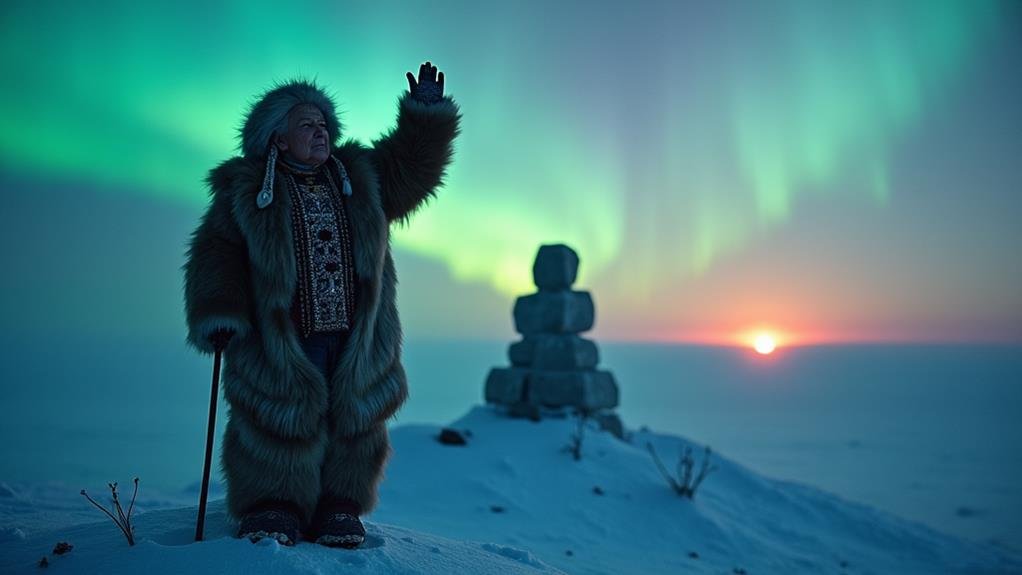

The Arctic landscape, with its vast expanses of ice, tundra, and ocean, is far more than just a physical environment for its Indigenous inhabitants. For Inuit, Yupik, and other related groups across the circumpolar North—peoples historically and sometimes controversially grouped under the term ‘Eskimo’—the land is an intrinsic part of their spiritual, cultural, and personal identity. This connection is ancient, profound, and permeates every aspect of their worldview and daily existence.
Understanding this spiritual bond requires a journey into the heart of their traditional knowledge, animistic beliefs, and the deep respect for the living world that has sustained them for millennia. It’s a relationship built on reciprocity, survival, and an intimate understanding of the delicate balance of the Arctic ecosystem.
Understanding the Terminology: Inuit, Yupik, and ‘Eskimo’
Before delving deeper, it’s crucial to address the terminology. While the term ‘Eskimo’ has been used historically by outsiders to refer to various Indigenous peoples of the Arctic, it is often considered derogatory or at least outdated by many of these communities today. The preferred terms are specific to the groups themselves, such as Inuit (meaning ‘the people’ in Inuktitut), who inhabit parts of Canada, Greenland, and Alaska, and Yupik, found primarily in Alaska and Siberia.
For the purpose of addressing the user’s specific query, we acknowledge the historical use of ‘Eskimo’ while emphasizing the importance of using respectful and accurate terminology like Inuit and Yupik when referring to these distinct and vibrant cultures. This article will use ‘Arctic Indigenous peoples’ or specifically ‘Inuit’ and ‘Yupik’ to reflect current best practices and respect.
The Arctic Landscape: A Living Entity
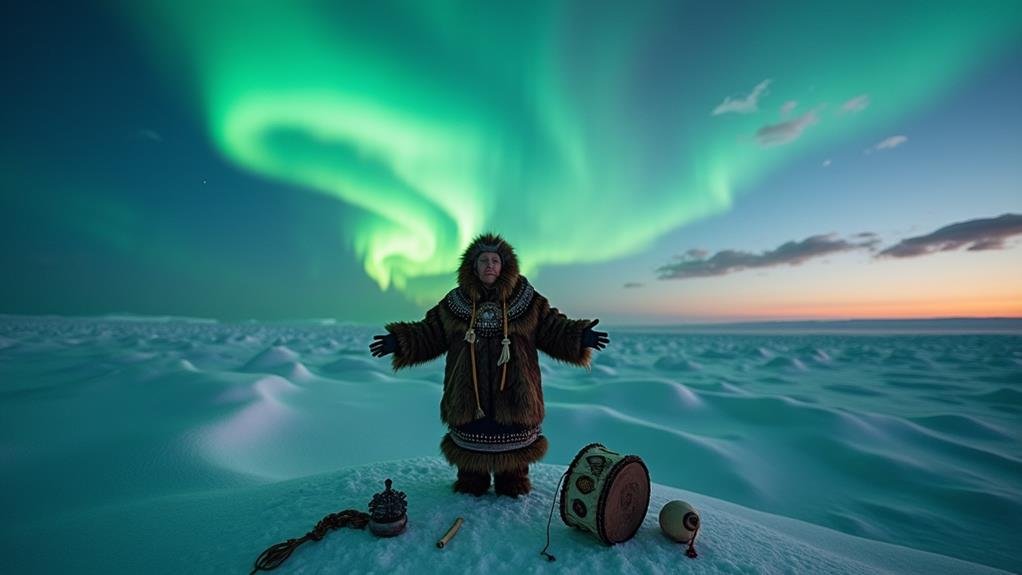
For Arctic Indigenous peoples, the land, sea, and sky are not inanimate backdrops but living, breathing entities imbued with spirit and consciousness. Every mountain, river, glacier, and stretch of ocean holds stories, memories, and spiritual significance. The harshness of the Arctic environment, far from being an adversary, is seen as a teacher and a partner in survival.
This perspective fosters an unparalleled intimacy with the surroundings. Traditional knowledge systems are built upon generations of careful observation and interaction with the natural world, allowing for a deep understanding of weather patterns, animal migrations, and the subtle shifts in the landscape. This knowledge is not merely practical; it is deeply spiritual, revealing the interconnectedness of all life.
Spiritual Foundations: Animism and Interconnectedness
This worldview means that humans are not dominant over nature but are one thread in the intricate tapestry of life. Respect for animals, particularly those essential for survival like seals, caribou, and whales, is paramount. Hunting is not merely an act of sustenance but a sacred exchange, often accompanied by rituals and prayers to honor the spirit of the animal and ensure its return.
Land as Provider and Teacher
The land provides everything necessary for life: food, shelter, clothing, and tools. This subsistence lifestyle necessitates a profound understanding of the land’s rhythms and resources. Traditional hunting, fishing, and gathering practices are not exploitative but are carried out with an ethos of sustainability and gratitude.
Elders transmit traditional knowledge through oral histories, stories, and direct instruction, teaching younger generations how to navigate the land, read its signs, and respect its offerings. The land itself, through its challenges and bounties, acts as a perpetual teacher, imparting lessons in resilience, patience, and resourcefulness.
The Role of Shamans (Angakkuq) and Spiritual Guides
In many traditional Arctic Indigenous societies, shamans, known as Angakkuq (among Inuit), played a crucial role in mediating between the human and spirit worlds. They were spiritual leaders, healers, and guides who could communicate with animal spirits, land spirits, and the spirits of the deceased.
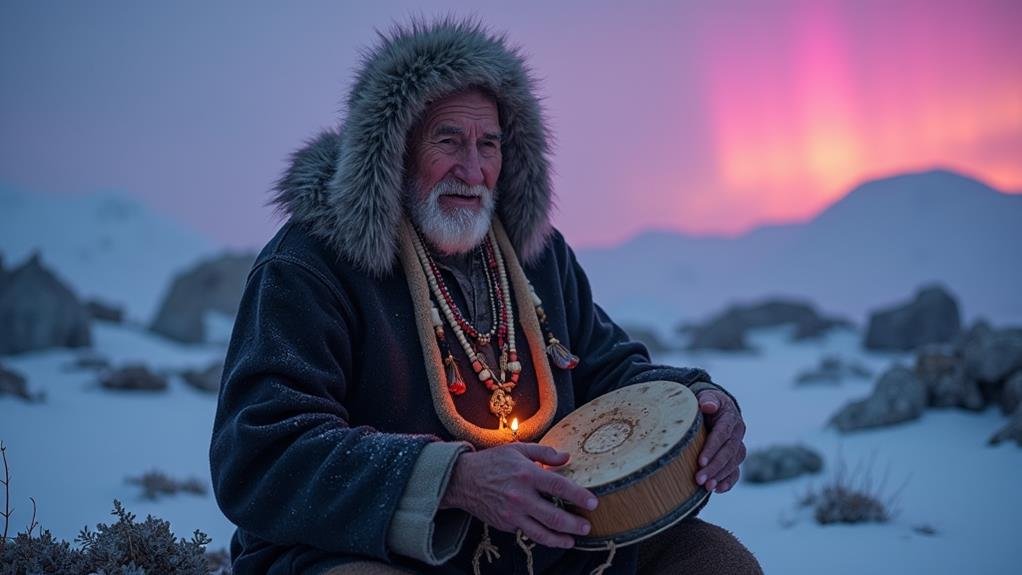
The Angakkuq’s connection to the land was vital for the community’s well-being. They would undertake spiritual journeys to seek guidance for hunts, heal the sick, or interpret omens related to the environment. Their practices reinforced the belief that the physical and spiritual realms are deeply intertwined and that harmony with the land’s spirits was essential for collective survival.
Oral Traditions and Storytelling: Echoes of the Land
Stories, myths, and legends are the lifeblood of Arctic Indigenous cultures. These oral traditions are not just entertainment; they are repositories of history, ethics, ecological knowledge, and spiritual teachings. Many stories are intrinsically linked to specific geographical features, explaining their origins or imbuing them with spiritual significance.
Through these narratives, children learn about the land’s sacredness, the proper way to interact with animals, and the consequences of disrespecting the natural world. Storytelling reinforces the community’s collective memory and its enduring connection to its ancestral lands, ensuring the transmission of vital cultural and spiritual knowledge across generations.
Sacred Sites and Rituals
Certain places within the Arctic landscape hold particular spiritual power or significance. These sacred sites might be specific rock formations, ice caves, burial grounds, or areas known for abundant wildlife. They serve as locations for rituals, ceremonies, or solitary contemplation, strengthening the individual and communal bond with the land.
Offerings might be left at these sites to honor spirits or to ask for good fortune in hunting or travel. These practices are subtle yet powerful expressions of reverence for the land and an acknowledgment of its enduring spiritual presence. The entire landscape, in a sense, is a sacred geography, but certain points act as focal points for spiritual energy.
Climate Change: A Threat to Spiritual Connection
Today, the spiritual connection of Arctic Indigenous peoples to their land faces unprecedented threats from climate change. The rapid melting of sea ice, thawing permafrost, and changing animal migration patterns directly impact traditional ways of life and, consequently, spiritual practices.
When the land changes so dramatically, the stories associated with it become harder to relate, hunting grounds shift, and traditional knowledge about navigating the environment can become outdated. This creates a deep sense of loss, not just of resources, but of cultural identity and spiritual continuity. The land is sick, and its sickness affects the people.
Modern Challenges and Preservation Efforts
Beyond climate change, historical traumas such as colonialism, forced relocation, and the imposition of foreign governance have severely impacted Arctic Indigenous peoples’ relationship with their ancestral lands. Efforts to suppress traditional languages and spiritual practices further eroded this connection.
Indigenous land stewardship practices are increasingly recognized for their critical role in conservation and climate change adaptation. By integrating traditional knowledge with contemporary science, Arctic Indigenous peoples are leading efforts to protect their homelands, not just for their own survival, but for the health of the entire planet.
Their voices are crucial in global discussions about environmental protection, advocating for policies that respect both human rights and the intrinsic value of the natural world. The land is not just a resource; it is family, it is identity, and it is the foundation of their spiritual being.
Conclusion: An Enduring Bond
The spiritual connection of Arctic Indigenous peoples—Inuit, Yupik, and others—to their land is a testament to an ancient and enduring wisdom. It is a worldview that sees the environment not as something to be conquered or owned, but as a living relative, a provider, and a spiritual guide.
This profound bond, rooted in animism, traditional knowledge, and reciprocal respect, has shaped their cultures, sustained their communities, and continues to inform their identity. Despite immense challenges from climate change and historical injustices, their resilience and dedication to preserving this sacred relationship offer invaluable lessons for humanity on living harmoniously with the Earth.
The land is their past, present, and future, a source of unwavering spiritual strength and a reminder of our shared responsibility to protect the planet we all call home.


