The traditional diet of the Inuit people, adapted over millennia to the harsh Arctic environment, is a testament to human ingenuity and resourcefulness. Central to this diet is a unique and nutrient-dense food: whale blubber, commonly known as muktuk.
For those unfamiliar, muktuk is not merely a source of fat; it is a vital component of Inuit cultural heritage and a powerhouse of essential nutrients. This comprehensive article delves into the remarkable health benefits associated with consuming Inuit whale blubber, examining its nutritional profile and its profound impact on the well-being of Arctic communities.
Understanding Muktuk: A Cultural and Nutritional Staple
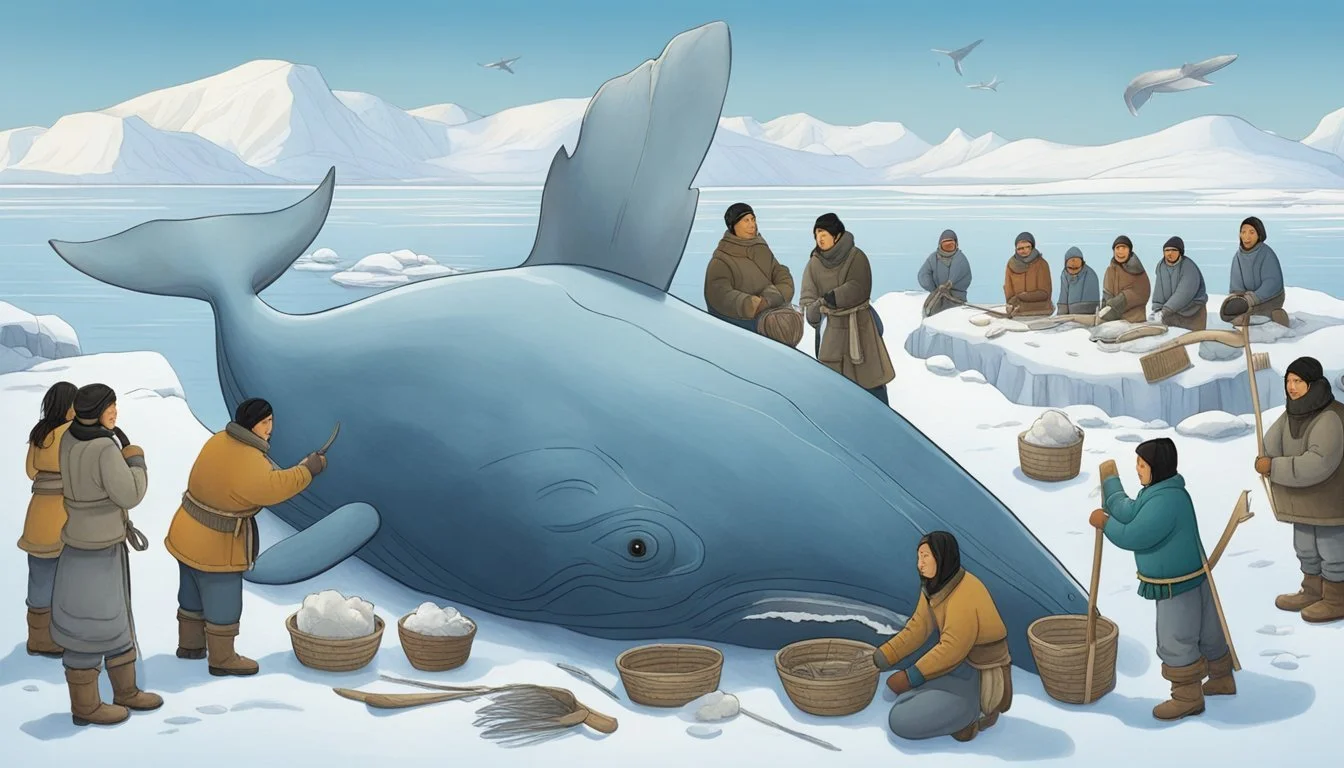
Muktuk typically refers to the skin and blubber of whales, particularly bowhead and narwhal, but also beluga. It is traditionally consumed raw, often sliced into bite-sized pieces. The texture is unique: the skin is firm and chewy, while the blubber is firm yet yielding, with a distinct, often described as nutty, flavor.
This food source has been critical for survival in a region where plant-based foods are scarce. The ability to harvest, store, and consume large marine mammals provided the Inuit with the necessary energy, vitamins, and minerals to thrive in extreme cold.
The Nutritional Powerhouse of the Arctic Diet

Beyond its role in providing caloric energy, muktuk boasts an impressive nutritional profile that addresses many modern dietary deficiencies, especially those prevalent in non-Arctic populations.
1. Abundant Omega-3 Fatty Acids: Perhaps the most celebrated benefit of whale blubber is its incredibly high concentration of Omega-3 polyunsaturated fatty acids, specifically Eicosapentaenoic Acid (EPA) and Docosahexaenoic Acid (DHA). These are essential fats that the human body cannot produce on its own and must be obtained through diet.
These Omega-3s are renowned for their anti-inflammatory properties and their crucial role in various bodily functions. They are far more concentrated in marine mammal blubber than in many other sources.
2. Rich Source of Vitamin D: The Arctic experiences prolonged periods of low sunlight, making Vitamin D synthesis from sun exposure challenging. Muktuk is a significant natural source of Vitamin D, which is vital for bone health, immune system function, and overall well-being. This nutrient is often deficient in Western diets.
3. Essential Vitamins A and E: Whale blubber also provides valuable amounts of fat-soluble vitamins such as Vitamin A and Vitamin E. Vitamin A is crucial for vision, immune function, and cell growth, while Vitamin E acts as a powerful antioxidant, protecting cells from damage.
4. Protein and Trace Minerals: While primarily fat, the skin component of muktuk also provides a good source of protein. Furthermore, it contains various trace minerals that contribute to a balanced diet, though research on specific mineral content is ongoing.
Comprehensive Health Benefits Unpacked
The unique combination of nutrients in Inuit whale blubber translates into a range of significant health advantages, historically supporting the robust health of Arctic populations.
Cognitive Function and Brain Health: DHA is a major structural component of the brain and retina. Regular consumption of Omega-3s supports cognitive development in children and helps maintain brain function throughout adulthood, potentially reducing the risk of neurodegenerative diseases.

Immune System Support: Both Vitamin D and Omega-3 fatty acids play critical roles in modulating the immune system. They help strengthen the body’s defenses against infections and may mitigate the severity of autoimmune conditions.
Bone Health and Density: Vitamin D is absolutely essential for calcium absorption and bone mineralization. The abundant Vitamin D in muktuk is a key factor in maintaining strong bones and preventing conditions like osteoporosis, especially vital given the limited sun exposure in the Arctic.
Anti-inflammatory Properties: Chronic inflammation is a root cause of many modern diseases. The powerful anti-inflammatory effects of Omega-3s in muktuk help combat systemic inflammation, offering protective benefits against conditions ranging from arthritis to certain cancers.
Energy and Resilience in Extreme Climates: Historically, the dense caloric content of whale blubber provided the sustained energy and insulation necessary for Inuit people to survive and thrive in one of the world’s harshest environments. It’s a highly efficient fuel source.
Cultural Significance and Sustainable Practices
Beyond its nutritional value, muktuk embodies deep cultural significance for the Inuit. The hunting of whales is a communal activity, and the sharing of muktuk is a fundamental aspect of Inuit social structure and food security. This practice reinforces community bonds and ensures that essential nutrients are distributed.
Traditional Inuit whaling practices are often sustainable, governed by indigenous knowledge and a profound respect for marine life. These practices differ significantly from commercial whaling and are typically conducted at subsistence levels, ensuring the long-term health of whale populations.
Modern Perspectives and Considerations
While the benefits are clear, it’s also important to address modern concerns. Due to marine pollution, some whale populations may accumulate environmental contaminants like PCBs and mercury. Indigenous communities, with their deep understanding of local ecosystems, often have traditional knowledge about safer harvesting areas and practices.
Research continues to monitor contaminant levels in traditional foods, balancing the undeniable nutritional benefits against potential risks. For many Inuit, the health benefits derived from traditional foods often outweigh the risks, particularly when compared to highly processed Western diets.
Muktuk vs. Other Omega-3 Sources
While fatty fish like salmon or supplements offer Omega-3s, muktuk provides a unique matrix of nutrients, including Vitamin D, in a natural, whole-food form that has been part of a successful human diet for millennia. The bioavailability and synergistic effects of these nutrients in muktuk are often cited as superior to isolated supplements.
How Inuit Consume Muktuk
Muktuk is most commonly eaten raw. It can be served fresh, frozen, or aged. Some prefer it boiled, lightly fried, or pickled. The skin offers a chewy texture, while the blubber provides a rich, oily mouthfeel. It is often consumed with other traditional foods like dried meat or Arctic char.
Conclusion: A Legacy of Health and Resilience
Inuit whale blubber, or muktuk, stands as a testament to the profound wisdom embedded in traditional Arctic diets. It is far more than just a food; it is a cornerstone of Inuit health, culture, and survival. Its exceptional nutritional profile—rich in Omega-3 fatty acids, Vitamin D, and other essential vitamins—offers significant benefits for cardiovascular health, cognitive function, immune support, and bone density.
While modern considerations regarding environmental contaminants warrant attention, the overarching legacy of muktuk is one of remarkable resilience and sustained well-being. Understanding its benefits provides valuable insights into human nutrition and the incredible adaptability of indigenous cultures to their environment.
Embracing the lessons from the traditional Inuit diet, particularly the role of nutrient-dense marine foods like muktuk, can offer valuable perspectives on optimizing human health in diverse contexts.


