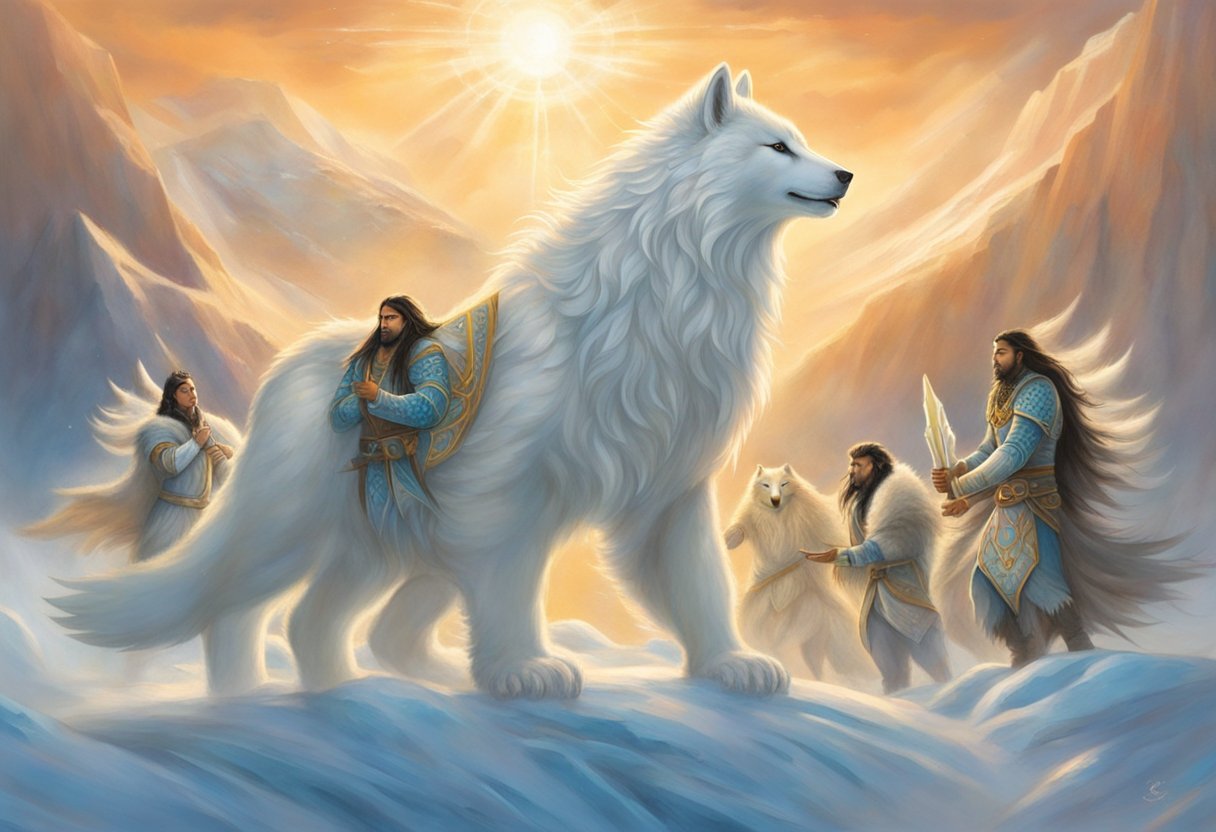

The vast, unforgiving, yet breathtakingly beautiful Arctic landscape has shaped the Inuit people for millennia. Within this unique environment, a rich tapestry of oral traditions, myths, and legends has flourished, serving not only as entertainment but also as vital cultural anchors. These aren’t mere bedtime stories; they are intricate narratives that encapsulate the essence of Inuit life, particularly their profound relationship with hunting.
The Heartbeat of a Culture: Why Hunting Stories Matter
Inuit hunting stories and legends are far more than simple tales. They are repositories of ancestral knowledge, moral codes, and practical survival strategies, passed down through generations. They teach about respect for nature, the interconnectedness of all living things, and the ingenuity required to thrive in one of the world’s harshest climates.
For the Inuit, hunting was, and in many communities still is, the cornerstone of existence. It provided food, clothing, shelter materials, and tools. Consequently, the act of hunting, the animals hunted, and the spiritual dimensions surrounding them became central themes in their folklore.
A Glimpse into the Inuit Worldview
Understanding these legends requires appreciating the Inuit worldview, which is deeply animistic. The belief that spirits inhabit all elements of nature – animals, plants, rocks, and even weather phenomena – is fundamental. This perspective fosters a profound respect for the environment and the creatures that share it.


Hunters, therefore, did not merely take life; they engaged in a sacred exchange. Stories often reinforce the idea that animals willingly offer themselves to respectful hunters, and that disrespect can lead to scarcity or misfortune. This spiritual contract is a recurring motif.
Common Themes in Inuit Hunting Legends
Inuit legends are incredibly diverse, but several recurring themes emerge, reflecting the priorities and challenges of Arctic life.
- Human-Animal Transformations: Many stories feature characters who can transform between human and animal forms, blurring the lines between species. This highlights the deep empathy and understanding the Inuit had for the creatures they hunted.
- Heroic Hunters and Survival: Tales of individuals overcoming immense challenges – fierce blizzards, cunning predators, or supernatural obstacles – while hunting reinforce bravery, perseverance, and essential survival skills.
- Animal Spirits and Deities: Legends often feature powerful animal spirits or deities, such as Sedna, the Goddess of the Sea, who controls marine animals. These stories explain natural phenomena and the importance of appeasing powerful entities.
- Moral and Ethical Lessons: Beyond survival, these narratives impart crucial social values: sharing, humility, patience, and the consequences of greed or arrogance.
Famous Inuit Legends and Their Hunting Connections
One might ask, ‘What are some famous Inuit legends?’ The story of Sedna, the sea goddess, is arguably the most prominent. Sedna’s myth explains the origin of marine animals – seals, whales, and fish – and underscores the hunter’s responsibility to maintain a respectful relationship with the sea. When hunters disrespect the ocean or its creatures, Sedna becomes angry, causing game to hide, leading to famine. Shamans (Angakkuq) would often journey to her underwater home to appease her.
Another widely known figure is the Qalupalik, a mythical creature that lives in the sea and snatches children who wander too close to the water’s edge. While a cautionary tale for children, it also subtly teaches about the dangers of the Arctic waters and the importance of staying safe near hunting grounds.
Stories involving the polar bear (Nanuk) are also abundant. These often portray the polar bear as a powerful, intelligent, and sometimes spiritual adversary or guide. Legends might describe hunters learning from polar bears, or even transforming into them, emphasizing the deep respect and awe felt for this apex predator.
Transmitting Knowledge: Beyond the Campfire
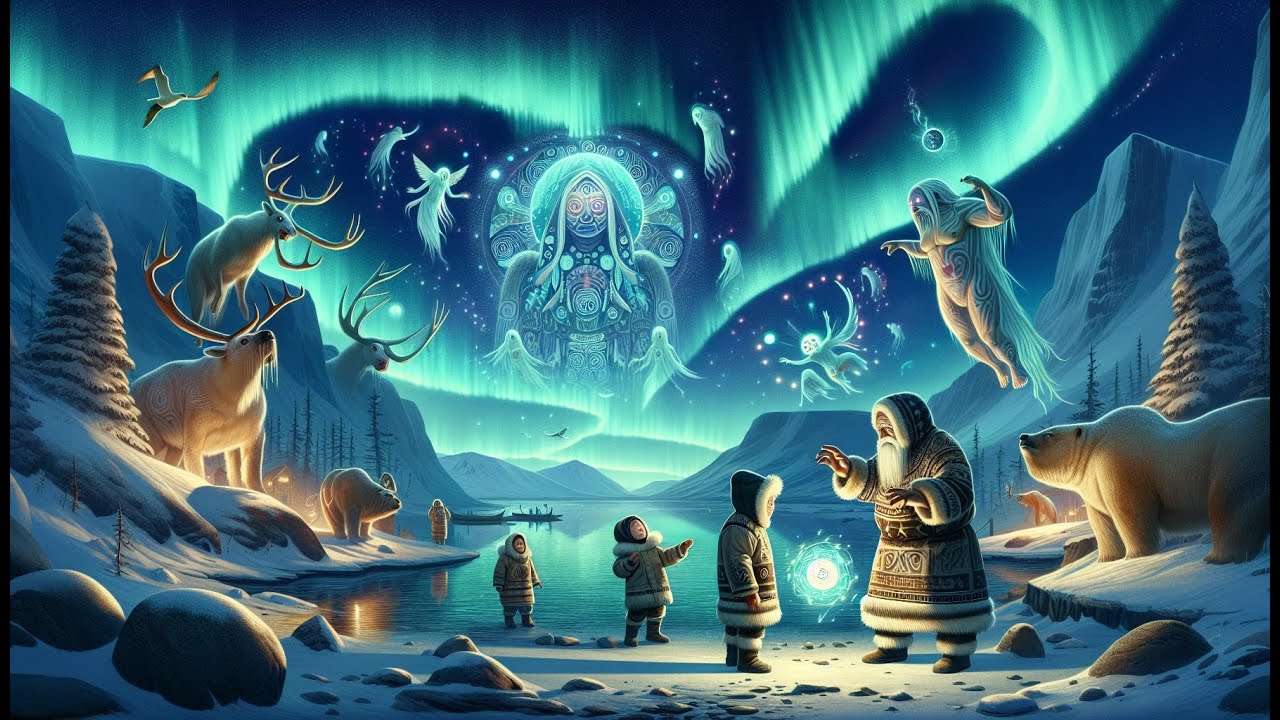

‘What do Inuit legends teach?’ These narratives are sophisticated pedagogical tools. They encode critical information about animal behavior, migration patterns, weather signs, and hunting techniques. For instance, a story about a hunter who successfully tracks a seal might subtly detail the best time of year, the appropriate tools, or the signs to look for.
The oral tradition ensures that this vital knowledge is not merely memorized but understood within a meaningful context. Children grow up hearing these stories, internalizing the lessons long before they wield a harpoon or set a trap. This method of education is highly effective, combining entertainment with practical instruction.
The Role of the Angakkuq (Shaman)
The Angakkuq played a crucial role in bridging the human and spirit worlds. Many hunting legends feature shamans undertaking perilous journeys to communicate with animal spirits or appease deities like Sedna to ensure successful hunts and community well-being. Their stories highlight the spiritual dimension of hunting and the need for balance.
Arctic Wildlife as Characters and Teachers
Every animal in the Arctic ecosystem finds its place in Inuit folklore. The cunning fox, the swift caribou, the majestic whale, and the resilient wolf all feature in tales that reflect their characteristics and their importance to human survival. These stories foster a deep understanding of the local fauna, crucial for successful subsistence hunting.
‘What are Inuit stories about?’ They are about resilience, community, the sacred bond between humans and animals, and the constant negotiation with an environment that demands respect and adaptability.
The Enduring Power of Oral Tradition
Before written language became widespread, oral tradition was the primary means of preserving history, culture, and knowledge. The intricate details, repetitive elements, and dramatic flair of Inuit legends made them memorable and ensured their accurate transmission from one generation to the next.
This oral heritage is a testament to the intellectual sophistication of the Inuit, demonstrating a complex system for cultural preservation that predates modern educational institutions.
Modern Relevance and Preservation Efforts
Today, as the Arctic faces rapid change, the preservation of Inuit hunting stories and legends is more important than ever. These narratives connect contemporary Inuit youth to their ancestral roots, reinforcing cultural identity in a globalized world.
Efforts are underway to document, translate, and share these stories through books, digital archives, and educational programs. This ensures that the wisdom embedded within them continues to inspire and inform, not just for the Inuit, but for all who seek to understand the human spirit’s connection to nature.
‘What is Inuit mythology?’ It is a vibrant, living tradition that continues to evolve, reflecting the profound spiritual and practical relationship the Inuit have with their Arctic homeland and its creatures. It’s a mythology born from observation, necessity, and a deep reverence for life.
These stories are not static relics of the past; they are dynamic expressions of a living culture, adapting and finding new audiences while retaining their core messages of respect, resilience, and interconnectedness.
From the icy expanse to the warmth of a communal gathering, these legends have always served as a bridge between the physical world of the hunt and the spiritual realm that governs it. They provide comfort, guidance, and a framework for understanding one’s place in the vast Arctic.
The lessons learned from these ancient narratives – the importance of sharing, the dangers of greed, the wisdom of elders, and the sacred bond with the animals – are timeless. They offer insights not only into Inuit culture but into universal human experiences.
In a world increasingly disconnected from the natural environment, the profound ecological wisdom encapsulated in Inuit hunting stories offers valuable lessons for us all. They remind us of our responsibility to the planet and its inhabitants.
The narratives often highlight the consequences of imbalance, whether it’s over-hunting, disrespecting prey, or failing to share resources. These are powerful ecological messages delivered through compelling storytelling.
Moreover, the sheer artistry of these oral traditions is remarkable. The vivid imagery, dramatic tension, and often poetic language demonstrate a sophisticated literary tradition that has thrived without the need for written texts for centuries.
These stories are a testament to the human capacity for storytelling as a means of survival, education, and cultural expression. They are a window into a world where every rustle of wind and every animal track held meaning.
Conclusion: The Unyielding Spirit of the Arctic Narratives
Inuit hunting stories and legends are a powerful testament to the resilience, ingenuity, and profound spiritual connection of a people who have thrived in the Arctic for thousands of years. They are more than just tales; they are living documents that transmit critical knowledge, ethical frameworks, and a deep respect for the natural world.
By exploring these narratives, we gain not only an appreciation for the rich cultural heritage of the Inuit but also timeless wisdom about our own place within the intricate web of life. These echoes of the Arctic continue to resonate, reminding us of the enduring power of storytelling and the sacred bond between humanity and nature.


