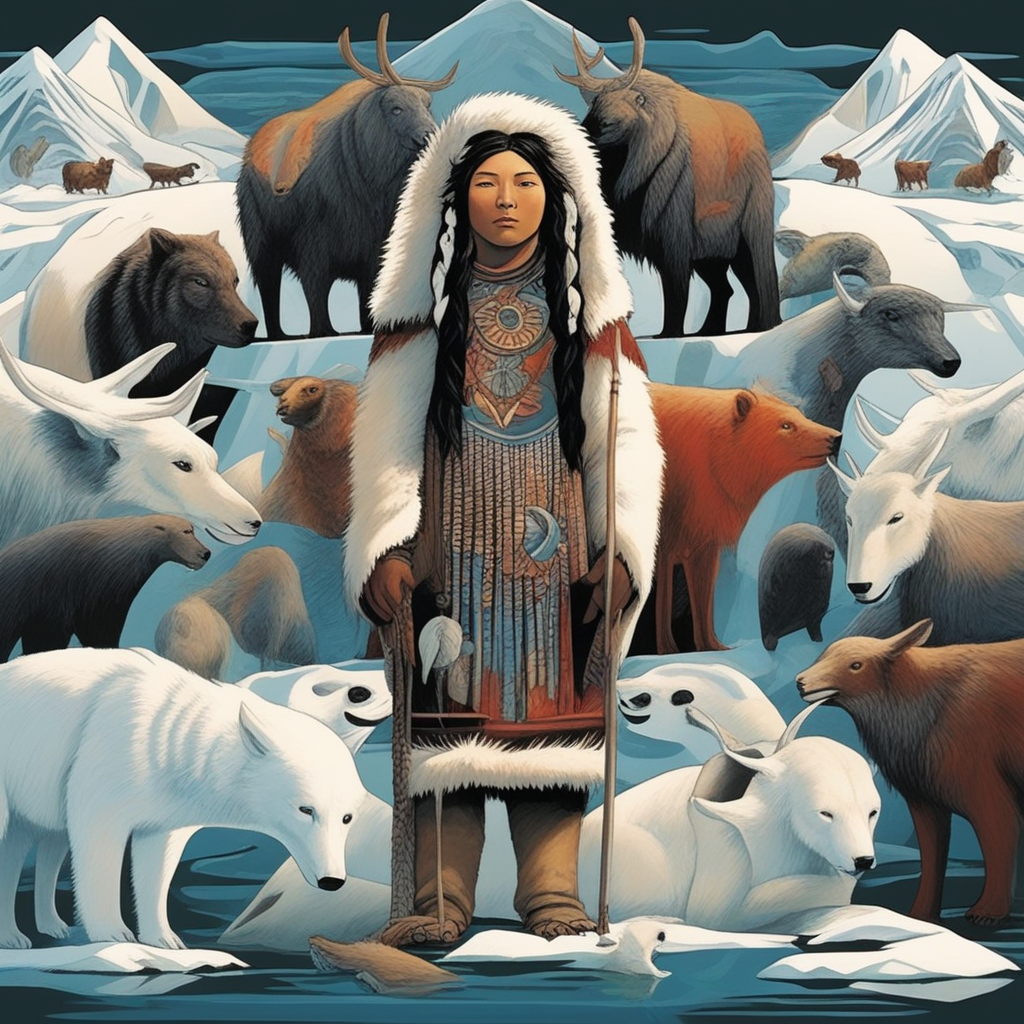

The vast, often stark, landscapes of the Arctic have fostered unique cultures and profound spiritual traditions. Among these, the animistic beliefs of the Inuit and Yup’ik peoples stand out as a testament to humanity’s deep connection with the natural world. While often referred to broadly as ‘Eskimo animism,’ it’s important to recognize the specific cultural groups and their distinct, yet interconnected, spiritual frameworks. This article delves into the heart of these beliefs, exploring how they shaped worldview, daily life, and survival in one of the planet’s most challenging environments.
At its core, animism is the belief that all objects, places, and creatures possess a distinct spiritual essence. This includes not only humans and animals but also plants, rocks, rivers, mountains, and even natural phenomena like wind and weather. For the Inuit and Yup’ik, this worldview implies a constant, intimate relationship with a vibrant spirit world that is not separate from the physical realm but deeply interwoven with it.
The Concept of Inua: The Spirit of All Things
Central to Inuit animism is the concept of Inua (plural: Inuat). This term refers to the spirit or ‘owner’ residing within every entity. An Inua is not merely a passive essence but an active, conscious being that can influence events, communicate, and even be offended if not treated with proper reverence. Understanding and respecting the Inuat was crucial for survival.
For instance, the Inua of a caribou might be a powerful being that allows itself to be hunted, provided the hunter follows specific rituals and shows respect. The Inua of the sea might dictate the abundance of marine life or the severity of storms. This belief system fostered a profound sense of humility and a deep ethical responsibility towards all aspects of their environment.
Anirniq: The Soul and Breath of Life


Beyond the general concept of Inua, Inuit spirituality also acknowledges Anirniq, which can be translated as ‘soul’ or ‘breath.’ It is the life force that animates living beings, particularly humans and animals. When a person or animal dies, their Anirniq may continue to exist, sometimes returning in new forms or residing in the spirit world.
The belief in Anirniq emphasizes the cyclical nature of life and death, and the continuity of existence. It also underscores the importance of proper funerary rites and respectful treatment of the deceased, to ensure their Anirniq finds peace and does not cause harm.
The Role of the Angakkuq (Shaman)
In societies deeply connected to the spirit world, intermediaries are often necessary. In Inuit culture, this role was fulfilled by the Angakkuq, or shaman. The Angakkuq was a revered and powerful figure, capable of traversing between the human and spirit realms to seek guidance, heal the sick, influence weather, and ensure successful hunts.
Becoming an Angakkuq was not a matter of choice but often involved a calling, marked by visions, dreams, or a profound experience. Training was rigorous, involving solitude, fasting, and mentorship from an elder Angakkuq or spirit guides. They learned to interpret omens, communicate with Inuat, and perform powerful spiritual journeys.
The Angakkuq’s abilities were vital for the community’s well-being. They could identify the cause of illness (often attributed to offended spirits), retrieve lost souls, or intercede with powerful entities like Sedna (the Sea Woman) to release marine animals for hunting during times of scarcity. Their practices often involved drumming, chanting, and ecstatic trance states.
Hunting Rituals and Taboos: Maintaining Balance
Given the critical reliance on hunting for survival, Inuit animism deeply influenced hunting practices. Every hunt was a spiritual endeavor, requiring careful preparation, respectful conduct, and specific rituals. Hunters would offer prayers or small gifts to the Inua of the animals they sought, asking for permission to take a life.
Taboos played a significant role in maintaining balance and showing respect. For example, certain parts of an animal might be treated differently, or specific actions might be forbidden after a successful hunt. There were often taboos related to mixing land and sea animals, or specific days when certain activities were prohibited. Breaking a taboo could offend the spirits, leading to bad luck, illness, or poor hunting seasons.
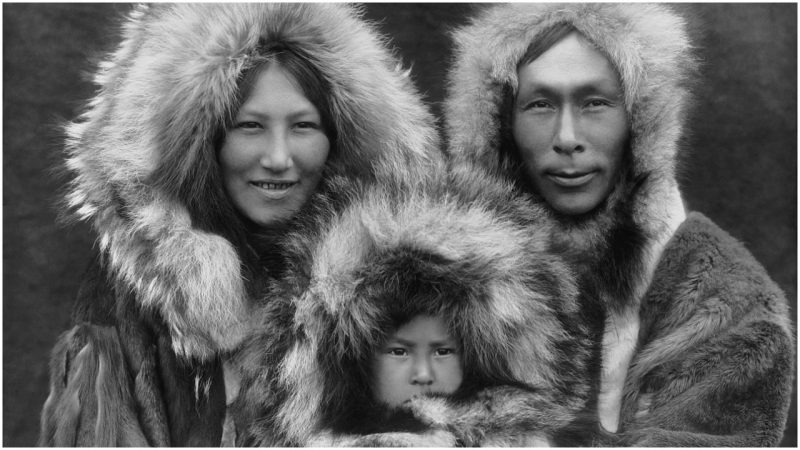

These practices were not mere superstitions; they were a sophisticated system of environmental management and spiritual ethics, ensuring that resources were used wisely and that the delicate balance between humans and nature was preserved.
Oral Traditions and Storytelling
The rich tapestry of Inuit animism was passed down through generations primarily via oral traditions and storytelling. Myths, legends, and personal narratives served as vital vehicles for transmitting knowledge about the spirit world, the proper ways of interacting with Inuat, and the moral lessons essential for community harmony and survival.
Stories of powerful animal spirits, mischievous tricksters, and epic journeys to the spirit world captivated audiences and instilled core values. These narratives were not just entertainment; they were educational tools, guiding principles, and a living connection to ancestral wisdom.
Connection to Nature and Environmental Ethics
The animistic worldview of the Inuit fostered a profound environmental ethic. The land, sea, ice, and sky were not inert resources to be exploited but living entities deserving of reverence. This perspective ingrained a deep respect for all life and a cautious approach to resource utilization, long before modern environmentalism emerged.
Every action had spiritual implications. The waste of resources, disrespect towards animals, or pollution of the environment could anger the Inuat, leading to dire consequences for the community. This holistic understanding of the ecosystem is a powerful legacy of Inuit animism.
Impact of Colonialism and Modern Influences
With the arrival of European explorers, traders, and missionaries, Inuit animistic beliefs faced significant challenges. Missionaries often condemned traditional practices as ‘pagan’ and actively sought to convert Inuit to Christianity. This led to the suppression of shamanism, the destruction of sacred objects, and a disruption of traditional spiritual life.
Despite these pressures, Inuit animism proved remarkably resilient. Many beliefs and practices went underground or adapted, leading to forms of syncretism where Christian elements blended with traditional spiritual concepts. The core values of respect for nature and the interconnectedness of life often persisted, even within new religious frameworks.
Enduring Legacy and Contemporary Relevance
The principles of Inuit animism offer valuable insights for modern society, particularly concerning environmental stewardship and the importance of living in harmony with nature. The understanding that everything is alive and interconnected provides a powerful framework for addressing ecological challenges and fostering a more respectful relationship with the planet.
Inuit art, from carvings to prints, continues to be a vibrant expression of these animistic beliefs. Often depicting transformations between human and animal forms, or scenes from the spirit world, these artworks serve as tangible links to a rich spiritual past and a powerful statement of cultural continuity.
The profound respect for animals, the land, and the spiritual dimensions of existence embedded in Inuit animism highlight a worldview that prioritizes balance, humility, and interdependence. It’s a testament to how indigenous knowledge systems offer enduring wisdom for navigating the complexities of life.
Conclusion: A Living Tradition of Respect
In summary, Inuit animism is far more than a collection of superstitions; it is a sophisticated, holistic worldview that profoundly shaped the lives of Arctic indigenous peoples. It is characterized by the belief that all things possess a spirit (Inua), the recognition of a soul or life force (Anirniq), and the vital role of shamans (Angakkuq) in mediating between worlds.
Through intricate rituals, strict taboos, and a rich oral tradition, these beliefs fostered an unparalleled reverence for nature, guided hunting practices, and instilled a deep sense of ethical responsibility. Despite historical challenges, the spirit of Inuit animism endures, continuing to inform cultural identity, inspire artistic expression, and offer timeless lessons on living in respectful harmony with the living world around us.


