

The vast, unforgiving landscapes of the Arctic have long tested the limits of human endurance. For millennia, the Inuit people have not merely survived but thrived in this challenging environment, a testament to their profound understanding of nature and remarkable ingenuity. Central to their enduring success has been a sophisticated array of traditional trapping methods, techniques honed over countless generations that provided essential resources for life.
This comprehensive article delves into the intricate world of Inuit traditional trapping, exploring the historical context, the ethical frameworks guiding their practices, the ingenious tools and techniques employed, and the enduring cultural significance of these methods. We aim to shed light on a vital aspect of Inuit heritage, showcasing their sustainable relationship with the land and its creatures.
Understanding Inuit trapping is not merely about historical practices; it’s about appreciating a living heritage that continues to adapt and inform contemporary life in the North. It offers profound insights into sustainable resource management, ecological knowledge, and the deep spiritual connection the Inuit maintain with their environment.
The Arctic Ecosystem: A Demanding Teacher
The Arctic presents unique challenges for subsistence. Resources are often scarce, weather conditions extreme, and the hunt demanding. Inuit traditional trapping methods were developed in response to these harsh realities, designed to be efficient, respectful, and sustainable, ensuring the long-term availability of vital food, clothing, and shelter.
These methods were not random acts of survival but part of an elaborate system of knowledge, passed down through oral tradition and practical demonstration. Every trap, every technique, was a reflection of deep observation and understanding of animal behavior, migration patterns, and the subtle cues of the environment.

Ethical Frameworks and Respect for Nature
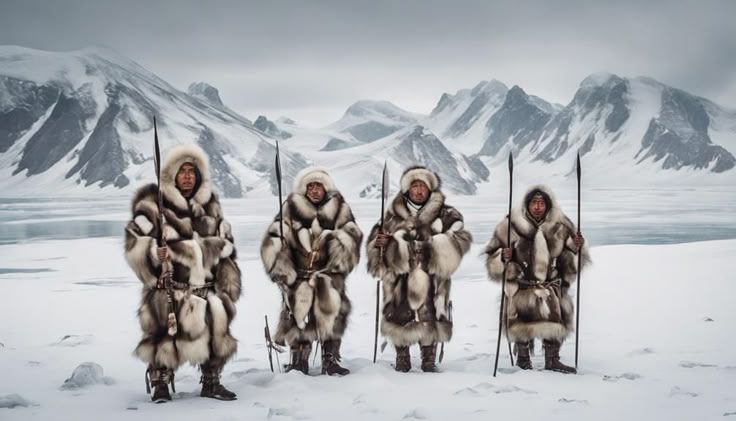
At the core of Inuit traditional trapping lies a profound respect for all living beings and the land itself. The Inuit worldview emphasizes a spiritual connection with animals, viewing them not just as resources but as sentient beings that willingly offer themselves if treated with respect.
This philosophy meant that waste was abhorrent. Every part of an animal was utilized – meat for sustenance, fat for fuel and light, hides for clothing and shelter, bones and antlers for tools. The act of trapping was accompanied by rituals and proper conduct to ensure the animal’s spirit was honored.
Qujaqqaa, or gratitude, was a cornerstone of this ethical framework. Hunters and trappers expressed thanks to the animals for providing for their families, fostering a reciprocal relationship rather than one of mere exploitation. This ensured a sustainable approach to resource harvesting.
Traditional Tools and Techniques: Ingenuity in Action
Inuit trappers employed a diverse range of methods, each tailored to specific animals and environmental conditions. These techniques often relied on simple yet effective principles, utilizing natural materials readily available in the Arctic landscape.
One of the most widespread techniques involved various forms of snares. Made from strong sinew, rawhide, or braided plant fibers (where available), snares were strategically placed along animal trails or near dens. These were particularly effective for smaller game like arctic foxes, hares, and ptarmigan.
Deadfalls were another common and ingenious method. These involved constructing a trap where a heavy object, typically a large stone or log, was propped up by a delicate trigger mechanism. When an animal, such as a wolverine or fox, disturbed the bait or trigger, the heavy object would fall, dispatching the animal quickly and humanely.
The construction of deadfalls required significant knowledge of physics and animal behavior. Trappers had to understand leverage, weight distribution, and the natural curiosity of their prey to design effective and reliable traps. These were often made from local materials like snow, ice, and driftwood.


For marine mammals, harpoons were the primary tool, though not strictly a ‘trap’ in the conventional sense, they represent a crucial hunting method. These sophisticated tools, with detachable heads and long lines, were essential for hunting seals, walruses, and whales from kayaks or ice edges, ensuring the animal could be retrieved.
Fish weirs and nets, constructed from sinew or baleen, were also used extensively. Weirs were barriers built in rivers or shallow waters to guide fish into an area where they could be easily speared or netted. This method allowed for efficient harvesting of fish, a critical food source.
Targeted Trapping: Adapting to Specific Prey
Different animals required different approaches. Trapping for the arctic fox, highly valued for its warm fur, often involved small deadfalls or snares baited with meat. These traps were frequently checked to ensure the quality of the fur and humane dispatch.
Caribou, while primarily hunted with spears and bows, were sometimes channeled into corrals or traps made of snow walls or natural terrain features, especially during migration, allowing for a more controlled harvest.
For polar bears, a highly dangerous hunt, specialized knowledge and preparation were paramount. While modern regulations severely restrict polar bear hunting, historically, methods involved specialized spears and deep understanding of their movements, often involving communal efforts.
The Role of Knowledge and Skill
Successful trapping was not just about the tools; it was about the trapper’s intimate knowledge of the environment. This included understanding animal tracks, scent trails, feeding habits, migration routes, and seasonal changes. Every detail mattered.
This knowledge was not learned from books but through direct experience, observation, and intergenerational teaching. Elders passed down wisdom to younger generations, demonstrating techniques, sharing stories, and fostering a deep connection to the land and its resources.
Factors like wind direction, snow conditions, and even the phase of the moon could influence trap placement and success. A skilled trapper was essentially a living encyclopedia of Arctic ecology, a testament to Indigenous knowledge systems.
Sustainability and Resource Management
Inuit traditional trapping methods were inherently sustainable. The nomadic or semi-nomadic lifestyle meant communities moved with the seasons, allowing resources in one area to replenish. There was no concept of over-exploitation for profit, only for sustenance.
Harvesting practices were guided by the principle of taking only what was needed and ensuring that animal populations could recover. This long-term perspective is a hallmark of Indigenous resource management, contrasting sharply with many modern industrial practices.
Modern Adaptations and Challenges
Today, Inuit communities continue to practice traditional trapping, though often incorporating modern tools like snowmobiles for travel and steel traps (regulated and often modified for humane dispatch) alongside traditional methods. The blend of old and new reflects an adaptive culture.
However, contemporary trappers face new challenges. Climate change is altering animal migration patterns, ice conditions, and the availability of traditional resources. Regulatory frameworks, often imposed externally, can sometimes clash with traditional practices and knowledge.
Despite these challenges, the commitment to preserving traditional skills remains strong. Many communities actively work to teach younger generations not only the techniques but also the underlying ethics and cultural values associated with trapping.
Economic and Social Impact
Beyond providing food and materials, trapping played a crucial role in the social fabric and economy of Inuit communities. Furs were valuable commodities for trade, both among Inuit groups and later with European traders, providing access to goods not available locally.
The act of trapping fostered community cohesion, as knowledge was shared, and successful hunts often meant communal feasting. It reinforced roles within the community and strengthened intergenerational bonds.
Addressing Common Questions (People Also Ask)
What animals did Inuit traditionally trap? Inuit traditionally trapped a wide range of animals including arctic fox, arctic hare, ptarmigan, wolverine, muskrat, and various fish species. Larger marine mammals like seals, walruses, and caribou were typically hunted with harpoons and spears, though specific trapping-like methods (e.g., corrals for caribou) were also employed.
Are Inuit still allowed to trap? Yes, Inuit are still allowed to trap. Trapping remains an important part of their subsistence lifestyle and cultural heritage. However, modern trapping is subject to national and international regulations, including licensing, quotas, and humane trapping standards, which vary by region.
How did Inuit survive in the Arctic? Inuit survived in the Arctic through an unparalleled mastery of their environment, relying on traditional hunting and trapping for food, clothing (from animal hides), and shelter. Their survival was also dependent on ingenious tool-making, deep ecological knowledge, strong community cooperation, and remarkable adaptability to extreme conditions.
What is the significance of trapping to Inuit culture? Trapping is profoundly significant to Inuit culture, representing not just a means of survival but a central pillar of their identity, knowledge systems, and spiritual connection to the land. It embodies intergenerational learning, respect for animals, sustainable living, and community resilience.
What materials did Inuit use for traps? Inuit primarily used natural materials readily available in the Arctic. These included animal sinew and rawhide for snares, large stones and logs (often driftwood) for deadfalls, snow and ice for trap structures, and baleen or sinew for nets.
Preserving a Living Heritage
The traditional trapping methods of the Inuit are more than just historical footnotes; they are a living testament to human ingenuity, resilience, and a profound respect for the natural world. They encapsulate centuries of accumulated knowledge, ethical practices, and sustainable living in one of the planet’s most challenging environments.
As the world grapples with environmental challenges, the wisdom embedded in Inuit traditional trapping offers valuable lessons in sustainability, resource management, and the importance of maintaining a harmonious relationship with nature. It is a heritage that continues to inspire and inform.
By understanding and respecting these practices, we gain a deeper appreciation for the Inuit people’s incredible adaptability and their enduring legacy as stewards of the Arctic. Their methods are a powerful reminder that true survival lies not in conquering nature, but in living in balance with it.


