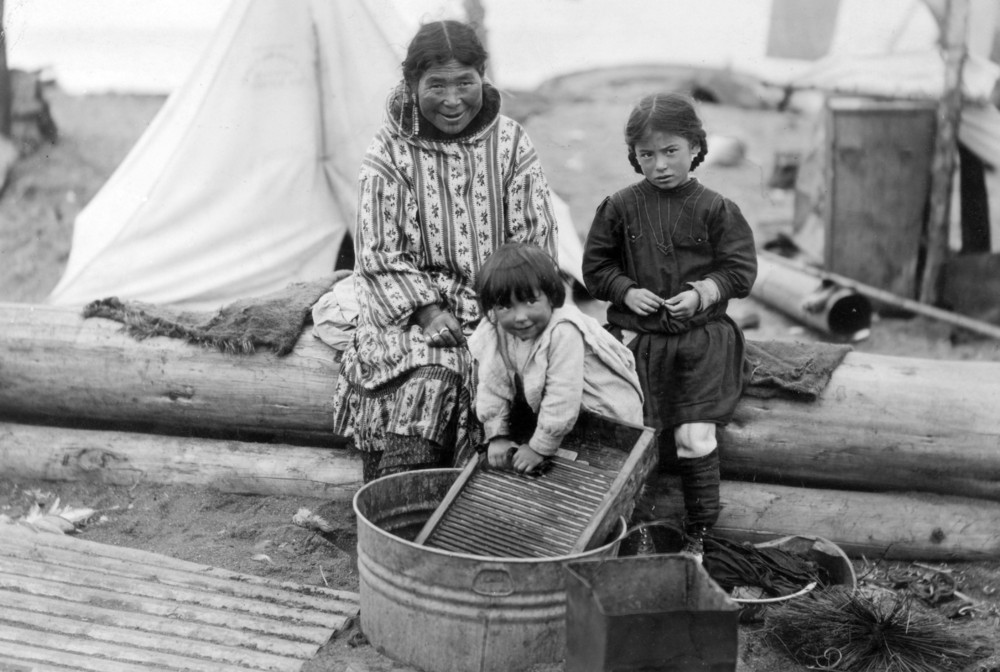

The Arctic, a vast and often unforgiving landscape, is home to vibrant indigenous cultures whose children navigate a world shaped by both ancient traditions and modern influences. When we refer to ‘Eskimo children,’ it’s important to understand that this term is largely considered outdated and, in some contexts, offensive. The preferred and respectful terms are ‘Inuit’ (primarily in Canada and Greenland) and ‘Yup’ik’ (primarily in Alaska and Siberia), among other distinct groups.
This article aims to provide an informative and respectful look into the daily lives of children growing up in these northern regions, focusing on the blend of resilience, adaptation, and cultural richness that defines their childhood.
Life in the Arctic presents unique challenges and opportunities. From the extreme cold and long periods of darkness to the breathtaking beauty of the tundra and ice, the environment plays a pivotal role in shaping daily routines, subsistence activities, and cultural practices.
For centuries, Inuit and Yup’ik communities have thrived by deeply understanding and respecting their environment. Children are immersed in this knowledge from a very young age, learning vital survival skills and cultural values through observation and hands-on experience.
Home and Family: The Heart of Arctic Life
The family unit is the cornerstone of Arctic society. Historically, dwellings varied from snow houses (igloos) used during hunting trips to semi-subterranean sod houses (qarmaq or sod igloos) and tents (tupiq) in summer. Today, most families live in modern, insulated homes, though traditional structures are still used for cultural activities or temporary shelter.
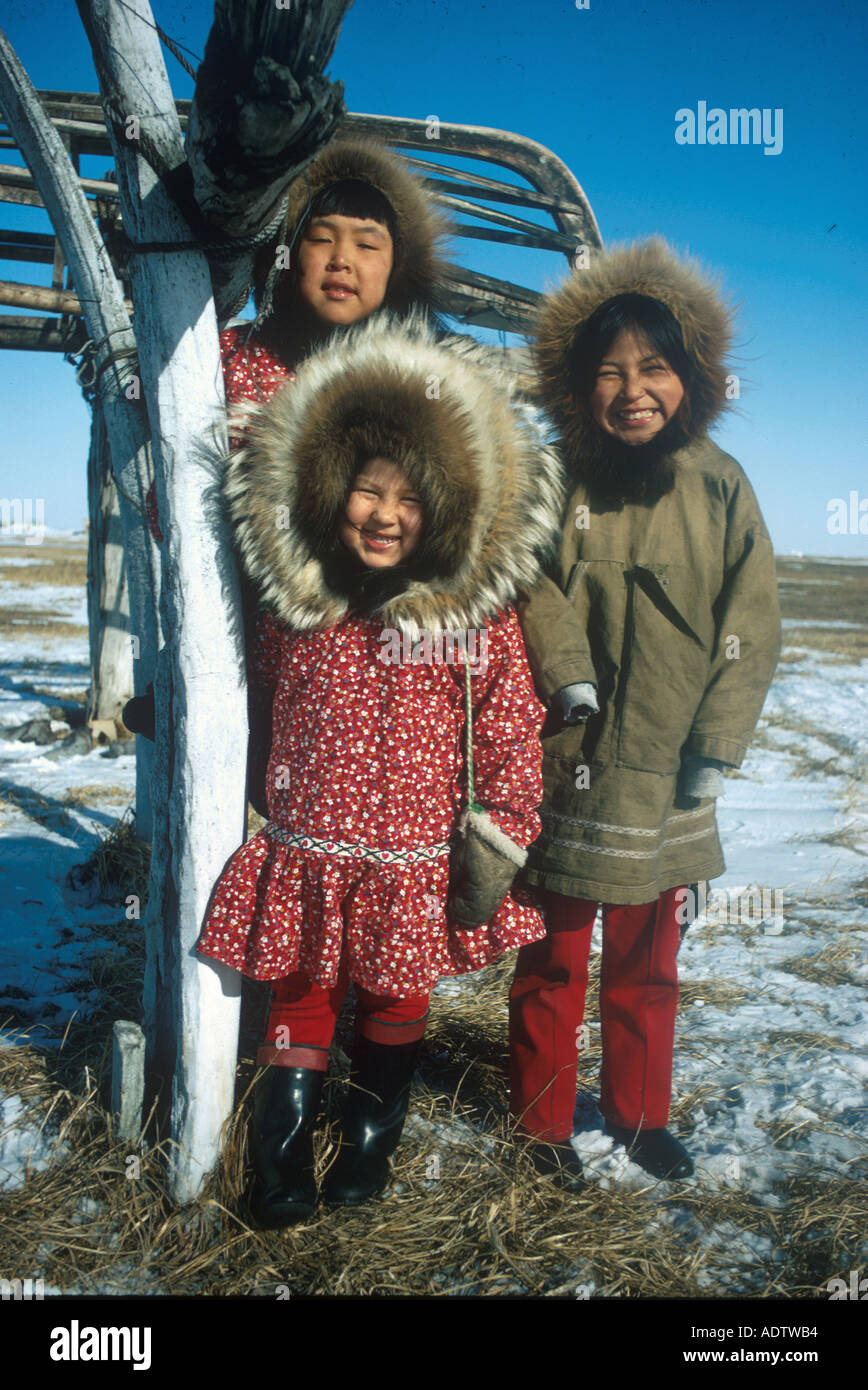

Extended families often live in close proximity, fostering strong community bonds. Children are raised within a supportive network of parents, grandparents, aunts, uncles, and cousins, all contributing to their upbringing and education.
Respect for elders and a strong sense of community responsibility are instilled early. Children learn that cooperation is essential for survival and well-being in their challenging environment.
Daily Routines and Responsibilities: Learning Through Doing
A typical day for an Arctic child is a rich tapestry of learning, play, and contribution. Unlike highly structured Western schedules, learning often happens organically, integrated into daily activities.
Young children observe their parents and elders, mimicking actions and absorbing knowledge. They might watch a parent prepare a seal for food, learn to sew a parka, or help clean fish caught during a fishing expedition.
As they grow, children are given age-appropriate responsibilities. This could range from helping with household chores, caring for younger siblings, or assisting with traditional tasks like preparing hides, gathering berries, or helping with the fishing nets.
For boys, learning to hunt, fish, and navigate the land and ice is crucial. They spend time with fathers and male relatives, mastering skills like tracking animals, operating snowmobiles or boats, and understanding the nuances of the Arctic ecosystem.
Girls traditionally learn skills related to food preparation, sewing, and child-rearing from mothers and female relatives. However, modern life often sees a blending of these roles, with both boys and girls learning a wider range of skills.
Food and Nutrition: Sustenance from the Land and Sea
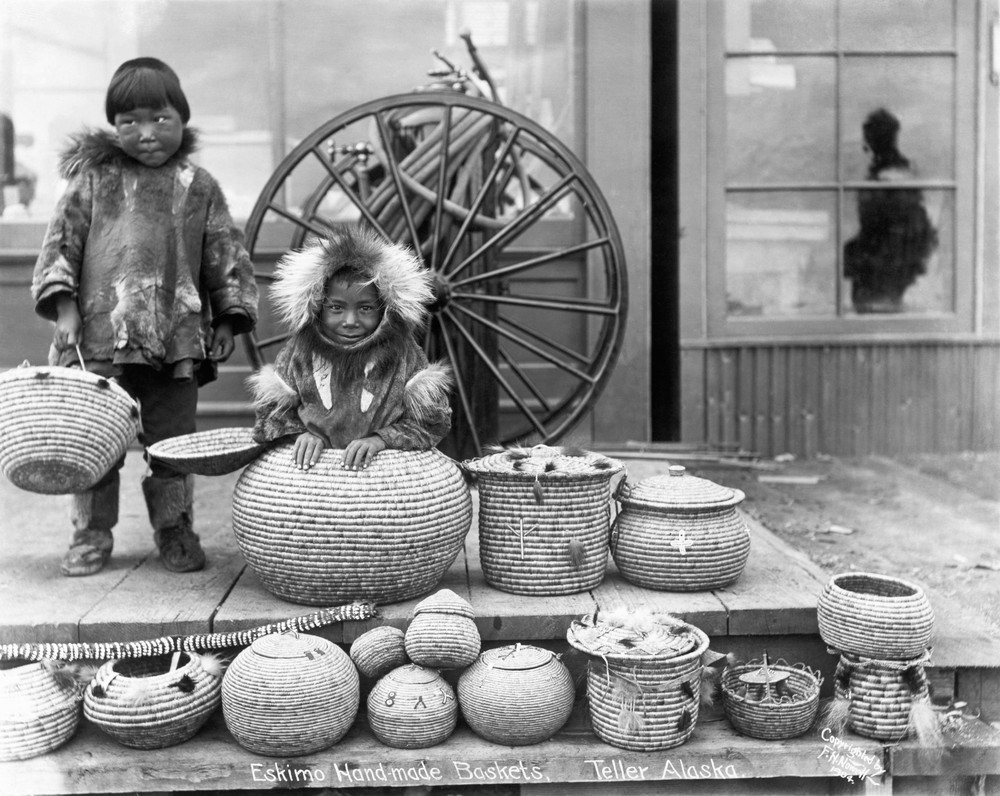

The traditional diet, often referred to as ‘country food,’ is central to Inuit and Yup’ik culture and nutrition. This diet is rich in protein and essential nutrients, primarily consisting of marine mammals like seal and whale, caribou, fish (salmon, Arctic char), and migratory birds.
Children grow up eating these foods, which are often prepared in various ways – raw, dried, boiled, or fermented. Food sharing is a deeply ingrained practice, ensuring that everyone in the community has access to sustenance, especially after a successful hunt.
While traditional foods remain vital, modern store-bought foods have become increasingly common due to accessibility and changing lifestyles. However, reliance on imported foods can lead to dietary changes and health challenges in some communities.
Education and Learning: Blending Old and New
Traditional education in Arctic communities emphasized oral history, storytelling, and practical skills passed down through generations. Elders play a crucial role, sharing wisdom, legends, and knowledge of the land, weather, and animal behavior.
Today, most Arctic children attend formal schools, often in their home villages. These schools typically follow national curricula but increasingly incorporate indigenous languages and cultural studies to preserve heritage.
Bilingual education is common, with children learning both their indigenous language (e.g., Inuktitut, Yup’ik) and a national language (English, Danish, Russian). This helps maintain cultural identity while preparing them for broader opportunities.
Challenges in education include limited resources, teacher retention in remote areas, and the need to balance traditional knowledge with modern academic requirements. Some older children may attend boarding schools in larger towns for higher education.
Play and Recreation: Arctic Adventures
Play is fundamental to childhood everywhere, and Arctic children are no exception. Their play often reflects their environment and prepares them for adult roles.
Traditional games might include wrestling, tug-of-war, or various forms of ‘string games’ that develop dexterity and storytelling. Outdoor play involves building snow forts, sliding on ice, and playing with dog teams (historically, and still for some).
Hunting and fishing, while responsibilities, can also be recreational activities, fostering a deep connection to nature. Children learn to identify animal tracks, understand ice conditions, and navigate vast landscapes.
In modern times, children also enjoy contemporary forms of play and entertainment, including video games, sports, and social media, creating a unique blend of traditional and global childhood experiences.
Clothing and Adaptation: Staying Warm in Extreme Cold
The ability to stay warm is paramount in the Arctic. Traditionally, clothing was crafted from caribou hide and sealskin, expertly sewn to provide maximum insulation. Parkas (anoraks), mittens, and boots were essential.
Children learn from a young age the importance of proper layering and the function of different materials. While traditional clothing is still worn, especially for outdoor activities, modern synthetic winter gear is also widely used for its warmth and durability.
Health and Well-being: Navigating Modern Challenges
Access to healthcare can be a significant challenge in remote Arctic communities. While traditional healing practices still exist, most communities rely on local clinics, often staffed by nurses, with doctors visiting periodically or patients being flown to larger centers for specialized care.
Arctic children face unique health challenges, including higher rates of respiratory infections, nutritional issues linked to changing diets, and mental health concerns such as anxiety and depression, exacerbated by social changes and historical trauma.
Community-led initiatives are vital in addressing these challenges, focusing on cultural resilience, suicide prevention, and promoting healthy lifestyles that incorporate both traditional wisdom and modern medical understanding.
Cultural Preservation and Future Generations
The daily life of Inuit and Yup’ik children is a testament to the enduring strength and adaptability of their cultures. Efforts to preserve indigenous languages, traditional arts, and storytelling are crucial for future generations.
As the world changes, these children stand at the crossroads of tradition and modernity, carrying forward the wisdom of their ancestors while embracing new opportunities and technologies.
Their lives are a powerful reminder of the diversity of human experience and the profound connection between people, culture, and the environment. Understanding their world helps us appreciate the richness of global indigenous heritage.
In conclusion, the daily life of children in the Arctic, whether Inuit or Yup’ik, is a dynamic and evolving experience. It is characterized by deep family and community bonds, hands-on learning, a strong connection to the land and sea, and a remarkable resilience in the face of environmental and societal changes. These children are not just surviving; they are thriving, carrying forward a rich cultural legacy while shaping their own unique future.


