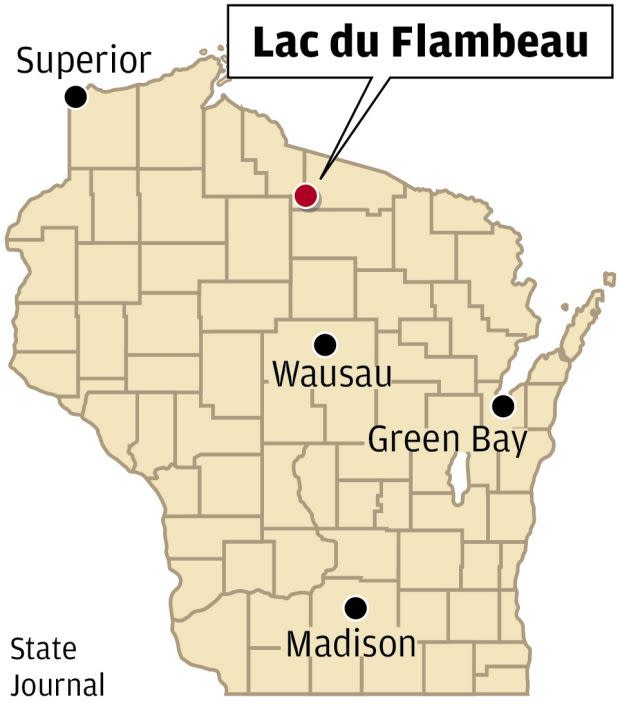

Nestled amidst the pristine lakes and ancient forests of Northern Wisconsin lies the ancestral homeland of the Lac Du Flambeau Band of Lake Superior Chippewa Indians. This sovereign nation, an integral part of the larger Ojibwe (Anishinaabe) people, offers a profound glimpse into a rich cultural heritage, a history of resilience, and a vibrant contemporary community.
For visitors and those seeking a deeper understanding of Indigenous cultures, the Lac Du Flambeau Reservation is more than just a geographical location; it is a living testament to self-determination, cultural preservation, and a deep connection to the land. This article will delve into the multifaceted aspects of the Lac Du Flambeau Band, from its historical roots to its modern-day endeavors.
A Glimpse into History: Roots of the Lac Du Flambeau Chippewa
The Ojibwe people, known as Anishinaabe (Original People), have inhabited the Great Lakes region for centuries. Their history is one of extensive migration, adapting to the land, and establishing complex social and spiritual systems. The Lac Du Flambeau Band’s name itself, meaning ‘Lake of the Torches’ in French, refers to the Ojibwe practice of spearfishing at night using torches to attract fish, a tradition deeply embedded in their identity and subsistence.
Prior to European contact, the Ojibwe lived a semi-nomadic lifestyle, moving with the seasons to harvest wild rice, hunt deer and bear, fish the abundant waters, and gather berries and medicinal plants. Their intricate knowledge of the environment was, and remains, paramount to their survival and cultural practices.
The 19th century brought significant changes with the influx of European settlers and the signing of various treaties. Through the Treaties of 1837, 1842, and 1854, the Ojibwe ceded vast tracts of land to the United States government. However, these treaties also established reservations, including the Lac Du Flambeau Reservation, ensuring a homeland for the people and preserving certain hunting, fishing, and gathering rights on ceded territories.


The Lac Du Flambeau Reservation was formally established by the Treaty of 1854, covering approximately 86,000 acres across Vilas and Iron Counties. This land base, though significantly smaller than their ancestral domain, became the foundation for the community’s future.
Culture and Traditions: Preserving a Rich Heritage
Cultural preservation is at the heart of the Lac Du Flambeau community. The Ojibwe language, Anishinaabemowin, is actively being revitalized through language programs in schools and community initiatives. Efforts are made to ensure that younger generations connect with their linguistic heritage, which carries with it a unique worldview and understanding of the natural world.
Traditional ceremonies and spiritual practices continue to be vital. Powwows (Wacipi) are significant cultural gatherings, bringing together tribal members and visitors to celebrate through drumming, singing, dancing, and feasting. These events are not just performances; they are sacred expressions of identity, community, and connection to the ancestors.
The George W. Brown, Jr. Ojibwe Museum and Cultural Center stands as a beacon of cultural preservation. It houses artifacts, exhibits, and educational programs that tell the story of the Lac Du Flambeau people, from ancient times to the present day. Visitors can explore traditional crafts like beadwork, quillwork, and basketry, gaining an appreciation for the intricate artistry and symbolism embedded in each piece.
Storytelling, an ancient art form, remains a powerful tool for transmitting knowledge, history, and moral lessons across generations. Elders share narratives that connect the community to their past, reinforcing values and cultural identity.
Governance and Self-Determination: A Sovereign Nation
The Lac Du Flambeau Band operates as a sovereign nation with its own distinct governmental structure. The Tribal Council, elected by community members, serves as the governing body, making decisions that affect the well-being and future of the reservation.
This self-governance allows the tribe to manage its own affairs, including law enforcement, judicial systems, natural resource management, and the provision of essential services such as healthcare, education, and social programs. This exercise of tribal sovereignty is crucial for the community’s ability to determine its own destiny and implement culturally appropriate solutions.


Tribal departments work diligently to address the needs of their members, from elder care services to youth development programs, demonstrating a holistic approach to community welfare. The tribe’s commitment to self-determination is a testament to its enduring strength and resilience.
Economy and Development: Building a Sustainable Future
Economic development is a cornerstone of the Lac Du Flambeau Band’s efforts to create a sustainable future for its members. A primary driver of the tribal economy is the Lake of the Torches Resort Casino. This enterprise provides significant employment opportunities for both tribal and non-tribal members and generates revenue that supports tribal government operations and various community programs.
Beyond gaming, the tribe is actively involved in other economic ventures. Sustainable forestry practices manage the vast timber resources on the reservation, balancing economic benefit with environmental stewardship. Tourism and outdoor recreation also play a vital role, drawing visitors to the reservation’s numerous lakes and pristine natural areas for fishing, boating, hunting, and camping.
The tribe continually explores new avenues for economic diversification, aiming to create a robust and resilient economy that benefits all community members and fosters long-term prosperity.
Life on the Reservation Today: Community and Progress
Life on the Lac Du Flambeau Reservation is a dynamic blend of tradition and modernity. The community benefits from tribal-run services designed to meet diverse needs. The Lac du Flambeau Public School system, for instance, often incorporates Ojibwe language and cultural teachings into its curriculum, ensuring that children grow up with a strong sense of identity.
Healthcare services are provided through tribal clinics, offering accessible care to residents. Housing initiatives aim to provide safe and affordable homes, while infrastructure projects continuously improve the quality of life for those living on the reservation.
Community events, sports leagues, and youth programs foster a strong sense of belonging and provide opportunities for engagement and growth, reinforcing the communal bonds that are so central to Ojibwe culture.
Environmental Stewardship: Guardians of the Land and Water
The Lac Du Flambeau Band holds a profound reverence for the natural world. Their traditional ecological knowledge informs their approach to environmental stewardship, viewing themselves as guardians of the land, water, and wildlife for future generations.
The tribe actively engages in conservation efforts, including water quality monitoring of its 100+ lakes, sustainable forest management, and wildlife habitat protection. These initiatives are not merely regulatory; they are deeply rooted in a spiritual and cultural obligation to maintain the balance and health of their ancestral lands.
This commitment to environmental protection ensures that the beautiful natural resources that define Northern Wisconsin will continue to thrive, benefiting both tribal members and the broader region.
Visiting Lac Du Flambeau: An Authentic Experience
The Lac Du Flambeau Reservation welcomes visitors who seek to learn, explore, and respectfully engage with its culture and natural beauty. When visiting, it is important to remember that you are on sovereign land and to act with respect and mindfulness.
- The George W. Brown, Jr. Ojibwe Museum and Cultural Center: Essential for understanding the history and culture.
- Lake of the Torches Resort Casino: For entertainment and dining.
- The numerous lakes and forests: Offering unparalleled opportunities for fishing, boating, hiking, and wildlife viewing. Always check for necessary permits or guided access.
- Local businesses: Support tribal enterprises and local artisans.
- Powwows and cultural events: Attending these can be a deeply enriching experience, but always observe proper etiquette and respect for sacred traditions.
By engaging respectfully, visitors can gain invaluable insights into the enduring spirit and vibrant culture of the Lac Du Flambeau Band.
Conclusion: An Enduring Legacy
The Lac Du Flambeau Band of Lake Superior Chippewa Reservation stands as a powerful example of Indigenous resilience, cultural vitality, and self-determination. From their ancient traditions and deep connection to the land to their modern governance and economic initiatives, the people of Lac Du Flambeau continue to honor their past while building a strong future.
Their story is a vital part of Wisconsin’s heritage and a testament to the strength of Indigenous communities across North America. Exploring the Lac Du Flambeau Reservation offers a unique opportunity to appreciate a rich culture, stunning natural beauty, and the unwavering spirit of the Ojibwe people.
Understanding and respecting the sovereignty and culture of the Lac Du Flambeau Band enriches us all, fostering a more informed and appreciative perspective on the diverse tapestry of American history and contemporary life.


