

The vast, icy landscapes of the Arctic have long been home to the Inuit people, a culture rich in resilience, wisdom, and an extraordinary oral tradition. For millennia, their understanding of the world, its mysteries, and its challenges has been encapsulated in a vibrant collection of myths and legends. These stories are far more than mere tales; they are the very fabric of Inuit worldview, offering explanations for natural phenomena, guiding moral conduct, and preserving the deep spiritual connection to their unique environment.
Understanding Inuit mythology is to embark on a journey into the heart of Arctic survival and spirituality. It’s a world where animals transform into humans, where spirits inhabit every element of nature, and where the line between the physical and the supernatural is beautifully blurred. This article will delve into the profound significance of these narratives, exploring their key figures, central themes, and their enduring impact on Inuit culture.
Understanding Inuit Mythology: A Glimpse into the Arctic Soul
Inuit mythology, often shared through generations of oral storytelling, reflects a profound respect for the natural world and an intimate understanding of its harsh realities. Unlike many European mythologies with clear pantheons of gods, Inuit spiritual beliefs are often characterized by animism – the belief that all objects, places, and creatures possess a distinct spiritual essence. This worldview emphasizes interconnectedness and a delicate balance that must be maintained for survival.
The stories are not static; they adapt and evolve, yet their core messages about community, respect for elders, the power of nature, and the importance of humility remain constant. They serve as historical records, ethical guides, and profound artistic expressions.
The Heart of the Arctic: Key Themes in Inuit Legends
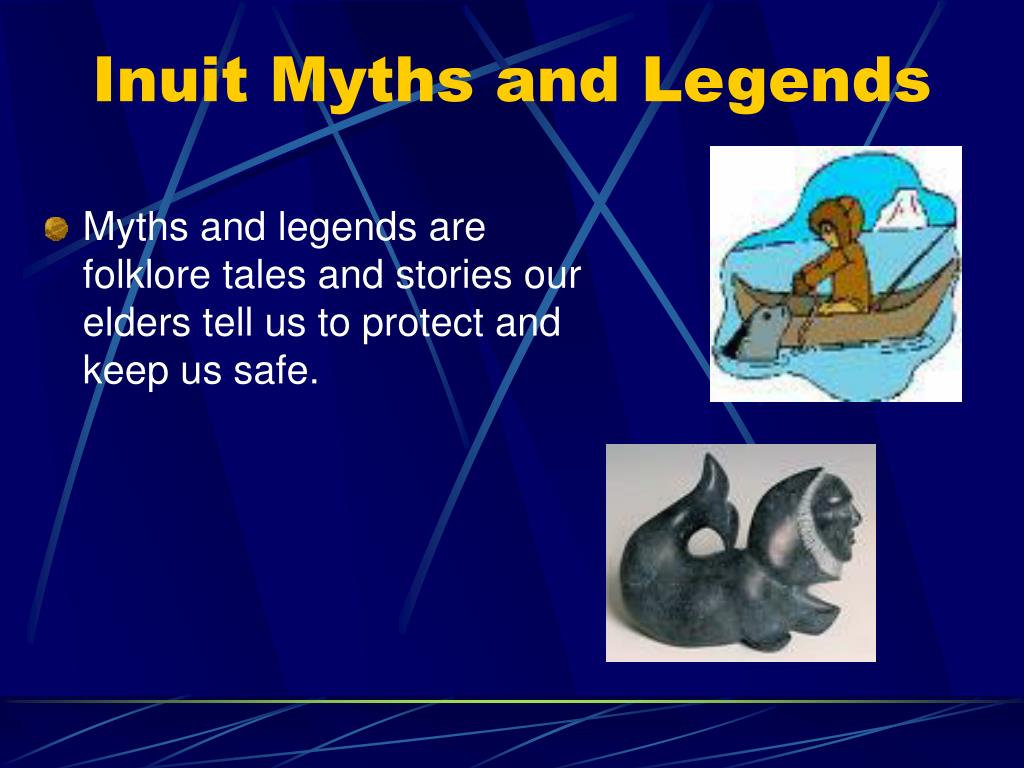

Several recurring themes weave through Inuit legends, reflecting the daily realities and spiritual landscape of the Arctic. Survival is paramount, with many stories emphasizing resourcefulness, cooperation, and the consequences of greed or disrespect. The delicate balance between humans and animals is another central tenet, often explored through tales of transformation and mutual dependency.
Respect for nature, particularly the animals that provide sustenance, is deeply embedded. The concept of inua, the spirit or ‘person’ within all living things and even inanimate objects, fosters a sense of reverence for every aspect of their environment. These narratives often teach humility, cautioning against hubris in the face of nature’s immense power.
Prominent Figures and Powerful Spirits
Sedna: Goddess of the Sea and Marine Animals
Perhaps the most famous figure in Inuit mythology, Sedna is the powerful goddess of the sea and marine animals. Her story is a poignant and often tragic tale of betrayal and transformation. Depending on the version, she was a young woman who was either cast into the icy sea by her father or pushed from a kayak by her husband. As she clung to the boat, her father cut off her fingers, which transformed into the various marine mammals – seals, whales, walruses – that sustain the Inuit people.
Sedna resides at the bottom of the ocean, ruling over the creatures of the deep. When hunters experience scarcity, it is believed that Sedna is displeased, often due to human transgressions or uncleanliness. Shamans (Angakkuq) would undertake spiritual journeys to her undersea dwelling to appease her, comb her tangled hair (as she has no fingers), and persuade her to release the animals for hunting. Her story underscores the profound interdependence between humans and the marine environment and the need for respectful conduct.
Anguta: The Ferryman of the Dead
Anguta, often depicted as Sedna’s father or a powerful spirit, plays a crucial role in the Inuit understanding of the afterlife. He is said to ferry the souls of the deceased to the underworld, known as Adlivun. This journey is often described as perilous, involving challenges and tests. The concept of the afterlife in Inuit belief is complex, with various realms depending on how one lived and died, but Anguta’s role as a guide is consistent.
Qallupilluit: The Child-Snatching Sea Creatures


For children in Inuit communities, the Qallupilluit serve as a cautionary tale. These mythical creatures are said to live under the sea ice, wearing parkas made of eider duck feathers. They are known for snatching disobedient or wandering children, pulling them beneath the ice into their underwater homes. While frightening, these stories served a vital purpose in teaching children to stay safe near dangerous ice and water, instilling discipline and obedience.
Inua: The Spirit in All Things
The concept of ‘Inua’ is central to Inuit animism. It refers to the spirit, or ‘inner person,’ that resides within every living being, object, and even natural phenomena. A hunter respects the inua of the seal he hunts, understanding that taking its life is a sacred act of reciprocity. This belief fosters a deep sense of reverence and interconnectedness, where the entire world is alive with spiritual presence.
Tornit and Tunniit: Ancient Inhabitants and Spiritual Beings
Inuit folklore also speaks of the Tornit (or Tuniit), a race of ancient, large, and powerful people who inhabited the Arctic before the Inuit. They are often described as shy, strong, and somewhat clumsy. While archaeological evidence suggests the Dorset culture predates the Thule (ancestors of modern Inuit), the legends of the Tornit blend historical memory with mythical embellishment, representing a mysterious past and sometimes serving as cautionary figures.
Explaining the Unexplainable: Myths as Explanations
The Creation Story: How the World Came to Be
The Aurora Borealis: Dancing Spirits in the Sky
The breathtaking celestial display of the Aurora Borealis, or Northern Lights, holds deep spiritual significance for the Inuit. Many legends describe the aurora as the spirits of the dead playing a ball game in the sky, using a walrus skull as a ball. Other interpretations suggest they are the spirits of animals, or even lamps lit by spirits to guide the souls of the deceased. These interpretations transform a natural wonder into a profound connection with the spiritual realm.
Animal Transformations: Bridging Worlds
A pervasive theme in Inuit mythology is the ability of humans to transform into animals and vice versa, often facilitated by shamans. These stories highlight the fluidity between the human and animal worlds, emphasizing the shared life force and wisdom. They teach about empathy, understanding different perspectives, and the deep respect required when interacting with the animal kingdom, which is essential for survival in the Arctic.
The Role of Storytelling in Inuit Culture
Quliaq and Unipkaaq: The Art of Narrative
Inuit storytelling is a vibrant, living tradition. ‘Quliaq’ refers to factual accounts or historical narratives, while ‘Unipkaaq’ denotes myths, legends, and traditional stories. These narratives were, and still are, primarily shared orally, often by elders during long, dark winter nights. Storytelling sessions are not merely entertainment; they are crucial for transmitting knowledge, history, ethics, and practical skills from one generation to the next.
The storyteller’s skill, their voice modulation, gestures, and ability to captivate an audience, are highly valued. These sessions reinforce community bonds, teach survival strategies, and explain the complex spiritual landscape of the Inuit world.
Drum Dancing and Throat Singing: Living Traditions
Beyond spoken narratives, Inuit culture expresses its stories and spiritual connections through performance. Drum dancing, often accompanied by a single frame drum, combines rhythmic movement, song, and storytelling. It can recount hunts, historical events, or spiritual journeys. Throat singing, a unique vocal art form often performed by two women, creates mesmerizing sounds that evoke the Arctic environment and its creatures, connecting participants to their heritage and the spiritual realm.
Beyond the Myths: Cultural Impact and Modern Relevance
Shaping Worldview and Ethics
The teachings embedded in Inuit myths have profoundly shaped the worldview and ethical framework of the people. They foster a deep sense of responsibility towards the community and the environment. The lessons of humility, sharing, patience, and respect for all life are not abstract concepts but practical guides for thriving in one of the world’s most challenging environments. These stories reinforce the idea that humanity is part of a larger, interconnected web of life.
Preserving Cultural Identity
In an era of rapid global change, Inuit myths and legends play a critical role in preserving cultural identity. They connect contemporary Inuit to their ancestors, their language (Inuktitut), and their unique heritage. Efforts to record, translate, and share these stories ensure that future generations can access this invaluable cultural wealth, strengthening their sense of belonging and pride.
Indigenous Rights and Cultural Revitalization
The revitalization of indigenous cultures, including the sharing of traditional myths, is a powerful movement for self-determination and recognition. By understanding and celebrating their traditional narratives, Inuit communities assert their distinct cultural identity and advocate for their rights. These stories are not relics of the past but living narratives that continue to inform, inspire, and empower.
Addressing Common Questions About Inuit Mythology
What is the most famous Inuit legend? The legend of Sedna, the goddess of the sea and marine animals, is arguably the most famous and widely known Inuit myth, central to understanding Inuit hunting practices and spiritual beliefs.
What is the Inuit word for spirit? The most common word is ‘Inua,’ meaning the spirit or ‘inner person’ residing within all living things and objects, reflecting an animistic worldview.
Are Inuit myths real? For the Inuit people, these myths are a profound part of their cultural reality and belief system. They are not historical facts in the Western sense, but they convey deep truths about the world, human nature, and spiritual existence, guiding behavior and shaping worldview. They are ‘real’ in their cultural and spiritual significance.
How did Inuit people tell stories? Inuit people primarily told stories orally, often by elders during long winter nights. These sessions were communal and vital for transmitting knowledge, history, ethics, and practical skills through generations, often accompanied by gestures and vocalizations.
In conclusion, Inuit myths and legends offer a breathtaking window into a culture deeply intertwined with its environment. They are more than just ancient tales; they are vibrant narratives that explain the world, teach moral lessons, preserve history, and celebrate the enduring spirit of the Inuit people. From the powerful saga of Sedna to the cautionary tales of Qallupilluit and the animistic belief in Inua, these stories continue to resonate, reminding us of the profound wisdom and spiritual depth found in the world’s indigenous traditions. Their legacy is a testament to the power of storytelling to connect generations and sustain a unique cultural identity against the backdrop of the majestic, yet challenging, Arctic.
As we continue to learn from and respect these ancient traditions, we gain a deeper appreciation for the diverse ways humanity has sought to understand its place in the cosmos. The echoes of Inuit legends remind us that every landscape holds its own stories, waiting to be heard and honored.


