

Inuit art and craftsmanship represent a profound connection to the Arctic environment and the enduring spirit of its people. For centuries, the Inuit, meaning ‘the people,’ have translated their experiences, beliefs, and stories into captivating visual forms. This art is not merely decorative; it’s a vital means of communication, cultural preservation, and survival in a harsh and beautiful land.
This comprehensive guide delves into the diverse world of Inuit art, exploring its history, materials, techniques, and the deep cultural meanings embedded within each creation. Whether you’re an art enthusiast, a student of anthropology, or simply curious about this unique artistic tradition, this exploration will provide a deeper understanding and appreciation for the soul of the Arctic.
A History Etched in Ice and Stone
The history of Inuit art stretches back thousands of years, predating European contact. Archaeological evidence reveals intricate carvings in ivory, bone, and stone, showcasing the Inuit’s exceptional skill and resourcefulness. These early works often depicted animals crucial for survival, such as seals, whales, and caribou, reflecting the Inuit’s deep dependence on the natural world.
Over time, Inuit art evolved, influenced by both internal cultural shifts and external interactions. The arrival of European traders and missionaries brought new materials and ideas, leading to the development of new art forms and styles. However, the core themes of survival, spirituality, and connection to the land remained central to Inuit artistic expression.
Materials of the Arctic: A Testament to Resourcefulness


- Ivory: Sourced from walrus tusks and whale teeth, ivory is prized for its smooth texture and durability. It’s often used for intricate carvings of animals, figures, and tools.
- Bone: Caribou and whale bones provide a readily available material for larger sculptures and tools.
- Stone: Soapstone, serpentine, and other types of stone are carved into a variety of forms, from small figurines to larger sculptures depicting scenes from Inuit life.
- Antler: Caribou antler is another valuable material, used for carving and toolmaking.
- Sealskin: Used for clothing, footwear, and various utilitarian objects, sealskin is both waterproof and durable.
- Textiles: Woven from animal fibers and plant materials, textiles are used to create clothing, blankets, and other essential items.
Forms of Artistic Expression: A Diverse Tapestry
- Carving: Perhaps the most well-known form of Inuit art, carving involves shaping stone, bone, ivory, and antler into representational and abstract forms. Common subjects include animals, human figures, and scenes from Inuit mythology.
- Printmaking: Introduced in the mid-20th century, printmaking has become a significant art form in Inuit communities. Artists create images on stone or linoleum blocks and then transfer them onto paper. Prints often depict scenes from daily life, traditional stories, and the natural world.
- Sculpture: Inuit sculpture ranges from small, handheld figurines to larger, more monumental works. Sculptors use a variety of materials, including stone, bone, and ivory, to create three-dimensional representations of animals, people, and spirits.
- Textile Art: Inuit women are skilled textile artists, creating intricate clothing, wall hangings, and other items using sealskin, caribou hide, and other materials. Embroidery, applique, and beadwork are common techniques used to decorate these textiles.
- Jewelry: Inuit jewelers create stunning pieces using ivory, bone, stone, and silver. These pieces often feature traditional motifs and symbols.
Symbolism and Meaning: Decoding the Arctic Narrative
Inuit art is rich in symbolism, reflecting the Inuit’s deep understanding of the natural world and their spiritual beliefs. Animals are often depicted not just as sources of food and clothing but also as powerful spirits with their own unique characteristics and roles in the ecosystem.
For example, the polar bear may represent strength, courage, and hunting prowess, while the seal symbolizes resourcefulness and adaptation. Human figures often depict scenes from daily life, such as hunting, fishing, and family activities, providing insights into Inuit culture and traditions.
Spirits and mythological figures also play a prominent role in Inuit art. Shamans, who act as intermediaries between the human and spirit worlds, are often depicted in transformative states, communicating with animals and other supernatural beings. These images reflect the Inuit’s belief in a complex and interconnected universe.
The Impact of Modernity: Change and Continuity
Inuit art has evolved significantly in response to modernization and globalization. While traditional techniques and materials remain important, contemporary Inuit artists are also experimenting with new forms of expression and addressing contemporary issues.
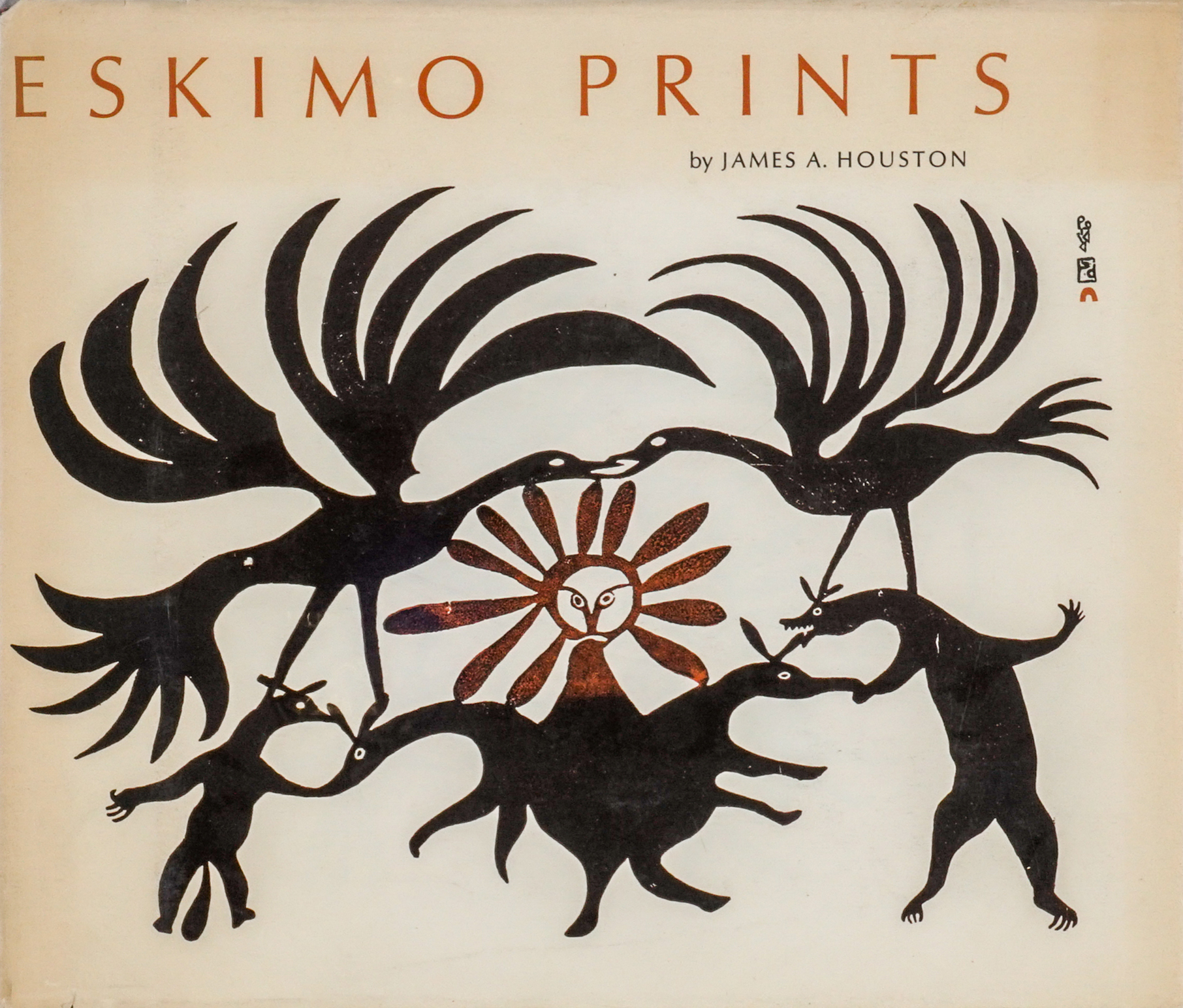

Many artists are using their work to raise awareness about climate change, environmental degradation, and the challenges facing Inuit communities. They are also exploring themes of identity, cultural preservation, and the impact of colonialism.
Despite these changes, Inuit art continues to be a vital expression of Inuit culture and identity. It serves as a bridge between the past and the present, connecting generations and preserving the stories and traditions of the Arctic people.
The Role of Cooperatives: Empowering Artists and Communities
Art cooperatives have played a crucial role in supporting Inuit artists and promoting their work on a global scale. These cooperatives provide artists with access to materials, training, and marketing opportunities, allowing them to earn a sustainable income from their art.
The cooperatives also help to ensure that Inuit art is produced ethically and sustainably, respecting traditional practices and protecting the environment. By supporting Inuit art cooperatives, consumers can contribute to the economic and cultural well-being of Inuit communities.
Collecting Inuit Art: Ethical Considerations
When collecting Inuit art, it’s important to be aware of ethical considerations and to ensure that you are supporting artists and communities in a responsible way. Look for pieces that are certified as authentic Inuit art and purchase them from reputable dealers who work directly with Inuit artists or cooperatives.
Avoid purchasing art made from endangered species or materials that have been obtained illegally. Be mindful of the cultural significance of the art and respect the traditions and beliefs of the Inuit people.
Frequently Asked Questions (People Also Ask)
What is Inuit art called?
What are the characteristics of Inuit art?
- Use of materials like ivory, bone, stone, and sealskin
- Depictions of Arctic animals (seals, polar bears, caribou, whales)
- Scenes of hunting, fishing, and daily life
- Spiritual and mythological themes
- Intricate detail and craftsmanship
What is Inuit art used for?
Historically, Inuit art served both practical and spiritual purposes. Tools, clothing, and other utilitarian objects were often decorated with intricate carvings and designs. Art was also used to tell stories, preserve cultural traditions, and connect with the spirit world. Today, Inuit art continues to serve these purposes, while also providing a source of income for artists and communities.
How has Inuit art changed over time?
Inuit art has evolved significantly over time, influenced by both internal cultural shifts and external interactions. The introduction of new materials and techniques, such as printmaking, has led to the development of new art forms and styles. Contemporary Inuit artists are also addressing contemporary issues, such as climate change and cultural identity, in their work.
Where can I buy authentic Inuit art?
Authentic Inuit art can be purchased from reputable dealers, galleries, and cooperatives that work directly with Inuit artists. Look for pieces that are certified as authentic and be wary of imitations or mass-produced items. Supporting Inuit art cooperatives is a great way to ensure that you are purchasing ethically and contributing to the economic well-being of Inuit communities.
Preserving a Legacy: The Enduring Power of Inuit Art
Inuit art and craftsmanship represent a remarkable testament to the resilience, creativity, and cultural richness of the Arctic people. From intricate carvings to stunning prints, each piece tells a story, preserving the traditions and beliefs of a culture deeply connected to the land and its resources.
By understanding and appreciating Inuit art, we gain valuable insights into the history, spirituality, and challenges facing Inuit communities. We also contribute to the preservation of this unique artistic heritage for future generations.
Key Takeaways
- Inuit art is a vital expression of Inuit culture and identity.
- It reflects a deep connection to the Arctic environment and its resources.
- It serves as a means of communication, cultural preservation, and economic empowerment.
- It is a constantly evolving art form, adapting to contemporary challenges while preserving traditional values.
By supporting Inuit artists and cooperatives, we can help ensure that this rich artistic tradition continues to thrive for generations to come.


