

The traditional diet of the Eskimo people, more accurately referred to as the Inuit, Yupik, and other Indigenous groups of the Arctic, has long fascinated scientists and nutritionists alike. Living in some of the planet’s harshest environments, these communities developed a diet uniquely adapted to their surroundings, relying almost exclusively on marine and land animals. This dietary pattern, characterized by its high fat and protein content and minimal carbohydrates, presents a stark contrast to typical Western diets and offers profound insights into human nutritional adaptability and health outcomes.
For centuries, the Arctic environment dictated a diet primarily composed of what was available: seals, whales, fish, caribou, and birds. Agriculture was impossible, meaning fruits, vegetables, and grains were virtually non-existent in their traditional food systems. This reliance on animal sources meant that the Inuit diet was incredibly rich in specific nutrients, profoundly shaping their physiological adaptations and health over generations.
Understanding the historical context is crucial when discussing the ‘Eskimo diet.’ It’s not merely a collection of foods but a deeply integrated cultural practice, a survival strategy, and a testament to human ingenuity. The methods of hunting, preparing, and sharing food were central to their social structure and well-being, reflecting a profound connection to their environment.
Key Components of the Traditional Inuit Diet
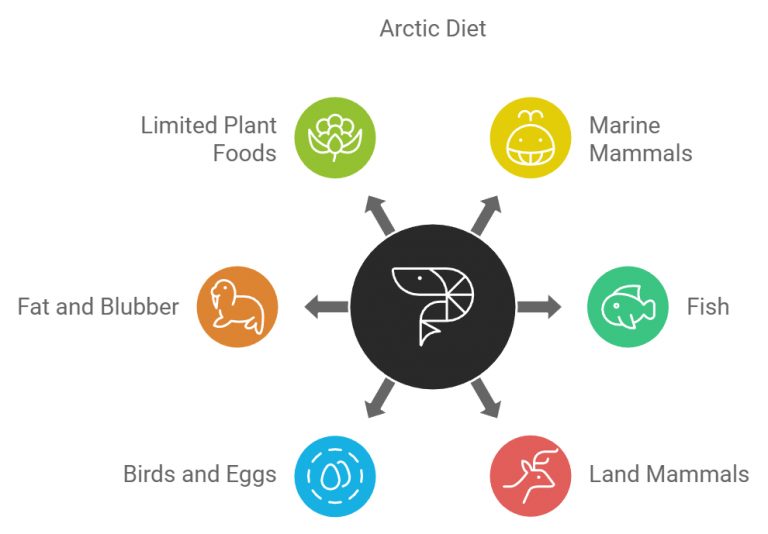
At its core, the traditional Inuit diet is hypercarnivorous. The primary sources of nutrition come from marine mammals like seals, walruses, and various whale species (beluga, narwhal), as well as arctic fish such as salmon, arctic char, and cod. On land, caribou and migratory birds provided additional sustenance. Every part of the animal was utilized, from muscle meat and organs to blubber and bone marrow, ensuring maximum nutrient intake.
This dietary composition results in a macronutrient profile that is strikingly different from global dietary guidelines. While precise percentages varied seasonally and geographically, it was generally very high in fat (often 50-75% of calories), substantial in protein (15-30%), and remarkably low in carbohydrates (typically less than 10%). This stands in stark contrast to the carbohydrate-dominant diets recommended in many Western nations.


Nutritional Powerhouse: Beyond Macronutrients
One of the most celebrated aspects of the Inuit diet is its abundance of omega-3 fatty acids. Marine mammals and fatty fish are exceptional sources of eicosapentaenoic acid (EPA) and docosahexaenoic acid (DHA), which are crucial for cardiovascular health, brain function, and reducing inflammation. These beneficial fats are believed to be a cornerstone of the traditional Inuit’s historical resilience against certain chronic diseases.
Despite the lack of plant-based foods, the Inuit traditionally obtained essential vitamins and minerals through clever utilization of animal parts. Vitamin C, often thought to be exclusive to fruits and vegetables, was found in fresh raw meat, particularly organ meats like liver, and in the skin of whales (muktuk). Cooking can destroy Vitamin C, so consuming parts raw or lightly cooked was vital.
Furthermore, the diet provided ample Vitamin D, crucial for bone health and immune function, from fatty fish and marine mammal blubber. Vitamin A was abundant in the liver of seals and other animals, while calcium was derived from crushed bones, fish bones, and even certain marine invertebrates. The traditional diet was remarkably nutrient-dense, preventing many common deficiencies seen in other societies.
Historical Health Outcomes: The ‘Eskimo Paradox’
For decades, researchers observed a phenomenon often dubbed the ‘Eskimo Paradox’: a population consuming a diet extremely high in fat, yet historically exhibiting a low incidence of cardiovascular disease, such as heart attacks and strokes. This observation fueled extensive research into the protective effects of omega-3 fatty acids, leading to their widespread recognition as a health-promoting nutrient.
Beyond cardiovascular health, the traditional diet likely supported robust immune function and overall vitality. The protein intake was sufficient for muscle maintenance and repair, while the unique fat sources provided sustained energy, essential for surviving and thriving in Arctic conditions. These adaptations allowed for a highly effective metabolic strategy.
Challenges and Modern Dietary Shifts
While the traditional Inuit diet offered significant health advantages, it was not without its specific challenges, particularly when viewed through a modern lens. One concern that has emerged in contemporary times is the accumulation of environmental contaminants like mercury, PCBs, and other persistent organic pollutants in marine mammals, which can pose health risks to those consuming these foods.

Perhaps the most significant impact on Inuit health in recent decades has been the rapid transition from their traditional diet to one heavily influenced by Western foods. The introduction of processed foods, refined carbohydrates, sugars, and unhealthy fats has led to a dramatic increase in chronic diseases previously uncommon in these communities.
Today, many Inuit communities face alarming rates of obesity, type 2 diabetes, cardiovascular disease, and certain cancers, mirroring patterns seen in other industrialized nations. This shift underscores the critical role of dietary composition in health outcomes and highlights the detrimental effects of abandoning traditional, nutrient-dense food systems for less healthy alternatives.
Genetic Adaptations and Dietary Tolerance
Emerging research suggests that some Inuit populations may possess specific genetic adaptations that allow them to better metabolize and thrive on their high-fat, high-protein diet. Studies have identified genetic variants related to fatty acid metabolism that are prevalent in Inuit populations, potentially enabling more efficient processing of marine fats and offering protective effects against certain conditions.
These genetic insights suggest that while the traditional Inuit diet is highly effective for those adapted to it, simply replicating it may not yield the same health benefits for all individuals without similar genetic predispositions. This emphasizes the complex interplay between diet, genetics, and environment in shaping human health.
Lessons from the Arctic: Relevance for Modern Nutrition
- Embrace Healthy Fats: The emphasis on omega-3 rich foods highlights the importance of incorporating fatty fish, nuts, and seeds into our diets.
- Prioritize Whole Foods: The traditional diet was entirely composed of whole, natural foods, free from processing, added sugars, and artificial ingredients.
- Respect Organ Meats: Historically, organ meats were prized for their nutritional value, a practice largely lost in Western diets but gaining renewed interest.
- Minimize Refined Carbohydrates: The low carbohydrate intake of the traditional diet stands as a stark reminder of the potential health consequences of excessive sugar and refined grain consumption.
It also challenges the long-held notion that all high-fat diets are inherently unhealthy, emphasizing the type of fat consumed as a critical factor in disease prevention and health promotion. The quality of fats, particularly the balance of omega-3s to omega-6s, appears to be a crucial determinant.
Do Eskimos eat raw meat? Yes, traditionally, many foods, especially organ meats and fish, were consumed raw or lightly cooked. This practice was essential for obtaining certain heat-sensitive nutrients like Vitamin C and some enzymes.
Why don’t Eskimos get heart disease? Historically, the incidence of heart disease was significantly lower due to the high intake of omega-3 fatty acids, which have anti-inflammatory and cardio-protective effects. However, this trend has reversed in many communities due to the adoption of Western diets.
Is the Eskimo diet healthy? The traditional diet, for those genetically adapted and living in the Arctic, was highly effective for survival and health. However, its modern counterpart, often mixed with processed foods, presents significant health challenges. For non-Inuit, a direct replication might not be optimal, but its principles of whole, nutrient-dense foods are valuable.
Conclusion: A Complex Legacy
The Eskimo diet, particularly its traditional form, represents a remarkable example of human adaptation and nutritional ingenuity. Its high reliance on marine animals provided a unique nutritional profile rich in omega-3s, essential vitamins, and minerals, historically conferring protection against certain chronic diseases.
However, the story is complex. The introduction of modern processed foods has tragically undermined these historical health advantages, leading to a rise in metabolic diseases within Inuit communities. The lessons gleaned from this powerful dietary model are not about simply eating more fat, but about the profound importance of whole, nutrient-dense foods and the delicate balance between diet, genetics, and environment in shaping human health.
By studying the traditional Eskimo diet, we gain a deeper appreciation for the diversity of human dietary patterns and the critical need to preserve traditional food systems for the health and cultural well-being of Indigenous peoples, while also extracting valuable principles applicable to global nutrition and public health efforts.


