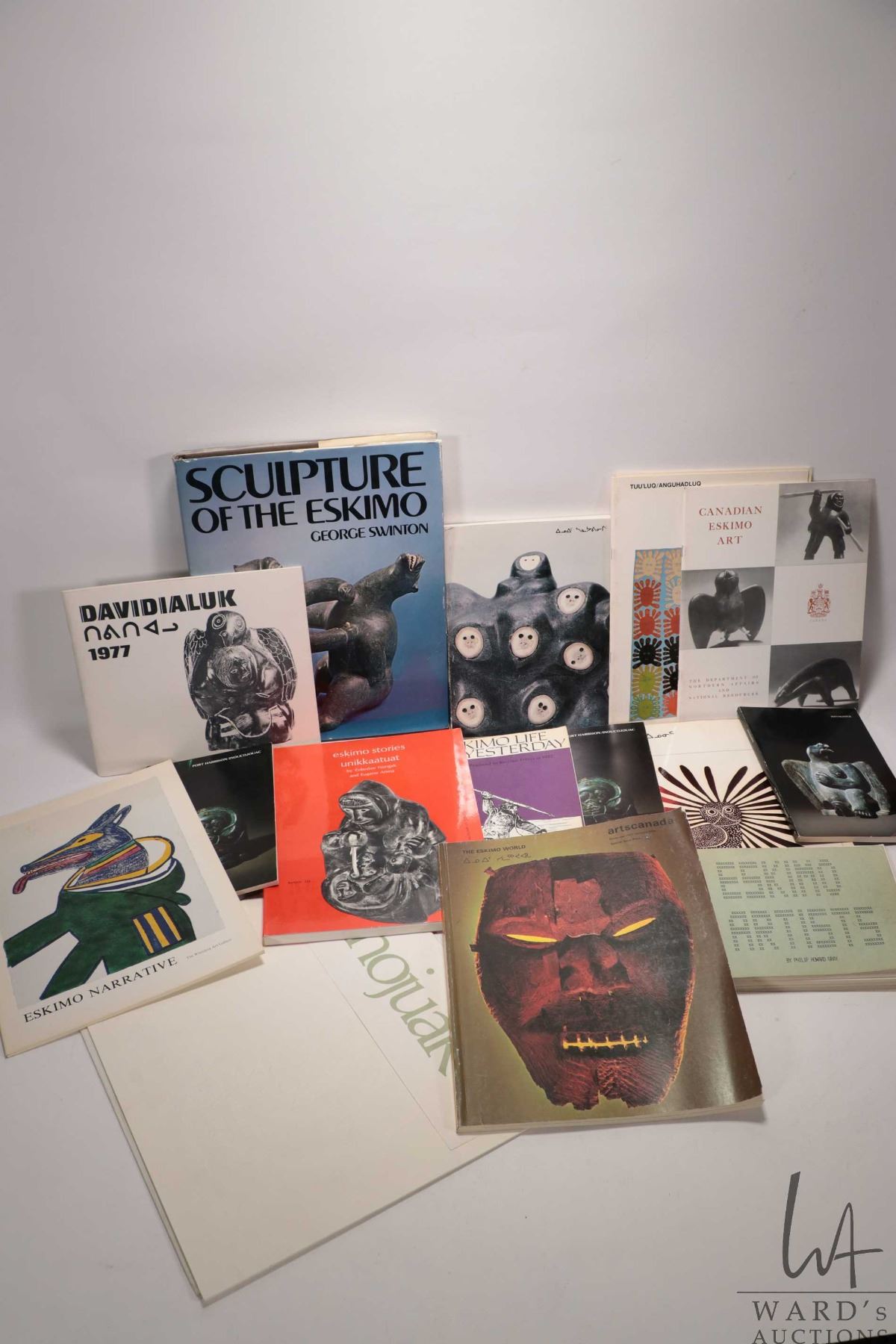

Inuit art, born from the icy landscapes of the Arctic, represents a powerful expression of culture, history, and survival. For centuries, the Inuit people have translated their experiences, beliefs, and connection to the land into stunning works of art. This guide serves as your comprehensive introduction to collecting Inuit art, whether you’re a seasoned collector or a curious beginner.
Why Collect Inuit Art?
- Preserving Cultural Heritage: Supporting Inuit artists helps maintain and promote their unique cultural traditions.
- Connecting with History: Inuit art offers a window into the past, telling stories of resilience, adaptation, and spiritual beliefs.
- Investing in Beauty: Inuit sculptures, prints, and carvings possess a raw, captivating beauty that transcends cultural boundaries.
- Supporting Indigenous Communities: Purchasing directly from artists or reputable galleries contributes to the economic well-being of Inuit communities.
Understanding Inuit Art: A Cultural Tapestry
- Animals: Caribou, seals, polar bears, whales, and birds are frequently depicted, reflecting their importance as sources of food, clothing, and spiritual power.
- Hunting and Survival: Scenes of hunting expeditions, fishing, and daily life showcase the Inuit’s resourcefulness and connection to the land.
- Shamanism and Spirituality: Mythological creatures, shamanic rituals, and spiritual beliefs are often represented, offering insights into the Inuit’s complex spiritual world.
- Family and Community: Depictions of family life, community gatherings, and traditional activities highlight the importance of social bonds.
Materials and Techniques: The Art of Arctic Craftsmanship


- Stone: Soapstone, serpentine, and other types of stone are commonly used for carving sculptures.
- Bone and Antler: Whalebone, caribou antler, and walrus ivory are employed for intricate carvings and tools.
- Ivory: Prized for its smooth texture and durability, walrus ivory is used for detailed sculptures and jewelry.
- Skin and Fur: Sealskin, caribou hide, and other animal skins are used for clothing, masks, and other functional and decorative objects.
Techniques vary depending on the material and the artist’s vision. Carving, etching, and printmaking are among the most common methods.
Popular Forms of Inuit Art
- Sculptures: Perhaps the most recognizable form of Inuit art, sculptures depict animals, people, and scenes from daily life.
- Prints: Stonecut and stencil prints are popular forms of Inuit art, often featuring vibrant colors and stylized designs.
- Carvings: Intricate carvings made from bone, antler, and ivory showcase the artist’s skill and attention to detail.
- Textiles: Tapestries, wall hangings, and clothing made from animal skins and furs demonstrate the Inuit’s expertise in textile arts.
Identifying Authentic Inuit Art
- Look for Markings: Many Inuit artworks are marked with an igloo tag or a disc number, which identifies the artist and their community.
- Examine the Material: Authentic Inuit art is typically made from natural materials such as stone, bone, antler, or ivory.
- Assess the Craftsmanship: Look for skilled carving, attention to detail, and a sense of artistic expression.
- Buy from Reputable Sources: Purchase from established galleries, museums, or Inuit art cooperatives to ensure authenticity.
Navigating the Inuit Art Market
- Artist Reputation: Established artists with a proven track record command higher prices.
- Material and Size: The type of material and the size of the artwork can influence its value.
- Condition: The condition of the artwork is crucial. Look for pieces that are well-preserved and free from damage.
- Provenance: Knowing the history of ownership can add value and authenticity to a piece.
Where to Buy Inuit Art
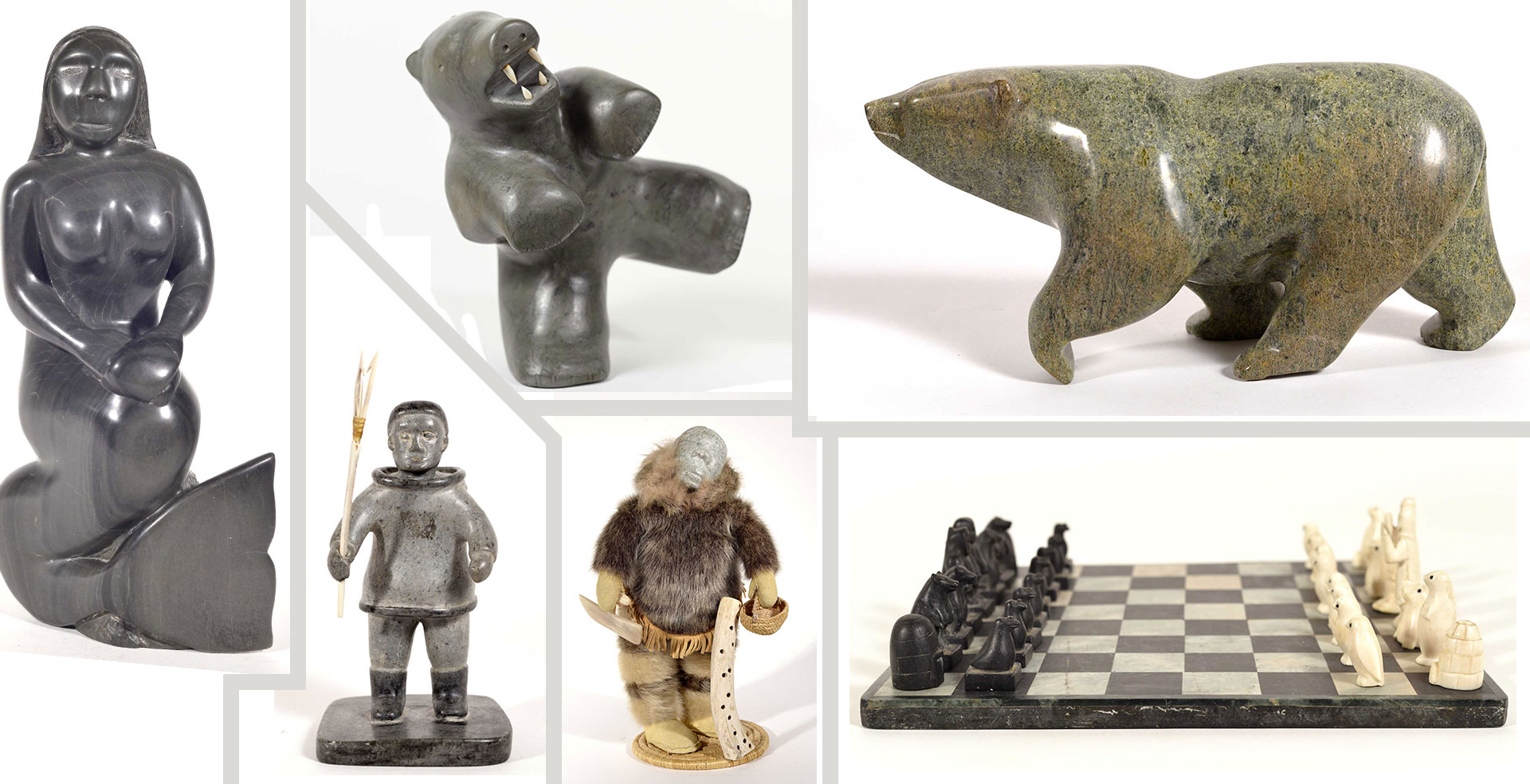

- Inuit Art Galleries: Specialized galleries offer a curated selection of high-quality Inuit art.
- Museums: Some museums have shops that sell Inuit art, often with a focus on supporting local artists.
- Online Marketplaces: Online platforms can provide access to a wider range of Inuit art, but it’s essential to verify the authenticity of the pieces.
- Inuit Art Cooperatives: Purchasing directly from Inuit art cooperatives ensures that the artists receive a fair price for their work.
Caring for Your Inuit Art Collection
- Handle with Care: Avoid dropping or bumping sculptures, as they can be fragile.
- Protect from Sunlight: Prolonged exposure to sunlight can fade colors and damage materials.
- Control Humidity: Excessive humidity can cause damage to bone, antler, and ivory.
- Clean Gently: Dust sculptures and carvings with a soft brush or cloth. Avoid using harsh chemicals or cleaning agents.
Inuit Art: People Also Ask
What is Inuit art known for?
Inuit art is renowned for its depictions of Arctic wildlife, traditional Inuit life, and spiritual beliefs. The sculptures, prints, and carvings often showcase the Inuit’s deep connection to the land and their resourcefulness in surviving in a harsh environment.
How do I know if my Inuit art is authentic?
Check for markings such as an igloo tag or a disc number. Examine the material to ensure it’s made from natural materials like stone, bone, or ivory. Assess the craftsmanship and purchase from reputable sources.
What is the most valuable Inuit art?
The value of Inuit art depends on several factors, including the artist’s reputation, the material used, the size and condition of the piece, and its provenance. Rare and well-preserved pieces by renowned artists often command the highest prices.
How has Inuit art changed over time?
Inuit art has evolved over time, reflecting changes in Inuit society and culture. While traditional themes and techniques remain important, contemporary Inuit artists are also exploring new subjects and experimenting with different mediums.
Are there any famous Inuit artists I should know about?
Yes, there are many talented Inuit artists. Some well-known names include Kenojuak Ashevak, known for her vibrant prints; David Ruben Piqtoukun, famous for his powerful stone sculptures; and Jessie Oonark, celebrated for her textile art.
The Enduring Legacy of Inuit Art
Inuit art is more than just decorative objects; it’s a testament to the resilience, creativity, and cultural richness of the Inuit people. By collecting Inuit art, you’re not only acquiring beautiful pieces but also supporting a vibrant artistic tradition and preserving a vital part of human history.
Conclusion: Your Journey into the World of Inuit Art
Collecting Inuit art is a rewarding experience that offers a unique opportunity to connect with a rich cultural heritage. By understanding the history, materials, and techniques of Inuit art, you can make informed decisions and build a collection that reflects your appreciation for this extraordinary art form. Remember to prioritize authenticity, support Inuit artists and communities, and care for your collection to ensure its enduring beauty and value. As you embark on your journey into the world of Inuit art, you’ll discover a captivating tapestry of stories, traditions, and artistic expression that will enrich your life for years to come.
Happy collecting!


