

Inuit modern art galleries offer a fascinating window into the culture, history, and evolving identity of the Inuit people. These galleries showcase a diverse range of artistic expressions, from traditional carvings to contemporary multimedia installations, providing a platform for Inuit artists to share their stories and perspectives with the world.
This comprehensive guide explores the significance of Inuit modern art galleries, highlighting key artists, prominent galleries, and the cultural context that shapes this unique art form. Whether you’re an art enthusiast, a cultural explorer, or simply curious about Inuit art, this article will provide valuable insights into this vibrant and dynamic world.
What is Inuit Art? A Brief Overview
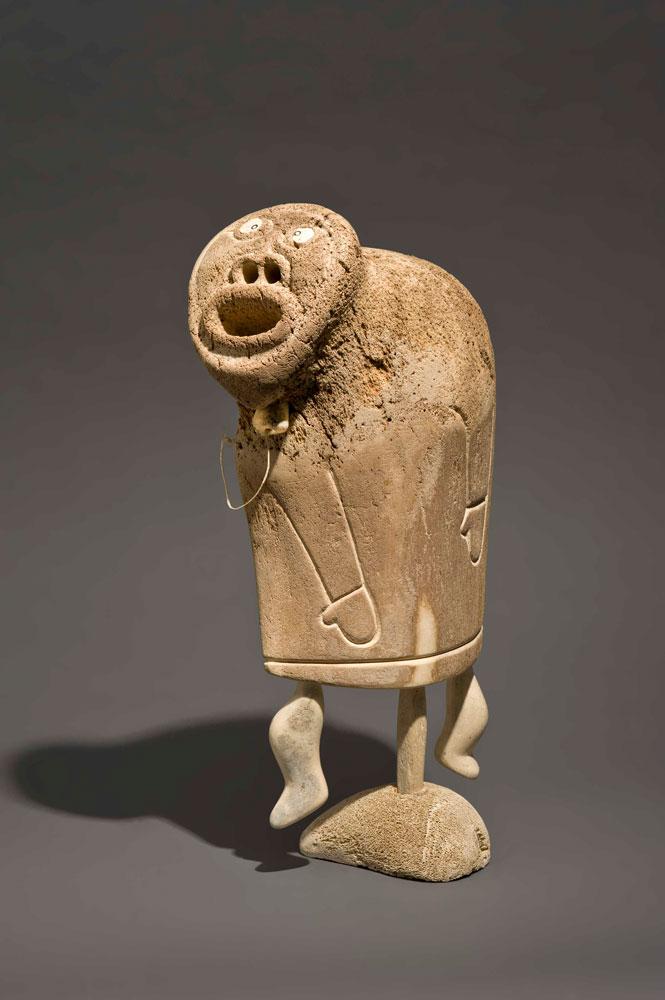
Inuit art refers to the artistic creations of the Inuit people, who inhabit the Arctic regions of Canada, Greenland, Alaska, and Russia (Siberia). Traditionally, Inuit art served practical and spiritual purposes, with carvings made from materials like bone, ivory, and stone. These objects often depicted animals, hunting scenes, and mythological figures.
Modern Inuit art builds upon these traditions while embracing new materials, techniques, and themes. Contemporary Inuit artists explore issues of identity, cultural change, and environmental concerns, creating works that are both aesthetically compelling and socially relevant.
Why are Inuit Art Galleries Important?
Inuit art galleries play a crucial role in preserving and promoting Inuit culture. They provide a space for Inuit artists to showcase their work, connect with audiences, and earn a living from their art. These galleries also serve as educational resources, offering visitors the opportunity to learn about Inuit history, traditions, and contemporary life.
Furthermore, Inuit art galleries contribute to the economic development of Inuit communities. By supporting local artists and artisans, these galleries help to create jobs and generate income in regions where economic opportunities may be limited.
Key Characteristics of Inuit Modern Art
- Animals: Animals, such as polar bears, seals, and caribou, remain a central motif in Inuit art, often symbolizing the relationship between humans and nature.
- Spiritual Beliefs: Many Inuit artworks reflect traditional spiritual beliefs and shamanic practices.
- Storytelling: Inuit art often tells stories, depicting historical events, legends, and personal experiences.
- Cultural Change: Contemporary Inuit artists often address the challenges and opportunities of cultural change, exploring issues of globalization, colonization, and environmental degradation.
Exploring Prominent Inuit Modern Art Galleries
Located in Winnipeg, Manitoba, Canada, the WAG houses the world’s largest public collection of contemporary Inuit art. Qaumajuq, the Inuit art centre at the WAG, is a groundbreaking institution dedicated to celebrating Inuit art and culture. The gallery features a wide range of artworks, including sculptures, prints, drawings, and textiles.
Based in Mannheim, Germany, Inuit Galerie specializes in Inuit art from Canada. They offer a diverse collection of sculptures, prints, and wall hangings, showcasing both established and emerging artists.
Located in Toronto, Canada, Feheley Fine Arts is a leading gallery specializing in Inuit art. They represent a diverse roster of artists and offer a wide selection of sculptures, prints, and drawings.
Situated in Vancouver, Canada, the Marion Scott Gallery has been showcasing Inuit art for over 40 years. They represent many of the leading Inuit artists and offer a diverse collection of artworks.

Located in Montreal, Canada, La Guilde, also known as the Canadian Guild of Crafts, features a diverse collection of Inuit art, including sculptures, prints, and textiles. It is one of the oldest craft organizations in North America.
Notable Inuit Modern Artists
Kenojuak Ashevak was a renowned Inuit graphic artist known for her vibrant and imaginative prints. Her work often depicted animals, birds, and traditional Inuit life. She is widely regarded as one of Canada’s most important artists.
Pitaloosie Saila was a celebrated Inuit graphic artist known for her whimsical and colorful prints. Her work often featured animals, birds, and scenes from Inuit mythology.
David Ruben Piqtoukun is a contemporary Inuit sculptor known for his intricate and expressive stone carvings. His work often explores themes of spirituality, identity, and cultural change.
Annie Pootoogook was a contemporary Inuit artist known for her drawings that depict everyday life in the Arctic. Her work offered a unique and often humorous perspective on contemporary Inuit culture.
Shuvinai Ashoona is a contemporary Inuit artist known for her large-scale drawings that depict fantastical and surreal landscapes. Her work often explores themes of environmental change and cultural identity.
Collecting Inuit Modern Art: A Beginner’s Guide
- Do Your Research: Learn about different Inuit artists, styles, and techniques. Visit galleries, read books, and explore online resources to expand your knowledge.
- Visit Galleries: Visit Inuit art galleries to see the artwork in person and talk to gallery staff. They can provide valuable insights into the art and the artists.
- Consider Your Budget: Inuit art can range in price from a few hundred dollars to tens of thousands of dollars. Set a budget before you start collecting and stick to it.
- Buy What You Love: Ultimately, the best piece of art to collect is one that you love and that speaks to you.
- Authenticity: Ensure that the art you are purchasing is authentic and ethically sourced. Many galleries will provide certificates of authenticity.
The Future of Inuit Modern Art
Inuit modern art is a dynamic and evolving art form that continues to grow and thrive. As Inuit artists continue to explore new materials, techniques, and themes, their work will undoubtedly play an increasingly important role in shaping our understanding of Inuit culture and identity. The ongoing support of galleries, collectors, and art enthusiasts is crucial to ensuring the continued success and visibility of Inuit modern art.
Addressing Common Questions (People Also Ask)
What materials are commonly used in Inuit modern art?
Inuit artists use a variety of materials, including stone (such as soapstone, serpentine, and basalt), bone, ivory, antler, wood, and more recently, paper for prints and drawings, and textiles.
How can I tell if an Inuit artwork is authentic?
Authenticity can be verified through several means: purchase from reputable galleries that guarantee authenticity, look for the Igloo Tag (a trademark used to identify authentic Inuit art), and research the artist and their known style. Certificates of authenticity provided by galleries are also valuable.
Where can I find Inuit art online?
Many reputable Inuit art galleries have online stores where you can browse and purchase artwork. Websites like the Inuit Art Foundation also provide directories of galleries and artists.
What are some of the main themes explored in Inuit modern art?
Common themes include the relationship between humans and nature, spiritual beliefs, storytelling, cultural change, and the challenges and opportunities facing Inuit communities.
How does Inuit art contribute to the preservation of Inuit culture?
Inuit art plays a vital role in preserving Inuit culture by transmitting traditional knowledge, stories, and beliefs across generations. It also provides a platform for Inuit artists to express their identity and perspectives, fostering cultural pride and awareness.
Conclusion: Celebrating the Enduring Legacy of Inuit Art
Inuit modern art galleries are essential spaces for showcasing the creativity, resilience, and cultural richness of the Inuit people. By supporting these galleries and the artists they represent, we can help to ensure that Inuit art continues to thrive for generations to come. From intricate carvings to vibrant prints, Inuit art offers a powerful and moving reflection of the Arctic world and the enduring spirit of its people. Explore these galleries, discover the artists, and immerse yourself in the captivating world of Inuit modern art.
The exploration of Inuit modern art is not just about appreciating beautiful objects; it’s about understanding a culture, a history, and a way of life that is both unique and universally relevant. As we continue to navigate a rapidly changing world, the wisdom and artistry of the Inuit people offer valuable lessons about resilience, adaptation, and the importance of connection to the land.


