
Yupik dance masks are more than just artifacts; they are powerful embodiments of a living culture. Originating from the Yupik people of southwestern Alaska and parts of Siberia, these masks serve as a vital link to their ancestors, their spiritual beliefs, and their profound connection to the natural world. This article delves into the intricate world of Yupik masks, exploring their history, creation, symbolism, and enduring importance.
What are Yupik Dance Masks?
Yupik dance masks are elaborate artistic creations used in traditional dances and ceremonies. Unlike masks in some other cultures, Yupik masks are not merely decorative. They are active participants in storytelling, connecting the human and spirit worlds, and maintaining the delicate balance between them. The masks often depict animals, spirits, or mythical beings, each carrying its own specific meaning and significance.
A History Rooted in Tradition
The history of Yupik masks stretches back centuries, deeply intertwined with the Yupik people’s spiritual practices and survival. These masks were (and still are) integral to ceremonies that honor successful hunts, commemorate important life events, and petition the spirit world for guidance and protection. The creation and use of these masks were carefully regulated by tradition, often involving specific individuals or families with the knowledge and authority to create and use them properly.
The Craftsmanship Behind the Art
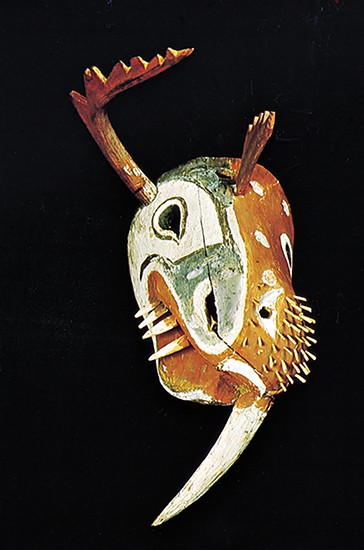

- Wood: Often driftwood or locally sourced wood, carefully carved and shaped.
- Feathers: Representing birds and their connection to the sky and spirit world.
- Animal Fur: Symbolizing the animals that provide sustenance and play a vital role in Yupik life.
- Paint: Traditionally made from natural pigments, used to add color and detail to the masks.
- Sealskin: Used for straps and other structural elements.
- Ivory and Bone: Used for decorative elements and representing animal spirits.
The process begins with a vision, often guided by a shaman or elder. The carver then carefully selects the wood and begins to shape the basic form of the mask. Details are added using various tools, and the mask is then painted and adorned with feathers, fur, and other materials. The entire process is often accompanied by prayers and rituals to imbue the mask with spiritual power.
The Symbolism Woven Within
- Animals: Representing specific qualities or powers associated with that animal. For example, a seal might symbolize resourcefulness and adaptability, while a raven might represent intelligence and transformation.
- Circles: Often representing the cyclical nature of life and the interconnectedness of all things.
- Spirals: Symbolizing growth, evolution, and the journey of the soul.
- Human Faces: Representing ancestors, spirits, or the human connection to the spiritual realm.
The combination of these symbols creates a complex visual language that communicates stories, beliefs, and values to the audience. Understanding this symbolism is crucial to appreciating the depth and richness of Yupik culture.
The Role of Masks in Yupik Ceremonies
- Maintaining Balance: Ensuring harmony between the human and spirit worlds.
- Honoring the Past: Remembering and celebrating ancestors and their traditions.
- Teaching the Young: Passing down knowledge, values, and cultural identity to future generations.
- Seeking Guidance: Petitioning the spirits for help and protection.
The ceremonies are often led by shamans or elders who have the knowledge and authority to guide the rituals and interpret the meaning of the dances.
The Impact of Cultural Change
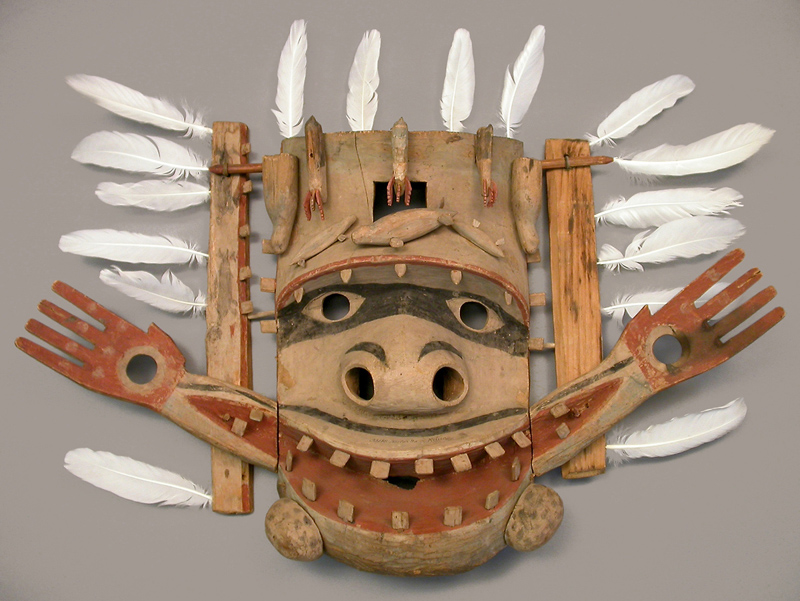

Yupik Masks Today: A Symbol of Resilience and Cultural Revival
While traditional ceremonies continue to be practiced in many Yupik communities, Yupik masks have also gained recognition as important works of art. They are exhibited in museums around the world, showcasing the skill and creativity of Yupik artists and educating the public about Yupik culture. Furthermore, contemporary Yupik artists are creating new and innovative masks that blend traditional techniques with modern materials and themes. These masks serve as a powerful symbol of cultural resilience and the ongoing vitality of Yupik culture.
Common Questions About Yupik Dance Masks (People Also Ask)
What is the purpose of Yupik masks?
Yupik masks serve multiple purposes, including storytelling, connecting the human and spirit worlds, maintaining balance between these worlds, honoring ancestors, teaching cultural values, and seeking guidance from the spirits.
What materials are used to make Yupik masks?
Common materials include wood (often driftwood), feathers, animal fur, paint (traditionally from natural pigments), sealskin, and ivory or bone.
Where can I see Yupik masks?
Yupik masks can be seen in museums around the world, particularly those with collections of Native American or Arctic art. Some Yupik communities also host cultural events where masks are displayed and used in traditional dances.
How are Yupik masks made?
Yupik masks are made through a complex process of carving, shaping, painting, and adorning wood with feathers, fur, and other materials. The process is often guided by a vision and accompanied by prayers and rituals.
Are Yupik masks still being made today?
Yes, Yupik masks are still being made today, both for traditional ceremonies and as works of art. Contemporary Yupik artists are also creating new and innovative masks that blend traditional techniques with modern materials and themes.
The Spiritual Significance of Yupik Masks
At their core, Yupik masks are deeply spiritual objects. They represent a connection to the ancestors, the spirits of animals, and the forces of nature. The creation and use of these masks are often guided by shamans or elders who have the knowledge and authority to communicate with the spirit world. The masks are believed to possess spiritual power and are treated with great respect. They are not simply objects to be admired but are active participants in the spiritual life of the Yupik people.
The Future of Yupik Mask-Making
Preserving Cultural Heritage Through Art
Yupik dance masks are a powerful reminder of the importance of preserving cultural heritage. They represent a unique and valuable perspective on the world and offer insights into the spiritual beliefs and values of the Yupik people. By understanding and appreciating these masks, we can gain a deeper understanding of human history and the diversity of human cultures.
Conclusion: A Legacy Embodied in Art
Yupik traditional dance masks are much more than decorative objects; they are powerful symbols of Yupik culture, spirituality, and resilience. From their intricate craftsmanship to their profound symbolism, these masks offer a glimpse into a rich and complex world. As we continue to learn about and appreciate these masks, we contribute to the preservation of Yupik culture and the celebration of human creativity and diversity. They serve as a vibrant testament to the enduring power of art to connect us to the past, inform the present, and inspire the future. The stories they tell, the traditions they uphold, and the spirit they embody will continue to resonate for generations to come.
The Yupik people’s dedication to preserving their cultural heritage through art ensures that these masks will continue to inspire and educate for years to come. By supporting Yupik artists and cultural initiatives, we can help ensure that this rich and meaningful tradition continues to thrive.
Consider exploring museums with Native American art collections or attending cultural events in Yupik communities to experience the beauty and significance of these masks firsthand. You can also support Yupik artists by purchasing their work or donating to cultural organizations that promote Yupik art and culture.
- Yupik dance masks are integral to Yupik culture and spirituality.
- They are crafted from natural materials and imbued with symbolic meaning.
- They play a vital role in traditional ceremonies.
- They represent a powerful symbol of cultural resilience and revival.
- Supporting Yupik artists and cultural initiatives helps preserve this important tradition.


