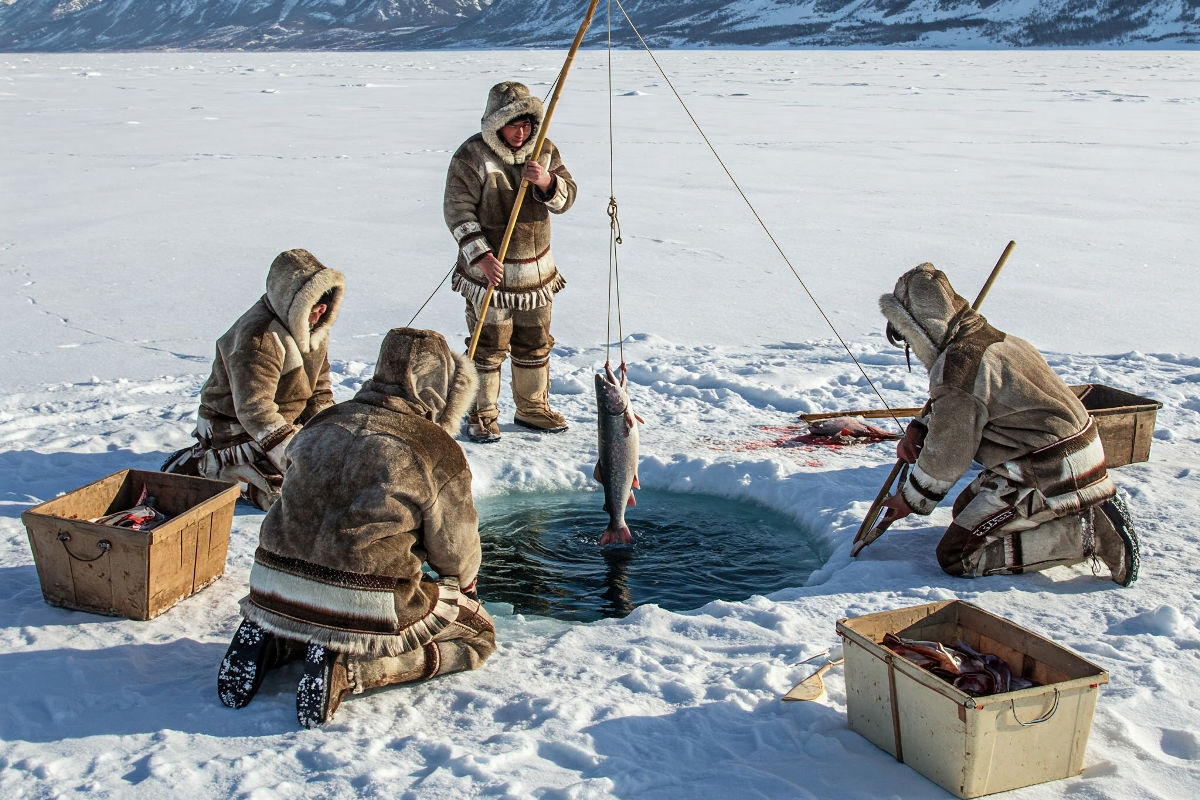

The Arctic, a land of breathtaking beauty and unforgiving extremes, has long tested the limits of human ingenuity. For thousands of years, indigenous peoples like the Inuit, Yupik, and Aleut – often collectively referred to as ‘Eskimo’ – have not only survived but thrived in this challenging environment.
A cornerstone of their survival has always been their profound understanding of food and its preservation. Without agriculture or readily available fresh produce for much of the year, mastering long-term food storage was not merely a convenience; it was an absolute necessity for existence.
Their methods, developed through generations of empirical knowledge and intimate connection with the land and sea, represent some of the most sophisticated natural preservation techniques known to humanity. These practices ensured a consistent food supply through lean times, supported large communal gatherings, and sustained them through the long, dark winters.
This article delves into the remarkable strategies employed by these Arctic communities to store food, highlighting the clever integration of natural resources and a deep scientific understanding long before modern refrigeration.
Understanding Traditional Arctic Food Storage Methods
The core principle behind Arctic food preservation was to harness the very conditions that made life challenging: the intense cold, dry air, and unique geological features.
The Natural Freezer: Permafrost and Ice Cellars
One of the most effective and widely utilized methods involved exploiting the Arctic’s natural refrigeration system: permafrost. Permafrost is ground that remains completely frozen for at least two consecutive years, acting as a colossal, natural freezer.
Indigenous communities would dig ‘ice cellars’ or ‘cold caches’ into this frozen ground. These subterranean chambers, often lined with stones, wood, or even whale bones for structural integrity, provided a consistently cold and stable environment.
The depth and insulation provided by the surrounding frozen earth ensured that temperatures within these cellars remained below freezing, even during brief periods of surface thaw in summer. This prevented spoilage from bacterial growth and enzyme activity.
These permafrost cellars were ideal for storing large quantities of game, such as caribou, seal, walrus, and whale meat and blubber. The stable, frozen conditions allowed food to be preserved for months, sometimes even years, without significant degradation.
Access to the cellars was often carefully managed, with entrances sealed by snow, sod, or heavy rocks to maintain internal temperatures and protect against animal scavengers. This ingenious system minimized spoilage and waste.
Drying and Curing: Harnessing the Wind and Cold Air
Another prevalent method was air-drying, often referred to by terms like nikku (dried meat) or pipsi (dried fish). The Arctic’s cold, often dry air, coupled with strong winds, created perfect conditions for desiccation.
Meat and fish, particularly Arctic char, salmon, caribou, and seal, would be carefully sliced into thin strips. These strips were then hung on outdoor racks or lines, exposed to the persistent Arctic breeze and low temperatures.


The drying process removed moisture, which is essential for bacterial growth. This effectively halted spoilage and significantly extended the shelf life of the food. Dried foods also had the advantage of being lightweight and easily transportable, crucial for nomadic hunting groups.
While less common than simple air drying, some communities also utilized a form of curing, occasionally involving salt from natural sources or through fermentation, to further enhance preservation and flavor.
Fermentation: A Surprising Preservation Technique
Perhaps one of the most unique and culturally significant preservation methods was fermentation. This process, which involves controlled microbial activity, transformed food in ways that not only preserved it but also concentrated nutrients and developed distinct flavors.
The most famous example is kiviak, a traditional Greenlandic Inuit delicacy. Small birds (like little auks) are stuffed whole into a hollowed-out seal skin, which is then sewn shut, sealed with seal fat, and buried under a pile of rocks to ferment for several months.
The anaerobic (oxygen-free) environment within the seal skin, combined with natural enzymes and bacteria, allows the birds to ferment. This process produces lactic acid, which acts as a preservative, inhibiting the growth of harmful bacteria.
Other forms of fermentation included burying fish or marine mammal products in the ground, allowing them to undergo similar processes. These fermented foods were not only a source of sustenance but also highly prized for their unique taste and nutritional value.
Rendering and Storing Fat: Blubber as a Resource
Blubber, particularly from seals and whales, was an incredibly vital resource. Rich in energy and essential fats, it was preserved in several ways.
Often, blubber was simply frozen in large chunks or rendered down into oil. The oil could then be stored in containers made from seal stomachs or intestines, or sometimes in wooden barrels, providing a stable energy source for extended periods.
Beyond food, blubber also served as fuel for lamps and heating, underscoring the resourcefulness and multi-purpose utility of every part of hunted animals.
Caching and Temporary Storage
Beyond the long-term methods, indigenous peoples also employed various temporary caching strategies. Hunters would often create snow caches, burying freshly hunted game under layers of snow to keep it frozen and hidden from scavengers for short durations.
Stone caches, piles of rocks strategically built around food, served a similar purpose, protecting supplies from animals like foxes and polar bears while awaiting transport or consumption.
While igloos were primarily shelters, food for immediate consumption or a short period was often stored within them, typically in designated areas or snow benches, benefiting from the igloo’s insulating properties.
The Science Behind the Methods
The success of these traditional preservation techniques lies in their ability to counteract the primary causes of food spoilage: microbial growth, enzymatic activity, and oxidation.
Low Temperatures: Freezing and consistent cold inhibit the growth of most spoilage-causing bacteria and molds, and significantly slow down enzymatic reactions that lead to degradation.
Desiccation (Drying): By removing moisture, the methods of air-drying create an environment where bacteria and molds cannot thrive, as water is essential for their metabolic processes.
Acidity (Fermentation): Fermentation produces acids, such as lactic acid, which lower the pH of the food. This acidic environment is hostile to many pathogenic and spoilage bacteria, effectively preserving the food.
Oxygen Deprivation: Sealing food in airtight containers (like a seal skin for kiviak) creates an anaerobic environment, preventing oxidative spoilage and favoring specific beneficial fermenting microbes.
Cultural Significance and Sustainability
These food storage practices were deeply intertwined with the cultural fabric of Arctic communities. They fostered communal efforts in hunting and gathering, as well as in the meticulous preparation and storage of provisions.
Food was often shared widely, reflecting a profound sense of community and mutual reliance. The successful preservation of food was a collective achievement, ensuring the well-being of the entire group.
Furthermore, these methods embody a deeply sustainable approach, demonstrating a profound respect for the animals hunted and the environment. Every part of an animal was utilized, minimizing waste and maximizing the potential for survival.
Traditional knowledge, passed down through generations, was the bedrock of these practices. Elders taught younger members the precise techniques for butchering, drying, fermenting, and constructing caches, ensuring the continuity of these vital skills.
Modern Insights from Ancient Practices
The ingenuity of Arctic food preservation continues to fascinate scientists and survival experts today. These ancient methods offer valuable lessons in sustainable living, food security, and resilience in challenging environments.
Research into traditional fermented foods, for example, is exploring their unique microbial compositions and potential health benefits, bridging ancient wisdom with modern nutritional science.
In a world increasingly concerned with food waste and sustainable practices, the historical methods of indigenous Arctic peoples stand as a powerful testament to human adaptability, resourcefulness, and a profound understanding of nature’s cycles.
Their legacy of careful planning, communal effort, and scientific observation, long before the advent of modern technology, reminds us of the enduring power of traditional knowledge in the face of extreme adversity.


