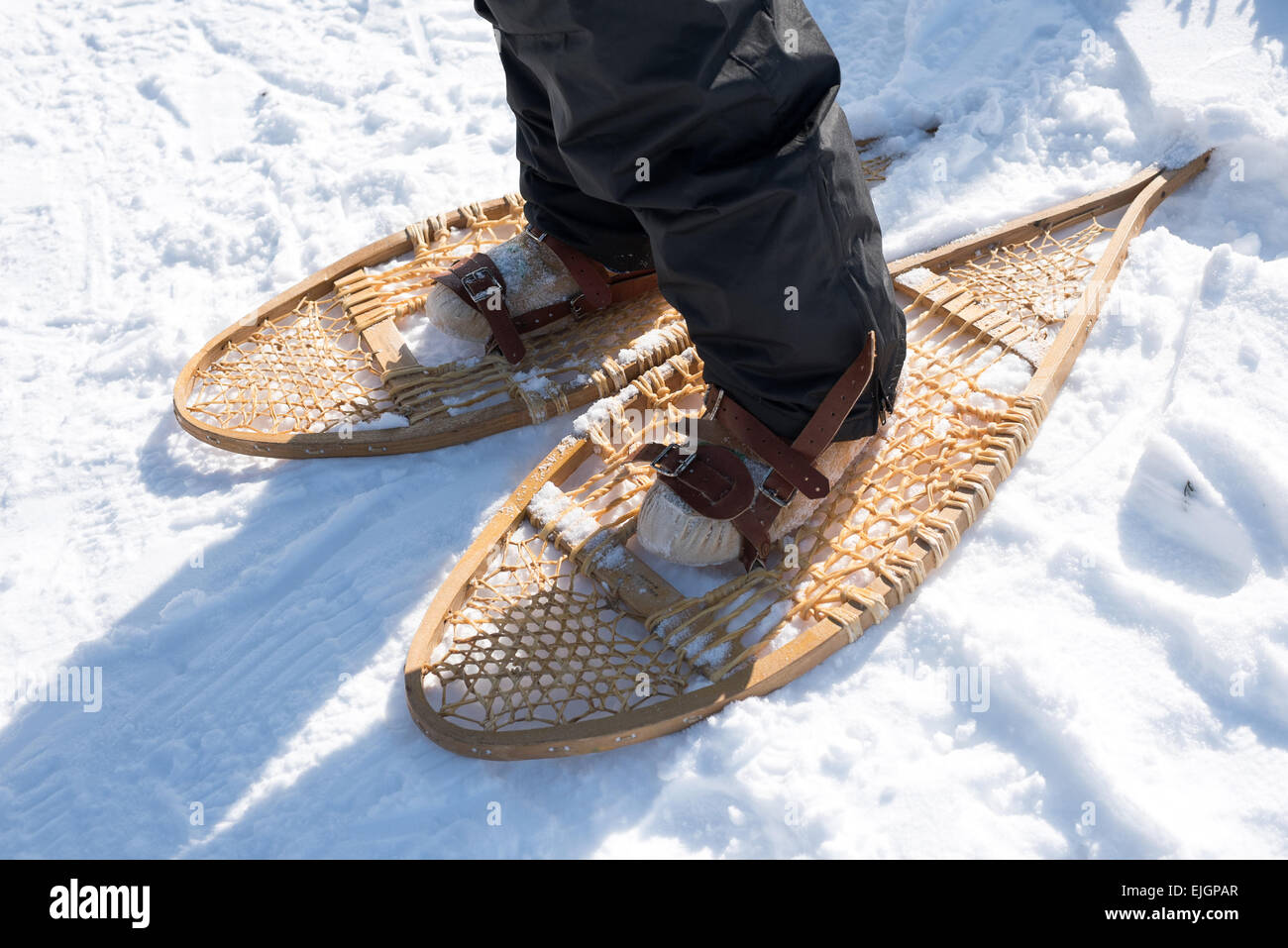

The crisp bite of winter air, the hushed silence of a snow-laden forest, and the thrill of tracking game across pristine white landscapes – this is the domain of the dedicated winter hunter. Yet, navigating deep snow can be an insurmountable challenge without the right equipment. For centuries, indigenous peoples, including the Eskimo (Inuit and Yupik), have mastered winter travel, relying on ingeniously designed snowshoes to traverse their frozen worlds. Today, modern hunting snowshoes draw heavily on these timeless principles, offering hunters unprecedented access to remote backcountry territories.
This comprehensive guide will delve into the world of Eskimo-inspired snowshoes for hunting, exploring their history, key features, selection criteria, and advanced usage techniques. Whether you’re pursuing deer, elk, moose, or furbearers, understanding the nuances of these vital tools can significantly enhance your success and safety in the winter wilderness.
A Legacy of Winter Survival: The Eskimo Connection
The term ‘Eskimo snowshoes’ often evokes images of traditional, handcrafted footwear made from wood and rawhide. While modern snowshoes utilize advanced materials, their fundamental purpose and design concepts are deeply rooted in the knowledge passed down by northern indigenous cultures. These communities lived in harmony with their harsh environments, developing tools like snowshoes that were perfectly adapted for silent movement, efficient travel, and effective hunting across vast, snow-covered expanses.
The traditional Eskimo snowshoe designs varied by region and purpose, but all shared the common goal of distributing weight over a larger surface area to prevent sinking into deep snow. Their profound understanding of snow conditions, animal behavior, and the need for durable, repairable equipment laid the groundwork for the evolution of all snowshoe technology.
Why Snowshoes Are Indispensable for Winter Hunting


- Access to Remote Terrain: Snowshoes allow you to reach areas inaccessible by vehicles or even foot during heavy snowfall, opening up untouched hunting grounds.
- Silent Movement: With practice, snowshoes can enable remarkably quiet travel, crucial for stalking wary game.
- Energy Conservation: Instead of post-holing and expending excessive energy, snowshoes provide efficient flotation, reducing fatigue and allowing you to hunt longer.
- Tracking and Trapping: They minimize disruption to the snow surface, making it easier to identify and follow animal tracks. They are also essential for setting and checking traplines.
- Safety: By preventing deep sinks, snowshoes reduce the risk of falls, sprains, and hypothermia from wet clothing.
Key Features of Modern Hunting Snowshoes
Optimal Flotation for Diverse Snow Conditions
Flotation is the primary function of any snowshoe. Hunting snowshoes are typically larger than recreational models to support the hunter’s weight plus heavy gear. The surface area of the snowshoe dictates how much you sink. Deeper, softer snow requires more surface area, while packed snow or icy conditions allow for smaller snowshoes.
Superior Traction for Varied Terrain
- Aggressive Crampons: Sharp, metal teeth (often steel or aluminum) located under the ball of the foot and sometimes at the heel, providing grip on ice and hard-packed snow.
- Side Rails/Teeth: Integrated into the frame or decking, these offer additional lateral grip, especially when traversing hillsides.
- Heel Lifts (Climbing Bars): A small wire bail that flips up under your heel, reducing calf strain on steep ascents and improving energy efficiency.
Robust and Secure Binding Systems
- Ease of Use: Can you operate them easily with gloved hands in cold conditions?
- Security: Do they hold your boot firmly without slipping or wobbling?
- Boot Compatibility: Are they compatible with your preferred winter hunting boots, which are often bulky and insulated?
- Durability: Made from cold-resistant, tough materials that won’t crack or stiffen in extreme temperatures.
Durable Frame and Decking Materials


Modern snowshoes typically feature frames made from lightweight aluminum alloys or composite materials. Aluminum offers excellent strength-to-weight ratio, while composites can provide superior flexibility and impact resistance.
- Hypalon: Extremely durable, puncture-resistant, and flexible in cold.
- Nylon/Polypropylene: Lighter and more affordable, but may be less resistant to punctures or abrasions.
- Quietness: Some decking materials are designed to be quieter in cold temperatures, which is a significant advantage for hunting.
Choosing the Right Snowshoes for Your Hunt
Selecting the ideal pair of snowshoes depends on several factors specific to your hunting style and environment.
Consider Your Total Weight and Gear
This is arguably the most critical factor. Snowshoe manufacturers provide weight ratings. Always account for your body weight plus the weight of your hunting clothing, backpack, rifle/bow, and any game you might carry out. Err on the side of slightly larger snowshoes if you’re close to a weight limit or anticipate carrying heavy loads.
Assess Typical Snow Conditions
- Deep, Powder Snow: Requires larger snowshoes for maximum flotation (e.g., 30-inch or longer).
- Packed Snow/Crust: Smaller, more maneuverable snowshoes might suffice, especially if traction is a greater concern.
- Wet, Heavy Snow: Can be challenging; larger snowshoes help, but overall design and traction become very important.
Evaluate the Terrain
- Flat or Rolling Hills: General-purpose hunting snowshoes with good flotation and moderate traction are suitable.
- Steep, Mountainous Terrain: Prioritize aggressive crampons, heel lifts, and robust bindings for control and safety.
Hunting Style and Target Species
- Still Hunting/Stalking: Prioritize quietness and maneuverability.
- Tracking/Trapping: Flotation to preserve tracks and cover long distances efficiently.
- Backcountry Expeditions: Durability, repairability, and comfort over long hours are key.
Advanced Techniques for Hunting with Snowshoes
Merely wearing snowshoes isn’t enough; mastering their use can significantly impact your hunting success.
The Art of Silent Movement
Snowshoes can be noisy, but with practice, you can minimize sound. Focus on a smooth, gliding gait, lifting your feet just enough to clear the snow. Avoid dragging the tails or clanking the crampons. Some hunters modify their snowshoes with quiet-enhancing materials or choose models specifically designed for stealth.
Effective Tracking and Trapline Management
Snowshoes allow you to move through deep snow without disturbing animal sign excessively. Learn to read tracks carefully, identify patterns, and understand how snow depth and consistency affect track appearance. When setting traps, snowshoes help you approach and depart without leaving a heavy footprint that might alarm animals.
Navigating Challenging Terrain
- Side-Hilling: Keep your body perpendicular to the slope, digging the downhill edge of your snowshoe into the snow for grip.
- Ascending: Utilize heel lifts. If very steep, kick steps into the snow with the front crampons.
- Descending: Lean back slightly, allowing the tails to dig in. Use a controlled slide or kick steps.
Carrying Your Load
A well-fitted hunting backpack is essential. Distribute weight evenly and ensure your pack doesn’t interfere with your snowshoe stride. Consider using a pulk (sled) for hauling heavy gear or game over long distances, which can be towed easily while on snowshoes.
Maintenance and Care for Longevity
Proper care extends the life of your snowshoes and ensures they perform when you need them most. After each use, clean off snow, ice, and debris. Inspect bindings, frames, and decking for wear or damage. Store them in a cool, dry place, away from direct sunlight.
Safety Considerations in the Winter Wilderness
Hunting in winter demands heightened awareness. Always inform someone of your route and expected return. Carry essential survival gear, including navigation tools, fire starters, an emergency shelter, and extra layers. Be aware of avalanche risks in mountainous terrain and understand how to identify and avoid hazardous areas. Hypothermia is a constant threat; dress in layers and stay hydrated.
Frequently Asked Questions About Hunting Snowshoes
What size snowshoes do I need for hunting?
As a general rule, hunters often opt for larger snowshoes (e.g., 25-30 inches or more) to accommodate their body weight plus heavy gear and the typically deep, soft snow encountered during winter hunts. Consult manufacturer weight charts and err on the side of slightly larger if you’re between sizes or carrying heavy loads.
Are snowshoes good for deep snow?
Yes, snowshoes are specifically designed for deep snow. Their large surface area distributes your weight, allowing you to ‘float’ on top of the snow rather than sinking in, making travel significantly easier and more efficient than post-holing.
Can you hunt in snowshoes?
Absolutely. Hunting in snowshoes is a time-honored tradition and a highly effective method for accessing remote winter habitat, tracking game, and moving silently through snow-covered landscapes. Many big game and furbearer seasons extend into the winter months, making snowshoes an essential tool.
What are the best snowshoes for backcountry hunting?
The ‘best’ depends on specific conditions, but look for models known for durability, aggressive traction (crampons, heel lifts), secure and cold-resistant bindings, and sufficient flotation for heavy loads. Brands like MSR, Tubbs, and Atlas offer excellent hunting-specific models.
How do you walk quietly in snowshoes?
To walk quietly, practice a smooth, slightly wider gait, lifting your feet just enough to clear the snow without dragging. Avoid stomping. Some snowshoes are designed with quieter decking materials. Focus on your weight distribution and rhythm to minimize creaks and crunching sounds.
Conclusion: Embrace the Winter Hunt
The legacy of the Eskimo people in mastering winter travel continues to inspire modern hunting. By understanding the principles of flotation, traction, and silent movement embodied in quality hunting snowshoes, you gain the ability to unlock vast, untouched wilderness areas. Choosing the right gear, practicing effective techniques, and prioritizing safety will not only enhance your chances of a successful hunt but also deepen your appreciation for the raw beauty and profound challenges of the winter landscape. Equip yourself wisely, step into the snow, and experience the timeless thrill of the winter hunt.


