The Gila River Indian Community (GRIC), nestled in the heart of Arizona, stands as a powerful testament to resilience, self-determination, and innovative development. Far from a static entity, GRIC is a vibrant, evolving nation actively shaping its future through strategic economic ventures, robust social programs, and unwavering commitment to its rich cultural heritage.
This comprehensive overview delves into the multifaceted aspects of the Community’s growth, highlighting how it has leveraged its sovereign status and ancestral lands to create a thriving environment for its members and contribute significantly to the broader Arizona economy.
The Gila River Indian Community is composed of two distinct but historically intertwined tribes: the Akimel O’odham (River People) and the Pee-Posh (Maricopa). Their ancestral lands have always been centered around the Gila River, a crucial lifeline in the desert landscape, which shaped their agricultural practices and cultural identity for centuries.
Historically, the Akimel O’odham were master irrigators, developing sophisticated canal systems that predate modern engineering. This deep connection to the land and water resources continues to influence the Community’s development philosophy, emphasizing sustainability and responsible stewardship.
A cornerstone of GRIC’s success is its sovereign governmental structure. As a federally recognized Indian Tribe, GRIC operates under its own constitution, governed by a Governor, Lieutenant Governor, and a Community Council representing seven districts. This self-governance empowers the Community to make decisions that directly benefit its members and drive its development agenda.
The ability to enact and enforce its own laws, manage its resources, and engage in intergovernmental relations has been crucial for GRIC to pursue ambitious development projects and protect its interests, including vital water rights.
Economic Development: A Foundation for Self-Sufficiency
Economic diversification is a key pillar of GRIC’s development strategy. The Community has successfully built a robust economy that provides employment, generates revenue, and fosters entrepreneurial opportunities for its members.
One of the most visible and impactful sectors of GRIC’s economy is its gaming enterprise. Gila River Resorts & Casinos, including Lone Butte, Wild Horse Pass, Vee Quiva, and Santan Mountain, are major entertainment destinations in Arizona. These establishments not only attract millions of visitors annually but also serve as significant employers, contributing substantially to the Community’s financial independence.
Beyond gaming, GRIC has strategically developed industrial and commercial parks. The Wild Horse Pass Development Authority oversees a vast complex that includes resorts, a motorsports park, an outlet mall, and various commercial ventures, creating a dynamic economic hub.
Agriculture, while modernized, remains an important part of the Community’s economic and cultural fabric. GRIC’s agricultural enterprises continue to produce a variety of crops, maintaining a connection to their historical roots as farmers of the Gila River.
The Community’s economic endeavors have a profound impact on the regional economy, creating thousands of jobs and generating substantial tax revenue for the state of Arizona. This economic footprint underscores GRIC’s role as a vital economic partner.
Community & Social Development: Investing in People
GRIC’s development extends far beyond economic metrics; it is deeply invested in the well-being and advancement of its members. Comprehensive social programs and infrastructure projects are designed to enhance quality of life.
Healthcare is a top priority, with the Community operating its own healthcare system, including clinics and health services tailored to meet the specific needs of its population, emphasizing culturally sensitive care.
Education is seen as an investment in the future. GRIC supports its own schools and provides various programs and scholarships to encourage higher education and vocational training for its youth, ensuring they have the tools to succeed.
Housing initiatives aim to provide safe, affordable, and culturally appropriate housing options for Community members, addressing a fundamental need and promoting stable family environments.
Infrastructure improvements are ongoing, including significant investments in roads, water systems, wastewater treatment, and broadband internet access, which are essential for both economic growth and improved living standards.
Cultural Preservation and Revitalization
At the heart of all development efforts is an unwavering commitment to preserving and promoting the unique culture, language, and traditions of the Akimel O’odham and Pee-Posh peoples. Cultural centers, language immersion programs, and traditional arts initiatives ensure that ancestral knowledge is passed down through generations.
The Huhugam Heritage Center serves as a repository for historical artifacts, a venue for cultural events, and an educational resource, playing a crucial role in maintaining and celebrating GRIC’s identity.
Environmental Stewardship and Water Rights
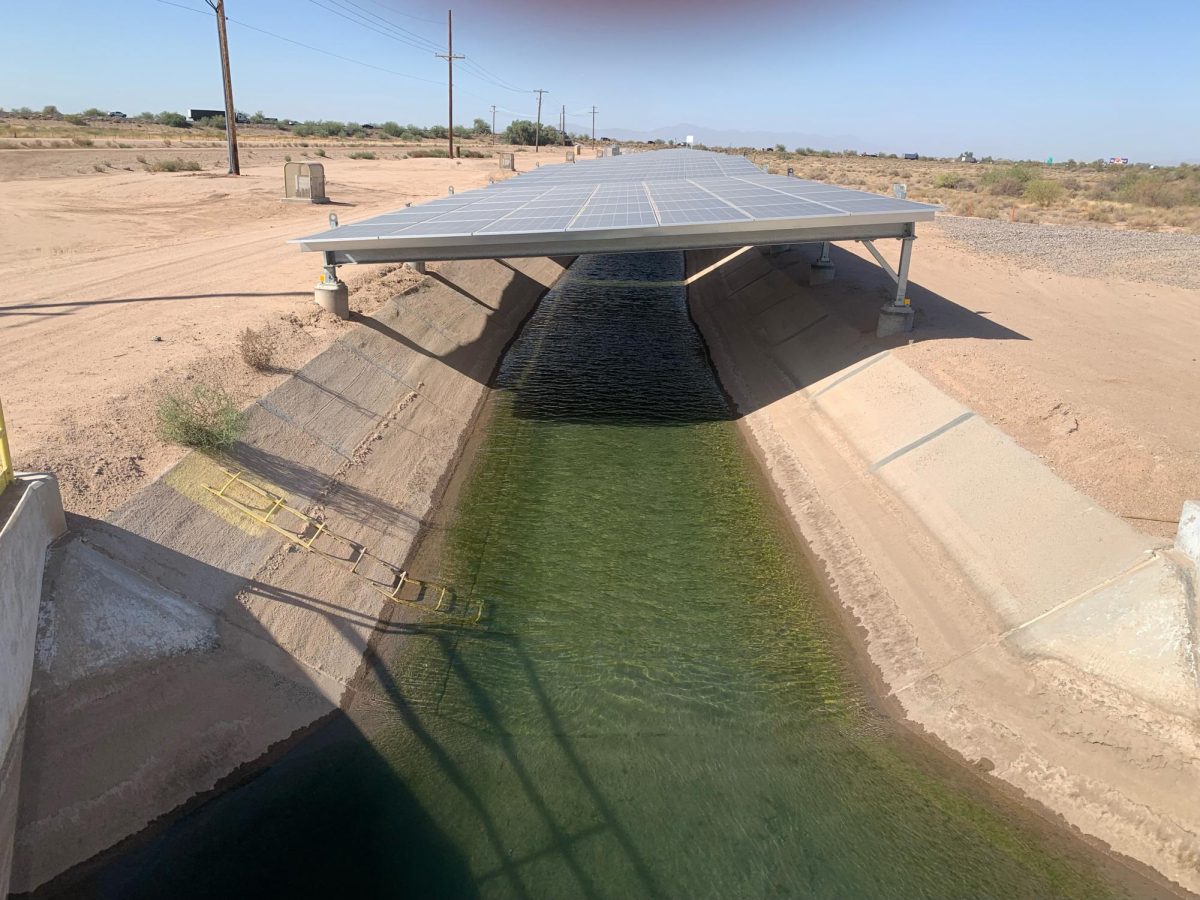
Water is life in the desert, and GRIC has a long and complex history with water rights, particularly concerning the Gila River and its allocations from the Central Arizona Project (CAP). The Community has fiercely advocated for and successfully secured its water rights, ensuring access to this vital resource for its agricultural, economic, and domestic needs.
Environmental protection and sustainable resource management are integral to GRIC’s development philosophy. The Community is actively involved in efforts to conserve natural habitats, manage wildlife, and promote sustainable practices across its vast land base.
Challenges and Future Opportunities
Like any developing nation, GRIC faces challenges, including managing rapid growth, ensuring equitable distribution of resources, and adapting to external economic shifts. However, these challenges are met with strategic planning and a forward-thinking approach.
Future opportunities abound, including further diversification of its economy into renewable energy, technology, and specialized manufacturing. Continued investment in education and infrastructure will also be key to sustained prosperity.
The Gila River Indian Community is a beacon of self-determination and progressive development. Through strategic economic ventures, a deep commitment to its people’s well-being, and a steadfast dedication to cultural and environmental stewardship, GRIC is not just building a future for its members; it is setting a powerful example for tribal nations across the country.
From its ancient agricultural roots to its modern resorts and industrial parks, the Community’s journey is a dynamic narrative of resilience, innovation, and unwavering cultural pride, demonstrating how a sovereign nation can thrive while honoring its past.


