

America’s National Parks are celebrated for their breathtaking natural beauty, diverse ecosystems, and profound historical significance. Yet, many visitors are unaware of the deep, often complex, relationship these protected areas share with the Indigenous peoples whose ancestral lands they often encompass or border. Exploring national parks near Indian Reservations offers a unique opportunity to connect with both natural wonders and rich cultural heritage.
This comprehensive guide aims to illuminate these vital connections, providing insights into how to respectfully visit and appreciate both the majesty of our national park system and the vibrant cultures of Native American tribes. Understanding this intricate tapestry enriches the travel experience, fostering a deeper appreciation for the land and its original stewards.
A Shared History: National Parks and Ancestral Lands
The establishment of National Parks in the late 19th and early 20th centuries often occurred on lands that had been inhabited and managed by Indigenous communities for millennia. These lands were, and in many cases still are, considered sacred and central to the cultural identity of various tribes. Recognizing this historical context is the first step towards respectful engagement.
Many tribal nations continue to hold strong connections to these landscapes, engaging in traditional practices, gathering resources, and maintaining spiritual ties. Their perspectives offer invaluable insights into environmental stewardship and the long-term human relationship with nature, often predating the park system by thousands of years.
Why Visit National Parks and Adjacent Tribal Lands?

Combining a visit to a National Park with an exploration of nearby Indian Reservations provides an unparalleled educational and cultural experience. It allows travelers to witness stunning natural beauty while also learning directly from Indigenous communities about their history, traditions, and ongoing efforts to preserve their heritage.
This dual approach supports a more holistic understanding of American history and ecology. It moves beyond a purely scenic appreciation to one that includes human stories, cultural resilience, and the enduring presence of Native American peoples.
Respectful Tourism: The Cornerstone of Your Journey
When planning to visit tribal lands, remember that these are living communities, not just tourist attractions. Adherence to tribal laws, customs, and respectful behavior is paramount. Always seek permission for activities that might be common in national parks but restricted on tribal lands, such as photography of individuals or sacred sites.
Support local Indigenous economies by purchasing authentic crafts, dining at tribal-owned businesses, or hiring tribal members as guides. Your tourism dollars can directly benefit the communities you visit, contributing to their economic well-being and cultural preservation efforts.
Grand Canyon National Park and Its Indigenous Neighbors
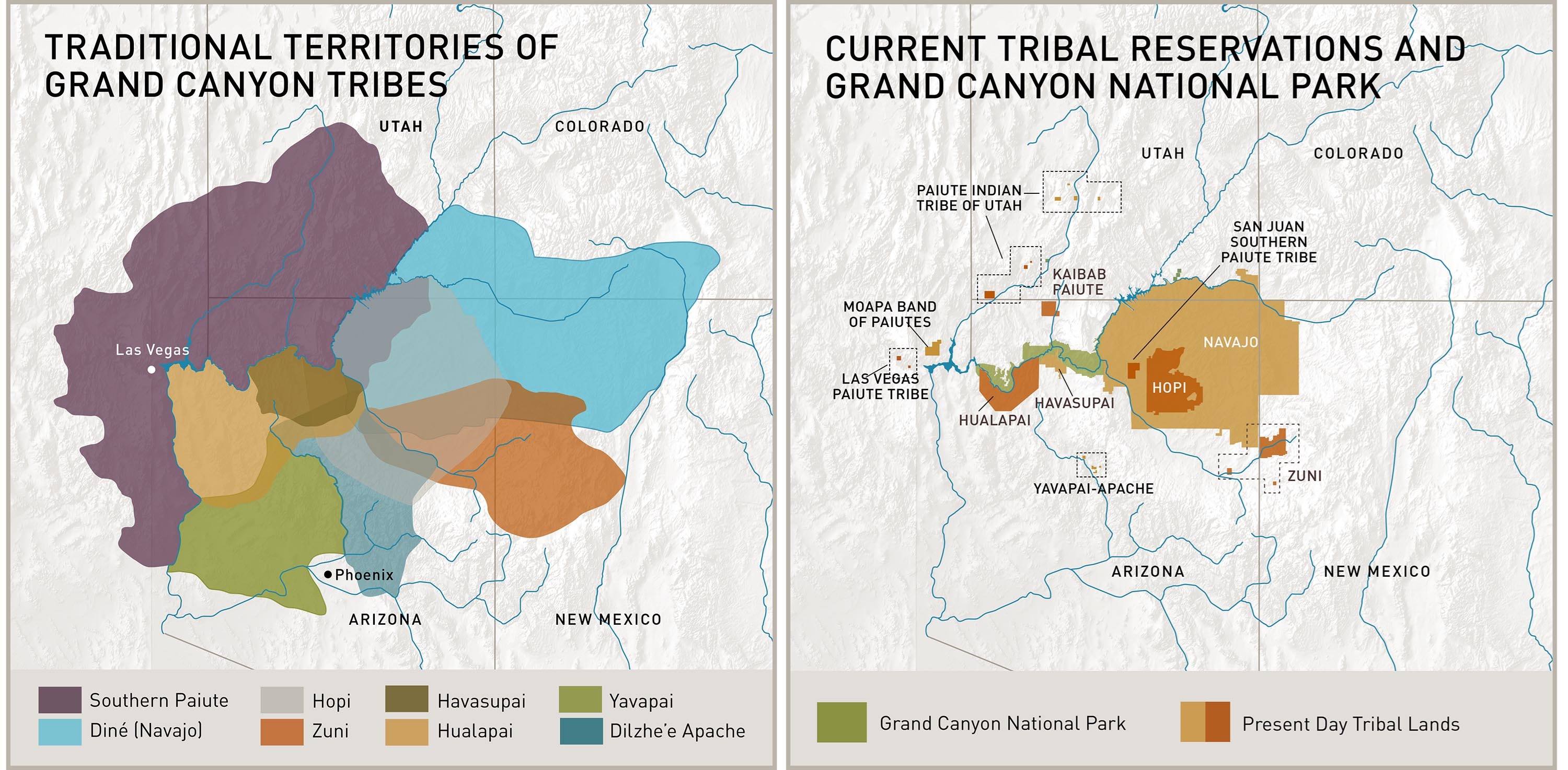
The Grand Canyon, one of the world’s most iconic natural wonders, is surrounded by and deeply connected to several tribal nations. The Havasupai Tribe, known for their stunning turquoise waterfalls, reside within the canyon itself, accessible via permits that are notoriously difficult to obtain.
The Hualapai Tribe manages the Grand Canyon West area, offering the renowned Skywalk experience and opportunities to learn about their culture. The Navajo Nation, the largest reservation in the U.S., borders the eastern part of the park, offering unique perspectives and access points like Antelope Canyon (a Navajo Tribal Park) and Monument Valley.
The Hopi Tribe, with ancient villages on mesa tops, also holds deep spiritual connections to the canyon and surrounding lands. Engaging with these communities provides a profound understanding of the canyon’s spiritual and historical significance beyond its geological marvels.

Yellowstone National Park: A Sacred Landscape for Many Tribes
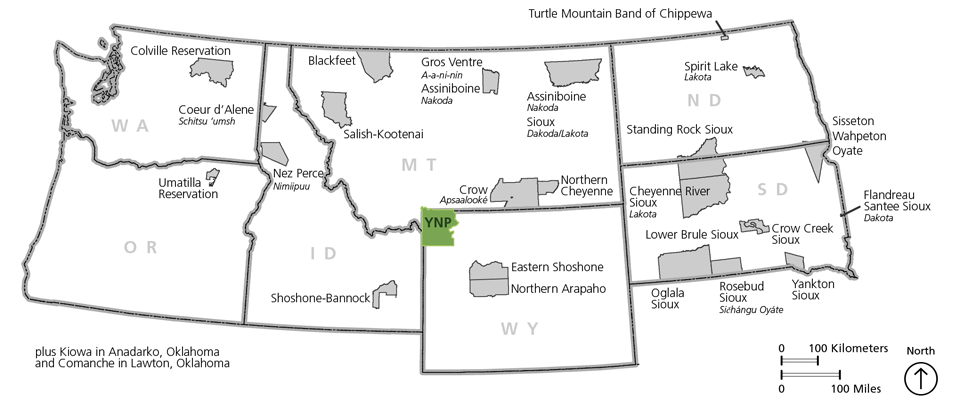
Yellowstone, America’s first National Park, was historically home to and utilized by numerous Indigenous tribes, including the Crow, Shoshone, Blackfeet, Nez Perce, Bannock, and Lakota. While no reservations directly border the park in the same way as the Grand Canyon, the historical and cultural ties are immense.
Visitors can learn about these connections through interpretive programs within the park and by visiting cultural centers on nearby reservations, such as the Crow Indian Reservation to the east or the Shoshone-Bannock Tribes of Fort Hall Reservation to the south. These interactions highlight the long history of human presence in the Yellowstone ecosystem.
Zion National Park and the Paiute Indian Tribe of Utah
Zion’s towering sandstone cliffs and verdant canyons are ancestral lands of the Southern Paiute people. The Paiute Indian Tribe of Utah maintains a strong presence in the region, with several bands holding reservations near the park.
Learning about Paiute history and their traditional land uses, such as gathering plants and hunting, offers a vital perspective on the park’s ecology. While direct visitor access to many tribal lands may be limited, supporting tribal enterprises and understanding their cultural narratives enriches the Zion experience.
Badlands National Park and the Oglala Lakota Nation (Pine Ridge Reservation)
Badlands National Park is uniquely intertwined with the Oglala Lakota Nation’s Pine Ridge Reservation, which shares a border with the park and even includes a portion of the park’s South Unit, co-managed by the tribe. This offers a direct opportunity for cultural immersion.
The Stronghold Table, within the South Unit, is a significant spiritual site for the Lakota people. Visitors can explore the Red Shirt Table community, learn about Lakota culture, and witness the ongoing efforts of the tribe to preserve their heritage amidst the striking badlands landscape. Always check for specific access rules and cultural sensitivity guidelines.
Glacier National Park and the Blackfeet Nation
Glacier National Park, often called the ‘Crown of the Continent,’ shares its eastern boundary with the Blackfeet Indian Reservation. The Blackfeet Nation holds immense cultural and historical ties to the mountains and plains of this region, considering much of the park their ancestral homeland.
The Museum of the Plains Indian in Browning, on the Blackfeet Reservation, provides an excellent introduction to Blackfeet history and culture. Engaging with Blackfeet guides for tours within and around the park can offer unparalleled insights into the traditional ecological knowledge and spiritual significance of the area.
Arches & Canyonlands National Parks and the Ute & Navajo Nations
The iconic red rock landscapes of Arches and Canyonlands National Parks in Utah were historically inhabited by Ute and Navajo peoples. While direct reservation borders are not as prominent as with some other parks, the cultural influence and ancestral connections are undeniable.
Visitors can learn about the rich history of these Indigenous groups through archaeological sites within the parks and by visiting nearby tribal cultural centers. The proximity to the Navajo Nation, particularly to the south, offers additional opportunities to experience Navajo culture and craftsmanship.
Everglades National Park and the Seminole & Miccosukee Tribes
The unique wetland ecosystem of Everglades National Park has been home to the Seminole and Miccosukee Tribes for centuries. These tribes adapted to and thrived in the ‘River of Grass,’ developing unique cultural practices tied to the environment.
Visitors can experience aspects of Seminole and Miccosukee culture through tribal villages and cultural centers located on their reservations just outside the park boundaries, offering airboat tours, craft demonstrations, and educational exhibits that provide vital context to the Everglades’ human history.
Olympic National Park and the Coastal Salish Tribes
Olympic National Park’s lush rainforests, rugged coastline, and majestic mountains are the ancestral lands of numerous Coastal Salish tribes, including the Quinault, Hoh, Makah, Ozette, and others. Several reservations directly border the park.
These tribes maintain deep connections to the land and sea, practicing traditional fishing, whaling, and forestry. Exploring their cultural centers, such as the Makah Cultural and Research Center, offers profound insights into their enduring relationship with this stunning Pacific Northwest environment.
Death Valley National Park and the Timbisha Shoshone Tribe
Death Valley, one of the hottest places on Earth, has been the homeland of the Timbisha Shoshone people for thousands of years. The Timbisha Shoshone Reservation is located within the boundaries of Death Valley National Park, a rare example of a reservation entirely encircled by a national park.
This unique arrangement allows for direct interaction and understanding of the Timbisha Shoshone’s resilience and their traditional knowledge of surviving and thriving in such an extreme environment. Supporting their cultural initiatives is a meaningful way to engage.
Planning Your Visit: Practical Tips for Responsible Exploration
-
Research Thoroughly: Before you go, research the specific tribal nations associated with the park you plan to visit. Check their official websites for visitor policies, cultural events, and any required permits or fees for accessing tribal lands.
-
Permits and Fees: Understand that tribal lands often have their own permit systems and entrance fees, separate from National Park passes. These fees directly support the tribal government and community services.
-
Cultural Sensitivity: Be mindful of local customs. Ask permission before taking photos of people or sacred sites. Dress modestly if appropriate. Respect private property and stay on marked trails.
-
Support Local: Purchase goods and services directly from tribal members or tribal-owned businesses. This ensures your money directly benefits the community and helps sustain cultural practices.
-
Educate Yourself: Visit tribal cultural centers and museums. Engage with interpretive programs offered by tribal members. Read books and articles written by Indigenous authors.
-
Leave No Trace: Extend the ‘Leave No Trace’ principles to cultural sites. Do not disturb artifacts, rock art, or structures. Pack out everything you pack in.
Are National Parks on Native American land? Many National Parks were established on the ancestral lands of Indigenous peoples. While legally designated as federal land, the historical and cultural claims of Native American tribes remain significant and are increasingly recognized through co-management agreements and interpretive programs.
Can you visit tribal lands? Yes, many tribal nations welcome visitors to their lands, but access is subject to their specific rules, regulations, and sometimes permits. Always check with the individual tribe’s tourism office or website before planning your visit.
What is the difference between a National Park and a Tribal Park? National Parks are managed by the National Park Service, a federal agency, focusing on conservation and public recreation. Tribal Parks are established and managed by sovereign tribal nations, prioritizing cultural preservation, traditional uses, and economic development for their communities, often with a unique interpretive lens.
How can I support Native American communities when visiting? Support tribal-owned businesses, purchase authentic crafts directly from artisans, hire tribal guides, attend cultural events (when open to the public), and make donations to tribal cultural preservation funds. Most importantly, educate yourself and visit with respect.
Conclusion: A Journey of Discovery and Respect
Visiting National Parks near Indian Reservations offers a profoundly enriching experience, blending the awe of natural landscapes with the depth of human history and vibrant living cultures. It’s an invitation to go beyond the scenic overlook and engage with the stories, traditions, and resilience of America’s first peoples.
By embracing responsible and respectful tourism, travelers can not only deepen their own understanding but also contribute positively to the preservation of Indigenous cultures and the ongoing stewardship of these magnificent lands. Your journey becomes more than a vacation; it transforms into an act of appreciation, education, and cultural exchange.


