

Eskimo dolls, also known as Inuit dolls or Yupik dolls, are much more than simple playthings. They are intricate representations of cultural heritage, storytelling, and the resourcefulness of the Arctic peoples. These dolls offer a unique window into the traditions, beliefs, and daily lives of the Eskimo people, reflecting their deep connection to the land and its resources. This blog post will delve into the fascinating world of Eskimo dolls, exploring their history, materials, crafting techniques, and cultural significance.
What are Eskimo Dolls?
Eskimo dolls are traditional dolls crafted by the Inuit and Yupik peoples of the Arctic regions. They are typically made from natural materials such as animal skins, bones, ivory, wood, and even grass. These dolls serve various purposes, from educational tools for children to symbolic representations of spiritual beliefs and cultural values. Unlike mass-produced dolls, each Eskimo doll is unique, reflecting the individual skills and creativity of the artisan.
A Brief History of Eskimo Dolls
The history of Eskimo dolls stretches back centuries, with archaeological evidence suggesting that dolls have been part of Inuit and Yupik cultures for a very long time. Originally, these dolls were not primarily toys. They were often used to teach children about hunting, sewing, and other essential life skills. Dolls also played a role in spiritual ceremonies, representing ancestors or spirits. Over time, as contact with the outside world increased, Eskimo dolls also became a form of art and a source of income for many communities.
Materials Used in Traditional Eskimo Doll Making


Animal Skins and Furs: Sealskin, caribou hide, and polar bear fur are commonly used for the doll’s body and clothing. These materials provide warmth and durability, reflecting the importance of these animals in the Eskimo diet and way of life.
Bones and Ivory: Walrus ivory and animal bones are often used for the doll’s face, hands, and feet. Ivory, in particular, is prized for its smooth texture and ability to be carved into intricate details.
Wood: Driftwood, found along the Arctic coastlines, is sometimes used for the doll’s body or as a base for attaching other materials.
Grass and Plant Fibers: These materials are used for stuffing the dolls or creating details like hair or clothing accents. Grass dolls are a specific type, woven entirely from dried grasses.
Beads and Other Decorative Items: Glass beads, acquired through trade, are often used to embellish the doll’s clothing and add a touch of color and artistry.
Crafting Techniques: A Step-by-Step Look
Preparation of Materials: Animal skins must be cleaned, tanned, and softened. Ivory and bones are carved and polished. Other materials are gathered and prepared for use.
Construction of the Doll’s Body: The doll’s body is typically constructed by sewing together pieces of animal skin or fur. The body is then stuffed with grass, fur scraps, or other soft materials.
Creating the Face and Features: The doll’s face is often carved from ivory or bone. Facial features are delicately etched or painted onto the surface. Sometimes, beads are used for the eyes.
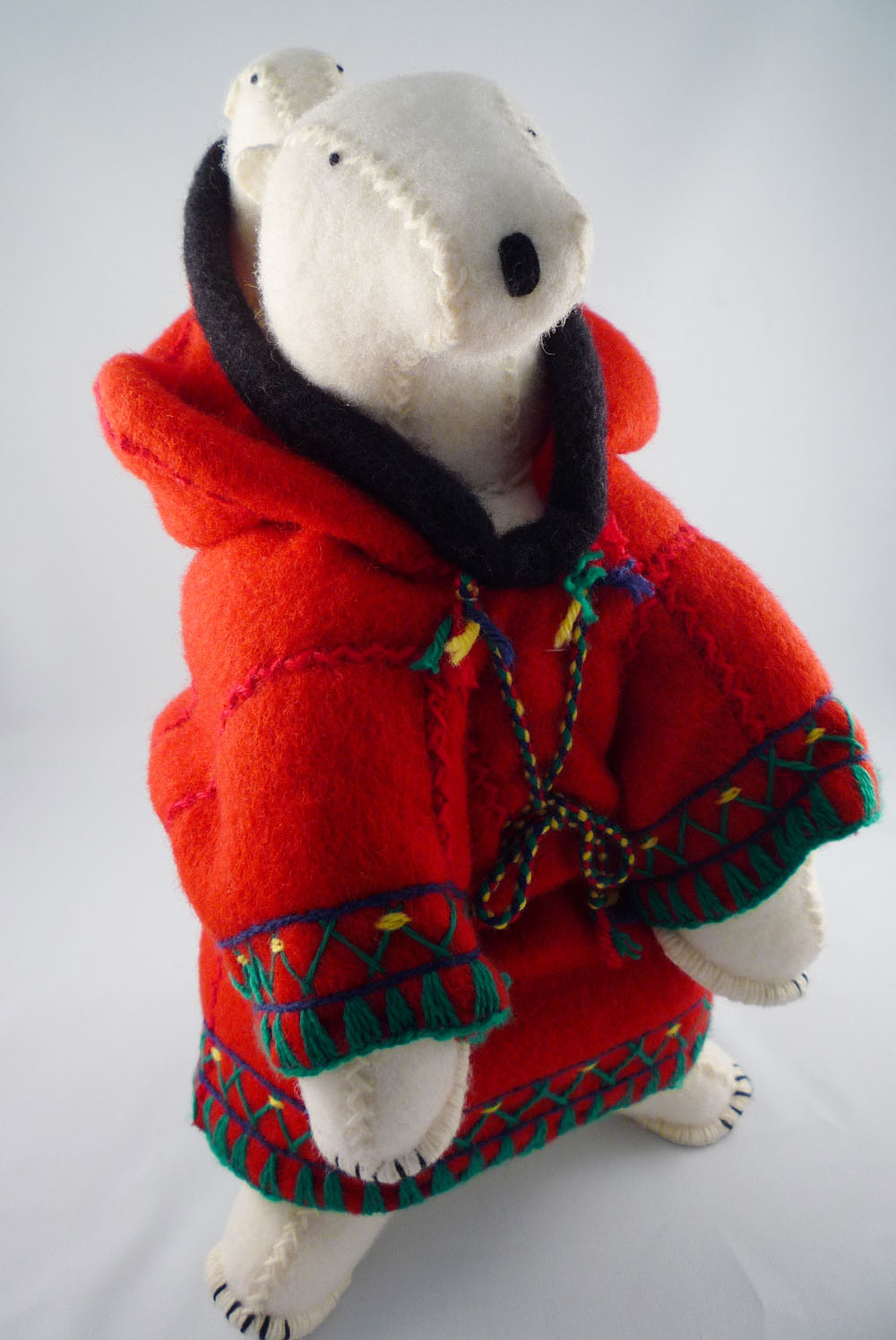

Dressing the Doll: The doll is dressed in traditional Eskimo clothing, which may include parkas, boots, and mittens. These garments are meticulously crafted from animal skins and furs, often adorned with beads or embroidery.
Adding Finishing Touches: The final step involves adding details such as hair, jewelry, or other decorative elements. These finishing touches help to personalize the doll and reflect the artisan’s unique style.
The Cultural Significance of Eskimo Dolls
Educational Tools: Dolls are used to teach children about traditional clothing, hunting techniques, and other aspects of Eskimo life. By playing with dolls, children learn about their cultural heritage and develop essential skills.
Storytelling Aids: Dolls are often used to illustrate stories and legends. They can represent characters from traditional tales, bringing these stories to life for younger generations.
Spiritual Symbols: In some cases, dolls represent ancestors, spirits, or other supernatural beings. They may be used in ceremonies or kept as talismans for protection and good fortune.
Artistic Expressions: Eskimo dolls are a form of art that reflects the creativity and skill of the artisan. Each doll is a unique expression of cultural identity and artistic talent.
Types of Eskimo Dolls
Inuit Dolls: Generally made from sealskin or caribou hide, often depicting everyday activities like hunting or fishing.
Yupik Dolls: Known for their intricate beadwork and detailed clothing, reflecting the Yupik people’s rich artistic traditions.
Grass Dolls: Woven entirely from dried grasses, these dolls are a unique example of resourcefulness and craftsmanship.
Storytelling Dolls: Designed to represent characters from traditional Eskimo stories, often used in educational settings.
The Modern Revival of Eskimo Doll Making
In recent years, there has been a renewed interest in traditional Eskimo doll making. This revival is driven by a desire to preserve cultural heritage and promote economic opportunities for Indigenous communities. Many contemporary Eskimo artists are creating dolls that blend traditional techniques with modern materials and designs. These dolls are highly sought after by collectors and museums around the world.
Where to Find Authentic Eskimo Dolls
Indigenous Art Galleries: Many galleries specializing in Indigenous art carry a selection of Eskimo dolls. These galleries often work directly with artists from Inuit and Yupik communities.
Museum Gift Shops: Some museums with collections of Eskimo art and artifacts sell dolls in their gift shops. These dolls are often made by local artisans.
Online Marketplaces: Several online marketplaces feature handmade crafts from Indigenous artists. Be sure to research the seller and ensure that the doll is authentic.
Caring for Your Eskimo Doll
Keep the doll away from direct sunlight and extreme temperatures: These conditions can damage the delicate materials used to create the doll.
Handle the doll with clean hands: Oils and dirt can accumulate on the doll’s surface over time.
Store the doll in a safe place: Protect the doll from dust, moisture, and pests.
Consider professional cleaning: If the doll becomes soiled or damaged, consult a professional conservator or textile cleaner.
The Enduring Legacy of Eskimo Dolls
Eskimo dolls are more than just crafts; they are tangible links to the past, present, and future of the Inuit and Yupik peoples. They embody the resourcefulness, creativity, and cultural resilience of these communities. By appreciating and supporting the art of Eskimo doll making, we can help to preserve this rich cultural heritage for generations to come.
People Also Ask (PAA) – Addressing Common Questions
What are Eskimo dolls made of?
Eskimo dolls are traditionally made from natural materials found in the Arctic environment, including animal skins (such as sealskin and caribou hide), bones, ivory, wood, and grass. Beads and other decorative items may also be used.
What is the purpose of Eskimo dolls?
Eskimo dolls serve various purposes, including education, storytelling, spiritual symbolism, and artistic expression. They are used to teach children about traditional skills and cultural values, illustrate stories, represent spiritual beings, and showcase the creativity of the artisan.
How can I tell if an Eskimo doll is authentic?
Authentic Eskimo dolls are typically handmade by Inuit or Yupik artisans using traditional materials and techniques. Look for dolls that are sold by reputable sources, such as Indigenous art galleries or museum gift shops. Examine the materials and construction of the doll for signs of handcraftsmanship.
How do I care for an Eskimo doll?
To care for an Eskimo doll, keep it away from direct sunlight and extreme temperatures, handle it with clean hands, store it in a safe place, and consider professional cleaning if necessary. Avoid exposing the doll to moisture, dust, and pests.
Are Eskimo dolls still being made today?
Yes, Eskimo dolls are still being made today by Inuit and Yupik artisans. There has been a renewed interest in traditional doll making as a way to preserve cultural heritage and promote economic opportunities for Indigenous communities.
Conclusion
Eskimo traditional dolls crafts represent a captivating intersection of art, culture, and history. These dolls, meticulously crafted from the resources of the Arctic, offer a profound glimpse into the lives, beliefs, and traditions of the Inuit and Yupik peoples. From their origins as educational tools and spiritual symbols to their modern-day revival as artistic expressions, Eskimo dolls continue to hold a significant place in Indigenous culture and beyond. By understanding and appreciating these unique creations, we honor the enduring legacy of the Eskimo people and their deep connection to the Arctic landscape.


