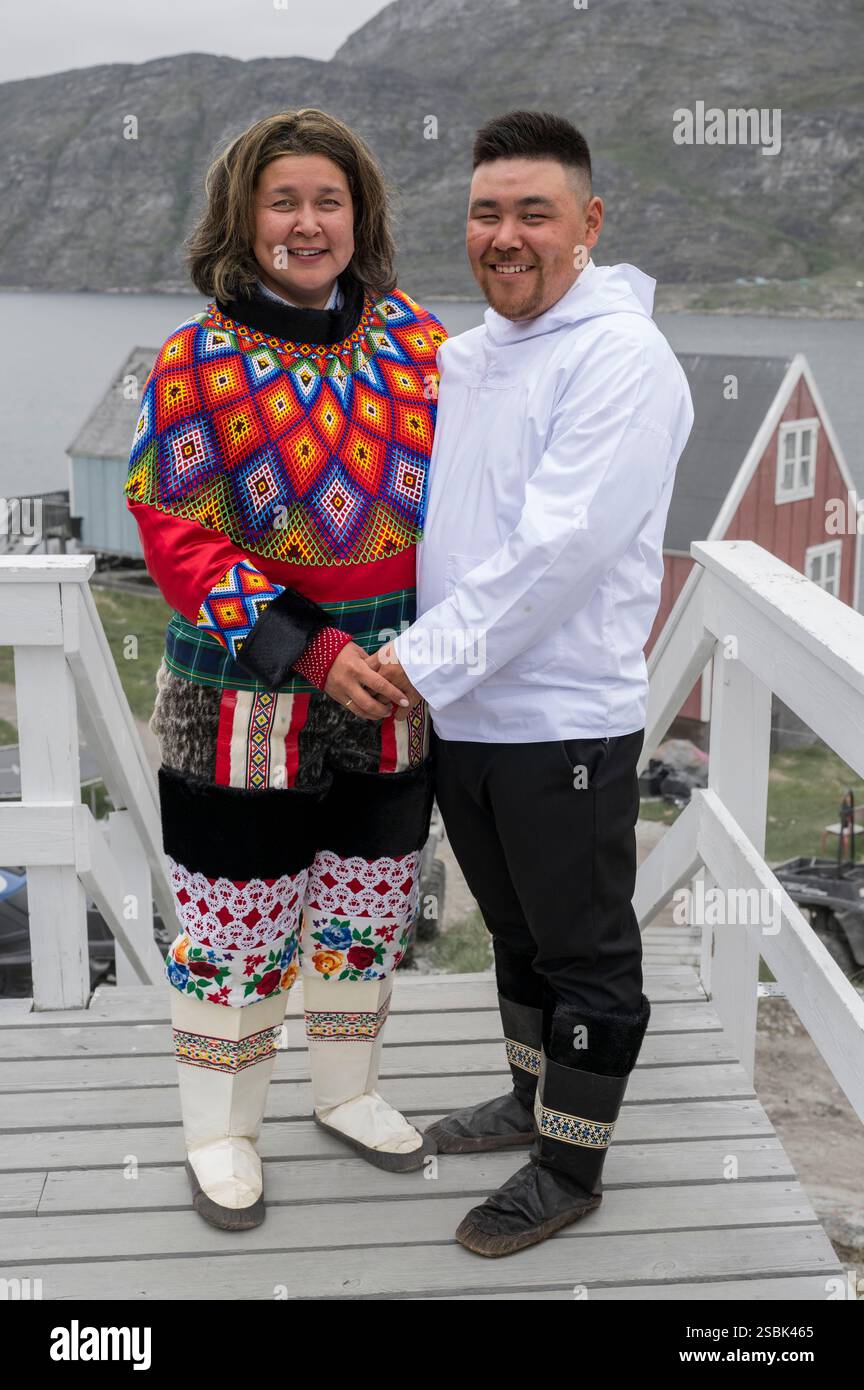

Inuit marriage traditions, deeply rooted in their culture and environment, offer a unique perspective on partnership and community. Far from the elaborate weddings of modern Western society, Inuit ceremonies emphasize practicality, family ties, and the continuation of their way of life. This article explores the fascinating customs and rituals surrounding Inuit marriage.
The Significance of Marriage in Inuit Culture
Marriage within Inuit communities is more than just a union between two individuals; it’s a vital social and economic partnership. Traditionally, survival in the harsh Arctic environment depended on the ability of men and women to fulfill specific roles. Men were hunters and providers, while women were responsible for preparing food, making clothing, and raising children. Marriage ensured that these tasks were accomplished, contributing to the overall well-being of the family and the community.
Inuit marriage customs also played a crucial role in strengthening kinship ties and maintaining social harmony. By forming alliances through marriage, families could share resources, support each other in times of need, and resolve conflicts peacefully. The concept of Inuit Qaujimajatuqangit (Inuit traditional knowledge) heavily influences these practices, emphasizing respect, cooperation, and the interconnectedness of all things.
Traditional Betrothal Practices
Arranged Marriages: In many cases, marriages were arranged to ensure the stability and continuation of family lines. Parents considered factors such as hunting skills, sewing abilities, and overall suitability when selecting a partner for their child.


Early Marriage: Historically, individuals often married at a young age, sometimes as early as their mid-teens. This was partly due to the shorter life expectancy and the need to establish families quickly.
Gift Exchange: The exchange of gifts between families was a common practice during betrothal. These gifts symbolized the bond between the two families and served as a form of bride price or dowry.
Living Together Before Marriage: In some communities, it was customary for the couple to live together for a period before the marriage was formally recognized. This allowed them to assess their compatibility and ensure that they could work together effectively.
The Marriage Ceremony: Simplicity and Practicality
Inuit marriage ceremonies were traditionally simple and practical affairs, reflecting the austere environment in which they lived. Elaborate rituals and feasting were less common than in other cultures. The focus was on the union of the couple and the establishment of their new household.
Absence of Formal Rituals: Unlike Western weddings, Inuit marriage ceremonies often lacked formal religious or legal components. There was typically no officiant or exchange of vows. The marriage was considered valid once the couple began living together as husband and wife.
Community Recognition: The most important aspect of the marriage was its recognition by the community. Once the couple established their household and began fulfilling their roles as husband and wife, they were considered married in the eyes of the community.
Sharing a Meal: In some regions, the sharing of a meal was a significant part of the marriage ceremony. This symbolized the couple’s commitment to sharing their lives and resources with each other.
Building an Igloo: In some areas, the couple would build their own igloo together, symbolizing their ability to create a home and provide for themselves.


Roles and Responsibilities After Marriage
Following the marriage, the couple assumed specific roles and responsibilities within the family and community. These roles were often gender-specific and essential for survival.
The Husband’s Role: The husband was primarily responsible for hunting and providing food for the family. He would venture out to hunt seals, caribou, and other animals, using his skills and knowledge of the environment to ensure the family’s sustenance.
The Wife’s Role: The wife was responsible for preparing food, making clothing, and raising children. She would use her skills to sew warm garments from animal skins, cook meals using traditional methods, and care for the children.
Cooperation and Support: While roles were often gender-specific, cooperation and mutual support were essential for a successful marriage. Husbands and wives would work together to overcome challenges and ensure the well-being of their family.
The Importance of Children
Children were highly valued in Inuit society, as they represented the future of the community. Marriage was seen as a way to ensure the continuation of family lines and the survival of the Inuit culture.
Raising Children: Raising children was a shared responsibility within the family and community. Grandparents, aunts, and uncles all played a role in teaching children the skills and knowledge they needed to survive in the Arctic environment.
Passing on Traditions: Children were taught traditional skills such as hunting, fishing, sewing, and storytelling. This ensured that the Inuit culture and way of life would be passed down to future generations.
Contemporary Inuit Marriage Practices
While traditional Inuit marriage customs are still practiced in some communities, they have been influenced by modernization and contact with Western culture. Many Inuit couples now choose to have civil or religious ceremonies that incorporate elements of both Inuit and Western traditions.
Influence of Christianity: Christianity has had a significant impact on Inuit marriage practices. Many couples now choose to have their marriages solemnized in a church by a Christian minister.
Civil Ceremonies: Civil ceremonies, performed by a government official, are also becoming increasingly common. These ceremonies offer a more secular alternative to traditional or religious weddings.
Blending Traditions: Some couples choose to blend traditional Inuit customs with Western wedding traditions. For example, they may incorporate traditional Inuit clothing or music into their ceremony.
Challenges to Traditional Marriage: Modernization and social changes have presented challenges to traditional Inuit marriage practices. Factors such as increased mobility, access to education, and changing gender roles have all impacted the institution of marriage.
Preserving Inuit Culture
Despite these challenges, many Inuit communities are working to preserve their cultural heritage, including their marriage traditions. Efforts are being made to educate young people about traditional customs and to promote the importance of family and community.
Cultural Revitalization: Cultural revitalization programs are helping to revive traditional Inuit customs and practices, including marriage ceremonies. These programs often involve elders who share their knowledge and skills with younger generations.
Language Preservation: Language preservation is also essential for preserving Inuit culture. By teaching children the Inuit language, communities can ensure that traditional knowledge and customs are passed down to future generations.
The Future of Inuit Marriage
The future of Inuit marriage is likely to be a blend of traditional customs and modern influences. While some couples may choose to adhere strictly to traditional practices, others may opt for a more modern approach. However, the importance of family, community, and cultural heritage will likely remain central to Inuit marriage for generations to come.
Adaptation and Resilience: The Inuit people have a long history of adapting to change and overcoming challenges. Their ability to adapt and innovate while preserving their cultural identity is a testament to their resilience.
Continuing the Legacy: By continuing to practice their traditions and pass on their knowledge to future generations, the Inuit people can ensure that their unique culture and way of life will thrive for many years to come.
Conclusion
Inuit marriage traditions offer a fascinating glimpse into a culture deeply connected to its environment and community. While modernization has brought changes, the core values of family, cooperation, and cultural preservation remain central to Inuit marriage. By understanding and respecting these traditions, we can gain a deeper appreciation for the diversity of human experience and the enduring power of culture.
- Traditional Inuit marriages emphasized practicality and community recognition over elaborate rituals.
- Arranged marriages and early marriage were common practices in the past.
- Roles within the marriage were often gender-specific, with husbands as hunters and wives as caregivers.
- Children were highly valued and seen as essential for the continuation of the community.
- Modern Inuit marriages often blend traditional customs with Western influences.
- Efforts are being made to preserve Inuit culture and language, including marriage traditions.


