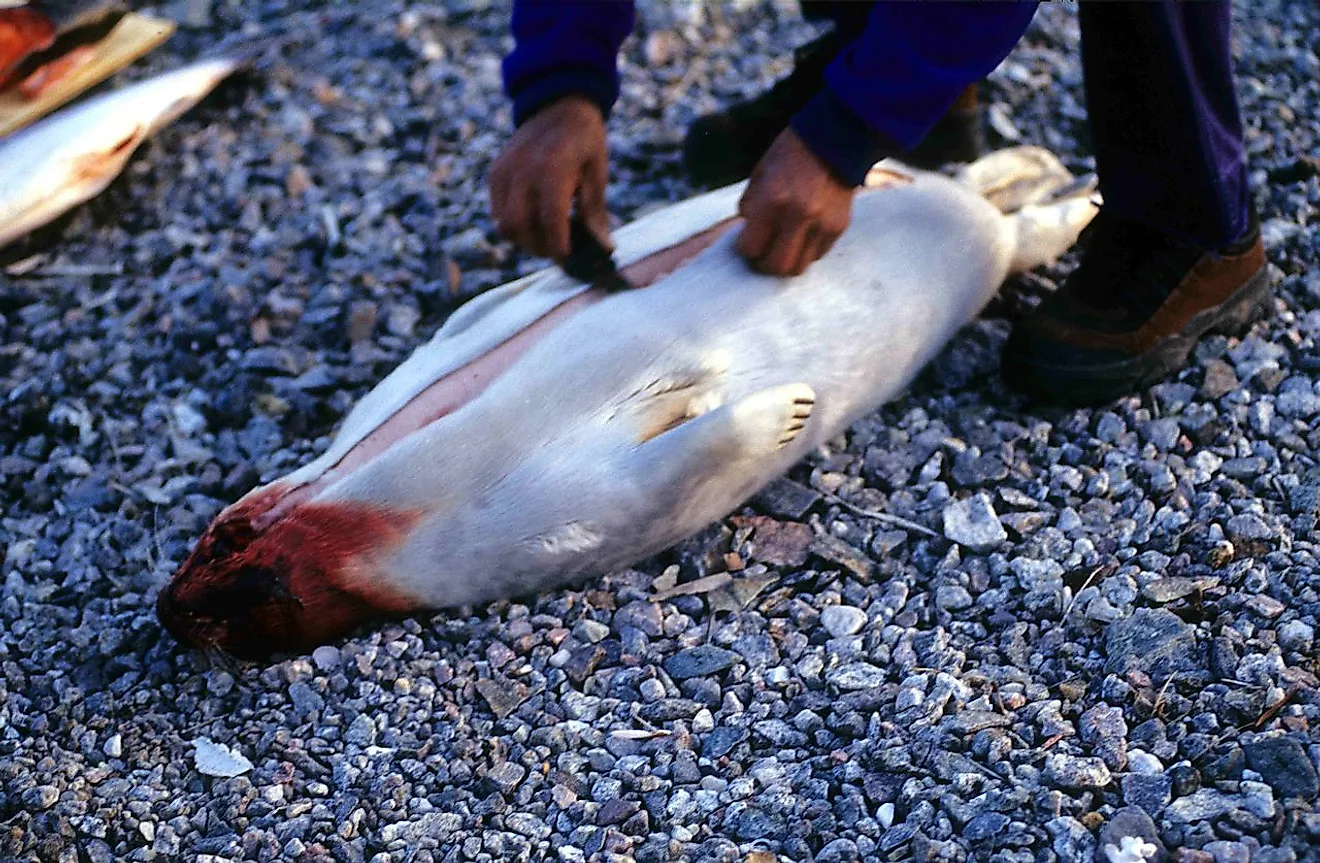

In the vast, often unforgiving landscapes of the Arctic, indigenous communities, often referred to as Eskimo peoples, have thrived for millennia by harnessing the resources available to them. Central to their survival and well-being is a traditional diet rich in marine mammals, with seal meat standing out as a cornerstone. Far from being merely a sustenance, seal meat is a nutritional powerhouse, meticulously adapted to support life in extreme cold and demanding physical conditions.
This comprehensive guide delves into the remarkable nutritional profile of seal meat, exploring its composition, health benefits, cultural significance, and addressing common questions and misconceptions. We aim to provide an informative and respectful overview of this vital food source, highlighting its importance to the health and culture of Arctic inhabitants.
A Staple of Arctic Survival: Cultural and Historical Context
For Inuit, Yup’ik, and other indigenous groups across the Arctic, seals are more than just food; they are intrinsically linked to their culture, spirituality, and way of life. Hunting seals is a skill passed down through generations, embodying respect for nature, sustainability, and community sharing. This traditional diet has shaped their physiology and health over thousands of years, providing the essential nutrients needed to flourish in one of the planet’s harshest environments.
The consumption of seal meat is deeply embedded in cultural practices, ceremonies, and daily life, ensuring the transfer of knowledge and traditions. Understanding its nutritional value is incomplete without acknowledging its profound cultural context.
The Nutritional Profile of Seal Meat: An Overview
Seal meat is exceptionally nutrient-dense, offering a unique blend of macronutrients and micronutrients that are crucial for human health. It is a complete protein source, boasts significant amounts of healthy fats, particularly omega-3 fatty acids, and is packed with essential vitamins and minerals. The exact nutritional content can vary slightly depending on the species of seal, its age, and the specific cut of meat, but the overall profile remains consistently impressive.
Unlike many modern diets, which can be deficient in key nutrients, a traditional diet including seal meat provides a robust foundation for health, energy, and resilience.
Macronutrients: Protein and Fats
High-Quality Protein: Seal meat is an excellent source of lean, high-quality protein. Protein is fundamental for muscle repair, growth, enzyme production, and overall cellular function. A typical serving can provide a substantial portion of an adult’s daily protein requirements, essential for active lifestyles and maintaining body mass in challenging environments.
The protein in seal meat contains all nine essential amino acids, making it a complete protein source comparable to other red meats, but often with a leaner profile depending on the cut.
Beneficial Fats and Omega-3 Fatty Acids: Perhaps one of the most celebrated aspects of seal meat nutrition is its fat content, particularly its rich supply of omega-3 polyunsaturated fatty acids. These healthy fats, specifically Eicosapentaenoic Acid (EPA) and Docosahexaenoic Acid (DHA), are renowned for their anti-inflammatory properties and their critical role in cardiovascular and cognitive health.
Arctic diets, historically high in marine mammal fats, have been linked to lower rates of heart disease and certain inflammatory conditions among indigenous populations. The omega-3s in seal meat are highly bioavailable, meaning they are easily absorbed and utilized by the body.
Micronutrients: A Rich Array of Vitamins and Minerals
Seal meat is not just about protein and omega-3s; it’s also a treasure trove of essential vitamins and minerals. These micronutrients play diverse roles in maintaining health, from energy production to immune function and bone strength.

Vitamin B12: Seal meat is exceptionally rich in Vitamin B12, crucial for nerve function, red blood cell formation, and DNA synthesis. Deficiencies in B12 can lead to fatigue and neurological issues, making this a vital component of the Arctic diet.
Iron: As a red meat, seal meat provides a significant amount of heme iron, which is highly absorbable by the body. Iron is essential for oxygen transport in the blood, preventing anemia and supporting energy levels.
Zinc: This mineral is vital for immune system function, wound healing, and DNA synthesis. Seal meat contributes significantly to zinc intake, bolstering the body’s defenses.
Selenium: A powerful antioxidant, selenium helps protect cells from damage and supports thyroid function. Seal meat is a good source of this important trace element.
Other B Vitamins: Beyond B12, seal meat contains other B vitamins like Niacin (B3), Riboflavin (B2), and Pyridoxine (B6), all critical for metabolism and energy production.
Vitamin A (from organs): The liver of seals is particularly rich in Vitamin A, essential for vision, immune function, and skin health. Traditional diets often utilize all parts of the animal, maximizing nutrient intake.
Health Benefits of Incorporating Seal Meat
The comprehensive nutritional profile of seal meat translates into a range of significant health benefits, particularly relevant for the communities that traditionally consume it.
Preparation and Consumption: Traditional Practices
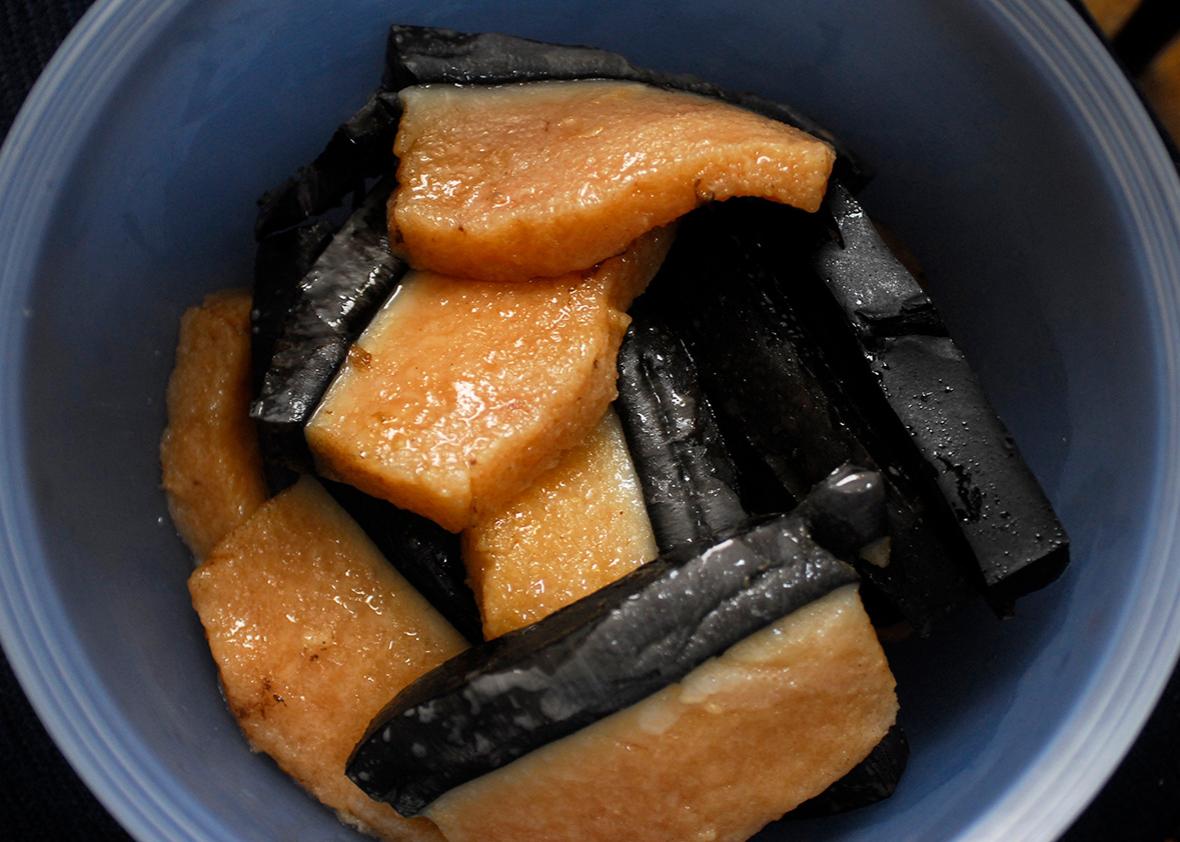
Traditionally, seal meat is consumed in various ways. It can be eaten raw (often frozen or freshly hunted), boiled, dried, or fermented. Eating raw or lightly cooked meat preserves many heat-sensitive nutrients and enzymes. For example, mikigaq is a traditional Inuit dish of fermented seal meat that has been part of their diet for centuries.
Modern preparation methods might include stewing, grilling, or roasting, though traditional methods remain prevalent in many communities. Proper handling and preparation are crucial to ensure food safety.
Sustainability and Ethical Considerations
The hunting of seals by indigenous communities is often governed by strict traditional knowledge and modern conservation management. These practices are typically sustainable, focusing on subsistence and maintaining healthy seal populations. It is important to distinguish between traditional, subsistence hunting and commercial sealing, which faces different ethical and environmental scrutiny.
The debate around seal hunting is complex, often involving cultural rights, animal welfare concerns, and conservation efforts. Understanding the context of traditional indigenous hunting is key to appreciating its role in their food security and cultural identity.
Addressing Concerns: Mercury and Contaminants
Concerns about heavy metals like mercury and other environmental contaminants in marine life are valid. While seals, being higher up the food chain, can accumulate some contaminants, traditional knowledge and scientific studies often show that the benefits of seal meat, especially the omega-3s, can outweigh potential risks, particularly when consumed as part of a traditional diet. Furthermore, specific cuts and species may have varying levels.
Indigenous communities have long-standing knowledge of their local environment and food sources, often guiding consumption patterns to minimize risks while maximizing nutritional benefits.
Seal Meat vs. Other Meats: A Comparative Look
When compared to common meats like beef, chicken, or even fish, seal meat offers a unique nutritional advantage. While beef is rich in iron and protein, it typically lacks the high levels of omega-3s found in seal meat. Chicken is lean protein but also lower in omega-3s and certain micronutrients.
Even fatty fish, while excellent sources of omega-3s, may not always match the specific micronutrient profile, such as the exceptionally high B12 and heme iron levels, found in seal meat. This distinct combination makes seal meat a uniquely valuable food source.
People Also Ask: Common Questions About Seal Meat
Is seal meat healthy? Absolutely. Seal meat is a highly nutritious food, packed with protein, healthy fats (especially omega-3s), and essential vitamins and minerals crucial for human health, particularly in Arctic environments.
What does seal meat taste like? Seal meat has a distinct, rich, and often gamey flavor, sometimes described as earthy or slightly metallic, similar to other dark red meats. The taste can vary depending on the cut, preparation, and species of seal.
Can you eat seal meat raw? Yes, traditionally, seal meat is often consumed raw, especially when fresh or frozen. This method of consumption is common in Arctic diets and helps preserve certain nutrients.
Where can you get seal meat? Outside of indigenous communities in the Arctic, seal meat is not widely available due to hunting regulations and trade restrictions. Its consumption is primarily concentrated within these traditional regions where it’s a staple of the local diet.
Is it legal to eat seal meat? For indigenous peoples in Canada, Greenland, and parts of the United States (Alaska), the hunting and consumption of seals for subsistence is legal and protected under various rights and regulations. Commercial trade and consumption outside these areas are often restricted or illegal.
Conclusion: A Pillar of Arctic Health and Culture
Eskimo seal meat is much more than just a food source; it is a fundamental pillar of health, culture, and survival for indigenous communities across the Arctic. Its exceptional nutritional profile—rich in high-quality protein, vital omega-3 fatty acids, and a broad spectrum of vitamins and minerals—underscores its role in supporting the unique physiological needs of those living in extreme northern climates.
Understanding the nutritional value of seal meat allows for a deeper appreciation of traditional Arctic diets and the profound wisdom embedded in indigenous food systems. It highlights how these communities have, for millennia, expertly utilized their environment to foster robust health and vibrant cultures, proving that nature’s bounty, when respected and understood, can provide everything necessary for human flourishing.


