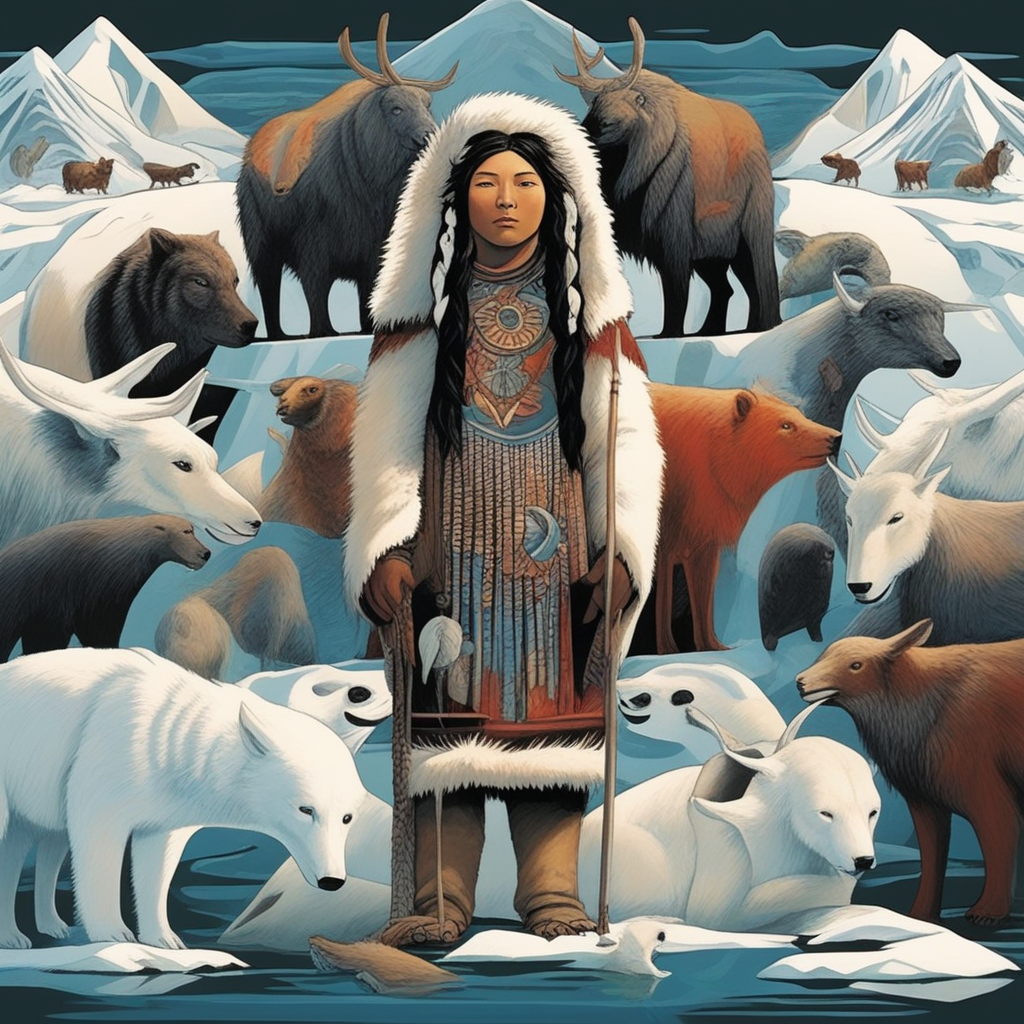

The Arctic, a land of breathtaking beauty and formidable challenges, has shaped the lives and cultures of its Indigenous peoples for millennia. Among the most remarkable aspects of their survival is the sophisticated system of traditional animal processing, a practice honed over generations by groups commonly referred to as Eskimo, including the Inuit and Yup’ik peoples across Alaska, Canada, and Greenland.
This system is far more than mere butchery; it is a holistic approach to resource management, deeply embedded in spiritual beliefs, community cooperation, and an intimate understanding of the environment. Every hunt was, and largely still is, a sacred act, demanding respect for the animal and ensuring that nothing goes to waste.
Understanding Eskimo traditional animal processing offers a profound insight into human ingenuity and adaptability in one of the world’s harshest climates. It highlights how these communities thrived by maximizing every resource derived from the animals they hunted.
The harsh realities of the Arctic environment meant that sustenance was always a primary concern. With scarce vegetation and extreme cold, large marine mammals and land animals became the cornerstone of their diet, shelter, clothing, and tools. This dependence fostered an unparalleled efficiency in processing.
The Pillars of the Arctic Diet: Key Animals
- Seals: Ringed seals, bearded seals, and harp seals were vital for their meat, blubber, and durable hides.
- Whales: Bowhead whales and belugas provided immense quantities of meat, maktak (skin with blubber), and bone.
- Caribou (Reindeer): A primary land animal, offering lean meat, sturdy hides, antlers, and sinew.
- Polar Bears: Hunted for their meat and extremely warm hides, though less frequently than seals or caribou.
- Fish and Birds: Salmon, Arctic char, various seabirds, and waterfowl supplemented the diet seasonally.


The Philosophy of ‘No Waste’: A Holistic Approach
At the heart of traditional processing was the principle of ‘no waste.’ This wasn’t just practical; it was a cultural imperative. To waste an animal’s gift was considered disrespectful and could jeopardize future hunts. This philosophy led to ingenious uses for every single part of an animal.
Consider the seal, a cornerstone of Arctic life. Upon a successful hunt, the seal would be meticulously processed, often on the ice or immediately upon return to camp. The blubber, a rich source of calories and vitamin D, was carefully separated. The meat, including organs like the liver and kidneys, was prepared for immediate consumption or preservation.
The skin, robust and waterproof, was cleaned, stretched, and meticulously prepared for clothing, boots (kamiks), and boat coverings. Even the intestines could be cleaned and used for waterproof parkas or windows.
Processing Marine Mammals: Seals and Whales
Processing a large marine mammal like a whale or a large seal was a communal effort. For a bowhead whale, the process could take days, involving many people. The skin and blubber (maktak) were highly prized. Maktak, eaten raw, is a traditional delicacy rich in nutrients.
The meat was cut into manageable pieces. Some would be eaten fresh, while large quantities required preservation. Bones were carefully cleaned and saved for tools, structural elements, or sled runners. Every ounce of blubber was collected, not only for food but also as fuel for lamps (qulliq) and for waterproofing.
Caribou: The Land’s Bounty
Caribou processing also showcased remarkable efficiency. The lean meat was a dietary staple. Hides were crucial for warm clothing, sleeping robes, and tent coverings. Unlike many other cultures, the hair-on caribou hide was often preferred for clothing due to its superior insulating properties.


Sinew, the strong connective tissue, was painstakingly extracted and dried to be used as thread for sewing clothing and repairing equipment. Antlers and bones were fashioned into a variety of tools, hunting implements, and decorative items. Even the stomach contents, often partially digested plant matter, were sometimes consumed as a valuable source of vitamins.
Traditional Tools for Processing
The efficiency of processing was greatly aided by specialized traditional tools. The ulu, a crescent-shaped knife, was indispensable for women, used for skinning, butchering, and preparing hides. Men used larger knives and specialized bone or ivory tools for heavy-duty tasks.
Harpoons with detachable heads, lances, and various types of spears were used for hunting. Once an animal was caught, precise cutting and skinning techniques, passed down through generations, ensured maximum yield and minimal waste.
Preservation Techniques: Beating the Arctic Chill and Thaw
- Freezing: Meat and fish were often simply left to freeze solid, then stored in snow caches or underground ice cellars (sillorvik).
- Drying: Strips of meat (like pipsi) or fish were air-dried on racks, often in the cold, dry Arctic air. This removed moisture, preventing spoilage.
- Fermentation: Certain foods were fermented, a process that not only preserves but also enhances flavor and nutritional value. Examples include igunaq (fermented walrus or seal meat) and kiviak (fermented birds stuffed inside a seal skin). These specialized preparations were often considered delicacies and provided essential nutrients.
Beyond Food: Utilitarian and Cultural Significance
- Skins and Hides: Transformed into incredibly warm and durable clothing (parkas, trousers, mittens), footwear (kamiks), blankets, and coverings for kayaks and umiaks (traditional boats). The preparation of hides was a lengthy, skilled process involving scraping, stretching, and sometimes chewing to soften them.
- Bones and Antlers: Carved into tools, weapons (harpoon heads, knife handles), sled runners, and intricate art pieces. The strength and durability of these materials made them invaluable.
- Sinew: Used as incredibly strong thread for sewing, lashing, and bowstrings.
- Blubber and Oil: Essential for fuel in qulliq (stone lamps) for light and heat, as well as for cooking and a vital dietary fat source. It also served as a waterproofing agent.
- Organs: Consumed for their high nutritional content, particularly vitamins and minerals. The liver, heart, and kidneys were often eaten raw or lightly cooked.
- Intestines: Cleaned and used for waterproof clothing, storage containers, or window coverings for dwellings.
Community and Knowledge Transfer
Traditional animal processing was rarely a solitary activity. It was a community endeavor, reinforcing social bonds and ensuring the transfer of vital knowledge from elders to younger generations. Children learned by observing and participating from a young age, mastering the intricate skills and understanding the deep respect for the animals.
This intergenerational knowledge transfer ensured the continuity of highly specialized skills, from identifying the best cuts of meat to the precise techniques for preparing hides or rendering blubber. It was a living classroom, where every task had a purpose and contributed to the collective well-being.
Modern Adaptations and Enduring Traditions
While modern technologies like rifles and snowmobiles have changed hunting methods, and freezers have simplified preservation, the core principles of Eskimo traditional animal processing endure. Many Inuit and Yup’ik communities continue to practice subsistence hunting, recognizing its importance for food security, cultural identity, and connection to the land.
The knowledge of how to process and utilize Arctic animals remains a source of pride and resilience. It is a powerful link to their ancestors and a testament to their sustainable relationship with the environment.
Sustainability and Respect
The traditional practices were inherently sustainable. Hunters took only what was needed, and every part of the animal was utilized. This deep respect for the animal and its life-giving properties fostered a balanced ecosystem, ensuring resources for future generations. It stands as a powerful example of sustainable living long before the concept became a global concern.
This profound connection to the land and its creatures continues to inform contemporary Arctic environmental stewardship, demonstrating a wisdom that modern societies can learn from.
Conclusion: A Legacy of Ingenuity and Respect
Eskimo traditional animal processing is a remarkable legacy of human ingenuity, resilience, and profound respect for the natural world. It illustrates how Indigenous peoples of the Arctic developed sophisticated systems to not only survive but thrive in an unforgiving environment.
From the meticulous processing of seals and whales to the comprehensive utilization of caribou, every step was guided by a deep understanding of anatomy, preservation, and the interconnectedness of life. These practices are more than just historical footnotes; they are living traditions that continue to shape the cultural identity, food security, and sustainable ethos of Arctic communities today.
The ‘no waste’ philosophy, the specialized tools, and the communal effort underscore a powerful lesson in resourcefulness and environmental harmony that resonates deeply in our modern world.


