

In the vast, unforgiving landscapes of the Arctic, indigenous populations, often referred to as Eskimos or Inuit, have thrived for millennia. Their survival in such extreme conditions is a testament to their remarkable adaptability, ingenious hunting techniques, and, crucially, a diet that is profoundly nutrient-dense. This article delves into the fascinating world of traditional Eskimo foods, exploring their nutritional composition and the profound health benefits they conferred.
The traditional Arctic diet is a masterclass in extracting maximum nutrition from a limited environment. Far from the agricultural abundance of temperate zones, these communities historically relied almost exclusively on animal-based foods. This unique dietary pattern, often high in fat and protein, challenges many conventional Western nutritional paradigms, yet supported vibrant health for generations.
Understanding the Traditional Arctic Environment and Diet
Life in the Arctic demands immense energy and specific nutrients to combat the cold and sustain physical activity. With long periods of darkness and limited vegetation, the diet naturally gravitated towards marine mammals, fish, and land animals. Every part of the animal was utilized, ensuring no valuable nutrient was wasted.
This dietary reliance on animal products meant that traditional Arctic people consumed a diet rich in fats and proteins, along with a surprising array of vitamins and minerals not commonly associated with meat-only diets. It’s a testament to nature’s ability to provide complete nutrition, even in the most challenging settings.
Key Pillars of the Eskimo Nutrient-Dense Diet

The foundation of the traditional Eskimo diet rests on a handful of incredibly nutrient-rich food sources. These include various marine mammals, fish, and certain land animals, each contributing unique nutritional profiles essential for survival.
Seal Meat and Blubber: A Nutritional Powerhouse: Seals were, and in many communities still are, a cornerstone of the Arctic diet. Seal meat is rich in protein, iron, and B vitamins. More importantly, seal blubber (fat) is an exceptional source of omega-3 fatty acids, particularly EPA and DHA, which are crucial for heart health, brain function, and reducing inflammation.
The blubber also provides a significant amount of fat-soluble vitamins, including Vitamin D, which is vital in regions with limited sunlight. Furthermore, it offers a readily available source of energy, essential for maintaining body temperature in freezing conditions.
Whale Meat and Muktuk: The Arctic Superfood: Another vital marine mammal, whales, provided sustenance for entire communities. Muktuk, the skin and blubber of bowhead or narwhal whales, is especially prized. It is not only incredibly rich in omega-3 fatty acids but also contains a surprising amount of Vitamin C.
This Vitamin C content in Muktuk is a crucial discovery, as it helps explain how Arctic populations avoided scurvy despite a diet seemingly devoid of fruits and vegetables. The collagen-rich skin combined with the blubber offers a unique nutritional package.
Arctic Fish: Salmon, Char, and Cod: Fish, particularly Arctic char, salmon, and cod, are abundant in many regions. These fish are outstanding sources of lean protein and, like marine mammals, are packed with omega-3 fatty acids. They also provide significant amounts of Vitamin D, selenium, and iodine.
Eating these fish, often raw or lightly cooked, preserves their delicate nutrient profiles, ensuring maximum bioavailability of vitamins and minerals. The consistent intake of these fatty fish has been linked to the remarkable cardiovascular health observed in traditional Arctic populations.
Organ Meats: Nature’s Multivitamin: Just like many traditional cultures worldwide, Arctic communities understood the immense value of organ meats. Liver, heart, and kidney from seals, caribou, or fish are incredibly nutrient-dense.
Seal and caribou liver, for example, are phenomenal sources of Vitamin A, iron, B vitamins (especially B12), and folate. The heart provides CoQ10 and more B vitamins, while kidneys offer selenium and other trace minerals. Consuming these organs ensured a comprehensive intake of micronutrients.
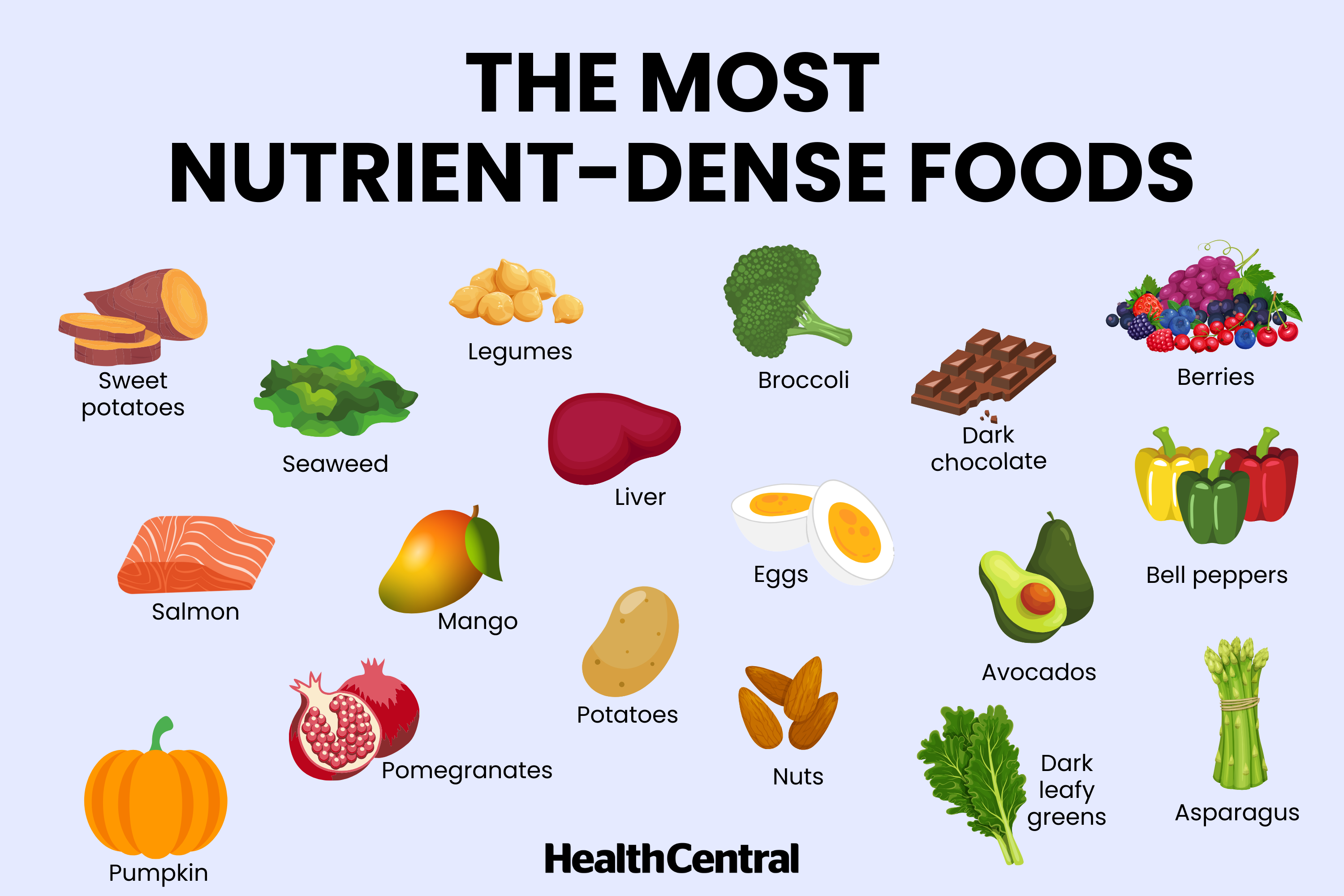

Wild Game: Caribou and Muskox: For inland communities, caribou (reindeer) and muskox were primary food sources. Their meat is lean and a good source of protein, iron, and B vitamins. The fat from these animals, though less rich in omega-3s than marine fats, still provided essential energy.
Like marine animals, the organs of caribou were highly valued. Caribou stomach contents, which often included partially digested mosses and lichens, were also consumed, providing a rare source of plant-based nutrients and fiber.
Limited Plant Matter: Berries and Roots: While predominantly animal-based, the traditional diet did incorporate some plant foods during the short Arctic summer. Wild berries (like crowberries and cloudberries), various roots, and seaweed were gathered and consumed, providing additional vitamins, antioxidants, and fiber.
These plant foods, though seasonal and scarce, offered a vital complement to the animal-based diet, demonstrating an opportunistic and holistic approach to nutrition within the available resources.
The Nutritional Breakdown: What Makes These Foods So Potent?
The collective intake of these traditional foods resulted in a diet exceptionally rich in several critical nutrients that are often deficient in modern Western diets.
Omega-3 Fatty Acids (EPA & DHA): Perhaps the most celebrated aspect is the incredibly high intake of long-chain omega-3s. These polyunsaturated fats are vital for reducing inflammation, supporting brain health, vision, and maintaining a healthy cardiovascular system.
Vitamin C: The ‘Eskimo paradox’ of avoiding scurvy without citrus fruits is largely explained by the consumption of fresh, raw or lightly cooked meat, especially Muktuk, and organ meats, which contain sufficient Vitamin C. Overcooking destroys this delicate vitamin, hence the preference for traditional preparation methods.
B Vitamins: A full spectrum of B vitamins, essential for energy metabolism and neurological function, was readily available from all animal products, particularly organ meats.
Minerals: Iron, zinc, selenium, iodine, and calcium were all well-supplied. Iron from red meats, selenium from fish and marine mammals, and calcium from bone marrow and small bones consumed whole, contributed to strong bones and robust metabolic health.
Health Implications: The ‘Eskimo Paradox’
Historically, traditional Arctic populations exhibited remarkably low rates of common Western diseases such as heart disease, type 2 diabetes, and certain cancers. This observation, often termed the ‘Eskimo Paradox,’ highlights the protective effects of their high-fat, high-protein, nutrient-dense diet.
The high intake of omega-3s, antioxidants from fresh meat, and a complete profile of vitamins and minerals, combined with a physically active lifestyle, contributed to their impressive resilience and health. It challenges the long-held belief that high-fat diets are inherently detrimental.
Modern Relevance and Challenges
Today, many Arctic communities face a nutritional transition. The increased availability of processed, Westernized foods has led to a decline in traditional dietary practices, subsequently contributing to rising rates of chronic diseases. This underscores the importance of preserving and understanding traditional food systems.
While adopting an identical ‘Eskimo diet’ might not be practical or sustainable for everyone, the principles offer invaluable lessons. These include prioritizing whole, unprocessed foods, valuing organ meats, incorporating healthy fats, and understanding the profound impact of nutrient density.
Addressing Common Questions About the Eskimo Diet
How did Eskimos get Vitamin C? Traditional Eskimos obtained Vitamin C primarily from fresh, raw or lightly cooked animal products, especially Muktuk (whale skin and blubber), seal meat, and organ meats like liver. Unlike muscle meat, these parts contain enough Vitamin C to prevent deficiency, particularly when consumed fresh.
Is the traditional Eskimo diet healthy? Historically, yes, the traditional Eskimo diet was incredibly healthy and supported a robust, disease-resistant population. It provided all essential nutrients in a highly bioavailable form, tailored to their environment and lifestyle. Modern health challenges arise when traditional foods are replaced by processed alternatives.
Do Eskimos eat raw meat? Yes, consuming raw or minimally cooked meat and fish is a traditional practice. This not only preserves delicate nutrients like Vitamin C and certain B vitamins but also reflects the practicalities of cooking in a fuel-scarce environment. Examples include Muktuk and various forms of dried or frozen raw fish and meat.
What foods do Inuit eat? The Inuit diet traditionally includes a wide array of foods such as seal, whale (muktuk), caribou, muskox, various fish (Arctic char, salmon, cod), and fowl. Organ meats from these animals are highly prized. During summer, berries, roots, and some plants supplement the diet.
Ethical Considerations and Sustainability
It is crucial to approach discussions of indigenous diets with respect and cultural sensitivity. Traditional hunting practices were, and often still are, deeply connected to cultural identity, spiritual beliefs, and sustainable resource management, ensuring the long-term health of both the community and the ecosystem.
The wisdom embedded in these ancestral food systems offers powerful insights into human nutrition and adaptation. Understanding the Eskimo diet is not just an academic exercise; it’s an appreciation of a profound connection between humans, their environment, and the foods that sustain them.
Conclusion: Lessons from the Arctic
The traditional Eskimo diet stands as a powerful testament to humanity’s ability to thrive in extreme conditions through intelligent and resourceful eating. It highlights the critical importance of nutrient density, particularly from animal-based sources, and challenges many of our modern dietary assumptions.
By prioritizing whole, unprocessed foods rich in essential fats, proteins, vitamins, and minerals, traditional Arctic communities achieved remarkable health. While our environments differ, the core lesson remains: nourish your body with foods that are as close to their natural state as possible, and you unlock a pathway to robust well-being. The Arctic diet is a profound reminder of nature’s wisdom, offering timeless insights for modern nutrition.
Embracing even a fraction of this ancestral nutritional wisdom can guide us towards more conscious and health-promoting food choices in our contemporary world. The nutrient-dense foods of the Arctic are not just a historical curiosity; they are a living legacy of optimal human nutrition.


