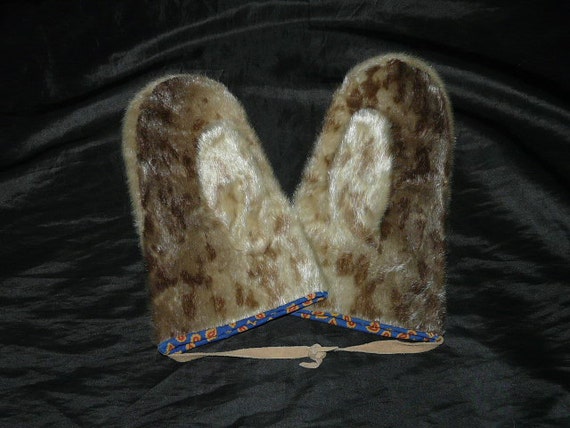

In the vast, unforgiving expanses of the Arctic, where temperatures plummet to extreme lows and icy winds relentlessly sweep across the landscape, survival hinges on ingenuity and superior protection. For centuries, indigenous peoples, often referred to as Eskimo, have perfected the art of crafting handwear that not only withstands these harsh conditions but thrives within them.
At the heart of this remarkable innovation are Eskimo mittens and gloves fur – a testament to natural engineering, cultural heritage, and an unwavering commitment to warmth. These aren’t merely accessories; they are vital tools for survival, embodying generations of knowledge about insulating properties and material science.
Beyond their practical utility, these fur mittens and gloves carry deep cultural significance. They represent a connection to the land, an understanding of local wildlife, and the intricate skills passed down through families, making each pair a unique piece of wearable history.
The Arctic’s Ultimate Handwear: Why Natural Fur?
The choice of natural fur for Arctic handwear is not arbitrary; it’s a meticulously proven strategy. Fur possesses extraordinary insulating capabilities, far surpassing most synthetic materials, especially in extreme cold.
The secret lies in its structure: countless individual hairs create a dense matrix that traps air. This trapped air forms an insulating layer, preventing body heat from escaping and external cold from penetrating, effectively creating a warm microclimate around the hands.
Furthermore, many types of natural fur, particularly those from marine mammals, exhibit excellent water-repellent properties. This is crucial in environments dominated by snow, ice, and freezing rain, where moisture can quickly lead to hypothermia.
The inherent durability and longevity of quality fur are also significant advantages. Unlike many modern materials that degrade quickly under constant use and extreme conditions, properly cared-for fur can last for decades, even generations, making it a sustainable choice in the long run.
A Deep Dive into Fur Types Used for Arctic Mittens and Gloves
The specific type of fur used often depends on regional availability, the intended use of the handwear, and the desired balance of warmth, durability, and flexibility. Indigenous communities have a profound understanding of each animal’s fur properties.
Seal Fur: The Traditional Staple. Seal fur is arguably one of the most iconic materials used in traditional Eskimo mittens. Its dense, short guard hairs and thick underfur provide exceptional warmth and unparalleled water resistance, essential for activities near open water or in wet snow.
The natural oils in seal fur repel moisture, keeping hands dry even in the most challenging conditions. Culturally, seal hunting has been a cornerstone of Arctic life for millennia, providing not only fur but also food and oil, underscoring its deep significance.
Fox Fur: Softness Meets Superior Warmth. Fox fur, particularly from Arctic fox or red fox, is highly prized for its incredible softness, luxurious feel, and excellent insulating power. While perhaps less water-repellent than seal fur, its deep pile traps a substantial amount of air, offering superb warmth.
Fox fur is often used for the outer shell of mittens, providing a plush, warm layer, or as a decorative trim. Its various natural colors, from pristine white to rich reds and grays, also lend themselves to beautiful aesthetic variations.
Beaver Fur: Unmatched Density and Resilience. Beaver fur is renowned for its remarkable density and durability. The thick underfur provides exceptional insulation, while the coarser guard hairs offer protection against abrasion and some water resistance. Beaver fur mittens are incredibly robust and built to withstand rigorous use.


Historically, beaver pelts were a major commodity in the fur trade, valued for their warmth and longevity, making beaver fur gloves a premium item for Arctic exploration and daily life.
Caribou (Reindeer) Hide: Rugged and Robust. While technically hide rather than fur, caribou hide is frequently used in conjunction with softer furs, especially for the palms or outer shell of mittens. Its natural texture provides an excellent grip, and the hide itself is incredibly tough and durable.
Caribou hair, when left on, also provides good insulation, though it is more brittle than true fur. Often, the hair is removed from the hide sections used for palms to increase grip and flexibility.
Other Furs: Wolf, Rabbit, and Muskrat. Various other furs may also be incorporated. Wolf fur, known for its strength and warmth, might be used for trim or specific sections. Rabbit fur offers lightweight warmth and softness, often used for inner linings. Muskrat fur provides a durable, warm option, particularly for inner gloves or linings.
The Art of Craftsmanship: Making Traditional Fur Mittens
The creation of authentic Eskimo mittens is an intricate process, steeped in tradition and requiring immense skill. It’s a craft typically passed down through generations, ensuring the preservation of specific techniques and designs.
Traditional mittens are almost entirely hand-stitched, often using sinew (animal tendon) for thread, which swells when wet, creating a tighter, more water-resistant seam. Patterns are carefully cut to maximize the fur’s insulating properties and natural water shedding.
Many designs incorporate multiple layers: an outer layer of durable fur (like seal or fox), an inner lining of softer fur (like rabbit or sheepskin) or wool, and sometimes an additional wind-blocking material. This layering strategy is critical for optimal warmth in fluctuating Arctic conditions.
Decorative elements are also common, ranging from intricate beadwork to embroidery, often depicting cultural symbols, animal motifs, or geometric patterns. These embellishments not only add beauty but also reflect the wearer’s identity and community.
Modern Adaptations and Contemporary Styles
While the core principles of Arctic fur handwear remain timeless, modern adaptations have emerged. Contemporary designers and artisans often blend traditional methods with new materials or ergonomic considerations.
This can include reinforced leather palms for enhanced grip and durability, adjustable wrist straps to seal out snow, or hybrid designs incorporating synthetic waterproof shells with natural fur linings.
The focus has also shifted towards ethical sourcing. Many reputable suppliers and indigenous communities now adhere to strict regulations regarding hunting practices and sustainability, ensuring that the fur is obtained responsibly and legally.
Benefits of Owning Authentic Fur Mittens and Gloves
The advantages of investing in authentic Eskimo mittens or gloves are numerous, especially for those who spend time in genuinely cold environments.
Unparalleled Warmth: They offer a level of warmth that few other materials can match, making them indispensable for combating frostbite and maintaining dexterity in sub-zero temperatures.
Exceptional Durability: Crafted from robust natural materials and often hand-stitched with care, these items are built to last, providing reliable protection season after season.
Cultural Connection: Owning a pair is not just about warmth; it’s about appreciating a rich cultural heritage and supporting the traditional craftsmanship of indigenous communities.
Sustainable Choice: When sourced ethically and cared for properly, natural fur can be a remarkably sustainable material, lasting far longer than disposable synthetic alternatives.
Addressing Common Questions About Eskimo Mittens and Gloves Fur
Many individuals have questions when considering these specialized items. Here are answers to some frequently asked inquiries.
Are Eskimo mittens real fur? Traditionally, and in most authentic contexts, yes, Eskimo mittens are made from real animal fur. This is fundamental to their design and insulating properties. While synthetic alternatives exist, they do not offer the same level of warmth or cultural authenticity.
What kind of fur is warmest for mittens? For extreme cold, seal fur and beaver fur are often considered among the warmest due to their density and water resistance. Arctic fox fur also provides exceptional warmth due to its deep, insulating pile. The ‘warmest’ often depends on specific conditions and individual preference.
How are traditional fur mittens made? Traditional fur mittens are typically hand-sewn by skilled artisans. The process involves carefully selecting and cutting fur pelts, often combining different types of fur and hide for various parts (e.g., fur for the back, leather for the palm). They are usually multi-layered, with an outer fur shell and an inner lining for maximum insulation. Stitching is meticulous, often using sinew for strength and water resistance.
Are fur mittens ethical? The ethics of fur mittens depend entirely on their source. Traditionally, indigenous communities have harvested animals for sustenance and materials as part of their way of life, with deep respect for nature. Many modern suppliers of traditional fur products adhere to strict ethical guidelines, sustainable harvesting practices, and government regulations. It’s crucial to purchase from reputable sources that can provide information on their sourcing practices.
How do you clean fur mittens? Cleaning fur mittens requires care. For light dirt, gently shake them or brush with a soft, natural bristle brush. For more significant cleaning, it’s highly recommended to consult a professional furrier, as improper cleaning can damage the fur. Avoid machine washing or harsh chemical cleaners. If they become wet, allow them to air dry naturally away from direct heat.
Care and Maintenance for Longevity
To ensure your fur mittens or gloves last for many years, proper care is essential. Store them in a cool, dry place, ideally in a breathable garment bag, during the off-season. Avoid plastic bags, which can trap moisture and damage the fur.
If your mittens get wet, never force-dry them with direct heat (like a radiator or hairdryer). Instead, gently shake off excess water and allow them to air dry naturally at room temperature. Once dry, you can gently brush the fur to restore its loft.
Regular inspection for any loose stitching or wear can help in timely repairs, ideally by a professional who understands fur and leather work.
Where to Acquire Authentic Fur Handwear
For those seeking authentic Eskimo mittens and gloves fur, several avenues exist. Look for products from indigenous artisan cooperatives, specialized outdoor gear retailers focusing on Arctic conditions, or reputable online stores that highlight ethical sourcing and traditional craftsmanship.
When purchasing, inquire about the origin of the fur, the craftsmanship, and any certifications related to ethical sourcing. Investing in a quality pair is an investment in unparalleled warmth and a piece of living cultural history.
In conclusion, Eskimo mittens and gloves crafted from natural fur stand as a powerful symbol of human adaptation and ingenuity in the face of nature’s extremes. They are not just exceptional cold-weather gear but also tangible links to rich cultural traditions and a testament to the enduring effectiveness of natural materials.
By understanding the types of fur used, appreciating the intricate craftsmanship, and practicing proper care, these iconic pieces of handwear continue to provide ultimate warmth and protection, connecting wearers to the spirit of the Arctic.


