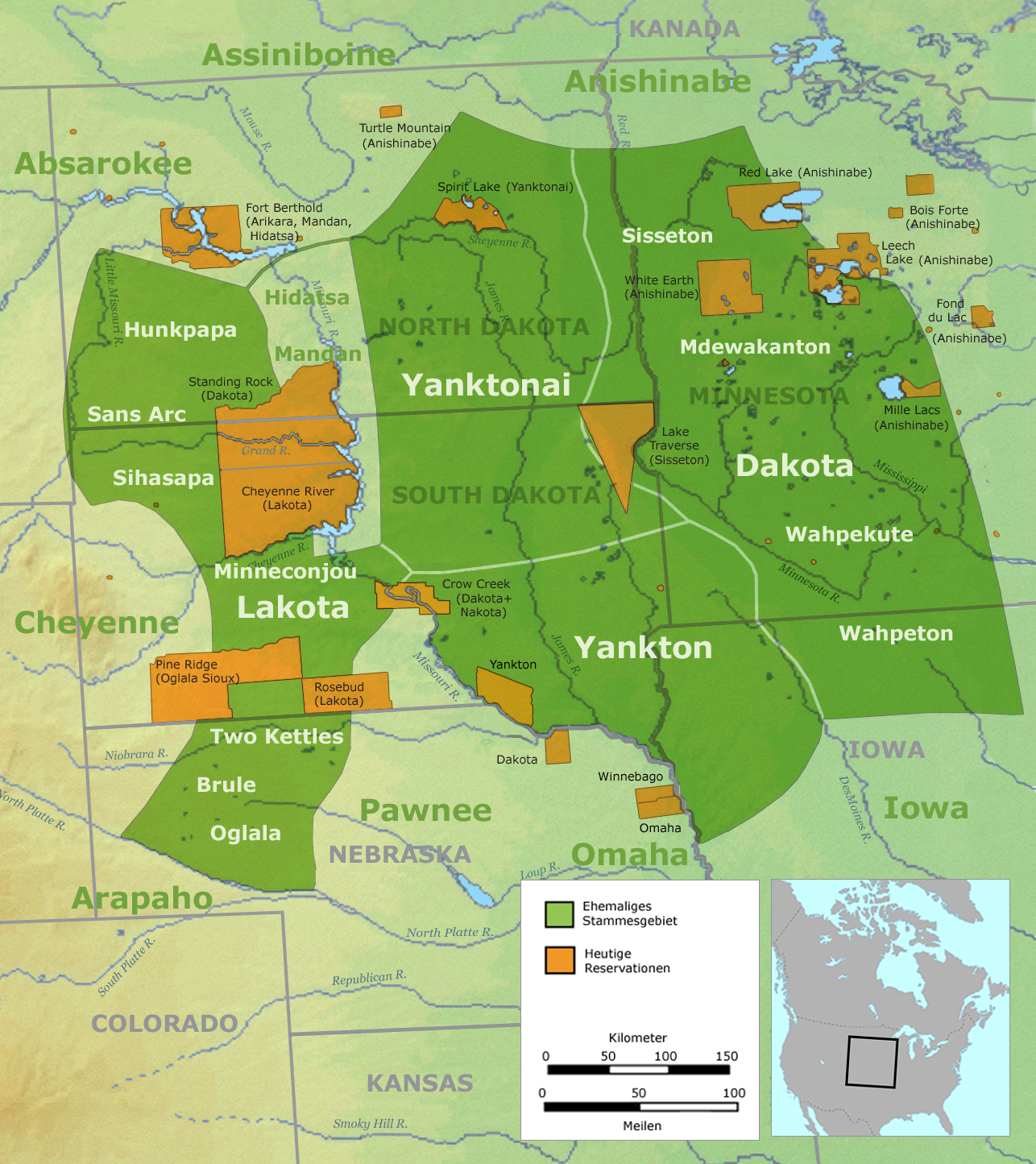

The Yankton Sioux Tribe, known in their native language as the Ihanktonwan Dakota Oyate, or ‘People of the End Village,’ holds a significant place in the history and contemporary landscape of the Great Plains. Their reservation, nestled along the majestic Missouri River in southeastern South Dakota, is a testament to their enduring spirit, cultural richness, and unwavering resilience in the face of historical adversity.
This comprehensive article aims to provide an in-depth understanding of the Yankton Sioux Tribe Reservation, delving into its historical context, vibrant culture, governance, economic endeavors, and the ongoing challenges and triumphs faced by its people. We will explore the intricate tapestry of their past and present, offering insights into what makes the Ihanktonwan Dakota Oyate a truly remarkable nation.
Who are the Yankton Sioux? Understanding the Ihanktonwan Dakota Oyate
The Yankton Sioux are one of the seven council fires of the Great Sioux Nation (Oceti Sakowin), specifically belonging to the Nakota-speaking division, though often categorized with the Dakota. Historically, they occupied a vast territory spanning parts of present-day South Dakota, North Dakota, Minnesota, Iowa, and Nebraska, living a semi-nomadic lifestyle deeply connected to the land and its resources.
Their traditional way of life was characterized by hunting buffalo, gathering wild plants, and maintaining intricate social and spiritual systems. The Missouri River, in particular, was a central artery for their existence, providing sustenance, transportation, and a spiritual connection.
A History Forged in Treaties and Resilience


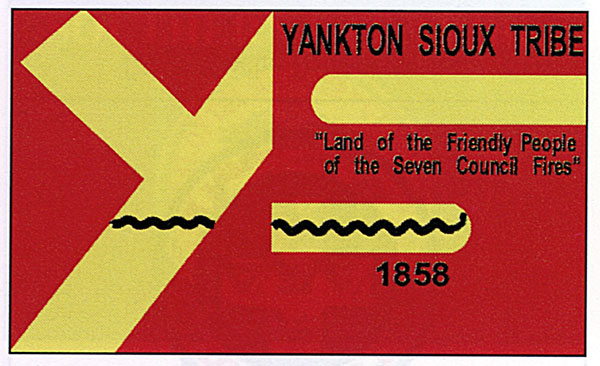
The establishment of the Yankton Sioux Reservation is rooted in the Treaty of Washington of 1858. This pivotal agreement, signed under immense pressure from the United States government, ceded approximately 11 million acres of Yankton ancestral lands in exchange for a much smaller reservation and various provisions. It marked a dramatic shift from their nomadic existence to a more settled life within defined boundaries.
The treaty, while intended to facilitate westward expansion, also enshrined certain rights and responsibilities between the Yankton Sioux and the U.S. government, many of which remain subjects of legal and political discussion today. It laid the groundwork for the modern reservation system and the inherent sovereignty of the tribe.
The Impact of Federal Policies: Allotment and Assimilation
Following the treaty era, the Yankton Sioux, like many other Indigenous nations, faced the devastating effects of federal policies such as the Dawes Act of 1887 (General Allotment Act). This policy aimed to break up communal tribal lands into individual plots, effectively reducing tribal land bases and undermining traditional communal structures. Much of the ‘surplus’ land was then opened to non-Native settlement.
The era of forced assimilation also sought to suppress Indigenous languages, cultures, and spiritual practices through boarding schools and other means. Despite these concerted efforts, the Yankton Sioux people demonstrated incredible resilience, preserving their cultural identity and language against tremendous odds.
The Fort Randall Dam: A Scar on the Landscape and Spirit
One of the most significant and painful historical events for the Yankton Sioux was the construction of the Fort Randall Dam in the 1950s. This massive federal project, built on the Missouri River, flooded thousands of acres of prime agricultural land, sacred sites, and ancestral burial grounds within the reservation boundaries. It displaced families and severely impacted the tribe’s economic base and cultural heritage.
The dam’s construction represented a profound loss for the Ihanktonwan, highlighting the historical power imbalances and the devastating consequences of federal projects on Indigenous communities. The trauma from this event continues to resonate within the community.
Geography and Demographics of the Reservation

The Yankton Sioux Reservation is located in Charles Mix County, South Dakota, encompassing an area that includes fertile river bottoms and rolling plains. Its boundaries are defined by the Missouri River to the south and west. The tribal headquarters are situated in Wagner, South Dakota.
The reservation is home to a vibrant community, with a significant portion of its enrolled members residing within its borders. Like many reservations, it experiences a mix of tribal members and non-Native residents, creating a unique demographic landscape. The population density is relatively low, reflecting the rural nature of the area.
Tribal Government and Sovereignty: A Nation Within a Nation
The Yankton Sioux Tribe operates under a constitutionally established tribal government, led by an elected Tribal Council. This council is responsible for governing the reservation, managing tribal resources, and advocating for the rights and welfare of its members. The principle of self-determination is central to their governance.
The tribal government exercises inherent sovereignty, meaning it possesses powers similar to state governments within its jurisdictional boundaries. This includes establishing laws, operating a judicial system, and providing essential services to its citizens. The relationship with federal and state governments is complex, often involving negotiations over land, resources, and jurisdiction.
Cultural Preservation and Revitalization: Keeping Traditions Alive
Cultural preservation is a paramount concern for the Yankton Sioux Tribe. Efforts are continuously made to revitalize the Dakota language, which is crucial for transmitting traditional knowledge, stories, and ceremonies. Language immersion programs and educational initiatives are vital components of this work.
Traditional arts, crafts, music, and dance are celebrated through events like Wacipi (powwows), which serve as significant cultural gatherings for the community and visitors alike. These events foster a strong sense of identity, community, and connection to ancestral practices. The tribe actively works to protect sacred sites and traditional ecological knowledge.
Economic Development: Building a Sustainable Future
Like many tribal nations, the Yankton Sioux Tribe faces economic challenges, including high unemployment rates and limited infrastructure. However, they are actively pursuing various economic development initiatives to create opportunities and foster self-sufficiency.
A key component of their economy is the Fort Randall Casino, which provides employment and revenue for tribal programs and services. Other ventures include agriculture, ranching, and the development of small businesses. The tribe also seeks to leverage its natural resources responsibly and explore tourism opportunities.
Social Services and Community Well-being
The tribal government is deeply committed to the well-being of its members, providing a range of social services. This includes operating tribal schools to offer culturally relevant education, supporting healthcare services through tribal clinics and partnerships, and addressing critical housing needs.
Efforts are also focused on tackling social issues such as poverty, substance abuse, and historical trauma through community-based programs and partnerships with federal agencies. The strength of family and community bonds remains a cornerstone of support.
Education: Nurturing Future Generations
Education is highly valued within the Yankton Sioux community. The tribe operates its own educational institutions and supports programs designed to help students succeed from early childhood through higher education. Emphasis is placed on incorporating Dakota culture and history into the curriculum, ensuring that youth grow up with a strong sense of identity and purpose.
Scholarship programs and mentorship initiatives are crucial for empowering tribal members to pursue advanced degrees and professional careers, contributing to the overall development and leadership within the community.
Environmental Stewardship: Connection to the Land
The Ihanktonwan Dakota Oyate have a profound spiritual and practical connection to their land and the Missouri River. Environmental stewardship is an inherent part of their cultural values, focusing on sustainable practices and the protection of natural resources for future generations.
The tribe engages in conservation efforts, water quality monitoring, and initiatives to restore native habitats. They are also actively involved in discussions and actions related to climate change, understanding its potential impacts on their traditional territories and way of life.
Challenges and the Path Forward
Despite their remarkable resilience, the Yankton Sioux Tribe continues to navigate significant challenges. These include the ongoing impacts of historical trauma, intergenerational poverty, limited access to capital, and jurisdictional complexities with state and federal governments.
The fight for treaty rights, land claims, and the protection of sacred sites remains a continuous effort. However, the tribe’s unwavering commitment to its people, culture, and sovereignty fuels its determination to overcome these obstacles and build a prosperous future.
Visiting the Yankton Sioux Reservation
While the primary focus of the reservation is its community, visitors interested in learning more about the Yankton Sioux Tribe are encouraged to do so respectfully. Attending public events like Wacipi (powwows) can offer a glimpse into their vibrant culture. Always seek permission before photographing individuals or participating in ceremonies, and adhere to local customs and regulations.
Supporting tribal businesses, such as the Fort Randall Casino, is another way to contribute to the economic well-being of the community. Respectful engagement fosters understanding and appreciation for the rich heritage of the Ihanktonwan Dakota Oyate.
Conclusion: A Legacy of Strength and Hope
The Yankton Sioux Tribe Reservation stands as a powerful symbol of Indigenous resilience, cultural richness, and self-determination. From their ancestral lands along the Missouri River to the modern challenges and triumphs, the Ihanktonwan Dakota Oyate have maintained their identity, language, and spiritual connection to their heritage.
Their history is a testament to the devastating impacts of colonialism, but more importantly, it is a narrative of strength, adaptation, and an enduring commitment to their future generations. The Yankton Sioux Tribe continues to build a vibrant and sustainable community, honoring their past while forging a path of hope and prosperity.
Understanding the Yankton Sioux Tribe Reservation is not just about appreciating a historical narrative; it’s about recognizing a living, thriving nation that continues to contribute significantly to the cultural mosaic of South Dakota and the United States.


.jpeg?w=200&resize=200,135&ssl=1 "Jobs Available On Indian Reservations")
