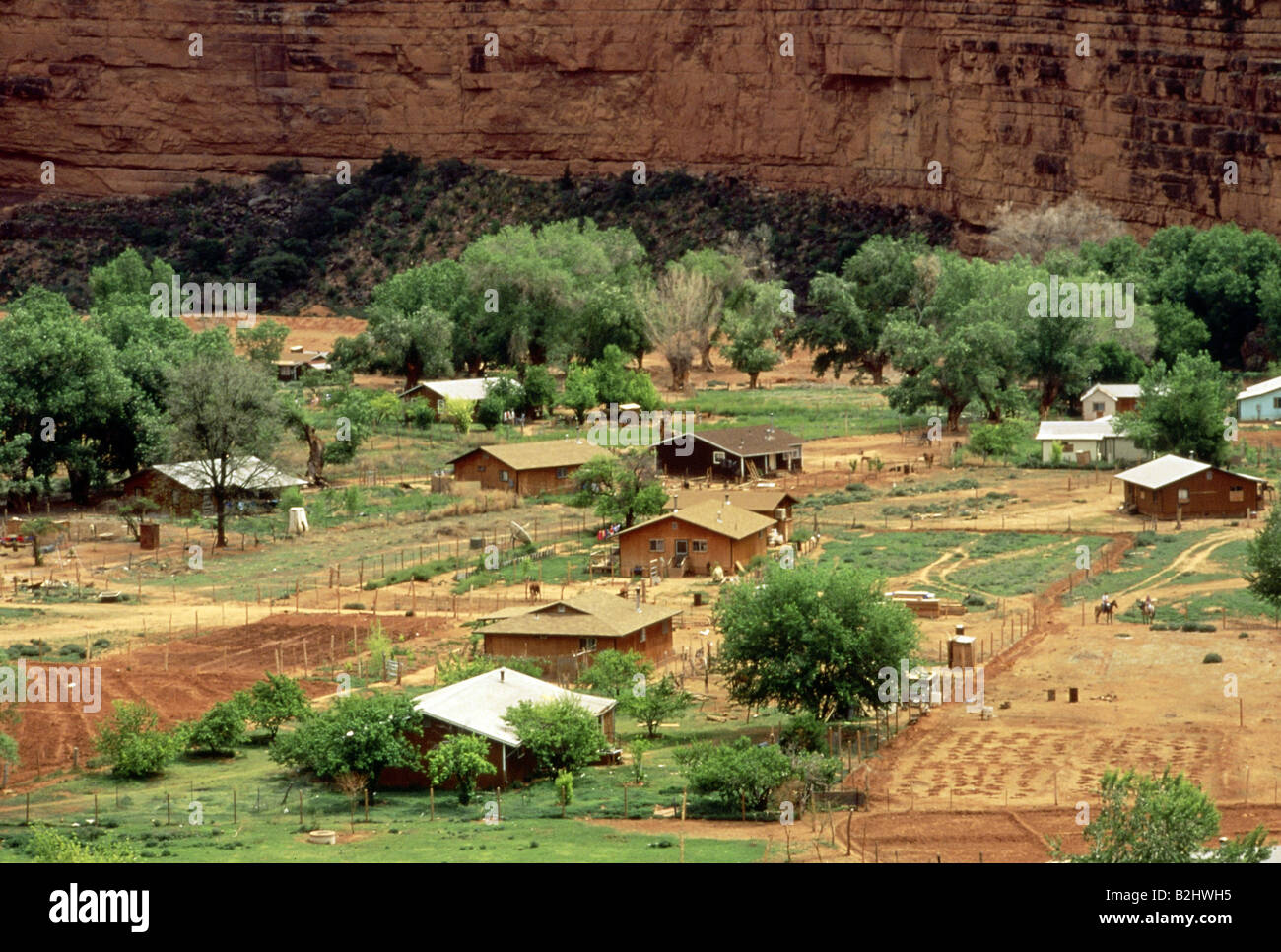
Cultural tourism on Indian reservations offers a unique and enriching travel experience, providing an opportunity to connect with the history, traditions, and contemporary lives of Native American tribes. It’s a chance to step beyond typical tourist destinations and engage with authentic cultural heritage.
This guide explores the significance of cultural tourism on Indian reservations, addressing common questions, ethical considerations, and the profound impact it has on both visitors and host communities. We will delve into the diverse experiences available, from historical sites and museums to traditional ceremonies and artistic expressions.
What is Cultural Tourism?
Cultural tourism focuses on experiencing the culture and heritage of a particular place, including its history, art, architecture, religion, and way of life. It’s a form of travel that emphasizes learning and understanding the unique characteristics of a community.
When practiced responsibly, cultural tourism can benefit both the traveler and the host community, fostering cross-cultural understanding, preserving cultural heritage, and supporting local economies.
Why Visit Indian Reservations for Cultural Tourism?
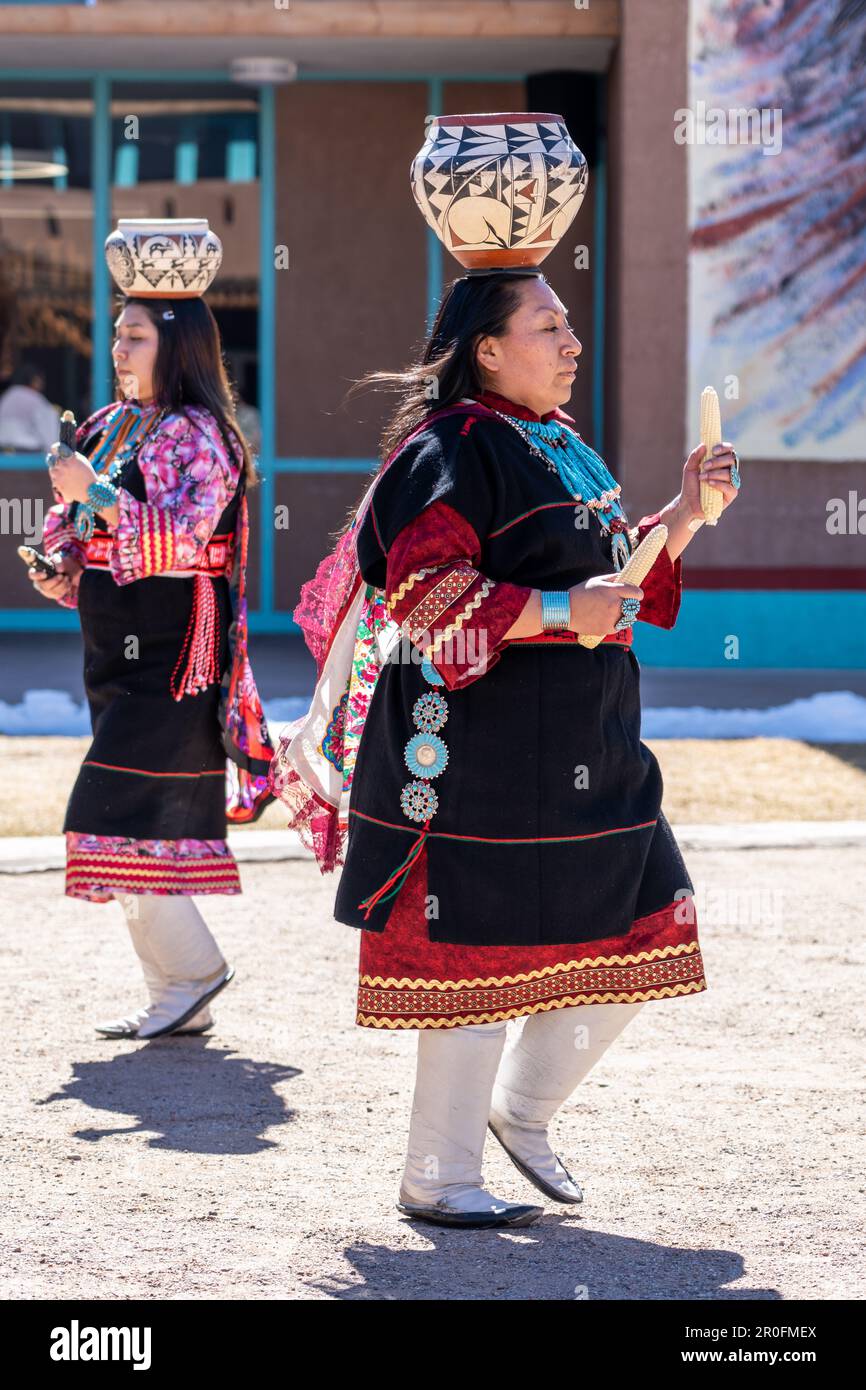
Visiting Indian reservations offers a rare opportunity to learn directly from Native American people about their history, culture, and traditions. It provides a perspective often missing from mainstream historical narratives.
These experiences can be deeply transformative, fostering empathy, respect, and a greater understanding of the complex history and contemporary realities of Native American communities.
Authentic Experiences: What to Expect
- Historical Sites and Museums: Explore ancient ruins, battlefields, and museums that showcase the history and culture of the tribe.
- Traditional Ceremonies and Events: Witness traditional dances, powwows, and other ceremonies (respectfully and with permission).
- Art and Craft Workshops: Learn traditional art forms such as pottery, weaving, and beadwork from skilled artisans.
- Guided Tours: Take guided tours led by tribal members who can share their knowledge and perspectives on the history, culture, and natural environment of the reservation.
- Stay in Tribal Accommodations: Some reservations offer lodging options such as hotels, cabins, or campgrounds owned and operated by the tribe.
Planning Your Visit: Essential Considerations
Before embarking on a cultural tourism trip to an Indian reservation, careful planning is essential to ensure a respectful and meaningful experience.
Learn about the history, culture, and customs of the specific tribe you plan to visit. Understanding their traditions and protocols will help you be a more respectful guest.
Reach out to the tribal tourism office for information on attractions, events, accommodations, and any specific guidelines or restrictions for visitors.
Be aware of and adhere to tribal laws and customs, including dress codes, photography restrictions, and rules regarding alcohol and other substances.

Some activities, such as hiking or fishing, may require permits from the tribal government. Check in advance and obtain any necessary permits before your visit.
Ethical Considerations: Responsible Travel
Cultural tourism should be approached with a strong sense of ethics and responsibility. It’s crucial to be mindful of the potential impact your visit has on the host community and to act in a way that supports their cultural preservation and economic well-being.
Whenever possible, support tribal-owned businesses, such as hotels, restaurants, and shops. This helps to ensure that the economic benefits of tourism stay within the community.
Always ask permission before taking photos or videos of people, ceremonies, or sacred sites. Respect their decision if they decline.
Avoid making assumptions or stereotypes about Native American people. Be open to learning and understanding their perspectives.
Treat sacred sites with reverence and respect. Follow any guidelines or restrictions regarding access and behavior.
Be mindful of cultural appropriation, which is the adoption or use of elements of a culture by members of another culture without understanding or respecting their original context. Avoid purchasing items that are mass-produced or that exploit Native American designs or symbols.
Addressing Common Questions (People Also Ask)
What are the benefits of cultural tourism for Native American communities?
Cultural tourism can provide economic opportunities for Native American communities, supporting tribal businesses, creating jobs, and generating revenue for essential services. It also helps to preserve and promote cultural heritage, educate visitors about Native American history and culture, and foster cross-cultural understanding.
How can I ensure that my visit is respectful and ethical?
To ensure a respectful and ethical visit, research the tribe you plan to visit, contact the tribal tourism office for information and guidelines, respect tribal laws and customs, ask permission before photographing or recording, be mindful of cultural sensitivity, respect sacred sites, and avoid cultural appropriation. Support tribal businesses whenever possible.
What types of activities are available on Indian reservations?
Activities on Indian reservations vary depending on the tribe and location, but may include historical site visits, museum tours, traditional ceremonies and events, art and craft workshops, guided tours, outdoor recreation (hiking, fishing, camping), and cultural performances.
Are there any restrictions on visiting Indian reservations?
Some reservations may have restrictions on access, photography, alcohol, or other activities. It’s essential to check with the tribal tourism office for specific rules and regulations before your visit.
How does cultural tourism contribute to cultural preservation?
By creating economic incentives for preserving cultural heritage, cultural tourism can help to ensure that traditional arts, crafts, languages, and ceremonies are passed down to future generations. It also raises awareness of the importance of cultural preservation and encourages communities to take pride in their heritage.
The Impact of Cultural Tourism
Cultural tourism has a profound impact on both visitors and host communities. For visitors, it offers a chance to learn about different cultures, broaden their perspectives, and develop a deeper understanding of the world. For host communities, it provides economic opportunities, supports cultural preservation, and fosters cross-cultural understanding.
However, it’s important to be aware of the potential negative impacts of tourism, such as cultural commodification, environmental degradation, and social disruption. By practicing responsible tourism, we can minimize these negative impacts and maximize the benefits for both visitors and host communities.
Conclusion: Embracing Authentic Experiences
Cultural tourism on Indian reservations offers a unique and enriching travel experience, providing an opportunity to connect with the history, traditions, and contemporary lives of Native American tribes. By approaching these experiences with respect, sensitivity, and a commitment to ethical travel, we can contribute to the preservation of cultural heritage, support tribal communities, and foster cross-cultural understanding.
Remember to research the tribe you plan to visit, contact the tribal tourism office for information and guidelines, respect tribal laws and customs, and support tribal businesses. By doing so, you can ensure a meaningful and memorable experience that benefits both you and the host community.
Embrace the opportunity to learn, to connect, and to discover the authentic America that awaits you on Indian reservations.


