Land claims by Indian Reservations represent a complex intersection of historical injustices, legal frameworks, and ongoing socio-economic impacts. These claims, often rooted in treaties and agreements violated by the U.S. government, seek to restore tribal sovereignty and secure economic stability for Native American communities. Understanding the nuances of these claims requires a deep dive into historical context, legal processes, and the persistent challenges faced by tribal nations.
What are Land Claims by Indian Reservations?
Land claims by Indian Reservations are legal actions pursued by Native American tribes against the federal government, state governments, or private entities to reclaim land that was historically part of their territory. These claims typically arise from treaties, agreements, or federal laws that were violated or misinterpreted, resulting in the unjust taking of tribal lands. The goal is often to regain control over these lands or receive financial compensation for their loss.
Historical Context: Treaties and Broken Promises
The history of land claims is inextricably linked to the history of treaties between the U.S. government and Native American tribes. From the late 18th century through the 19th century, hundreds of treaties were signed, ceding vast amounts of land to the United States in exchange for promises of protection, resources, and retained land rights. However, many of these treaties were subsequently violated, ignored, or unilaterally altered by the government, leading to the dispossession of Native American tribes from their ancestral lands.
The Indian Removal Act of 1830, for example, led to the forced relocation of numerous tribes from their homelands in the southeastern United States to lands west of the Mississippi River. This act, and similar policies, resulted in immense suffering and the loss of cultural heritage, further fueling the basis for future land claims.


The Indian Claims Commission Act of 1946
In an attempt to address some of these historical grievances, the U.S. Congress passed the Indian Claims Commission Act in 1946. This act established the Indian Claims Commission (ICC) to hear and determine claims brought by Native American tribes against the federal government. The ICC was authorized to award monetary compensation for land taken unjustly, but it did not have the power to restore land to tribal ownership. While the ICC resolved hundreds of claims and awarded billions of dollars in compensation, many tribes felt that monetary payments were insufficient to address the loss of their ancestral lands and cultural heritage.
Legal Framework for Land Claims
- Aboriginal The inherent right of Native American tribes to their ancestral lands, predating European colonization.
- Treaty Rights: Rights guaranteed to tribes under treaties with the U.S. government, including rights to land, hunting, fishing, and water.
- Trust Responsibility: The legal obligation of the federal government to protect tribal lands and resources.
- Quiet Title Actions: Lawsuits filed to establish clear ownership of land, often used to resolve boundary disputes or conflicting claims.
The Process of Filing a Land Claim
- Research and Documentation: Gathering historical documents, treaties, maps, and other evidence to support the claim.
- Legal Consultation: Working with attorneys who specialize in Indian law to assess the viability of the claim and develop a legal strategy.
- Filing the Claim: Submitting the claim to the appropriate court or administrative body, such as the U.S. Court of Federal Claims.
- Litigation or Negotiation: Engaging in legal proceedings or negotiations with the opposing party to resolve the claim.
- Settlement or Judgment: Reaching a settlement agreement or receiving a judgment from the court, which may involve monetary compensation, land restoration, or other remedies.
Challenges in Pursuing Land Claims
- Statutes of Limitations: Many claims are barred by statutes of limitations, which set deadlines for filing lawsuits.
- Evidentiary Burdens: Proving historical land ownership and treaty violations can be difficult, especially given the passage of time and the loss of records.
- Legal Costs: Litigation can be expensive, requiring significant financial resources.
- Political Opposition: Land claims often face opposition from state and local governments, private landowners, and other interest groups.
Case Studies: Notable Land Claim Settlements
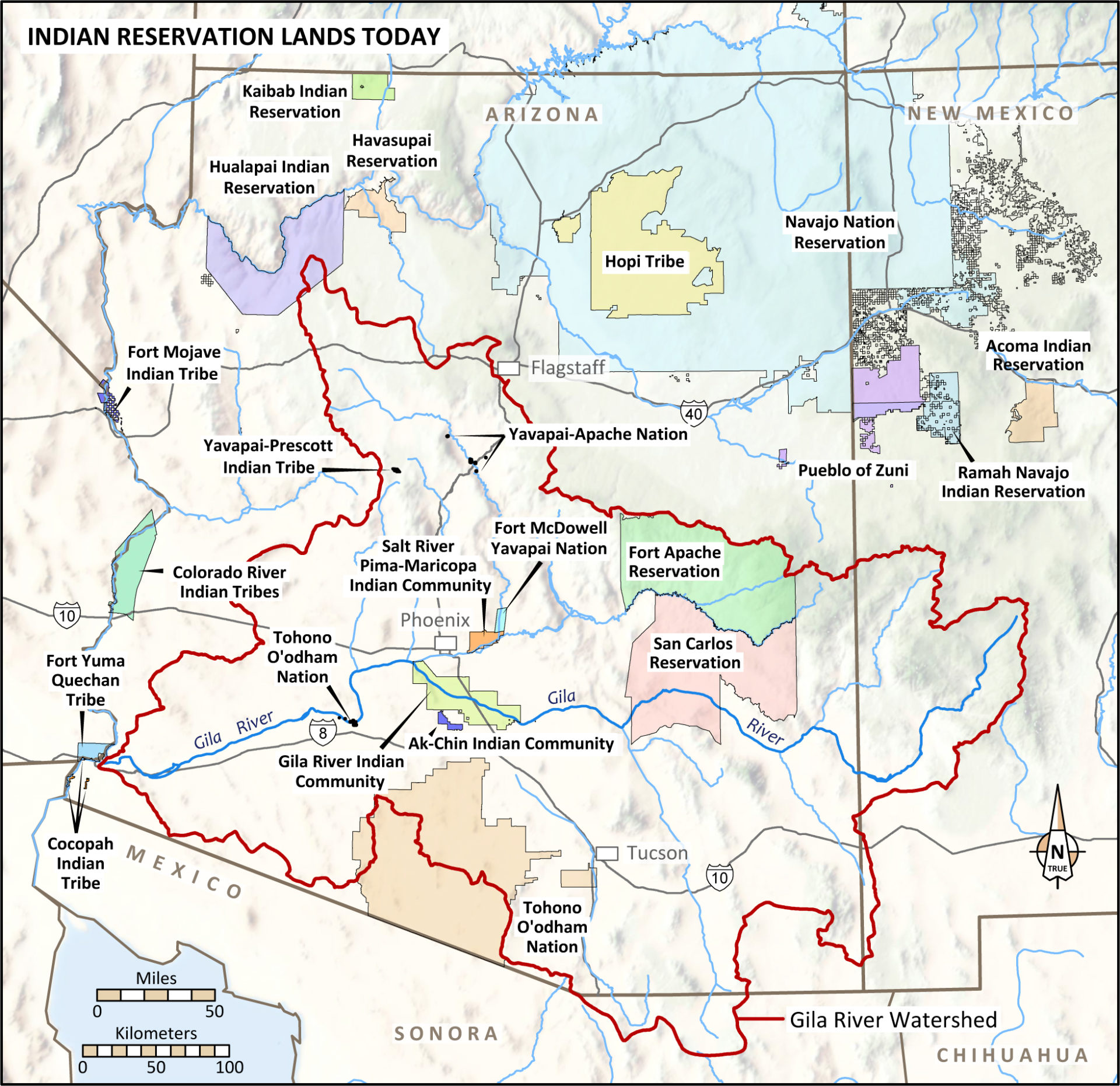

The Maine Indian Claims Settlement Act of 1980: This act resolved land claims by the Passamaquoddy and Penobscot tribes in Maine, providing them with a $81.5 million settlement and establishing a trust fund for economic development.
The Seminole Nation Land Claim Settlement: In 1990, the Seminole Nation of Oklahoma received a $56 million settlement to resolve claims dating back to the 19th century. This settlement has helped the tribe fund various initiatives, including education, healthcare, and cultural preservation.
The Black Hills Land Claim: The Lakota Sioux have been fighting for the return of the Black Hills in South Dakota, which were taken illegally by the U.S. government in 1877. While the Supreme Court awarded the tribe monetary compensation in 1980, the Lakota have refused to accept the money, insisting on the return of their sacred lands.
Socio-Economic Impacts of Land Claims
Land claim settlements can have profound socio-economic impacts on Native American tribes. Restoring land to tribal ownership can provide opportunities for economic development, resource management, and cultural preservation. Monetary compensation can be used to fund essential services, such as education, healthcare, housing, and infrastructure. Successful land claims can also strengthen tribal sovereignty and self-determination, empowering tribes to govern themselves and manage their own affairs.
Common Misconceptions About Land Claims
There are several common misconceptions about land claims by Indian Reservations. One is that tribes are simply trying to get rich off the government. In reality, land claims are about seeking justice for historical wrongs and securing a sustainable future for tribal communities. Another misconception is that land claims threaten private property rights. In most cases, land claims are directed at the federal government or state governments, not individual landowners.
People Also Ask (PAA): Answering Common Questions
What is the basis for Native American land claims?
Native American land claims are based on treaties, agreements, and federal laws that were violated by the U.S. government, resulting in the unjust taking of tribal lands. These claims often assert aboriginal title, treaty rights, and the government’s trust responsibility.
How are land claims resolved?
Land claims can be resolved through litigation in federal courts, negotiation between tribes and the government, or through special legislation passed by Congress. Settlements may involve monetary compensation, land restoration, or other remedies.
What impact do land claims have on local communities?
Land claims can have both positive and negative impacts on local communities. Positive impacts include economic development opportunities, increased tribal revenue, and improved relations between tribes and non-Native communities. Negative impacts may include land use restrictions, boundary disputes, and concerns about property values.
What are the challenges faced by tribes in pursuing land claims?
Tribes face numerous challenges in pursuing land claims, including statutes of limitations, evidentiary burdens, legal costs, and political opposition.
The Future of Land Claims
The issue of land claims by Indian Reservations is likely to remain a significant legal and political issue for many years to come. As tribes continue to assert their rights and seek justice for historical wrongs, it is essential to foster a greater understanding of the complex issues involved and to work towards fair and equitable solutions. This includes promoting meaningful consultation with tribal nations, respecting tribal sovereignty, and honoring treaty obligations.
Conclusion: Key Takeaways
In summary, land claims by Indian Reservations are a critical aspect of Native American history and contemporary legal landscape. These claims arise from historical injustices and broken treaties, seeking to restore tribal sovereignty and ensure economic stability. While the process is complex and fraught with challenges, successful land claims can have profound socio-economic benefits for tribal communities. Understanding the historical context, legal framework, and ongoing challenges is crucial for fostering a more just and equitable relationship between Native American tribes and the U.S. government.
By acknowledging the past and working collaboratively towards fair resolutions, we can help build a future where the rights and interests of Native American tribes are respected and protected. Continued dialogue, education, and policy reform are essential steps in this ongoing journey towards reconciliation and justice.