
Acoma Pueblo Sky City: North America’s Oldest Continuously Inhabited Settlement
Perched atop a 367-foot sandstone mesa, 60 miles west of Albuquerque, New Mexico, lies Acoma Pueblo, a place known universally as Sky City. For at least 800 years, and potentially over 1,200, this remarkable settlement has been home to the Acoma people, making it the oldest continuously inhabited community in North America. More than a historical curiosity, Sky City is a living testament to unparalleled human endurance, cultural resilience, and an unbroken lineage stretching back through centuries of challenge and change.
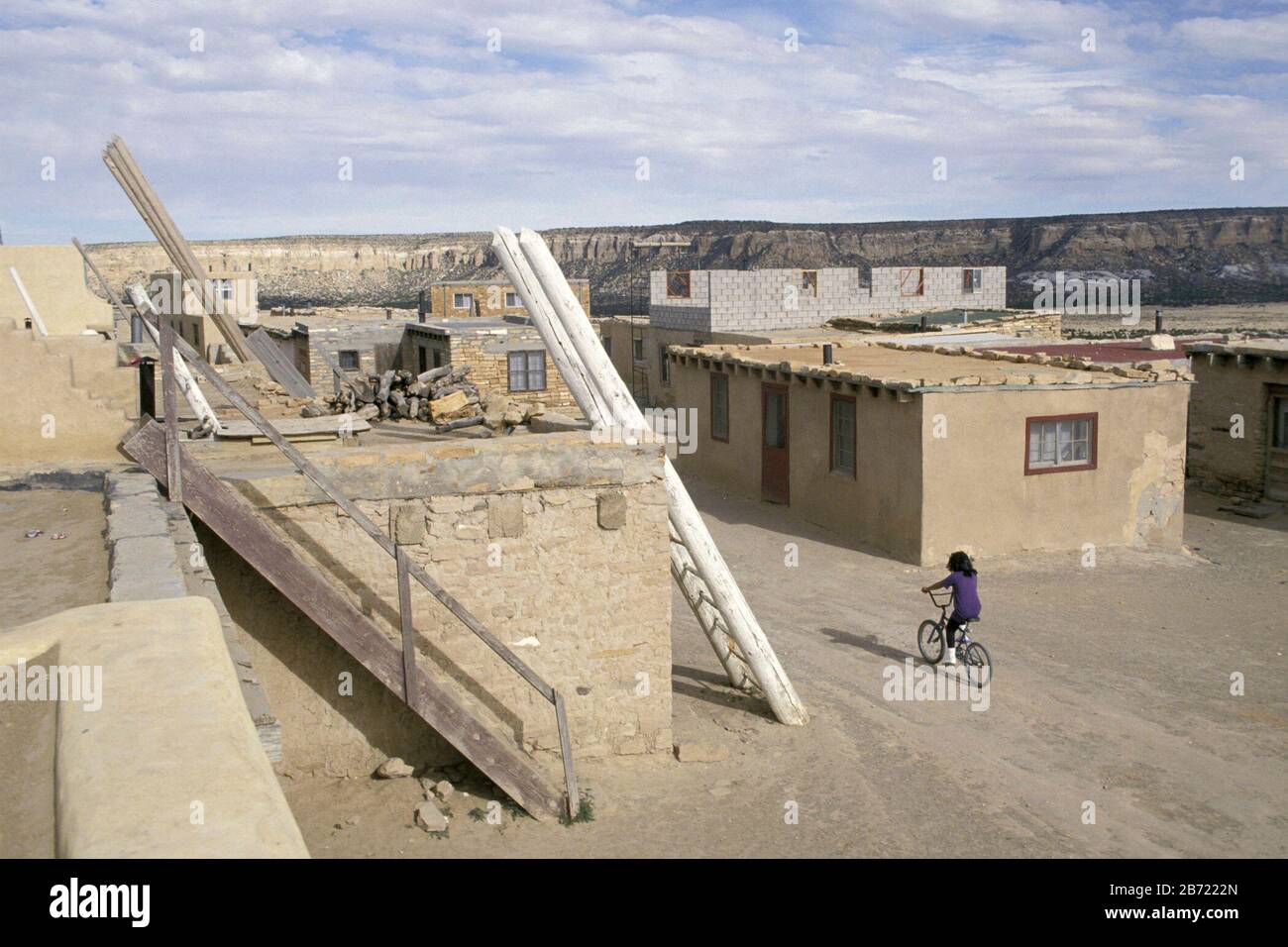
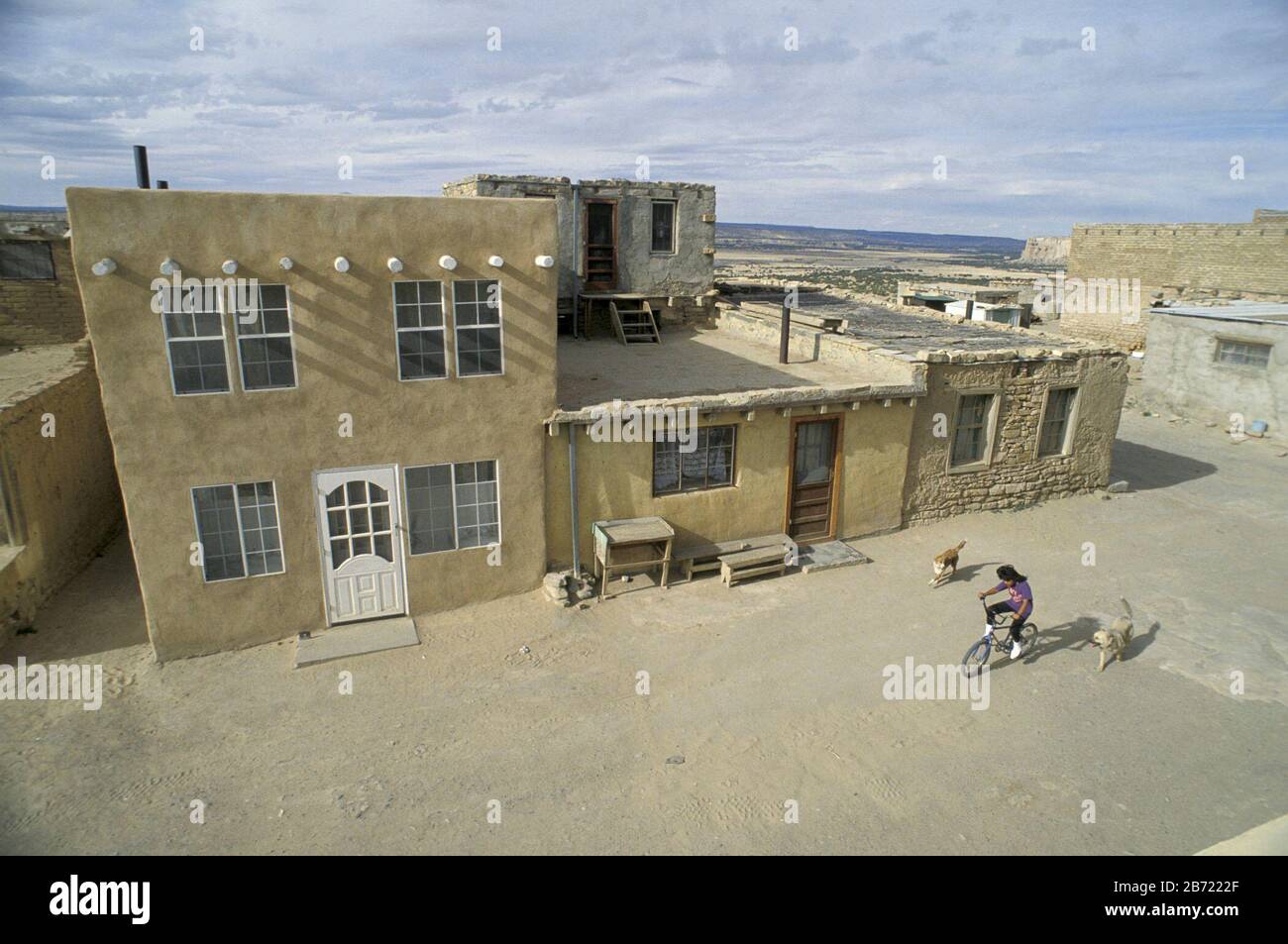
The Acoma people, a Keresan-speaking group, chose this seemingly improbable location for very practical reasons: defense. The sheer, impassable cliffs of the mesa offered a natural fortress against nomadic raiding tribes. Access was traditionally via hand-carved staircases and precarious footpaths cut into the rock face, a formidable barrier to any aggressor. This strategic isolation allowed the Acoma to develop a unique culture, language, and spiritual connection to their ancestral lands, uninterrupted for millennia. Their traditional homes, multi-story adobe structures, built directly into the mesa rock, are architectural marvels, demonstrating ingenuity in utilizing natural resources and adapting to a challenging environment.
Archaeological evidence, including pottery shards and structural remains, pushes the origins of permanent settlement back to at least 1100 CE, with some estimates placing it as early as 800 CE. The Acoma themselves speak of an even deeper ancestral connection, woven into their oral traditions and creation stories, emphasizing a continuous presence on "Acu" – the sacred place. This profound link between the people and their land defines Acoma identity, where the mesa is not just a dwelling but a living entity, a protector, and a source of spiritual sustenance.
Life on the mesa, even today, is dictated by its unique geography. Water, a precious commodity in the arid Southwest, was traditionally collected in natural cisterns and transported up from springs at the base of the mesa. Building materials – adobe mud, stone, and timber – were sourced locally, with large timbers often carried by hand and shoulder from distant mountains. This communal effort in construction and daily life forged an unbreakable bond among the Acoma, a necessity for survival in such an isolated, elevated world.
The first Europeans to lay eyes on Sky City were members of Francisco Vásquez de Coronado’s expedition in 1540. Captivated by the dramatic sight, chronicler Pedro de Castañeda described it as "one of the strongest places ever seen." For decades, Acoma remained largely untouched by the Spanish colonial enterprise, its elevated position acting as a formidable deterrent. However, this changed dramatically at the close of the 16th century, leading to one of the most brutal and pivotal encounters in early American history.

In 1598, Juan de Oñate arrived in New Mexico, determined to establish a Spanish colony and subjugate the indigenous peoples. His nephew, Captain Juan de Zaldívar, led a contingent to Acoma in December 1598, demanding supplies. A conflict erupted, resulting in Zaldívar’s death and a dozen of his men. Oñate, enraged, retaliated with a vengeance. In January 1599, he dispatched his brother, Vicente de Zaldívar, with 70 soldiers to punish Acoma.
The Battle of Acoma was a horrific three-day siege. Despite their defensive advantage, the Acoma were ultimately outmatched by Spanish weaponry and tactics. The Spanish managed to scale the mesa and, after fierce fighting, overwhelmed the pueblo. The casualties were staggering: an estimated 800-1,000 Acoma people were killed, including women and children. The survivors, approximately 500 women and children and 80 men, faced an even crueler fate. In an act of unparalleled barbarity, Oñate ordered that all men over 25 have one foot amputated, and many others were enslaved. This brutal act was intended to instill terror and submission among all Pueblos, and its memory remains a painful, indelible mark on Acoma history.
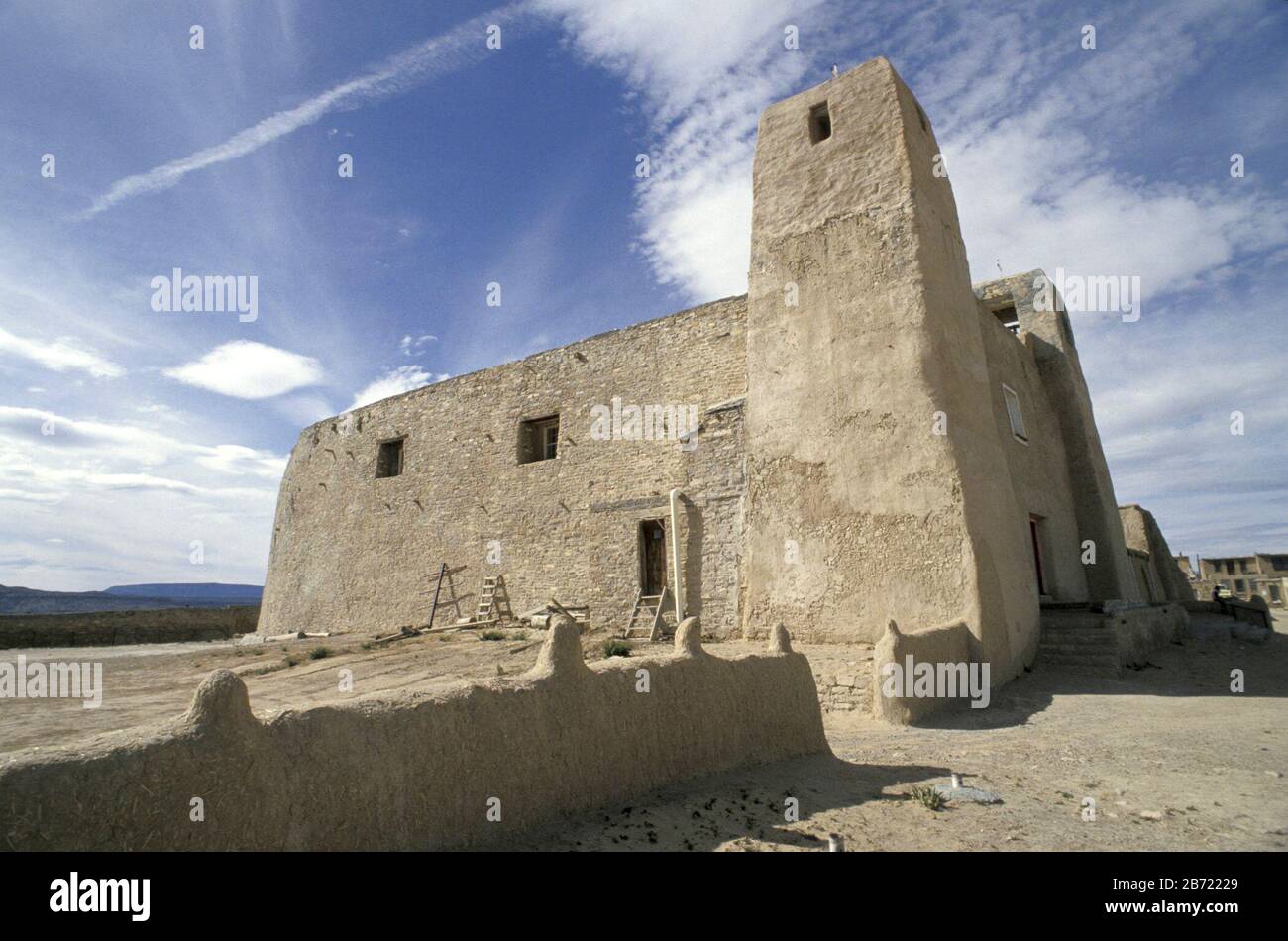
Yet, Acoma endured. The spirit of the people, though scarred, was not broken. Within decades of the battle, the Acoma began to rebuild, both physically and spiritually. A powerful symbol of this resilience is the Mission San Esteban del Rey Church, constructed between 1629 and 1640. This monumental edifice, a UNESCO World Heritage site, stands as a testament to both forced labor and enduring faith. Built under Spanish supervision by Acoma laborers, using only indigenous materials and methods – timber beams (vigas) for the roof were hauled without the aid of wheeled vehicles from Mount Taylor, over 30 miles away – the church is a masterpiece of early colonial architecture and a sacred space for the Acoma people. Its massive adobe walls, often 9 feet thick, and intricate wooden carvings tell a story of cultural imposition and adaptation, of a community finding ways to integrate new beliefs while preserving their ancestral ways.
Today, while the majority of the approximately 5,000 enrolled Acoma members live in the modern surrounding communities of Acomita and McCarty’s, Sky City remains the spiritual and cultural heart of the Pueblo. A small number of families still reside on the mesa year-round, maintaining the traditions of their ancestors. During feast days and ceremonies, the ancient pueblo springs to life, filled with thousands of Acoma people returning to their ancestral home.
Tourism plays a crucial role in Acoma’s modern economy and cultural preservation efforts. The Acoma Sky City Cultural Center and Haak’u Museum, located at the base of the mesa, serves as the gateway for visitors. Here, guided tours led by Acoma tribal members offer a respectful and insightful glimpse into their history, culture, and daily life. This controlled tourism allows the Acoma to share their story on their own terms, educate visitors about their heritage, and generate revenue that supports their community and preserves the ancient pueblo. Visitors are transported to the mesa by shuttle, a modern concession to accessibility, but once there, they walk the ancient paths, hear the wind whisper through the adobe walls, and witness a living history that defies time.
The challenges facing Acoma Pueblo are not dissimilar to those of many indigenous communities: economic development, access to resources, and the ongoing effort to preserve language and traditions in a rapidly modernizing world. Yet, Acoma’s status as the oldest continuously inhabited settlement serves not only as a point of pride but also as a powerful reminder of their enduring connection to the land and their ancestors. The lessons learned over centuries of adaptation, resilience in the face of adversity, and the unwavering commitment to community continue to guide the Acoma people.
Sky City is more than an ancient ruin or a historical landmark; it is a vibrant, living culture. It stands as a profound symbol of indigenous strength, a place where the echoes of centuries past resonate with the heartbeat of the present. To walk its narrow pathways is to step back in time, to witness the incredible tenacity of human spirit, and to understand the deep, unbreakable bond between a people and their sacred land. Acoma Pueblo, Sky City, remains a powerful testament to survival, identity, and the extraordinary power of a heritage preserved for generations untold.