

Guardians of Sovereignty: Native American Tribal Police and the Labyrinth of Law Enforcement
In the vast and varied landscape of the United States, a unique and often misunderstood force of law enforcement stands on the front lines, embodying the very essence of self-governance: Native American tribal police. These officers, serving over 570 federally recognized tribes, are not merely local cops; they are the tangible expression of tribal sovereignty, tasked with upholding the law, protecting their communities, and navigating a complex jurisdictional maze that has few parallels in the American legal system. Their daily work is a testament to resilience, a struggle for justice, and a poignant reminder of the ongoing quest for true self-determination.
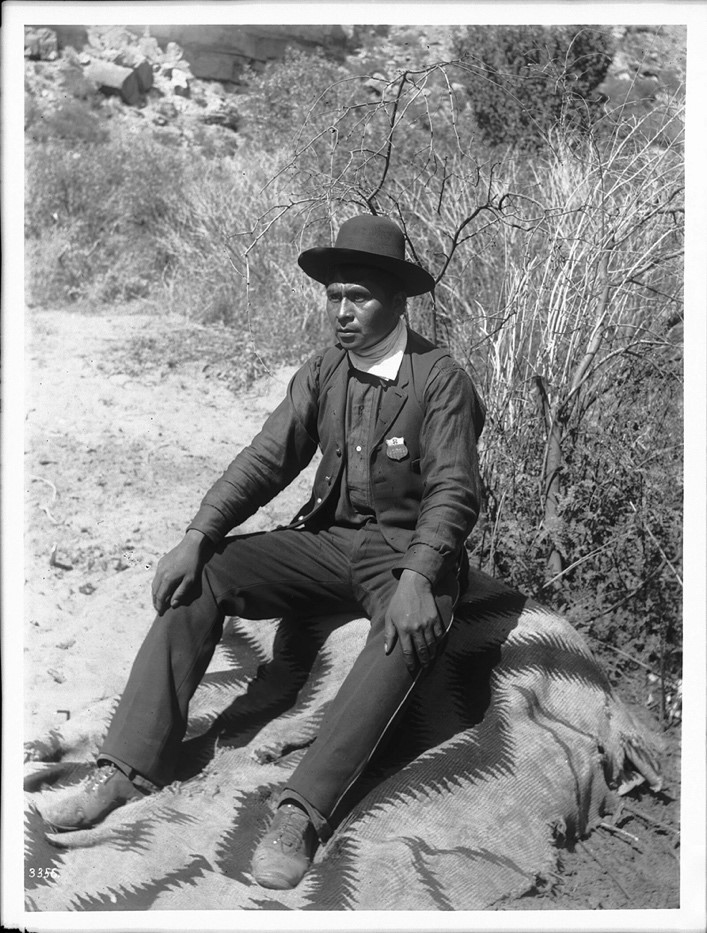
The roots of tribal law enforcement stretch back to pre-colonial times, where Indigenous nations maintained intricate systems of justice and social order, often through community consensus, warrior societies, or spiritual leaders. With the advent of European colonization and the subsequent formation of the United States, these traditional systems were systematically undermined. The federal government, through the Bureau of Indian Affairs (BIA), eventually imposed its own brand of policing, often hiring tribal members as "Indian Police" to enforce federal regulations, not always in alignment with tribal values. However, with the Indian Reorganization Act of 1934 and later the Self-Determination Era of the 1970s, tribes began to reclaim and reassert their inherent right to govern themselves, including the fundamental power to establish and operate their own police departments, courts, and detention facilities.
At the heart of tribal policing lies the concept of tribal sovereignty – the inherent right of Indigenous nations to govern themselves. This is not a power granted by the federal government but an inherent right that predates the United States. However, this sovereignty is not absolute, often described as that of "domestic dependent nations," meaning tribes exist within the territorial boundaries of the U.S. and are subject to federal law and treaties. This nuanced legal status creates a unique and often challenging environment for tribal law enforcement, particularly concerning jurisdiction.
The Jurisdictional Labyrinth: A Legacy of Conflicting Laws
The most significant hurdle facing tribal police is the intricate, often bewildering, web of criminal jurisdiction in Indian Country. Unlike state or municipal police, tribal officers cannot simply enforce all laws against all people within their territory. This complexity stems from a series of historical court decisions and congressional acts that have, over time, chipped away at or redefined tribal authority:
-
Oliphant v. Suquamish Indian Tribe (1978): This landmark Supreme Court decision delivered a devastating blow to tribal sovereignty. The Court ruled that tribal courts do not possess inherent criminal jurisdiction over non-Native Americans who commit crimes on tribal lands. This created what many refer to as a "jurisdictional black hole." Tribal police can arrest a non-Native perpetrator, but they cannot prosecute them in tribal court. Instead, they must transfer the suspect to federal or state authorities, who may or may not choose to prosecute. This often leads to cases falling through the cracks, allowing non-Natives to commit crimes on reservations with relative impunity from local tribal justice.
- Fact: This ruling significantly hampered tribal efforts to protect their communities, particularly from drug trafficking, property crimes, and violent offenses committed by non-Natives passing through or living on tribal lands.
-
Public Law 280 (1953): This federal statute transferred criminal jurisdiction over Native Americans in specific states (California, Minnesota, Nebraska, Oregon, Wisconsin, and later Alaska) from the federal government to the respective state governments. In these "PL 280 states," state law enforcement and courts generally have jurisdiction over crimes committed by Native Americans in Indian Country, diminishing tribal authority and often leading to a lack of understanding or prioritization of tribal issues by state agencies. While some tribes have opted out or retroceded parts of PL 280, its legacy continues to impact sovereignty.
-
The Major Crimes Act (1885): This act asserts federal jurisdiction over a list of serious felonies (e.g., murder, manslaughter, rape, assault, arson, burglary) when committed by Native Americans in Indian Country. This means that for serious crimes, even if committed by a tribal member against another tribal member on their own land, tribal police must defer to federal investigators (like the FBI) and federal prosecutors. While tribal police often assist in these investigations, the ultimate authority rests outside tribal control.

These jurisdictional limitations create immense challenges. Imagine a non-Native individual committing domestic violence against a tribal member on a reservation in a non-PL 280 state. Tribal police respond, arrest the perpetrator, but under Oliphant, they cannot prosecute. They must hand the case to federal authorities, who may be hundreds of miles away, understaffed, or prioritize other cases. The victim is left in a vulnerable position, and the tribal community feels its sovereignty undermined and its safety compromised.
A Glimmer of Hope: The Violence Against Women Act (VAWA) Reauthorization
In recent years, Congress has taken steps to address some of these jurisdictional gaps, particularly concerning violence against Indigenous women. The 2013 reauthorization of the Violence Against Women Act (VAWA) marked a significant breakthrough. It partially restored tribal criminal jurisdiction over non-Native perpetrators of domestic violence, dating violence, or violations of protection orders committed against Native American victims on tribal land. This meant tribal courts could now prosecute non-Natives for these specific crimes, provided certain due process protections were met.
The 2022 reauthorization of VAWA expanded this "special tribal criminal jurisdiction" even further. It now includes sexual assault, stalking, child abuse, trafficking, and crimes against tribal law enforcement officers committed by non-Natives in Indian Country. This expansion represents a critical step towards affirming tribal sovereignty and closing the "jurisdictional black hole" that has historically plagued Native communities, especially given the disproportionately high rates of violence against Indigenous women and girls.
- Fact: Native American women face murder rates more than 10 times the national average in some jurisdictions, and are disproportionately victims of sexual assault. The crisis of Missing and Murdered Indigenous Women (MMIW) is directly linked to these jurisdictional complexities and the historical devaluation of Indigenous lives.
Operational Challenges: Beyond Jurisdiction
Even with expanding jurisdictional authority, tribal police forces grapple with a host of operational challenges that often leave them under-resourced and overstretched:
-
Chronic Underfunding: Tribal police departments are consistently underfunded compared to their state and local counterparts. Federal appropriations often fall short of actual needs, leading to lower officer salaries, outdated equipment, insufficient training, and a lack of modern infrastructure (e.g., dispatch centers, forensics labs, secure detention facilities). Many tribal departments rely heavily on competitive grants, making long-term planning difficult.
- Quote: "We are asked to do the same job as any city police department, but with a fraction of the budget," lamented one tribal police chief. "Our officers are dedicated, but they deserve the same tools and support as anyone else."
-
Staffing Shortages and High Turnover: Low pay, demanding work in often remote areas, and the complex legal environment contribute to significant staffing shortages and high turnover rates. Attracting and retaining qualified officers, particularly those with a cultural understanding of the community, is a constant struggle.
-
Training and Resources: While BIA’s Office of Justice Services (OJS) provides training and standards, access to specialized training (e.g., advanced criminal investigation, forensics, cybercrime) can be limited. Many tribal departments lack the resources for ongoing professional development, which is crucial in modern law enforcement.
-
Interagency Cooperation: Due to the complex jurisdictional landscape, tribal police must constantly collaborate with federal agencies (FBI, BIA, U.S. Marshals Service, U.S. Attorneys’ Offices) and state/local law enforcement. While many relationships are strong, inconsistencies exist, and the burden of initiating and maintaining these partnerships often falls on the tribal departments. Joint task forces and cross-deputization agreements are vital but require ongoing effort and mutual respect.
A Unique Cultural Context
Beyond the legal and operational hurdles, tribal police operate within a deeply significant cultural context. Many officers are members of the very communities they serve, fostering a unique bond but also adding a layer of personal responsibility. They are often expected to balance traditional tribal values, which may emphasize restorative justice and community healing, with the demands of modern law enforcement. Understanding the history of colonialism, intergenerational trauma, and the unique social dynamics of their communities is paramount to effective policing that builds trust rather than resentment. Community-oriented policing is not just a philosophy; it is often an inherent part of their approach.
The Path Forward: Sustaining Sovereignty and Justice
The future of Native American tribal police hinges on continued federal recognition of tribal sovereignty, sustained and adequate funding, and a commitment to closing the remaining jurisdictional gaps. Legislative efforts like the VAWA reauthorization are crucial precedents, demonstrating that Congress can, and should, empower tribes to protect their own. Increased investment in tribal police infrastructure, training, and competitive salaries will allow these departments to attract and retain the best officers. Furthermore, fostering stronger, more equitable intergovernmental relationships will ensure seamless cooperation across jurisdictional lines.
Native American tribal police officers are more than just badge-wielding authorities; they are guardians of their nations’ sovereignty, cultural heritage, and the safety of their people. They stand as a testament to the enduring strength of Indigenous communities, navigating a legal landscape shaped by centuries of complex history. Their daily struggle for justice against overwhelming odds is a powerful reminder that true self-determination requires not just the right to govern, but the resources and authority to protect. As the nation grapples with its history and future relationship with Indigenous peoples, supporting and empowering tribal police is not merely a matter of law enforcement; it is an affirmation of sovereignty and a commitment to justice for all.


