
Introduction: The Enduring Spirit of Zia Pueblo
Nestled amidst the captivating landscapes of New Mexico, the Zia Pueblo stands as a testament to enduring indigenous culture and rich history. Home to the Keres-speaking Zia people, this sovereign nation has maintained its traditions for centuries, offering a profound glimpse into Native American heritage in the American Southwest.
Perhaps the most globally recognized emblem associated with the Zia Pueblo is its iconic Sun Symbol, a powerful representation of life, love, and the sacred elements of the universe. This symbol, adopted as the state flag of New Mexico, carries a deep spiritual significance that resonates far beyond its visual appeal.
Our journey into the heart of Zia Pueblo will uncover its ancient roots, explore its vibrant cultural practices, and shed light on the contemporary life of its resilient community. We’ll delve into the profound meaning behind the Zia Sun Symbol and discuss the importance of respectful engagement with this vital piece of Native American heritage.
A Glimpse into Ancient Origins and Historical Resilience
The history of the Zia people is deeply intertwined with the land they have inhabited for millennia. Archaeological evidence suggests continuous occupation of the region for at least 800 years, with ancestors dating back even further. The Zia Pueblo is one of the 19 federally recognized pueblos in New Mexico, each possessing its own unique history and traditions.
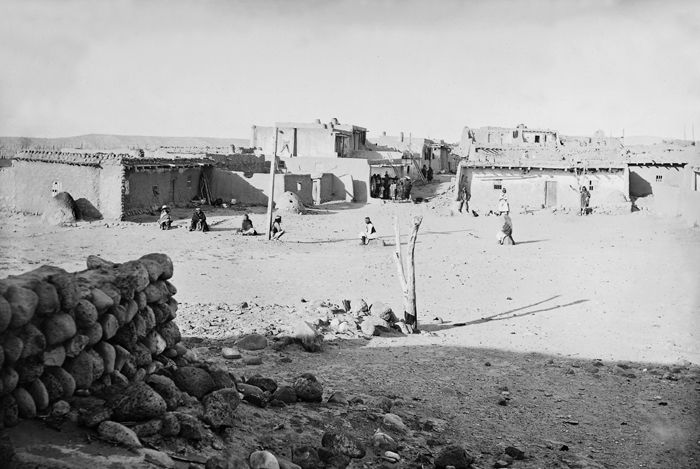
The ancestral Zia people, like many Pueblo groups, likely migrated from other areas of the Southwest, eventually settling along the Jemez River near its confluence with the Rio Grande. Their strategic location allowed for agriculture, hunting, and trade, fostering a rich and self-sufficient community.
The arrival of the Spanish in the late 16th century brought significant changes and challenges. The Zia people, like other Pueblo nations, experienced periods of forced conversion, economic exploitation, and cultural suppression. Despite these pressures, they fiercely resisted, playing a crucial role in the Pueblo Revolt of 1680, a successful uprising that temporarily expelled the Spanish from New Mexico.
Following the reconquest by the Spanish, the Zia Pueblo maintained its distinct identity, though its population significantly declined due to disease and conflict. Through resilience and adaptation, the community persevered, holding onto its language, religious practices, and social structures.
The subsequent American territorial period and statehood brought new challenges, including land encroachment and policies aimed at assimilation. However, the Zia people continued to assert their sovereignty and protect their cultural patrimony, demonstrating an unwavering commitment to their ancestral lands and way of life.
The Heart of Zia: Culture, Language, and Artistic Expression
The culture of the Zia Pueblo is rich and multifaceted, deeply rooted in their spiritual connection to the land and the cosmos. Central to their identity is the Keresan language, one of several distinct Keresan dialects spoken by various pueblos in New Mexico. Efforts to preserve and revitalize the Keresan language are ongoing, ensuring its transmission to younger generations.
Traditional Zia religious practices revolve around a complex system of ceremonies, dances, and rituals that honor the natural world, ancestral spirits, and deities. These practices often involve sacred kivas (underground ceremonial chambers) and are integral to the community’s spiritual well-being and social cohesion. Many of these ceremonies remain private and are not open to outsiders, underscoring the importance of respecting tribal privacy.
Zia is particularly renowned for its exquisite pottery. Zia pottery is easily recognizable by its distinctive designs, often featuring geometric patterns, bird motifs, and floral elements, all painted with natural pigments. The clay, sourced locally, is coiled and shaped by hand, then fired in traditional outdoor kilns. This artistic tradition has been passed down through generations, with master potters like Candelaria Gachupin and Sofia Medina leaving an indelible mark on the art form.
Beyond pottery, Zia artists also engage in other traditional crafts, including weaving, jewelry making, and basketry. These art forms are not merely decorative; they are imbued with cultural meaning and often play a role in ceremonial life or serve practical purposes within the community.

The social structure of the Zia Pueblo is traditionally organized around clans, which regulate marriage, ceremonial participation, and other aspects of community life. Governance is overseen by a tribal council and a governor, elected annually, who work to uphold tribal sovereignty and ensure the well-being of the Zia people.
The Zia Sun Symbol: Meaning and Significance
Perhaps the most iconic element associated with the Zia Pueblo is its Sun Symbol. This powerful emblem, which graces the New Mexico state flag, is far more than a decorative design; it is a profound representation of the Zia worldview and philosophy.
- The Four Directions: North, South, East, West.
- The Four Seasons: Spring, Summer, Autumn, Winter.
- The Four Periods of the Day: Sunrise, Noon, Sunset, Night.
- The Four Stages of Life: Childhood, Youth, Adulthood, Old Age.
The central circle represents life and love, without beginning or end, signifying the eternal bond within the Zia community and their connection to the creator. The Sun Symbol thus encapsulates a holistic view of existence, emphasizing balance, harmony, and the cyclical nature of life.
Its adoption by the State of New Mexico in 1925, while bringing recognition, has also been a complex issue for the Zia Pueblo. While proud of their symbol’s widespread recognition, they also seek to ensure its respectful use and that its profound cultural and spiritual meaning is understood and honored. The Zia Pueblo retains copyright over the symbol and continues to engage in discussions regarding its commercial use and appropriate representation.
Life on the Reservation Today: Challenges and Progress
Modern life on the Zia Pueblo Reservation, located primarily in Sandoval County, New Mexico, involves a blend of traditional practices and engagement with the contemporary world. Like many indigenous communities, the Zia people face unique challenges while striving for economic development and self-sufficiency.
Key areas of focus for the Zia tribal government include enhancing educational opportunities, improving healthcare access, managing natural resources (including water rights, which are crucial in the arid Southwest), and creating sustainable economic ventures to support their community.
Cultural preservation remains a top priority. Efforts are continuously made to revitalize the Keresan language, teach traditional arts like pottery to younger generations, and ensure the continuation of ceremonies and oral histories. These initiatives are vital for maintaining the distinct identity and cultural heritage of the Zia people.
The Zia Pueblo operates with tribal sovereignty, meaning they govern themselves according to their own laws and customs, while also interacting with federal and state governments. This sovereignty is fundamental to their ability to protect their land, culture, and future.
Visiting Zia Pueblo: Respecting Sacred Space
Many people ask, Is Zia Pueblo open to the public? It is important to understand that the Zia Pueblo is a living, private community, not a tourist attraction. Historically, Zia Pueblo has maintained a very private stance regarding visitors. Access to the reservation is generally restricted to tribal members and authorized guests.
Unlike some other pueblos, Zia does not typically host public feasts, dances, or cultural events that are open to non-tribal members. This privacy is deeply rooted in their desire to protect their sacred ceremonies, traditions, and the peace of their community. Respecting this privacy is paramount.
Those interested in learning more about the Zia Pueblo and its rich heritage are encouraged to do so through educational resources, reputable museums (such as the Indian Pueblo Cultural Center in Albuquerque), and official tribal websites if available. Support for Native American artists can often be found through galleries specializing in indigenous art, ensuring that purchases directly benefit the artists and their communities.
Conclusion: A Legacy of Strength and Spirit
The Zia Pueblo Reservation stands as a powerful testament to the resilience, cultural richness, and spiritual depth of the Native American people. From its ancient origins and enduring history of resistance to its vibrant artistic traditions and profound Sun Symbol, Zia Pueblo offers invaluable lessons in continuity and cultural preservation.
Understanding and respecting the Zia people’s heritage, their privacy, and the deep meaning behind their symbols is crucial. As we continue to learn about and appreciate the diverse indigenous cultures of the American Southwest, the story of Zia Pueblo reminds us of the strength found in tradition, community, and an unwavering connection to the land.


