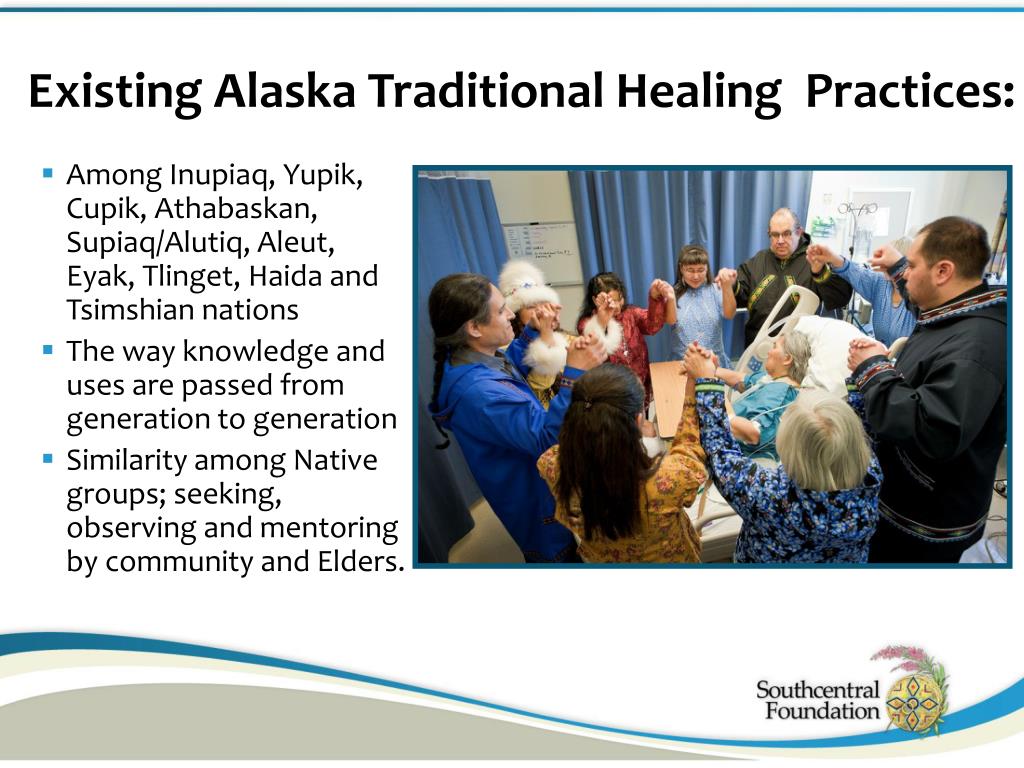

The Yupik people, an Indigenous group primarily residing in southwestern Alaska and the Russian Far East, possess a profound and intricate system of traditional healing that has sustained their communities for millennia. Far more than just treating symptoms, Yupik healing is a holistic philosophy deeply interwoven with their spiritual beliefs, cultural practices, and an intimate relationship with the natural world.
This article explores the core tenets of Yupik traditional healing, shedding light on its historical significance, practical applications, and the ongoing efforts to preserve and revitalize these invaluable ancestral wisdoms in contemporary society.
Understanding the Yupik Worldview: A Holistic Perspective
At the heart of Yupik healing lies a worldview that perceives all aspects of existence—physical, spiritual, emotional, and environmental—as interconnected. Health is not merely the absence of illness but a state of balance and harmony within oneself, one’s family, community, and the broader natural and spiritual realms. Illness, conversely, is often seen as a manifestation of imbalance or a disruption in these vital connections.
This holistic perspective contrasts sharply with reductionist approaches, emphasizing that true healing must address the root causes of disharmony, not just the physical symptoms. The land, animals, and spirits are not separate entities but active participants in the Yupik’s daily life and well-being.
The Role of Spiritual Guides: Angalkut (Shamans) and Elders


Historically, the Angalkut (shamans) played a pivotal role in Yupik traditional healing. These highly respected individuals were believed to possess the ability to communicate with the spirit world, interpret dreams, and facilitate spiritual journeys to restore balance and heal ailments. Their practices often involved drumming, chanting, dancing, and elaborate ceremonies.
Angalkut served as spiritual guides, healers, and intermediaries, helping individuals and communities navigate challenges, understand illnesses, and seek guidance. Their wisdom was passed down through generations, often through rigorous apprenticeships and spiritual initiations.
Today, while the overt practice of shamanism may be less common due to historical suppression, the wisdom and guidance of Elders remain paramount. Elders are the living repositories of traditional knowledge, offering counsel, sharing stories, and teaching younger generations about cultural practices, medicinal plants, and ethical living.
Yupik Herbal Medicine: Nature’s Pharmacy
The Yupik people possess an extensive knowledge of the local flora and its medicinal properties. Living in a challenging Arctic environment necessitated a deep understanding of which plants could provide sustenance and healing. This traditional ecological knowledge (TEK) is passed down orally and through direct experience.
- Labrador Tea (Ledum palustre): Used for respiratory ailments, colds, and as a general tonic. It’s often prepared as a warm beverage.
- Willow Bark (Salix spp.): Known for its pain-relieving and anti-inflammatory properties, similar to aspirin, and used for aches, pains, and fevers.
- Cloudberries and Blueberries: Rich in vitamins and antioxidants, consumed for overall health and to prevent scurvy.
- Devil’s Club (Oplopanax horridus): While more common in Southeast Alaska, some Yupik communities may utilize it for pain relief and treating various conditions.
The preparation of these herbal remedies is often specific, involving steeping, boiling, or grinding, and is accompanied by prayers or intentions for healing. The respect for the plant world and the act of respectful harvesting are integral to their efficacy.
Spiritual and Ceremonial Healing
Beyond physical remedies, spiritual practices are central to Yupik healing. These include:
- Drumming and Chanting: Used to induce trance states, invite spirits, and create a healing atmosphere. The rhythmic sounds are believed to cleanse and align the spirit.
- Storytelling (Qanemcit): Sharing traditional narratives, myths, and personal experiences serves as a powerful therapeutic tool. Stories impart moral lessons, provide comfort, and connect individuals to their cultural heritage, fostering a sense of identity and belonging.
- Traditional Dances (Yuraq): Performed for various purposes, including spiritual expression, celebration, and sometimes as part of healing rituals. Dances can embody prayers and communicate with the spirit world.
- Ceremonial Feasts: Gatherings where traditional foods are shared, stories are told, and community bonds are strengthened. These events are crucial for collective well-being and reinforce cultural identity.


These practices are not merely symbolic; they are believed to actively engage the spiritual dimension of healing, addressing emotional trauma, spiritual distress, and restoring an individual’s connection to their ancestral wisdom and the cosmos.
Community and Collective Well-being
In Yupik culture, individual health is inextricably linked to the health of the community. A strong, supportive community provides a safety net, reduces isolation, and fosters a sense of purpose. Healing often involves the entire family or community, emphasizing collective responsibility and mutual care.
Social cohesion, shared cultural practices, and the intergenerational transfer of knowledge are vital components of preventive health and recovery. When an individual is unwell, the community often rallies to provide support, demonstrating the power of collective efficacy in healing.
Traditional Foods and Nutritional Health
The traditional Yupik diet, largely based on subsistence hunting, fishing, and gathering, is a cornerstone of their health. Foods like seal, salmon, caribou, berries, and greens provide essential nutrients, reflecting a deep understanding of the Arctic ecosystem.
This diet is rich in omega-3 fatty acids, lean proteins, and natural vitamins, contributing to robust physical health and resilience. The act of hunting and gathering itself reinforces physical activity, connection to the land, and cultural identity. The sharing of traditional foods during feasts further strengthens community bonds.
Adapting to Change: Challenges and Resilience
The arrival of European colonizers brought profound disruptions to Yupik communities, including the introduction of new diseases, the suppression of traditional languages and spiritual practices, and the imposition of Western education and healthcare systems. These historical traumas have had lasting impacts on the health and well-being of Indigenous peoples.
Despite these challenges, Yupik traditional healing practices have demonstrated remarkable resilience. Many communities have actively worked to revitalize their cultural heritage, understanding that cultural strength is fundamental to health.
Revitalization Efforts and Cultural Preservation
- Language Preservation: Teaching Yup’ik language to younger generations, as language is a vehicle for traditional knowledge.
- Cultural Education Programs: Implementing programs in schools and communities that teach traditional skills, stories, and practices.
- Documentation of TEK: Working with Elders to record and preserve knowledge about medicinal plants and healing rituals.
- Integration with Modern Healthcare: Exploring ways to respectfully integrate traditional healing approaches with Western medical practices, offering a more culturally sensitive and holistic approach to patient care.
These efforts are crucial for addressing the ongoing health disparities faced by Indigenous populations and for fostering a renewed sense of pride and identity.
Bridging Worlds: Yupik Healing and Contemporary Healthcare
The dialogue between traditional Yupik healing and Western medicine is evolving. Many contemporary healthcare providers recognize the importance of cultural competence and the value of Indigenous healing systems. Integrating traditional healers into clinics or offering culturally relevant support can significantly improve patient outcomes, particularly in mental and spiritual health.
This integration often involves respecting patient choices, understanding their cultural context, and offering a blend of care that honors both scientific advancements and ancestral wisdom. It’s about creating a healthcare system that serves the whole person, rooted in their cultural identity.
Conclusion: Preserving a Legacy of Health and Harmony
Yupik traditional healing practices represent a profound legacy of wisdom, resilience, and a deep respect for the interconnectedness of life. From the spiritual guidance of Angalkut and Elders to the practical application of herbal medicine and the strength derived from community, these practices offer a holistic pathway to health and well-being.
In a rapidly changing world, the preservation and revitalization of Yupik healing are not just about honoring the past; they are about securing a healthier, more balanced future for the Yupik people and offering invaluable lessons on holistic living to all of humanity. Their enduring wisdom reminds us that true health extends beyond the physical, embracing the spiritual, emotional, and communal dimensions of our existence.
By understanding and respecting these rich traditions, we gain insight into a powerful model of health that champions harmony, community, and an unbreakable bond with the natural world. The journey of Yupik healing is a testament to the strength of cultural identity and the timeless power of ancestral knowledge.


