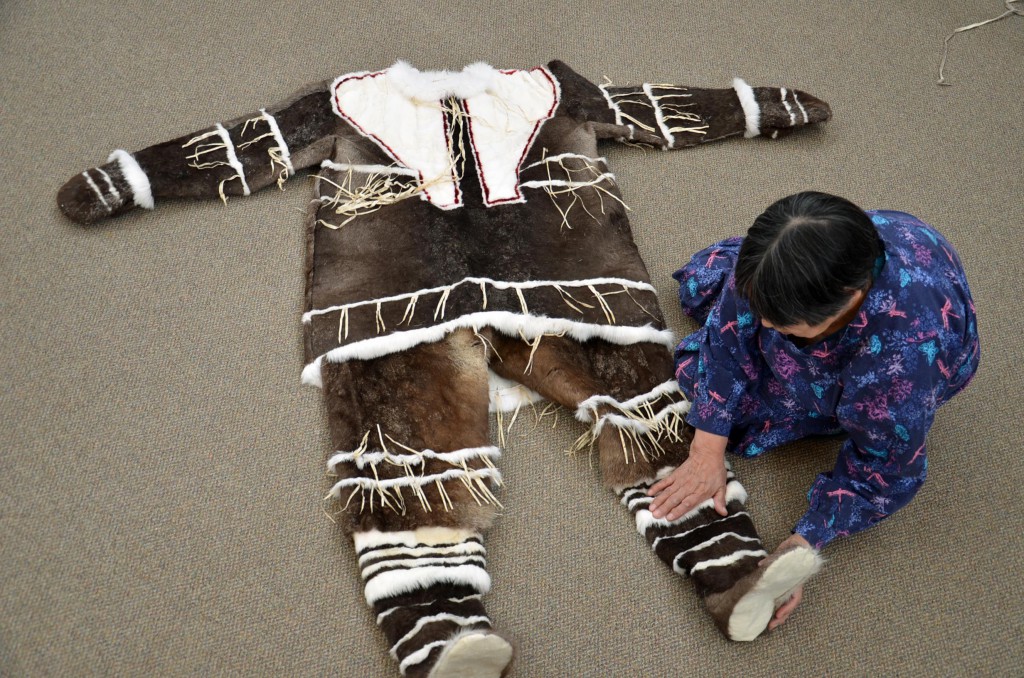

The Arctic, with its unforgiving blizzards and bone-chilling temperatures, presents one of the most extreme environments on Earth. Yet, for thousands of years, the indigenous peoples of this region – commonly referred to as Eskimo, but more accurately known as Inuit, Yup’ik, and Iñupiat, among others – have not only survived but thrived. Central to their enduring success is their remarkable ability to craft clothing that offers unparalleled protection against the elements. This article delves into the meticulous and often ingenious process of traditional Arctic clothing making.
It’s important to note at the outset that ‘Eskimo’ is an exonym, a name given by outsiders, and can sometimes be considered derogatory. The preferred terms are the self-designations of the various groups, such as Inuit in Canada and Greenland, and Yup’ik in Alaska and Siberia. For clarity and common understanding, we will use ‘Arctic indigenous peoples’ or specify groups where appropriate, while acknowledging the historical context of the term ‘Eskimo clothing’.
The primary purpose of traditional Arctic clothing was, unequivocally, survival. Every stitch, every layer, and every material choice was dictated by the need to insulate, protect from wind and moisture, and allow for efficient movement. This wasn’t merely fashion; it was a sophisticated system of personal environmental control developed over millennia.
Understanding the Materials: Nature’s Arctic Resources
The Arctic environment, while harsh, provided a rich bounty of materials essential for clothing. Indigenous hunters possessed an intimate knowledge of local fauna, understanding which animal hides and furs offered the best properties for different parts of a garment.
Caribou Hide: The Cornerstone of Arctic Wardrobe. Caribou (reindeer) was arguably the most crucial animal for clothing. Its hair is hollow, providing exceptional insulation by trapping air, similar to modern synthetic fibers. A double layer of caribou skin – one with fur facing inwards, another with fur facing outwards – created an incredibly warm and breathable system, ideal for trapping body heat while allowing moisture to escape.


Sealskin: For Durability and Waterproofing. Sealskin, particularly from ringed seals, was prized for its durability and natural water-resistant qualities. It was often used for outer layers, boots (kamiks), and waterproof garments, especially for hunting near or on the water. The hair, while not as insulating as caribou, offered excellent wind and water protection.
Polar Bear Fur: The Ultimate Insulator. Polar bear fur, with its dense and long guard hairs, offered supreme warmth and was often reserved for trims on hoods and cuffs, where its ability to shed ice and resist moisture was invaluable. Its scarcity and the challenge of hunting polar bears meant it was a highly prized material.
Bird Skins: Lightweight Warmth. For inner layers or specialized garments, skins from birds like eiders, geese, or even cormorants were sometimes used. These offered lightweight insulation and a softer feel, though they required careful preparation.
Sinew: The Natural Thread. Animal sinew, typically from caribou or seal, was the primary sewing thread. When dried and split into fine strands, it was incredibly strong and, crucially, would swell when wet, creating a naturally waterproof seam – a vital feature in garments designed to protect against the elements.
Other materials like gut (from seals or whales) were stretched and sewn to create translucent, waterproof parkas for wet weather or kayaking. Grasses or sedges were sometimes used as insulation inside boots.
Essential Tools of the Trade
Crafting these intricate garments required a specialized set of tools, honed and perfected over generations. These tools were often made from local materials such as bone, ivory, stone, and later, metal.
The Ulu: The Versatile Arctic Knife. The ulu, a crescent-shaped knife with a handle in the middle, was indispensable. It was used for skinning animals, fleshing hides, cutting patterns, and even preparing food. Its unique design allowed for efficient rocking and slicing motions, making it incredibly effective for processing tough materials.
Needles: Precision in Craft. Needles were traditionally made from bone, ivory, or antler, meticulously sharpened to pierce tough hides. The advent of European contact brought metal needles, which were highly valued for their strength and sharpness. Different sizes were used for various stitching tasks, from fine decorative work to heavy-duty seams.


Scrapers: Preparing Hides. Various scrapers, made from stone, bone, or antler, were used to remove flesh, fat, and membranes from the inner side of the hide. This was a crucial step in preparing the skin for tanning and softening, ensuring flexibility and preventing decay.
Awls: Piercing Power. Awls, sharp pointed tools, were used to punch holes in thick hides before sewing, especially when working with tough materials like sealskin or multiple layers of caribou hide.
The Meticulous Process: From Animal to Garment
The journey from a freshly hunted animal to a finished garment was a long and labor-intensive one, demanding skill, patience, and respect for the animal.
Hunting and Initial Preparation. The process began with successful hunting. Once an animal was harvested, it was carefully skinned, ensuring the hide remained intact. The skin was then typically stretched out, sometimes on a frame, to begin the drying process and prevent shrinkage.
Fleshing and Scraping. This was a critical and often arduous step. Using an ulu or specialized scrapers, all traces of flesh, fat, and connective tissue were meticulously removed from the inner surface of the hide. This prevented spoilage, reduced weight, and made the hide more pliable.
Tanning and Softening: A Labor-Intensive Art. Traditional Arctic tanning methods differed from those used in warmer climates (which often involved bark or chemicals). Here, the emphasis was on mechanical softening and sometimes natural oils. The hide would be repeatedly scraped, stretched, chewed, and worked by hand. For instance, women would often chew hides for hours to break down the fibers and make them soft and pliable, a testament to their dedication and skill. For waterproof items like sealskin, a combination of scraping and oiling might be used to maintain its natural barrier.
The goal was not necessarily to ‘tan’ in the Western sense, but to render the hide soft, flexible, and durable, preventing it from becoming stiff and brittle. This process could take days or even weeks, depending on the type and size of the hide.
Cutting Patterns: Intuitive Design. Unlike modern pattern-making with paper templates, traditional Arctic seamstresses (often women) would cut patterns directly from the prepared hides, often freehand. Their knowledge of the animal’s shape, the properties of different parts of the hide, and the desired garment’s function allowed them to maximize material use and create functional, aesthetically pleasing shapes. Every piece was carefully chosen to best suit its purpose.
Ingenious Sewing Techniques: Crafting Arctic Resilience
The sewing itself was an art form, critical for the garment’s effectiveness. The techniques employed were specifically designed to create strong, durable, and often waterproof seams.
Sinew Thread Preparation. Before sewing, sinew was prepared by drying it, then separating it into fine strands. These strands were often twisted or braided for extra strength. The natural properties of sinew, particularly its ability to swell when wet, were ingeniously utilized to create water-tight seams.
The Double-Layer System: Key to Warmth. Many traditional Arctic garments, especially parkas, employed a double-layer system. An inner layer of fur-in clothing (e.g., caribou fur facing the body) provided primary insulation, trapping a layer of warm air. An outer layer of fur-out clothing (e.g., caribou fur facing outwards, or sealskin) provided additional insulation and protection against wind and snow. The air pocket between these two layers was crucial for thermal regulation, allowing for ventilation when active and maximum warmth when still.
Waterproof Seams: The Secret to Staying Dry. For outer garments and boots, waterproof seams were paramount. This was achieved through a technique called the ‘blind stitch’ or ‘waterproof stitch’. Two pieces of skin would be sewn together with tiny, almost invisible stitches that did not fully penetrate both layers, preventing water from seeping through. The sinew, swelling when wet, further sealed these tiny holes.
Stitching was also done with an eye for durability and aesthetics. Decorative stitching, often using contrasting materials or dyed sinew, was common, reflecting cultural identity and artistic expression.
Key Garments: A Symphony of Arctic Design
The traditional Arctic wardrobe consisted of several essential garments, each designed for specific functions and conditions.
The Anorak/Parka: The Quintessential Outer Layer. The parka (or anorak) is perhaps the most iconic piece of Arctic clothing. It was a hooded, pullover coat, often made from double layers of caribou hide. The hood was typically trimmed with wolf or wolverine fur, which resisted frost buildup around the face due to its unique hair structure.
Trousers. Caribou hide trousers were worn underneath the parka, providing warmth and protection for the lower body. They were often designed to be relatively loose-fitting to allow for movement and air circulation.
Kamiks (Boots). Footwear, known as kamiks or mukluks, was critical for preventing frostbite. They were typically multi-layered: an inner sock of caribou or hare fur, an outer boot of sealskin or caribou hide, and often an inner sole of grass or moss for additional insulation and moisture wicking. The soles were often made from tougher sealskin for durability.
Mittens/Gloves. Mittens, typically made from caribou fur or sealskin, were essential for hand protection. They were often large and roomy, allowing for air circulation and easy removal for tasks requiring dexterity. A thong or strap often connected them to prevent loss.
Innerwear. Underneath the main layers, lighter inner garments made from softer furs or even bird skins might be worn, creating a comfortable base layer.
Cultural Significance and Adaptability
Beyond mere functionality, traditional Arctic clothing held deep cultural significance. It was a symbol of identity, a display of skill, and a connection to the land and its resources. The creation of garments was a communal activity, with knowledge passed down through generations, often from mother to daughter.
Garments were also adapted for specific activities. Hunting clothes might be more streamlined, while traveling clothes would prioritize maximum warmth and durability. Special ceremonial garments, often adorned with intricate beadwork or patterns, showcased artistic prowess and cultural pride.
While modern materials and manufacturing have introduced changes, the fundamental principles of Arctic clothing design – layering, insulation, breathability, and waterproofing – continue to influence contemporary cold-weather gear. Many Inuit and Yup’ik communities today blend traditional techniques with modern materials, or actively work to preserve the ancient skills, ensuring this vital heritage continues.
Conclusion: A Testament to Human Ingenuity
The traditional Eskimo clothing making process is a profound testament to human ingenuity, resilience, and an intimate understanding of the natural world. From the careful harvesting of animals to the meticulous preparation of hides, the ingenious sewing techniques, and the thoughtful design of each garment, every step was a critical component in the survival of peoples in the world’s most challenging climate. It stands as a powerful reminder of how cultural knowledge and skilled craftsmanship can transform raw materials into life-sustaining art.


