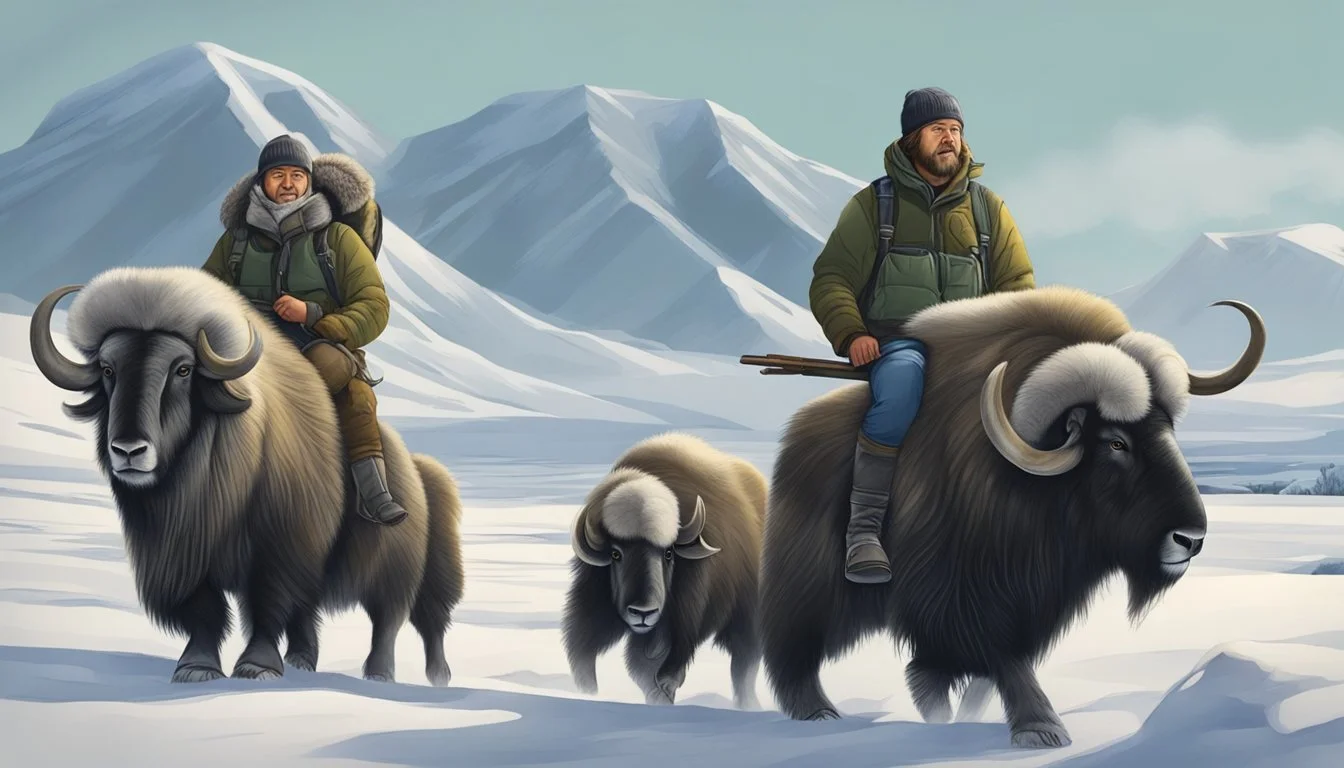
The vast, unforgiving landscapes of the Arctic have long been home to resilient indigenous cultures, among them the Yupik people of Alaska. For millennia, their survival has been intricately linked to the land and its wildlife. One such animal, the magnificent muskox (Ovibos moschus), holds a unique and profound place in Yupik subsistence, culture, and tradition. Understanding Yupik muskox hunting practices offers a window into a way of life deeply rooted in respect, knowledge, and sustainability.
This comprehensive guide delves into the historical context, cultural significance, traditional and modern hunting methods, and the crucial role of conservation in preserving both the muskox population and the Yupik way of life. We will explore how these practices have adapted over time while retaining their core values.
The Muskox: An Arctic Icon
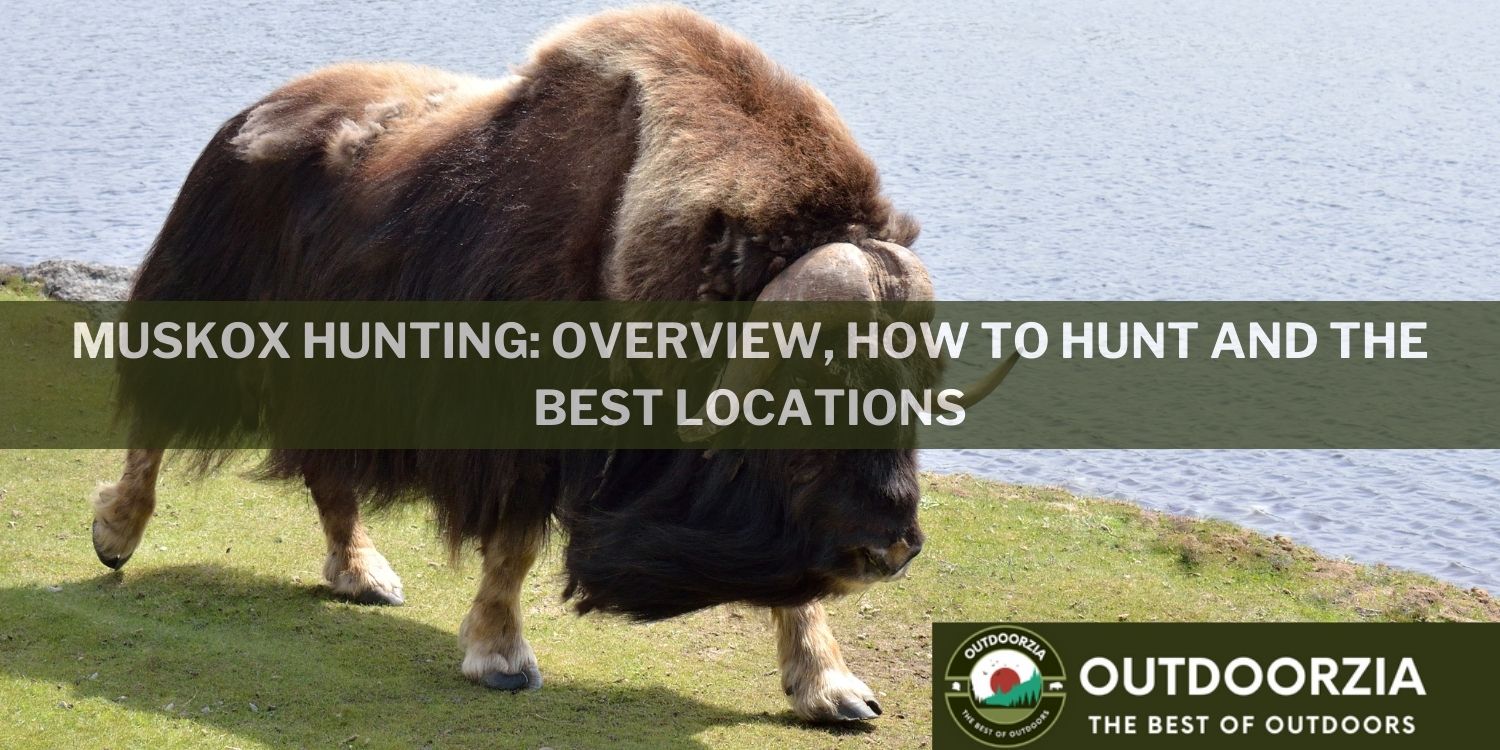
Before delving into hunting, it’s essential to understand the muskox itself. These shaggy, hoofed mammals are true survivors of the ice age, perfectly adapted to the harsh Arctic environment. Their dense, two-layered coat, including the incredibly warm underfur known as qiviut, provides insulation against extreme cold. Muskox are herd animals, typically found in groups, and are renowned for their unique defensive formation, where adults form a protective circle around calves when threatened.
Their diet consists primarily of grasses, willows, and other Arctic vegetation, which they graze even under deep snow. Their robust build and powerful shoulders allow them to forage effectively in challenging conditions. Understanding their behavior, particularly their defensive strategies, is paramount for any hunter, traditional or modern.
Historical Roots of Yupik Muskox Hunting
For countless generations, Yupik communities have relied on a diverse array of Arctic animals for survival, with muskox playing a significant, albeit sometimes intermittent, role depending on their local availability. Archaeological evidence suggests muskox were hunted by ancestral Yupik peoples whenever their ranges overlapped. These hunts were not merely about sustenance; they were interwoven with spiritual beliefs, community cohesion, and the transmission of vital ecological knowledge from one generation to the next.
The relationship was one of deep respect, where the spirit of the animal was honored, and every part of the harvest was utilized. Waste was not an option in the unforgiving Arctic. This ethos continues to underpin contemporary Yupik subsistence practices.
Cultural Significance and Utilization
The muskox provides far more than just food. It is a source of materials that enable life in the Arctic. Its meat is a vital protein source, particularly rich in nutrients essential for health in a challenging environment. The hide is used for warm clothing, bedding, and shelter, while bones and horns can be crafted into tools, utensils, and traditional art. The exquisite qiviut, a fiber eight times warmer than sheep’s wool, is highly prized for its softness and insulating properties, often used in intricate knitted garments.
Beyond the tangible, the muskox symbolizes resilience and community strength. Stories, songs, and dances often incorporate muskox imagery and lessons learned from observing their behavior, reinforcing cultural identity and connection to the land.
Traditional Yupik Hunting Methods
Historically, Yupik muskox hunting was a testament to ingenuity, patience, and profound knowledge of animal behavior. Hunters, often working in groups, would employ strategies designed to safely and effectively harvest these powerful animals. The muskox’s defensive circle, while formidable against predators like wolves, could sometimes be exploited by skilled human hunters.
Traditional methods included:
- Stalking and Ambush: Hunters would meticulously track herds, understanding their migratory patterns and preferred grazing areas. They would then approach downwind, using natural terrain for cover, to get within range.
- Group Drives: Sometimes, entire communities would participate in drives, carefully herding a portion of the muskox towards a natural trap or an area where hunters could effectively engage.
- Weaponry: Early tools included spears, bows and arrows, and atlatls (spear-throwers), requiring immense skill and close proximity to the animal. The focus was on precise, humane kills.
The success of these hunts depended heavily on collective effort, the wisdom of elders, and a deep understanding of the environment and the muskox’s senses.
Modern Adaptations and Tools
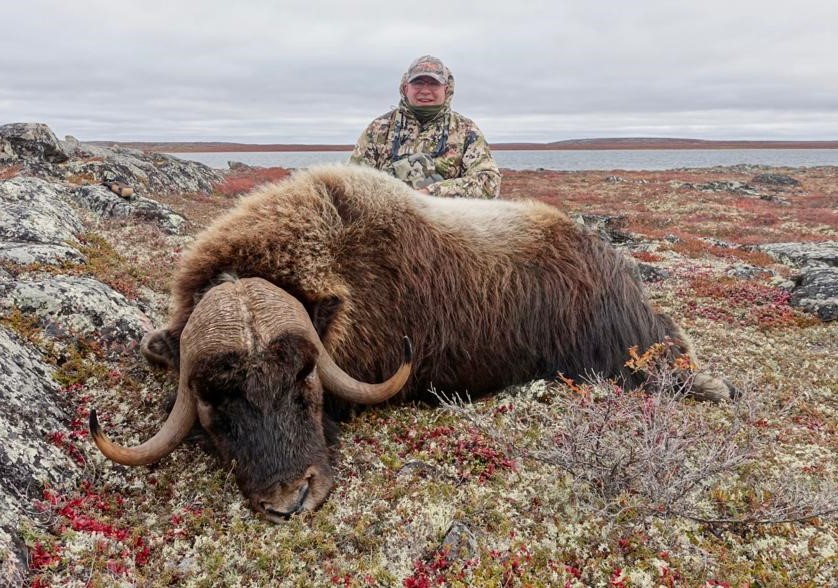
While the core values remain, modern Yupik muskox hunting has adapted with the advent of new technologies. Today, hunters often utilize:
- Rifles: High-powered rifles allow for safer, more precise, and more humane kills from a distance, reducing the risk to hunters.
- Snowmachines and ATVs: These vehicles aid in covering vast distances quickly, accessing remote hunting grounds, and transporting harvested animals back to communities. However, their use is often regulated to minimize disturbance to wildlife and the environment.
- GPS and Communication Devices: Modern navigation tools and satellite phones enhance safety and coordination during extended hunts in remote areas.
Despite these technological advancements, the fundamental principles of respect, sustainability, and the sharing of the harvest within the community endure. The hunt remains a deeply personal and culturally significant endeavor.
Are Muskox Dangerous to Hunt?
Yes, muskox can be dangerous animals to hunt, especially if proper precautions and respect are not maintained. While they are generally not aggressive unless provoked, their large size, thick hide, and sharp horns make them formidable. Their instinct to form a defensive circle means they are not prone to fleeing like deer, but rather stand their ground. Approaching a muskox herd without care, particularly one with calves, can be risky. Modern hunting practices, using rifles from a safe distance, significantly mitigate these dangers compared to traditional close-quarters methods.
Sustainability and Conservation Efforts
Yupik hunting practices are inherently tied to principles of sustainability. Traditional ecological knowledge emphasizes living in harmony with the land and ensuring resources for future generations. Today, this traditional wisdom is often integrated with modern wildlife management strategies.
Muskox populations in Alaska are carefully monitored by state and federal agencies, often in collaboration with indigenous communities. Hunting quotas, seasons, and designated hunting areas are established to ensure healthy and stable populations. Subsistence hunting, which is a right for Alaska Natives, is managed to prioritize local needs while maintaining ecological balance.
Challenges and the Future of Muskox Hunting
The Arctic is undergoing rapid changes, and these pose new challenges for muskox populations and hunting practices. Climate change, with its impacts on ice conditions, vegetation, and weather patterns, can affect muskox health, distribution, and access for hunters.
Increased industrial activity in the Arctic and evolving regulatory landscapes also present complexities. The ongoing effort involves balancing traditional subsistence rights with conservation mandates, ensuring the long-term viability of muskox and the cultural practices they support.
Processing the Harvest: From Field to Feast
Once a muskox is harvested, the work is far from over. Field dressing is done quickly and efficiently to preserve the meat in the cold Arctic air. The animal is then transported back to the community, often requiring significant effort given its size and weight. The entire process, from butchering to hide preparation, is a community affair, with knowledge passed down through generations.
Every part of the animal is utilized. The meat is butchered for immediate consumption or preserved through drying, freezing, or smoking. The hide is carefully scraped, tanned, and prepared for clothing or other uses. The qiviut is meticulously separated and prepared for spinning. This comprehensive utilization reflects the deep respect for the animal and the harsh realities of Arctic life where nothing can be wasted.
What Do Yupik People Use Muskox For?
Yupik people use muskox for a wide array of purposes, reflecting its critical role in their subsistence economy and cultural life. The primary uses include:
- Food: The meat is a highly valued source of protein and essential nutrients.
- Clothing and Bedding: The thick hide and especially the soft, warm qiviut underfur are used to make incredibly warm garments, blankets, and sleeping bags.
- Tools and Utensils: Bones and horns can be fashioned into various tools, handles, and containers.
- Art and Craft: Horns and bones are also used for traditional carvings and decorative items.
- Cultural Identity: Muskox are integral to stories, traditions, and the transmission of intergenerational knowledge about living sustainably in the Arctic.
Is Muskox Hunting Legal?
Yes, muskox hunting is legal in specific regions of Alaska and Canada, including areas where Yupik communities reside, subject to strict regulations and permits. These regulations are put in place by wildlife management agencies (like the Alaska Department of Fish and Game) to ensure sustainable populations and ethical hunting practices. For Alaska Natives, subsistence hunting rights are protected, allowing them to harvest muskox for food, clothing, and other traditional uses, often under specific community-based harvest plans.
How Do Muskox Defend Themselves?
Muskox primarily defend themselves by forming a defensive circle or ‘phalanx’ when threatened. Adults face outwards, presenting a wall of horns and thick bodies, protecting the calves who are typically positioned safely in the center. This formation is highly effective against natural predators like wolves. They also possess powerful charges and sharp horns, making them dangerous if an individual feels cornered or directly attacked. Understanding this defensive behavior is crucial for hunters to ensure safety and ethical engagement.
The practice of Yupik muskox hunting is a vibrant testament to human adaptation, cultural resilience, and a profound connection to the natural world. It is a system built on centuries of accumulated wisdom, passed down through generations, emphasizing respect for the animal and the sustainable use of resources.
From traditional stalking techniques to modern conservation partnerships, Yupik hunters continue to navigate the complexities of their environment, ensuring that the muskox remains a vital part of their heritage and future. This ongoing stewardship highlights a deep understanding that the well-being of the community is inextricably linked to the health of the Arctic ecosystem and its iconic inhabitants.


