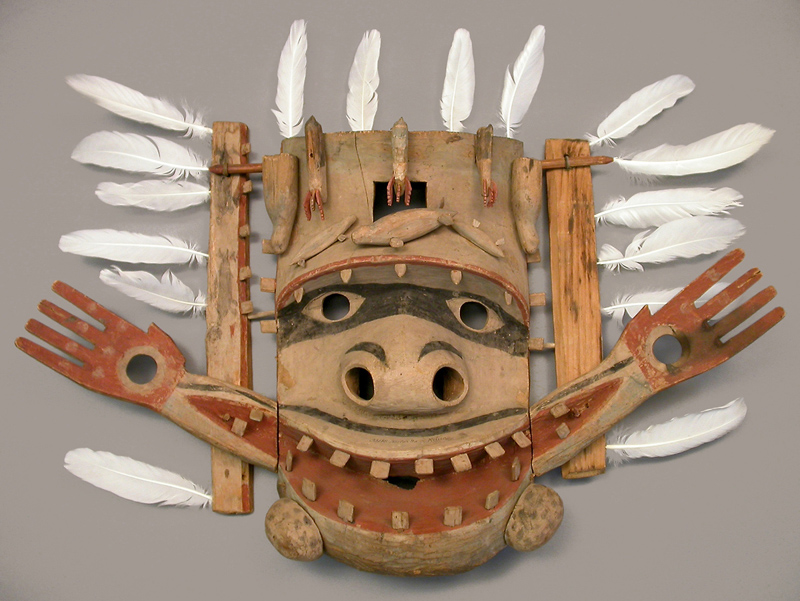

Yupik mask carving workshops offer a unique opportunity to connect with a vibrant and ancient culture. These workshops provide hands-on experience in creating traditional Yupik masks, while also teaching participants about the history, symbolism, and cultural significance of these powerful objects. This article will explore the world of Yupik mask carving workshops, answering common questions and providing insights into this fascinating art form.
The Cultural Significance of Yupik Masks
Yupik masks are far more than just decorative objects; they are integral to the spiritual and ceremonial life of the Yupik people of Alaska and Siberia. Traditionally, these masks were used in dances and rituals to connect with the spirit world, honor ancestors, and ensure successful hunts. Each mask tells a story, embodying specific spirits, animals, or events. The carvers themselves held a revered position in the community, as their ability to create these powerful objects was seen as a gift from the spirit world. Understanding this profound cultural context is essential before embarking on a mask carving journey.
- Storytelling: Masks visually represent narratives and legends.
- Spiritual Connection: They facilitate communication with spirits and ancestors.
- Community Healing: Masks are used in ceremonies to restore balance and well-being.
- Hunting Success: Some masks are created to ensure bountiful harvests and successful hunts.
What to Expect in a Yupik Mask Carving Workshop
A typical Yupik mask carving workshop provides a comprehensive introduction to the art form, covering everything from the selection of materials to the finishing touches. Participants can expect to learn about the different types of masks, the meanings behind various symbols, and the traditional techniques used in carving and painting. Workshops are often led by experienced Yupik artists who are passionate about sharing their knowledge and cultural heritage.

- Introduction to Yupik Culture: A presentation on the history, beliefs, and artistic traditions of the Yupik people.
- Material Selection: Guidance on choosing the right types of wood (often driftwood or cedar), paints, and other materials.
- Design and Sketching: Learning how to develop a design based on traditional motifs or personal inspiration.
- Carving Techniques: Hands-on instruction in using carving tools to shape the mask.
- Painting and Finishing: Applying paints and other decorative elements to bring the mask to life.
- Cultural Protocols: Understanding the proper way to handle and care for a mask.
Choosing the Right Workshop
- Instructor Experience: Look for workshops led by reputable Yupik artists with a strong understanding of the cultural significance of the masks.
- Workshop Size: Smaller workshops often provide more personalized attention.
- Location: Some workshops are held in Alaska, offering an immersive cultural experience. Others may be available in other parts of the world.
- Materials Provided: Check whether the workshop provides all necessary materials or if you need to bring your own.
- Skill Level: Some workshops are designed for beginners, while others cater to more experienced carvers.
Commonly Asked Questions About Yupik Mask Carving Workshops
What are Yupik masks made of?
Traditionally, Yupik masks are made from driftwood, cedar, or other types of wood found in the Alaskan and Siberian regions. Natural pigments derived from plants, minerals, and berries are used for painting. Feathers, fur, and other natural materials are often added for decoration.
What do the symbols on Yupik masks mean?
- Circles: Represent the universe or the cyclical nature of life.
- Spirals: Symbolize transformation and spiritual journeys.
- Animal Representations: Each animal embodies specific qualities, such as the strength of the bear or the agility of the seal.
- Human Faces: Represent ancestors or spirits.
How long does it take to carve a Yupik mask?


The time required to carve a Yupik mask varies depending on the size, complexity, and the carver’s skill level. A simple mask might take a few days to complete, while a more elaborate one could take weeks or even months.
Can I display my Yupik mask at home?
Yes, you can display your Yupik mask at home, but it’s important to do so with respect and understanding. Consider the cultural significance of the mask and treat it as a sacred object. Avoid placing it in areas where it could be damaged or disrespected.
Are there any ethical considerations when participating in a Yupik mask carving workshop?
Yes, it’s crucial to approach Yupik mask carving with respect and sensitivity. Choose workshops that are led by Yupik artists and that prioritize cultural preservation. Avoid appropriating Yupik designs or claiming cultural knowledge that you do not possess. Be mindful of the spiritual significance of the masks and treat them with reverence.
The Tools and Materials Used in Yupik Mask Carving
The tools and materials used in Yupik mask carving have evolved over time, but the fundamental principles remain the same. Traditionally, carvers used hand tools made from stone, bone, and antler. Today, many carvers also use modern tools, such as chisels, gouges, and power carving tools. However, the emphasis remains on craftsmanship and attention to detail.
- Wood: Driftwood, cedar, or other softwoods.
- Carving Tools: Chisels, gouges, knives, and saws.
- Paints: Acrylic paints, natural pigments, or dyes.
- Brushes: Various sizes for applying paint and details.
- Sandpaper: For smoothing the surface of the wood.
- Finishing Materials: Varnish, sealant, or wax.
- Decorative Elements: Feathers, fur, beads, and other natural materials.
Beyond the Workshop: Continuing Your Yupik Mask Carving Journey
- Further Study: Research Yupik history, art, and spirituality.
- Practice: Continue carving and experimenting with different techniques.
- Connect with Artists: Seek out opportunities to learn from experienced Yupik carvers.
- Support Yupik Art: Purchase masks and other artwork from Yupik artists and organizations.
- Share Your Knowledge: Educate others about Yupik culture and art.
The Therapeutic Benefits of Mask Carving
Beyond its cultural significance, mask carving can also be a therapeutic and meditative practice. The act of shaping wood, focusing on details, and connecting with the creative process can be deeply grounding and calming. Mask carving can also provide a sense of accomplishment and pride, as you create a tangible representation of your inner vision.
- Stress Reduction: The repetitive motions of carving can be soothing and relaxing.
- Mindfulness: Focusing on the present moment and the task at hand.
- Creativity: Expressing your inner self through art.
- Self-Esteem: Building confidence and a sense of accomplishment.
- Cultural Connection: Connecting with a rich and meaningful tradition.
Preserving Yupik Culture Through Art
Yupik mask carving workshops play a vital role in preserving Yupik culture and passing on traditional knowledge to future generations. By participating in these workshops, you are not only learning a new skill but also contributing to the survival of a vibrant and ancient culture. Your support helps to ensure that Yupik art and traditions continue to thrive for years to come.
- Knowledge Transmission: Experienced artists share their skills and knowledge with participants.
- Cultural Awareness: Workshops educate participants about Yupik history, beliefs, and values.
- Economic Support: Workshops provide income for Yupik artists and communities.
- Artistic Innovation: Workshops encourage creativity and experimentation, ensuring that Yupik art continues to evolve.
Finding Yupik Mask Carving Workshops Near You
While the most immersive experience might involve traveling to Alaska, Yupik mask carving workshops are increasingly available in other locations. Online resources and cultural centers can help you find workshops near you.
- Online Search Engines: Use keywords such as “Yupik mask carving workshop” or “Native American art workshops.”
- Cultural Centers: Contact local cultural centers and museums that focus on Native American art.
- Art Schools: Check with art schools and community colleges for workshops and classes.
- Yupik Organizations: Reach out to Yupik cultural organizations for information on workshops and events.
Conclusion: Embark on Your Yupik Mask Carving Adventure
Yupik mask carving workshops offer a unique and rewarding experience for anyone interested in art, culture, and spirituality. By participating in these workshops, you can learn about the rich history and traditions of the Yupik people, develop new skills, and connect with your own creativity. Whether you are a seasoned artist or a complete beginner, a Yupik mask carving workshop can be a transformative journey. Embrace the opportunity to unmask tradition and discover the power of Yupik art.
- Yupik masks are deeply significant cultural and spiritual objects.
- Workshops provide hands-on experience in carving and painting masks.
- Learning about Yupik culture is essential for ethical participation.
- Mask carving can be a therapeutic and meditative practice.
- Workshops contribute to the preservation of Yupik culture.


