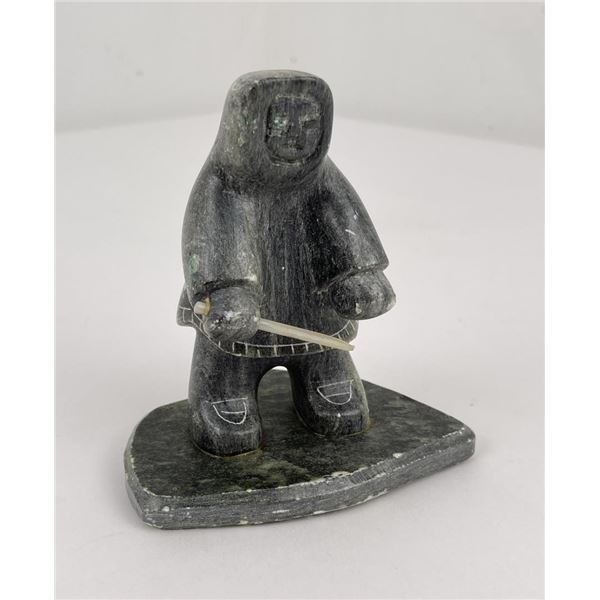

Eskimo art, also known as Inuit art, represents a rich tapestry of cultural expression from the indigenous peoples of the Arctic regions. From intricate carvings in ivory and stone to vibrant prints and textiles, these artworks offer profound insights into the Inuit way of life, their spiritual beliefs, and their deep connection to the natural world. Understanding the Eskimo art market requires appreciating its historical context, artistic techniques, and the various factors that influence its value.
The Eskimo art market encompasses a wide range of artistic creations, reflecting the diverse traditions of Inuit communities across Alaska, Canada, Greenland, and Russia. These artworks serve not only as aesthetic objects but also as vital cultural documents, preserving and transmitting ancestral knowledge across generations. As interest in indigenous art continues to grow globally, the Eskimo art market presents unique opportunities for collectors, investors, and cultural enthusiasts alike.
Understanding the Eskimo Art Market
The Eskimo art market is a complex ecosystem influenced by a variety of factors, including the artist’s reputation, the rarity and quality of the artwork, the cultural significance of the subject matter, and the overall demand from collectors and institutions. Navigating this market effectively requires a keen understanding of its dynamics and a discerning eye for authentic and high-quality pieces.
Historical Context and Evolution
Eskimo art has a long and storied history, dating back thousands of years. Traditionally, Inuit art served primarily functional and spiritual purposes, with objects such as hunting tools, clothing, and ceremonial masks adorned with intricate carvings and designs. As contact with the outside world increased, Inuit artists began to create artworks specifically for sale, adapting their traditional techniques and themes to appeal to a broader audience.
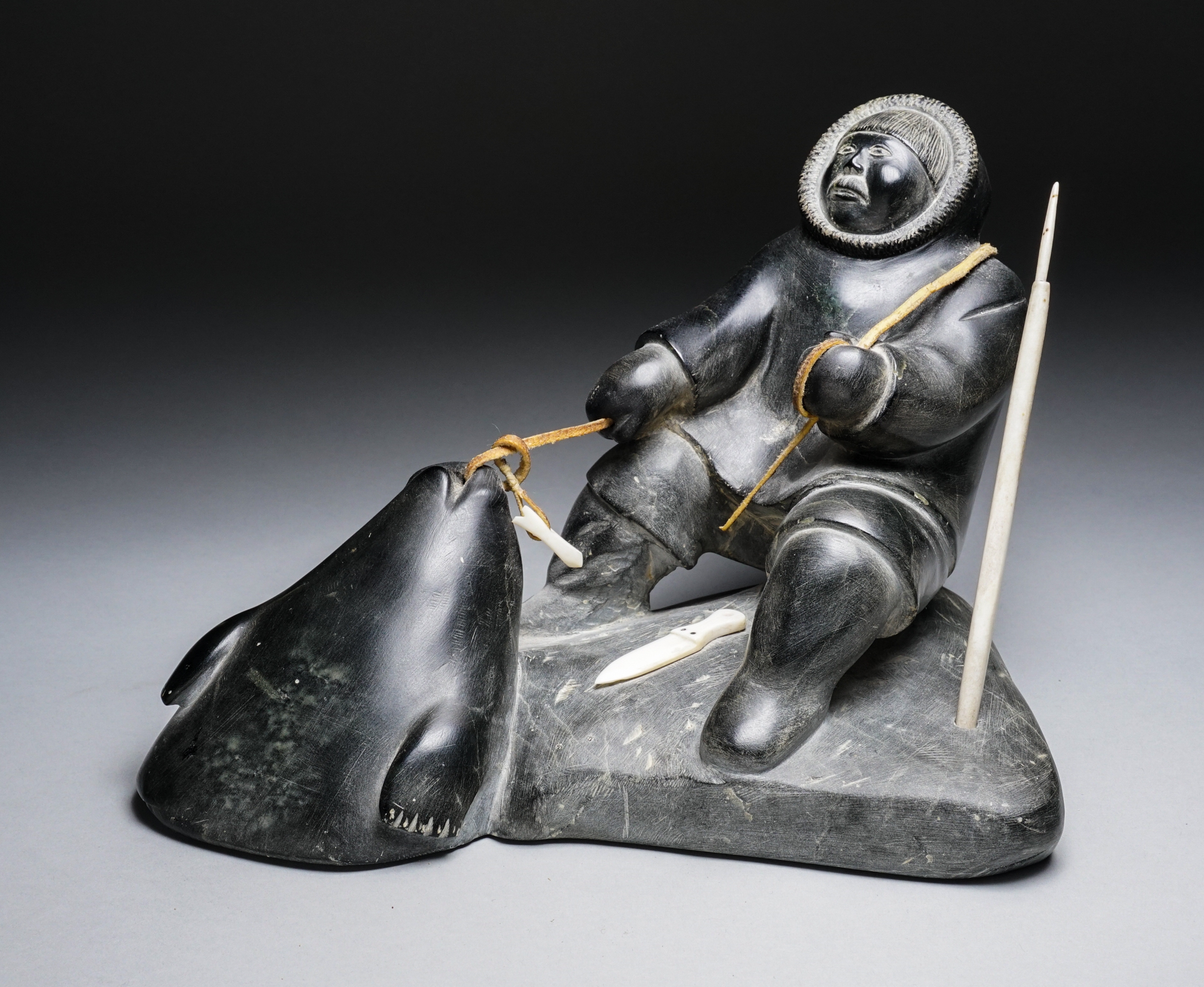

The mid-20th century marked a turning point for the Eskimo art market, with the establishment of cooperatives and government-sponsored programs aimed at promoting and supporting Inuit artists. This led to a surge in the production and distribution of Inuit art, as well as increased recognition of its artistic merit on a national and international scale. Today, the Eskimo art market continues to evolve, with contemporary Inuit artists pushing the boundaries of traditional techniques and exploring new forms of creative expression.
Key Types of Eskimo Art
- Carvings: Inuit carvings are typically made from materials such as ivory, bone, stone, and wood, and often depict animals, human figures, and scenes from daily life.
- Prints: Inuit prints are created using a variety of techniques, including stonecut, stencil, and lithography, and often feature bold colors and graphic designs.
- Textiles: Inuit textiles include clothing, wall hangings, and other decorative items made from materials such as sealskin, caribou hide, and wool.
- Sculptures: Inuit sculptures can be made from a variety of materials, including stone, bone, and metal, and often depict abstract or symbolic forms.
Factors Influencing Market Value
- Artist’s Reputation: Works by well-known and respected Inuit artists command higher prices than those by lesser-known artists.
- Rarity and Quality: Rare and high-quality pieces are generally more valuable than common or poorly executed works.
- Cultural Significance: Artworks that depict important cultural themes or stories are often more highly valued.
- Provenance: The history of ownership and authenticity of an artwork can also affect its value.
- Market Demand: Overall demand from collectors and institutions plays a significant role in determining market prices.
Assessing the Value of Eskimo Art
Determining the value of Eskimo art requires careful consideration of various factors, including the artwork’s condition, provenance, artistic merit, and cultural significance. Consulting with experienced appraisers, art dealers, and Inuit art experts is essential for obtaining an accurate and reliable valuation.
Condition and Authenticity
The condition of an artwork is a crucial factor in determining its value. Damage, repairs, or alterations can significantly diminish the value of a piece. Similarly, verifying the authenticity of an artwork is essential to ensure that it is a genuine Inuit creation and not a fake or reproduction. Provenance research, expert opinions, and scientific testing can help establish the authenticity of an artwork.


Provenance and History
The provenance, or history of ownership, of an artwork can also affect its value. Artworks with a well-documented provenance, particularly those that have been exhibited in museums or featured in publications, are generally more highly valued. Tracing the ownership history of an artwork can provide valuable insights into its cultural significance and artistic merit.
Appraisals and Expert Opinions
Obtaining a professional appraisal from a qualified appraiser is essential for determining the fair market value of Eskimo art. Appraisers consider various factors, including the artwork’s condition, authenticity, provenance, and market demand, to arrive at an objective and unbiased valuation. Consulting with Inuit art experts, such as art dealers, curators, and scholars, can also provide valuable insights into the artwork’s cultural significance and artistic merit.
Investing in Eskimo Art
Investing in Eskimo art can be a rewarding experience, both financially and culturally. However, it is essential to approach the market with caution and to conduct thorough research before making any investment decisions. Understanding the risks and rewards associated with investing in Inuit art is crucial for building a successful and sustainable collection.
Risks and Rewards
Like any investment, investing in Eskimo art involves certain risks. Market fluctuations, changes in taste, and the discovery of fakes or forgeries can all impact the value of an artwork. However, the potential rewards can be significant, particularly for rare and high-quality pieces that appreciate in value over time. Investing in Inuit art can also provide a sense of cultural enrichment and personal satisfaction.
Building a Collection
Building a collection of Eskimo art requires careful planning and research. Start by defining your collecting goals and interests, whether it be focusing on a particular type of art, artist, or region. Visit museums, galleries, and art fairs to familiarize yourself with the market and to develop your eye for quality. Seek advice from experienced collectors, art dealers, and Inuit art experts to help guide your collecting decisions.
Where to Buy and Sell
Eskimo art can be bought and sold through a variety of channels, including art galleries, auction houses, online marketplaces, and private dealers. When buying or selling Inuit art, it is essential to work with reputable and knowledgeable professionals who can provide guidance and support. Researching the reputation and expertise of potential dealers or auction houses is crucial for ensuring a smooth and successful transaction.
Contemporary Trends in the Eskimo Art Market
The Eskimo art market is constantly evolving, with new trends and developments emerging all the time. Contemporary Inuit artists are pushing the boundaries of traditional techniques and exploring new forms of creative expression, reflecting the changing realities of Inuit life and culture. Staying abreast of these trends is essential for collectors, investors, and anyone interested in the future of Eskimo art.
Emerging Artists and New Mediums
The Eskimo art market is seeing a surge of interest in emerging artists who are experimenting with new mediums and techniques. These artists are often inspired by their cultural heritage but also incorporate contemporary influences and perspectives into their work. Exploring the work of emerging Inuit artists can provide a glimpse into the future of Eskimo art and offer opportunities to acquire valuable pieces at relatively affordable prices.
The Impact of Social Media and Online Platforms
Social media and online platforms have had a profound impact on the Eskimo art market, making it easier for artists to connect with collectors and for collectors to discover new artworks. Online marketplaces and social media channels provide a global platform for Inuit artists to showcase their work and to reach a wider audience. However, it is essential to exercise caution when buying or selling Inuit art online, as the risk of fraud and misrepresentation is higher.
Preserving and Promoting Eskimo Art
Preserving and promoting Eskimo art is essential for safeguarding Inuit cultural heritage and for ensuring that future generations can appreciate and learn from these artistic traditions. Museums, cultural centers, and educational institutions play a vital role in preserving and promoting Inuit art, through exhibitions, research, and educational programs.
The Role of Museums and Cultural Institutions
Museums and cultural institutions are essential for preserving and promoting Eskimo art. These institutions collect, preserve, and exhibit Inuit artworks, providing access to these cultural treasures for the public. Museums also conduct research on Inuit art and culture, contributing to a deeper understanding of these artistic traditions.
Supporting Inuit Artists and Communities
Supporting Inuit artists and communities is crucial for the long-term sustainability of the Eskimo art market. Buying directly from Inuit artists or through Inuit-owned cooperatives helps ensure that artists receive fair compensation for their work and that the economic benefits of the art market flow back into Inuit communities. Supporting educational programs and cultural initiatives that promote Inuit art and culture is also essential for fostering a vibrant and thriving artistic community.
Conclusion
The Eskimo art market offers a fascinating glimpse into the rich cultural heritage of the Inuit people. Understanding the historical context, artistic techniques, and market dynamics is crucial for collectors, investors, and anyone interested in appreciating and supporting Inuit art. By approaching the market with knowledge, respect, and a commitment to ethical practices, we can help ensure that these artistic traditions continue to thrive for generations to come.
- Eskimo art reflects the cultural heritage of Inuit people.
- Market value is influenced by artist reputation, rarity, and cultural significance.
- Investing in Inuit art requires careful research and due diligence.
- Contemporary trends are shaping the future of the market.
- Supporting Inuit artists and communities is essential.


