
The vibrant and intricate world of Yupik dance regalia offers a profound window into the rich cultural heritage of the Yup’ik people of Alaska. Far more than mere costumes, these ceremonial garments and accessories are living expressions of identity, spirituality, and connection to the natural world. Each piece tells a story, embodies a spirit, and plays a crucial role in traditional performances that have been central to Yup’ik life for millennia.
Understanding Yupik dance regalia requires an appreciation for the Yup’ik worldview, where the seen and unseen realms are deeply intertwined. Dance, or Yuraq, is not just entertainment but a sacred practice, a form of communication with ancestors, spirits, and the environment. The regalia worn during these dances amplifies this connection, transforming the dancer into a conduit for ancient narratives and spiritual energies.
The Yup’ik people, primarily inhabiting southwestern Alaska, have developed a distinct and sophisticated artistic tradition. Their art, particularly in the realm of dance regalia, reflects a deep understanding of their environment, its creatures, and the spiritual forces that govern existence. This article will delve into the various components of Yupik dance regalia, exploring their materials, symbolism, and enduring significance.
The Heart of the Performance: Yup’ik Masks (Kegginaquq)
Perhaps the most iconic element of Yupik dance regalia are the masks, known as kegginaquq. These carved wooden masterpieces are not simply decorative; they are transformative objects designed to represent spirits (yua) of animals, people, or natural phenomena. Each mask is unique, often featuring exaggerated features, intricate carvings, and sometimes movable parts.
Yup’ik masks are typically carved from driftwood, spruce, or cottonwood by skilled artisans. They are frequently adorned with a variety of materials, including:
- Feathers: Often from birds like geese, swans, or eagles, symbolizing flight, freedom, or specific bird spirits.
- Animal fur: Such as caribou, seal, or wolverine, connecting the mask to the animal world.
- Dentalium shells: Valued for their beauty and used as decorative elements.
- Puffin beaks: Used for their vibrant color and unique texture, particularly in certain regional styles.
- Paint: Traditional pigments derived from minerals and natural sources, used to highlight features and add symbolic colors like red, black, and white.
The symbolism embedded in each mask is profound. A mask might depict a human face transforming into an animal, or an animal spirit interacting with the human world. They often embody specific narratives, ancestral stories, or spiritual journeys, making them vital tools for storytelling during dances. The carver’s vision and the dancer’s interpretation combine to bring these spirits to life.
Adornments and Attire: Enhancing the Dancer’s Presence
Beyond the masks, other elements of Yupik dance regalia contribute significantly to the overall presentation and spiritual impact. These include elaborate headwear, specialized clothing, and handheld instruments.
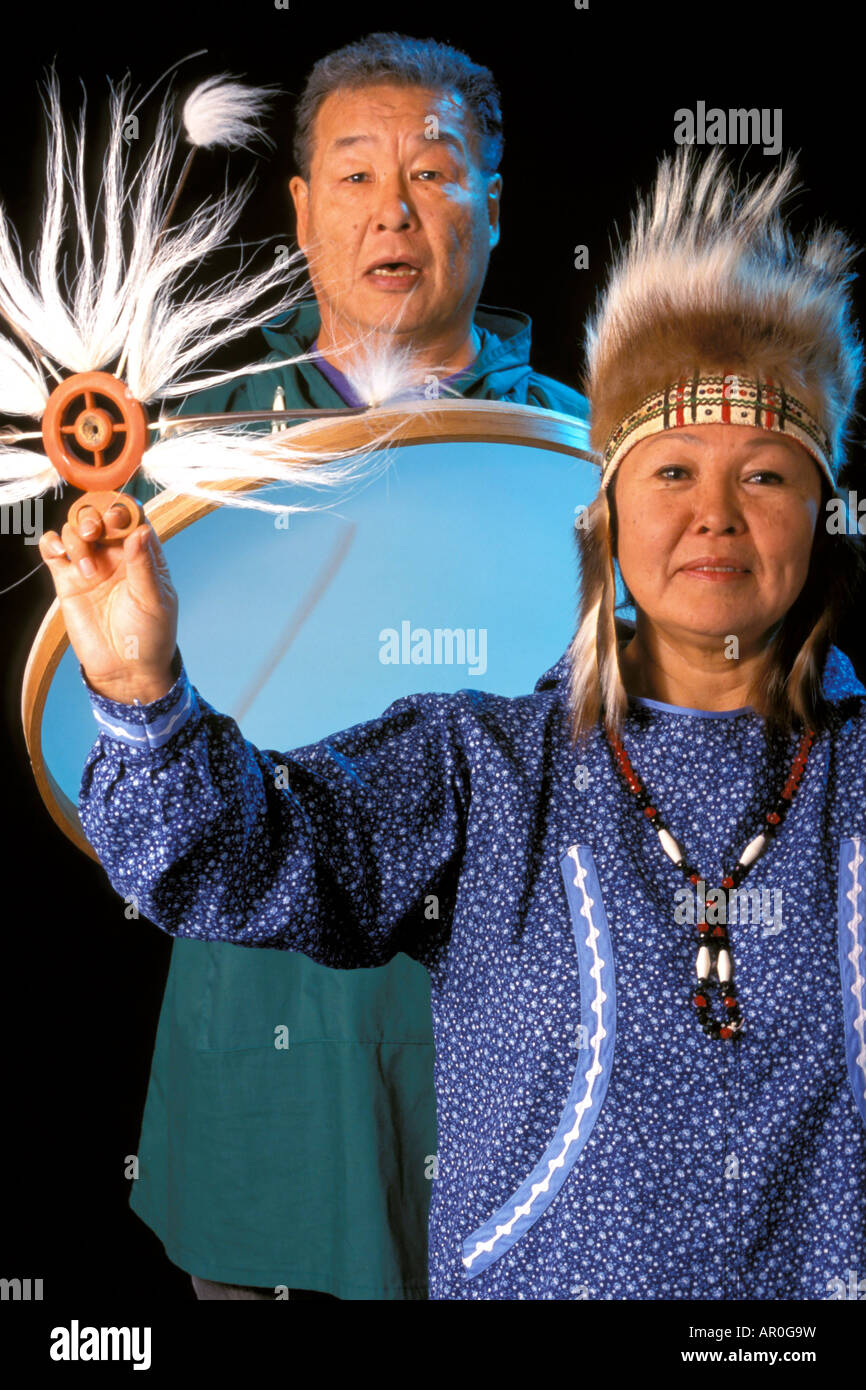
Headwear often consists of intricately beaded headbands, sometimes featuring carved wooden elements or feathers. These pieces frame the dancer’s face, drawing attention to their expressions and the mask itself. The choice of beads and patterns often carries symbolic meaning, reflecting clan identity or spiritual affiliations.
Traditional clothing for Yupik dancers typically includes tunics or parkas made from animal hides, such as caribou or seal. These garments are often embellished with intricate beadwork, embroidery, and fringe. The texture and movement of these natural materials add to the dynamic visual appeal of the dance.
In some regions, parkas made from gut skin (from seals or walrus) were also used, prized for their waterproof qualities and unique translucent appearance. These garments were not only functional but also beautifully decorated, reflecting the resourcefulness and artistic talent of the Yup’ik people.
Handheld Elements: Finger Masks, Rattles, and Drums
Dancers frequently employ various handheld items that complement their regalia and enhance their performance. Finger masks, or tegumiaq, are small, intricately carved wooden pieces worn on the fingers. These miniature masks often represent spirits or animals and move gracefully with the dancer’s hands, adding another layer of visual storytelling.
Rattles, made from various materials like puffin beaks, caribou dewclaws, or shells, provide rhythmic accompaniment to the dances. The sound of the rattles, combined with drumming and singing, creates an immersive sensory experience that transports both dancers and audience.

The Yup’ik drum, or cauyaq, is a fundamental instrument in Yup’ik dance. Made from a thin membrane (often seal stomach or bladder) stretched over a wooden frame, it produces a distinctive, resonant sound. The drummer, often positioned at the center of the performance, guides the rhythm and energy of the dance, making the drum an indispensable part of the regalia and ceremony.
The Craftsmanship: A Legacy of Skill and Knowledge
The creation of Yupik dance regalia is a meticulous and time-honored process, passed down through generations. Carving masks requires profound skill, vision, and an understanding of the wood’s properties. Similarly, sewing intricate beadwork and preparing animal hides for clothing demands patience and precision.
Artists often work collaboratively, with carvers specializing in masks, sewers in garments, and beadworkers in embellishments. This collaborative spirit underscores the communal nature of Yup’ik art and culture. Each piece is infused with the artist’s spirit and respect for the materials, reflecting a deep connection to their ancestral practices.
The materials themselves are carefully chosen and prepared. Animal hides are tanned and softened, feathers are gathered and cleaned, and wood is selected for its quality and workability. This sustainable approach to resource utilization is a testament to the Yup’ik people’s harmonious relationship with their environment.
Symbolism and Spiritual Significance
Every aspect of Yupik dance regalia is imbued with symbolism. The choice of animal spirits depicted in masks often relates to the Yup’ik hunting and gathering lifestyle, reflecting respect for the animals that sustain them. Transformation is a recurring theme, illustrating the fluidity between human and animal worlds, and the cyclical nature of life and death.
Colors used in painting and beadwork also carry meaning: black often represents the earth or the spiritual realm; white, snow or purity; and red, lifeblood or vibrancy. Patterns in beadwork can represent landscapes, constellations, or clan symbols, further enriching the visual narrative.
The act of wearing the regalia is itself a transformative experience. Dancers embody the spirits they represent, allowing them to communicate ancient wisdom, heal, or celebrate significant life events. The regalia helps bridge the gap between the physical world and the spiritual dimension, making the dance a powerful ritual.
Yupik Dance in Ceremonies and Contemporary Life
Historically, Yupik dances were central to various ceremonies, such as the Messenger Feast (an inter-village exchange of gifts and dances) and the Bladder Festival (a ceremony honoring the spirits of hunted animals). During these events, the regalia played a vital role in connecting participants to their spiritual beliefs and community bonds.
Today, Yupik dance continues to be a vibrant part of cultural life. While some traditional ceremonies have evolved, performances in community centers, schools, and cultural festivals keep the tradition alive. Dancers, often young people, proudly wear regalia made by their elders or by themselves, ensuring the continuity of this profound art form.
Contemporary Yup’ik artists and cultural practitioners are actively engaged in revitalizing and preserving the art of regalia making. Workshops teach younger generations carving, sewing, and drumming techniques, ensuring that the knowledge and skills are passed on. This dedication helps to maintain the integrity and authenticity of Yupik cultural expressions.
Preservation and the Future of Yupik Regalia
The preservation of Yupik dance regalia is a critical aspect of safeguarding Yup’ik cultural heritage. Museums and cultural institutions worldwide house significant collections, but the most vital preservation efforts occur within Yup’ik communities themselves. Elders serve as invaluable knowledge keepers, sharing stories, techniques, and the deeper meanings behind each piece.
Initiatives focusing on cultural education and artistic mentorship are key to ensuring that future generations understand and appreciate the significance of their ancestral regalia. These programs empower young Yup’ik people to become creators and carriers of their traditions, reinforcing cultural pride and identity.
The global recognition of Indigenous art forms has also brought increased attention to Yupik regalia, fostering a greater appreciation for its artistic merit and cultural depth. This recognition helps support artists and communities in their efforts to sustain these living traditions.
In conclusion, Yupik dance regalia is a profound testament to the artistic ingenuity, spiritual depth, and cultural resilience of the Yup’ik people. Each mask, garment, and adornment is a carefully crafted artifact, rich with symbolism and history, that comes alive in the context of dance.
These pieces are not static objects but dynamic expressions of a living culture, connecting dancers to their ancestors, their environment, and the spiritual world. As Yup’ik communities continue to preserve and revitalize these traditions, the vibrant legacy of Yupik dance regalia will undoubtedly continue to inspire and educate for generations to come.


