
The Yupik people, indigenous to western and southwestern Alaska and the Russian Far East, possess a rich cultural heritage deeply intertwined with their environment and spiritual beliefs. Central to their traditions are ceremonial dance masks, intricate and expressive objects that serve as conduits between the human and spirit worlds. These masks are not merely decorative; they are powerful tools used in rituals, storytelling, and celebrations, embodying the Yupik worldview and connection to their ancestors.
Understanding Yupik ceremonial dance masks requires delving into the history, craftsmanship, and symbolism embedded within each piece. This exploration reveals a profound understanding of the Yupik relationship with nature, their spiritual cosmology, and the vital role of art in preserving and transmitting cultural knowledge.
What are Yupik Ceremonial Dance Masks?
Yupik ceremonial dance masks, known as agayuq or agayut in the Yupik language, are elaborate creations used in dances and ceremonies. These masks are traditionally made from wood, often driftwood, and adorned with feathers, animal fur, bones, and other natural materials. Each mask is unique, reflecting the vision of the mask maker (tungatquq) and the specific spirit or story it represents.
Unlike masks in some other cultures that conceal the wearer’s identity, Yupik dance masks often enhance the dancer’s presence, transforming them into a vessel for the spirit being portrayed. The masks are not simply representations; they are believed to embody the spirit itself, allowing the dancer to connect with and channel its power.
The History and Evolution of Yupik Masks
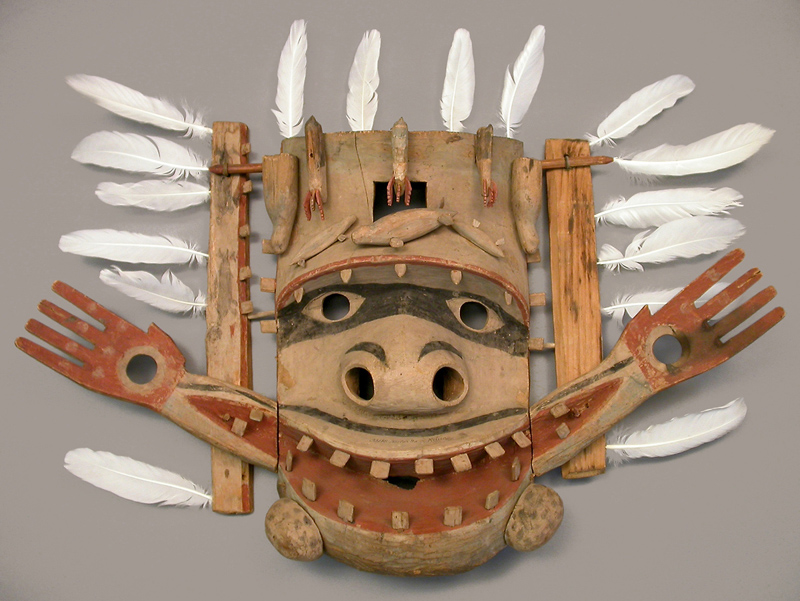

The history of Yupik mask-making stretches back centuries, with archaeological evidence suggesting the practice has existed for over two thousand years. Early masks were likely simpler in design, evolving over time to become the elaborate and expressive forms we see today. Contact with Western cultures in the 19th and 20th centuries brought changes to Yupik society, but the tradition of mask-making has persisted, adapting to new influences while retaining its core spiritual significance.
Historically, mask-making was a sacred and specialized craft. The mask maker was often a respected member of the community, possessing not only artistic skill but also deep spiritual knowledge. The process of creating a mask was often accompanied by rituals and prayers, ensuring the mask’s power and effectiveness.
The Materials and Craftsmanship of Yupik Masks
Yupik masks are crafted from a variety of natural materials, each chosen for its symbolic and practical qualities. Wood, typically driftwood or spruce, forms the base of the mask. Feathers, particularly those of eagles, ravens, and seabirds, are used for decoration, representing different aspects of the spirit world. Animal fur, bones, and sinew add texture and detail, connecting the mask to the animal spirits that play a vital role in Yupik cosmology.
The craftsmanship involved in creating a Yupik mask is meticulous and time-consuming. The wood is carefully carved and shaped, often using traditional tools. The various elements are then attached using natural adhesives, such as fish glue or sinew. The mask is painted with natural pigments, derived from plants, minerals, and berries, each color holding specific symbolic meaning.
The Symbolism Embedded in Yupik Masks
Yupik masks are rich in symbolism, with each element conveying specific meanings and narratives. The shapes, colors, and materials used in the masks all contribute to the overall message, communicating stories, beliefs, and values.
Animal Representations: Animals play a central role in Yupik culture and are frequently depicted in masks. Each animal represents specific qualities or powers. For example, the seal symbolizes resourcefulness and adaptability, while the raven is often depicted as a trickster figure, representing change and transformation.
Geometric Patterns: Geometric patterns, such as circles, spirals, and lines, are common motifs in Yupik masks. Circles often represent the cyclical nature of life and the universe, while spirals symbolize growth and transformation. Lines can represent pathways, connections, or the flow of energy.

Colors: Colors also hold symbolic meaning. Black often represents the spirit world or the unknown, while white symbolizes purity and light. Red can represent life force or energy, and blue often symbolizes water or the sky.
The Role of Masks in Yupik Ceremonies and Dances
Yupik masks are integral to ceremonies and dances, which are central to Yupik cultural life. These events serve as a means of communication with the spirit world, honoring ancestors, and celebrating important events, such as hunts, harvests, and births.
During ceremonies, dancers wear the masks and perform specific movements and songs that tell stories or invoke the spirits represented by the masks. The dancers are not simply acting; they are believed to be transforming into the spirits themselves, allowing the community to connect with the spiritual realm.
The dances are often accompanied by drumming and chanting, creating a powerful and immersive experience. The masks, combined with the music and movement, create a vibrant and transformative atmosphere, reinforcing the community’s connection to its cultural heritage and spiritual beliefs.
What are some common themes represented in Yupik dance masks?
- Animal Spirits: Representations of animals like seals, bears, and ravens, each embodying specific traits and powers.
- Shamanic Visions: Masks depicting shamanic journeys and encounters with spirits.
- Ancestral Figures: Honoring and connecting with deceased ancestors.
- Creation Myths: Retelling stories of the world’s creation and the origins of the Yupik people.
- Hunting Success: Invoking the spirits to ensure successful hunts and plentiful resources.
The Impact of Western Contact on Yupik Mask-Making
Contact with Western cultures had a significant impact on Yupik society, including the tradition of mask-making. Missionaries discouraged traditional religious practices, leading to a decline in the creation and use of masks. However, the tradition persisted, albeit in modified forms.
In the 20th century, there was a revival of interest in Yupik culture and traditions, including mask-making. Artists began to create masks for sale to tourists and collectors, providing a source of income for communities and helping to preserve the tradition. However, this commercialization also raised concerns about the authenticity and cultural sensitivity of the masks.
Today, Yupik artists continue to create masks, balancing the need to preserve tradition with the demands of the modern world. Many artists are committed to creating authentic and culturally sensitive works, educating others about the significance of Yupik masks and promoting cultural understanding.
Where can I see Yupik masks on display?
- The Anchorage Museum at Rasmuson Center: Features a comprehensive collection of Alaskan Native art, including Yupik masks.
- The Smithsonian National Museum of Natural History: Houses a significant collection of Yupik artifacts, including masks collected during early expeditions.
- The University of Alaska Museum of the North: Showcases the art and culture of Alaska’s indigenous peoples.
- Local Cultural Centers in Alaska: Many villages and communities have their own cultural centers that display local art and artifacts.
The Contemporary Significance of Yupik Masks
Despite the challenges of modernization and cultural change, Yupik masks continue to hold deep significance for the Yupik people. They serve as a powerful symbol of cultural identity, connecting contemporary communities to their ancestors and traditions.
Yupik artists are using masks to explore contemporary issues, such as climate change, social justice, and cultural preservation. By incorporating these themes into their art, they are ensuring that Yupik masks remain relevant and meaningful for future generations.
The masks also play an important role in education, teaching young people about their cultural heritage and promoting cultural pride. Through the creation and use of masks, the Yupik people are ensuring that their traditions will continue to thrive for generations to come.
How are Yupik dance masks used in modern cultural preservation efforts?
- Cultural Education: Masks are used as educational tools to teach younger generations about Yupik history, traditions, and spiritual beliefs.
- Language Revitalization: The stories and symbolism embedded in the masks help to preserve and revitalize the Yupik language.
- Artistic Expression: Contemporary artists use mask-making as a way to express their cultural identity and address contemporary issues.
- Community Building: Mask-making workshops and performances bring communities together, fostering a sense of shared identity and pride.
- Tourism and Economic Development: The sale of authentic Yupik masks supports local artists and communities, contributing to economic sustainability.
Conclusion
Yupik ceremonial dance masks are far more than just artistic creations; they are powerful embodiments of Yupik culture, spirituality, and history. They serve as a bridge between the human and spirit worlds, connecting communities to their ancestors and traditions. The masks are rich in symbolism, reflecting the Yupik worldview and their deep connection to the natural environment.
Despite the challenges of modernization, the tradition of mask-making continues to thrive, playing a vital role in cultural preservation and education. Yupik artists are using masks to explore contemporary issues and ensure that their cultural heritage remains relevant and meaningful for future generations. By understanding and appreciating the significance of Yupik masks, we can gain a deeper understanding of the rich cultural heritage of the Yupik people and their enduring connection to the spirit world.
The artistry and symbolism of Yupik ceremonial dance masks offer a captivating glimpse into a vibrant and resilient culture. As these traditions are passed down, they ensure the continued celebration of Yupik identity and heritage.


